














Ageing is inevitable. I noticed subtle changes in my loved ones when they started to show physical signs of ageing. And, no, we are not talking about wrinkles or apparently visible symptoms.
Have you ever caught yourself grabbing the stair rail a bit harder than you used to? Or perhaps you’ve discovered that standing on one foot to pull on socks is unsteady. Such tiny, daily changes are early indicators of how your body is aging, not necessarily in years, but in strength, balance, and mobility.
Getting older isn’t just about gray hair or wrinkles. It’s all about what physicians refer to as functional age. It is how well your nervous system, bones, and muscles keep you moving. The CDC says one out of four Americans aged 65 and above has a fall each year, and falls continue to be the number one cause of injury deaths among older people. What’s remarkable is that all of these dangers can be forecast with simple strength and balance tests, and even better, they can usually be enhanced with regular exercise.
The good news: You don’t need a doctor’s office or expensive machinery to test how well you’re aging. These five fitness tests you can do at home are fast, evidence-based, and really effective. Each one of them focuses on a component of healthy aging for strength, mobility, and balance, and provides you with a proper action plan to follow up.
Read More: Family Fitness Challenges: 10 Engaging Activities for a Healthier Household
What Happens to Our Bodies as We Age
Aging is part of life, yet the way the changes gradually creep up is not. Now you can just imagine and think about why some fitness tests are so critical.
Muscle Loss (Sarcopenia):
Starting in our 30s, we begin losing about 3–8% of muscle mass per decade, and the decline is quick after we turn 60. By the time someone reaches 80, they may have lost up to half of their muscle mass.
This condition, called sarcopenia, makes it harder to climb stairs, carry groceries, or rise from a chair. Low muscle strength is directly linked to frailty and higher fall risk.
Slower Nervous System and Reaction Time:
Nerve conduction and coordination between muscles and nerves slow down with age. This is why the reflexes that previously felt second nature, such as catching yourself when you stumble become less dependable. Research indicates that older people take much longer to recover their balance when stumbling, so falls cause injury more frequently among seniors.
Reduced Balance and Flexibility:
Changes in the inner ear (vestibular system), vision, and proprioception (your sense of where your body is) all lead to reduced balance. Add to it the issue of stiff joints and reduced flexibility, and going for a walk on uneven surfaces or stepping off a curb can be dangerous.
The good news is that while loss is an aspect of aging, it’s reversible. Exercise can rebuild muscle, balance exercises can relearn reflexes, and mobility drills can maintain flexible joints. Several studies indicate that older adults who exercise on a regular basis regain strength and stability equal to individuals 10–15 years younger.
At-Home Fitness Tests That Reveal Your Age
Below are five easy, evidence-based fitness tests that you can do today. They involve little or no equipment and take under 10 minutes each.
1. Grip Strength Test:

What it measures:
Muscle strength, especially in hands and forearms, but also generalized body strength. Grip strength is a strong predictor of longevity and disease susceptibility, research indicates.
Why it matters:
Studies have indicated that weaker grip strength is associated with increased risk of heart disease, disability, and premature death. Each 5-kg decline in grip strength raises mortality risk by as much as 20%. Actually, grip strength even predicts health outcomes in the future better than blood pressure in some cases.
How to do it at home:
You can use a hand dynamometer (this is usually available online for less than $30). Squeeze as hard as possible; take your top reading from two attempts per hand.
No device? You can still take this grip test by squeezing a tennis ball, a stress ball, or even the lid of a jar. Observe if your grip is firm, poor, or exhausted easily.
Benchmarks:
- Men (less than 60): Healthy = ≥ 105 lbs (48 kg).
- Women (less than 60): Healthy = ≥ 65 lbs (30 kg).
Lower scores could indicate muscle loss or sarcopenia.
Poor grip can show up in activities such as opening jars, turning door handles, holding bags of shopping, or even breaking a fall by grasping a railing.
According to Joshua Davidson, a strength and conditioning researcher at the University of Derby, a simple “squeeze test” with a tennis or stress ball is also an easy test. “All you need is any object that you can grasp and can be deformed without causing pain or discomfort,” he says. “Simply squeeze it for as long as you can before your grip fatigues. Being able to maintain a maximal squeeze on something like a tennis ball for 15-30 seconds would be a good standard to strive for.”
Tips for Improvement:
- Perform farmer’s carries (walk while carrying heavy shopping bags or dumbbells).
- Practice dead hangs from a pull-up bar.
- Train with grip trainers or squeeze a stress ball every day.
- Develop an overall upper body with push-ups, rows, and resistance bands.
Read More: Transform Your Fitness Journey with These Easy Home Workouts
2. Sitting-Rising Test (SRT):

What it tests:
A whole-body test of strength, balance, flexibility, and coordination.
Why it’s important:
A study indicated that those with poor SRT scores were 5–6 times more likely to have less mortality. The test indicates functional independence; if you can’t rise from the floor without help, everyday life becomes more dangerous.
How to do:
- Stand on a flat, non-slip surface barefoot.
- Sit cross-legged on the ground.
- Attempt to return to standing without the use of hands, arms, or knees.
- Score begins at 10 points: subtract 1 point for every support used (knee, hand, elbow) and 0.5 points for instability.
Benchmarks:
- 8–10 points = great mobility and longevity potential.
- Less than 8 = higher risk of potential muscle loss
- Less than 3 = Higher chances of fatality/death.
How to do it at home:
Consider kneeling in the garden, playing with children on the floor, or grabbing something under a bed. If you can’t rise smoothly, those everyday activities become much more difficult.
Tips for Improvement:
- Opt for bodyweight squats and lunges for lower-body strength.
- Try and stretch hips, hamstrings, and lower back for mobility.
- Practice the sit-rise regularly, using less support each time.
3. Timed Up and Go (TUG):
What it tests:
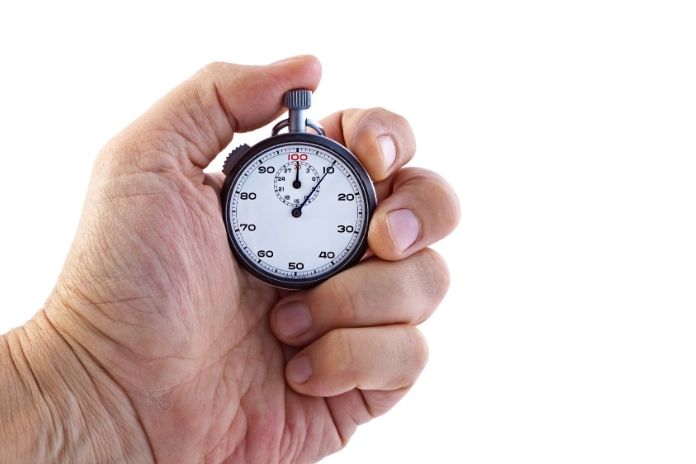
Timed Up and Go tests your dynamic balance, agility, and functional mobility, your capacity for movement from sitting to walking, and turning.
Why it’s important:
The TUG is the most common measure of fall risk. PhysioPedia reports that times of more than 12 seconds reflect high fall risk, whereas 20 seconds or more frequently implies the need for assistance with daily living.
How to do it:
- Stand a solid chair on a level surface.
- Sit facing the chair with your back against it.
- On “go,” get up, walk 10 feet (3 meters), turn around, return, and sit down.
- Use a stopwatch to time yourself.
Benchmarks:
- ≤ 10 seconds = normal, healthy mobility.
- 11–20 seconds = mild mobility limitations.
- 20 seconds = high fall risk, potential loss of independence.
This helps with motions such as standing from the dinner table, walking to the kitchen, and sitting again. Struggling here is an indicator of real-world mobility impairment.
Tips for Improvement:
- Practice sit-to-stands without depending on hands for support.
- Include short daily walks at an increasing speed.
- Practice step-ups on a low step or stair for functional strength.
4. Single-Leg Stance Test:
What it tests:
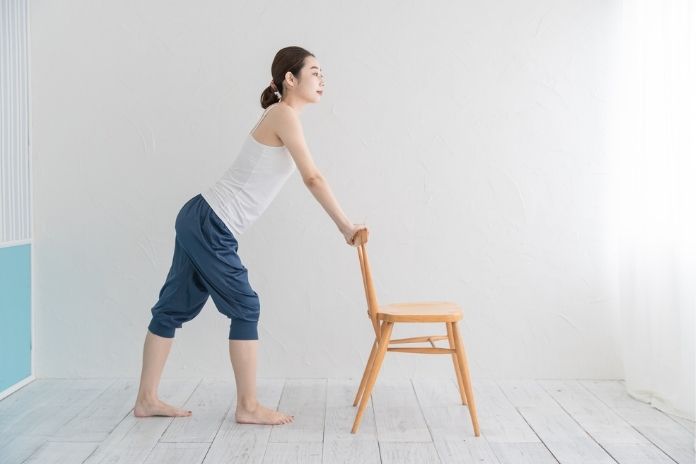
The single-leg stance test determines our static balance and proprioception (your body’s sense of position in space).
Why is it important:
A 2022 study indicates that adults who were unable to balance on one leg for 10 seconds had almost twice the risk of death in the following decade than people who could do the same. Balance is a very clear indicator of body and brain health.
How to do it:
- Stand with a chair or a wall for support.
- Raise one foot off the ground slightly, arms at sides.
- Hold for as long as possible (30 seconds or less).
- Repeat on the opposite leg.
Benchmarks:
- Healthy adults: 20–30 seconds per side.
- Less than 10 seconds: potential balance deficit, increased fall risk.
Relevance to daily life:
Good balance allows you to step over obstructions, exit a vehicle, or pick yourself up if you stumble along the sidewalk.
Tips for Improvement:
- Practice daily single-leg stands, gradually adding time.
- Practice heel-to-toe walking for balance exercises.
- Add yoga poses such as the tree pose or the warrior III.
- Strengthen ankles and calves with heel raises.
Read More: The Sitting-to-Standing Test: Can This Simple Move Predict Your Lifespan?
5. 30-Second Chair-Stand Test:
What it tests:
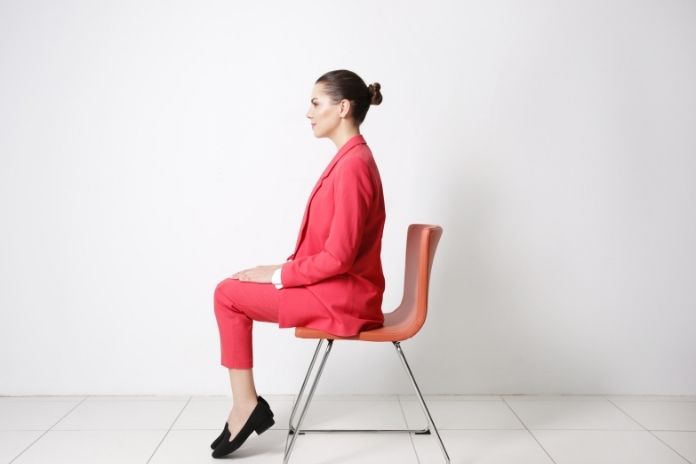
This 30-second chair stand test helps us test our lower-body endurance and strength, particularly in the glutes and legs.
Why is it important:
The CDC has this test as part of its STEADI fall-prevention kit. Reduced standing in 30 seconds is highly associated with frailty, falls, and loss of independence.
How to do it:
- Sit in a chair with no armrests, feet flat on the ground.
- Cross arms over chest or keep at sides.
- Stand up, then sit. Repeat as many times as possible within 30 seconds.
Benchmarks:
- 60–64 yrs: Men ≥ 14 reps, Women ≥ 12 reps.
- 70–74 yrs: Men ≥ 12 reps, Women ≥ 10 reps.
- Below = likely weakness, greater fall risk.
This test helps ascertain standing up from chairs, getting up from the toilet, and standing up stairs. If chair stands are difficult, so are most everyday tasks.
Tips for Improvement:
- Practice squats with your own body weight every day.
- Climb stairs regularly.
- Strengthen quads and glutes with resistance bands or light weights.
If These Tests Feel Difficult

If you found any of these tests hard, don’t worry. It doesn’t mean that you have failed or are at your worst health. It simply indicates that you’ve identified areas where your body requires additional support.
It is common to feel the tests as challenging, particularly over 50 years of age. These tests are meant to reveal weakness so that you can do something about it.
Next steps include:
- Talk to a professional. Discuss your findings with your physician or a physical therapist. They can help you understand if weakness is caused by deconditioning, arthritis, or something else.
- Begin where you are. Adapt tests (e.g., hold the wall for single-leg stance, perform partial squats for the chair-stand) and progress gradually.
- Train regularly. Shoot for a minimum of 150 minutes of moderate activity per week, and two strength-training days. Even brief daily periods all count.
- Practice balance and mobility. Yoga, Tai Chi, and resistance training are all tested methods to decrease the chance of falls and increase test performance.
Remember, progress matters more than perfection. Improving from 6 reps to 10 in the chair-stand test can be the difference between needing help and staying independent.
Conclusion
Aging well isn’t about turning back the clock. But it’s about staying strong, steady, and independent for as long as possible. These five simple at-home fitness tests that include grip strength, sitting-rising, Timed Up and Go, single-leg stance, and chair-stand, offer a quick window into your body’s true age.
The objective is not to “pass” or “fail.” It’s to create a benchmark, monitor your progress, and apply these learnings to inform your everyday movement. Improvement can always be made, regardless of age.
So try it out, record your scores, and tell them to your doctor or fitness coach. More importantly, use them as encouragement to continue walking, stretching, lifting, and balancing. The sooner you begin, the younger your body will stay, today and in decades to come.
Start today, and enjoy a fitter tomorrow!
References
- https://www.physio-pedia.com/30_Seconds_Sit_To_Stand_Test
- https://pmc.ncbi.nlm.nih.gov/articles/PMC10662528/
- https://pubmed.ncbi.nlm.nih.gov/10380242/
- https://www.youtube.com/watch?v=grrYoBucNPE
- https://scitechdaily.com/this-simple-10-second-balance-test-can-tell-if-your-risk-of-death-is-double/
- https://physioentrust.com/blog/sitting-rising-test/
- https://www.nia.nih.gov/health/falls-and-falls-prevention/falls-and-fractures-older-adults-causes-and-prevention
In this Article