














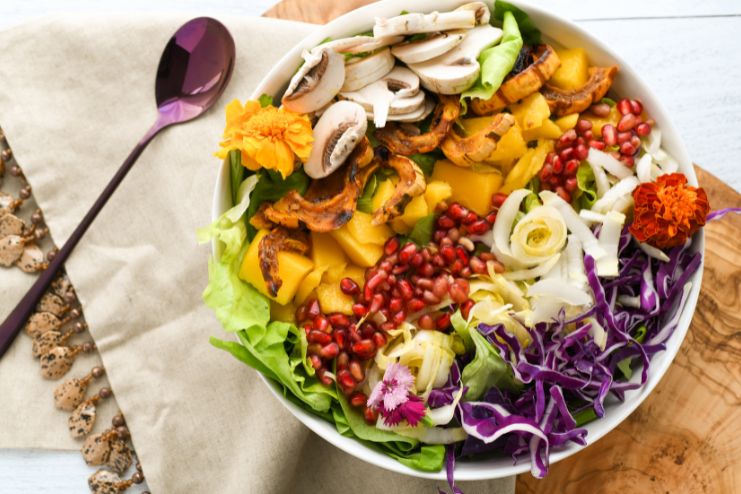
Buddha bowls, joy bowls, hippie bowls, or macro bowls—these names probably sound familiar. While I’m a late member of the Buddha Bowl club, it’s never too late to join and reap the rewards! They were incredibly popular a few years back, and I wish I had started eating them sooner because I’m absolutely fascinated with them!
If you’re searching for a quick and nutritious meal, consider assembling a Buddha bowl. They’re simple to make with adaptable recipes that let you use whatever’s already in your pantry or refrigerator.
A Buddha bowl typically contains different vegetables, grains like rice, and proteins such as tofu and beans. Toppings like salsa, various sauces, and spices add flavor and vibrant color to your bowl. While meat can be added, many Buddha bowl enthusiasts prefer vegetarian options.
Read More: Hearty and Healthy Soups: Warm Bowls for Nourishing Comfort
The Anatomy of a Buddha Bowl
Ever since Buddha bowls started appearing on restaurant menus and food blogs, there has been much speculation about the origin of the name. Buddha bowl-style meals and “bowl cuisine,” as we know it today, have existed for decades—they simply went by other names.
There’s no single recipe for one-bowl dinners, just as there’s no single term for them. You can prepare them using a specific recipe or with whatever ingredients you have on hand, whether cooked in advance or prepared at the last minute. They can be enjoyed hot or cold. The central aspect is that your bowl must contain a good mix of the healthiest, tastiest, and most visually appealing ingredients available.
This type of meal is passionate, completely natural, and provides the body with balanced, healthy energy. It’s the kind of meal I could eat daily for the rest of my life purely because it’s well-rounded and never ceases to be interesting due to its varied elements.
You cannot go completely wrong when preparing a Buddha Bowl—they’re incredibly flexible. Anything you have on hand, including leftovers from previous meals, will work perfectly.
Protein Power
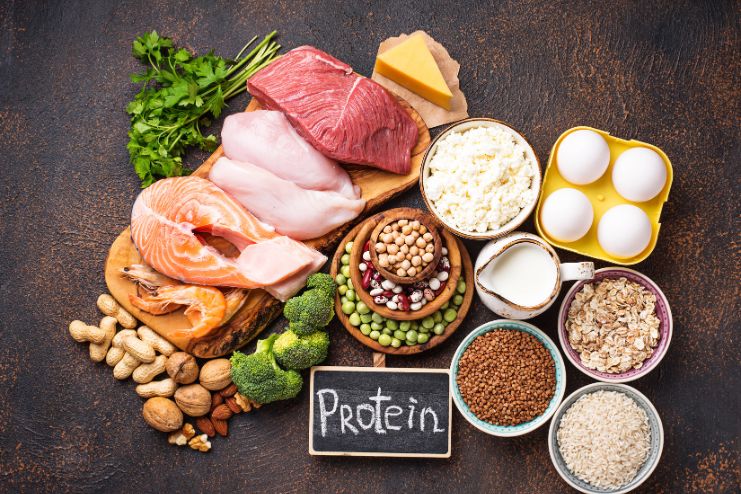
Amino acids are the building blocks that make up proteins. About 20 distinct amino acids can form various combinations with one another. Your body relies on these to build new proteins, such as those found in muscles and bones, as well as other vital compounds like hormones and enzymes. Additionally, protein can provide a valuable energy source.
A. Plant-Based Proteins
Starting a journey toward more mindful and healthful eating can be intimidating, particularly if you don’t want to sacrifice flavor. Fortunately, you won’t have to when you have a variety of healthy dishes at your disposal! A Buddha bowl is a healthy, well-balanced meal usually served in a single bowl that features various colorful, nutrient-dense ingredients.
Tofu is a fantastic vegan meat substitute that’s tasty, nutritious, and simple to prepare. It has a transformational texture, is incredibly versatile, and masterfully absorbs flavors. Other excellent plant-based protein choices include tempeh, jackfruit, peanut satay tofu, and soy curls.
Buckwheat groats are an intriguing pseudo-grain that’s high in fiber and protein while being completely gluten-free. Because of its versatility, buckwheat can be transformed into flour, stewed into porridge, toasted, cooked whole like rice, or added to raw desserts.
You can use any grain you have on hand—lentils, rice, quinoa, bulgur, barley, couscous—or try buckwheat. Serve your bowl cold or warm based on your preference.
B. Animal Proteins
Whether you call them Buddha bowls, meal prep bowls, veggie bowls, nourish bowls, or something else entirely, these recipes are the perfect way to pack a lot of nutrition into a single meal.
One option is to make them completely vegan, while another is to incorporate your preferred animal protein, such as salmon, chicken, or shrimp. Buddha bowls make an ideal portable meal because they can be eaten either hot or cold, making them suitable for any season.
Read More: 6 Flavorful One-Pot Meals for Effortless Weeknight Cooking
Healthy Fats and Dressings
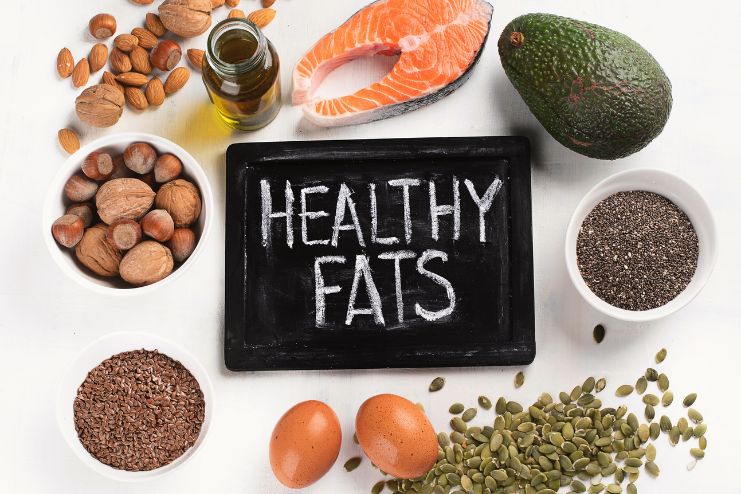
Dietitian Anna Taylor, MS, RD, LD, CDCES, describes this straightforward idea under several names, including nourish bowl, joy, and glory. In addition to tasting delicious, a proper Buddha bowl provides the body with healthy fats. Strategically adding these fats elevates your bowl.
A. Avocado and Nuts
Including healthy fats will make your Buddha Bowl creamy in texture while providing numerous nutritional advantages. Avocado, with its creamy texture and heart-healthy monounsaturated fats, is a rich, luxurious addition to any bowl. Nuts like walnuts and almonds provide satisfying crunch and are powerful nutrient sources.
These fats help you get the most out of the rainbow mix of ingredients in your bowl by supporting your body’s nutrient absorption process and making the meal more satisfying overall.
B. Flavorful Dressings
A Buddha bowl is one of the most delicious and adaptable dishes you can prepare, and the dressing is the secret to making your bowl even better. An excellent Buddha bowl dressing enhances the natural flavors of the components, unifying them into a perfectly balanced bite.
Salsa is a terrific way to add fresh and tangy elements to a Buddha bowl. Sweet, luscious mango salsa is fantastic, but if you want to add acidity, tanginess, and juiciness to your bowl, try mango corn salsa, pico de gallo, or pick up something from the market.
Texture and Crunch
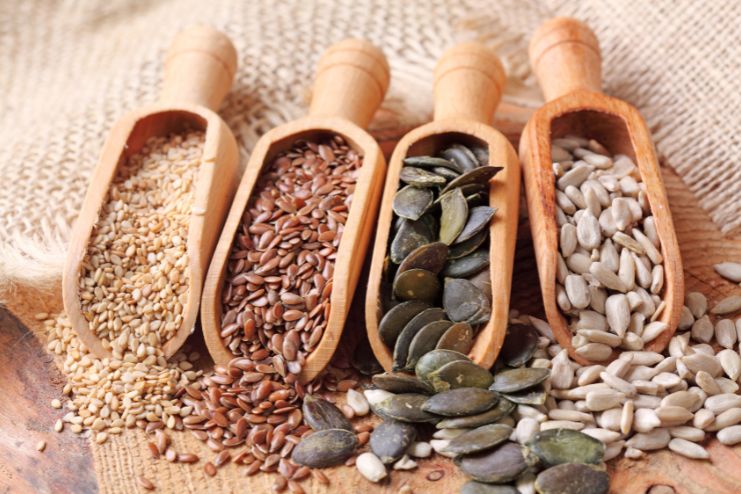
Texture and crunch enhance the overall experience of a Buddha Bowl. This intentional enhancement increases sensory stimulation, transforming your meal from simple food into a delicious feast. Adding sunflower or sesame seeds provides a delightful crunch and flavor.
A. Seeds and Crispy Additions
The various textures and flavors that a Buddha Bowl offers your palate are among the factors that make it so appealing. Seeds, like sesame or sunflower seeds, add a delightful crunch to any meal. These small powerhouses provide a satisfying bite while delivering various nutrients, including minerals and healthy fats.
B. Baked or Roasted Components
Add baked or roasted foods to your Buddha Bowl to achieve the best textural contrast. I know it might sound unusual, but I could never imagine cauliflower as a comfort food vegetable until the idea of creating a creamy lemon tahini sauce to accompany roasted cauliflower kept crossing my mind. So I made a lemon tahini sauce blended with cashew and served it with roasted broccoli, cauliflower, and chickpeas. Doesn’t that sound heavenly?
Read More: Cooking for Heart Health: Delicious Recipes to Lower Cholesterol
Meal Prep and Time-Saving Tips
The appeal of a Buddha Bowl lies not only in its abundant nutrients but also in its simplicity and convenience, even amid daily life’s hectic schedule.
A. Batch Cooking and Prep
I love batch cooking, a flexible approach related to meal prepping. Batch cooking involves preparing three to four recipes that can be combined to create different meals each day, instead of preparing a set quantity of food and organizing each meal separately. While meal prep might feel restrictive, batch cooking allows me to eat as much or as little as I want and whatever I’m craving.
B. Quick Assembly Tips
“Buddha bowl” is a trendy term for a straightforward concept: a complete meal served in a single, large, individual-sized bowl filled with a wholesome mix of whole grains, vegetables, legumes, and flavorful sauce. Store some pre-chopped and pre-washed vegetables in your refrigerator so you have them ready at any moment.
The best Buddha bowls are often crafted using whatever ingredients you have on hand or leftover items from previous meals.
Visual Appeal and Instagram-Worthy Bowls
In the age of social media, a Buddha Bowl should be displayed as an excellent visual work of art. Beyond taste, how your bowl looks can significantly enhance your dining experience. You’re enjoying the luxury of creating an Instagram-perfect meal that your friends will love for both its stunning presentation and the impressive diversity of nutrients it provides.
A. Color Coordination
The magic of a Buddha Bowl begins with its appearance, which should typically be bright and beautiful. Besides being visually appealing, a coordinated color scheme is also a nutritional goldmine. Use a rainbow of colors—from green avocado to red tomatoes—to bring your bowl to life. This approach helps you obtain the variety of vitamins, minerals, and antioxidants your body needs.
B. Garnishes and Finishing Touches
By taking great care with your Buddha bowl presentation and adding thoughtful garnishes and finishing touches, you can make your bowl look like art. Gently sprinkling fresh herbs such as cilantro or mint on top can work wonders for the appearance, creating a splash of color while adding layers of flavor and complexity to the dish.
Read More: Rainbow Eating: What It Means and How It Benefits Your Body
Conclusion
Buddha bowls perfectly combine ease, wholesome nutrition, and satisfaction into one complete meal. They bring healthy eating to life and are accessible to nearly everyone with their simple assembly and use of fresh, nutrient-dense ingredients.
By blending grains, protein, vegetables, and healthy fats in a way that tantalizes the taste buds and satisfies the body, each bowl becomes a kaleidoscope of nutritional balance. Whether you need a convenient weeknight dinner or a colorful meal prep option, Buddha bowls offer a flexible solution.
Beyond their health benefits, Buddha bowls inspire kitchen creativity. You can experiment with new flavors, textures, and ingredients based on what’s in season or what you enjoy most. The possibilities are truly limitless!
References
- https://www.bluecrossvt.org/health-community/blog/listing/power-bowls-fast-easy-healthy-meals
- https://robinasbell.com/2021/05/the-buddha-bowl-a-mindful-meal/
- https://holisticlifestyleguide.com/buddha-bowls/
- https://www.epicurious.com/expert-advice/buddha-bowl-history-recipe-article
- https://www.brunet.ca/en/health/health-tips/anatomy-of-a-perfect-buddha-bowl/
- https://www.forksoverknives.com/how-tos/how-to-make-a-buddha-bowl/
- https://www.jentrott.com/writing/anatomy-of-a-buddha-bowl
- https://www.betterhealth.vic.gov.au/health/healthyliving/protein
- https://medlineplus.gov/genetics/understanding/howgeneswork/protein/
- https://simplyceecee.co/vegan-buddha-bowl/
- https://eatwithclarity.com/buddha-bowls/
- https://health.clevelandclinic.org/how-to-build-a-better-buddha-bowl
- https://www.loveandlemons.com/buddha-bowl-recipe/
- https://fitnessista.com/buddha-bowl-dressing-recipe/
- https://ohsheglows.com/roasted-buddha-bowl/
- https://dishingouthealth.com/roasted-veggie-glow-bowls/
- https://dailyciabatta.com/save-time-and-eat-well-with-batch-cooking/
- https://www.allrecipes.com/article/heres-how-to-build-a-better-buddha-bowl/
- https://www.forksoverknives.com/how-tos/how-to-make-a-buddha-bowl/
In this Article