














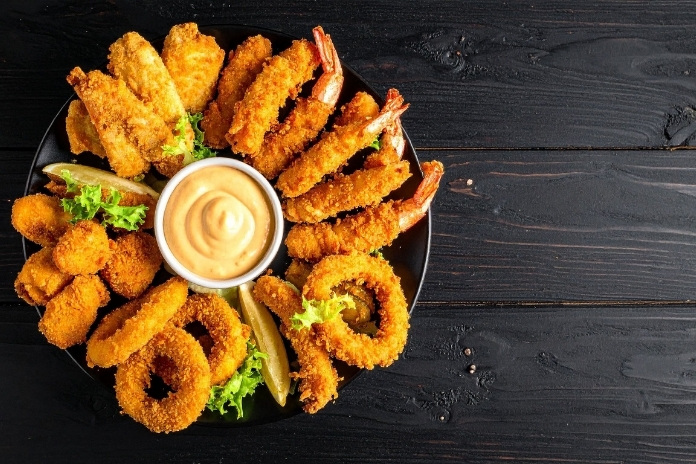
Both shrimp and chicken have earned their place on weight-loss menus around the world, and for good reason. They’re both lean, packed with high-quality protein, and incredibly adaptable, whether you’re meal-prepping for the week or experimenting with new recipes. But here’s the thing: even though they share the same healthy reputation, they’re not nutritional twins.
Shrimp is one of the lowest-calorie protein sources you can find, offering plenty of nutrients with very little fat. Chicken, on the other hand, especially the skinless breast, provides a bit more protein per bite and tends to be more satisfying, which can help curb cravings and support muscle recovery.
When you’re trying to lose weight, these subtle differences can matter more than you think. The type of protein you choose affects your calorie intake, fullness, and even how your body burns energy. Beyond that, factors like cholesterol, sodium, and potential allergies also play a role in deciding what’s best for you.
This article takes a closer look at both, comparing their nutrition facts, what science says about protein and fat loss, key health considerations, and simple, healthy cooking tips. By the end, you’ll have a clear, evidence-based answer on which protein source better aligns with your personal goals and dietary needs.
Nutrition Face-off – Per 100 g Cooked
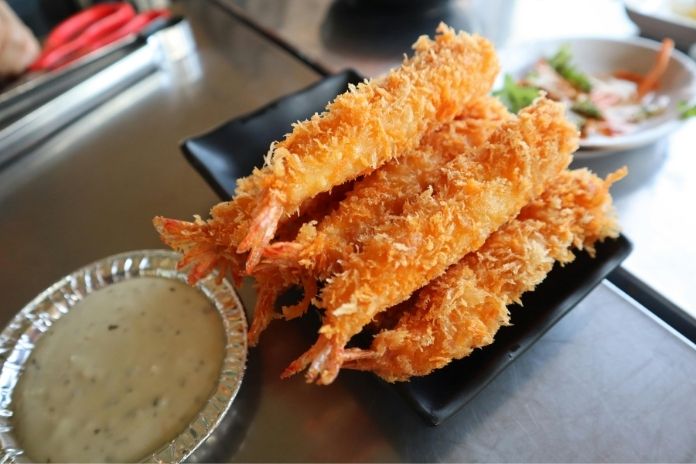
When you stack shrimp and chicken side by side, the numbers tell an interesting story. Both are lean, high-protein options that fit easily into a calorie-conscious diet, but their nutrient profiles have distinct strengths.
Shrimp is impressively light on calories and fat, yet still offers solid protein and a unique boost of minerals like iodine and selenium, plus astaxanthin, the antioxidant that gives it that pink hue. Chicken breast, meanwhile, edges ahead in protein and brings valuable B vitamins and iron that support energy and metabolism.
Here’s a quick nutrition face-off per 100 grams of cooked shrimp versus skinless chicken breast, to help you see exactly where each one shines and what that means for your plate.
 (Numbers vary by species, cooking method, and data source; USDA/FoodData Central provides exact values for specific samples.)
What this means in plain English: shrimp is lower in calories and fat, while chicken has more protein and keeps you full longer. Choose shrimp for a lighter meal, chicken for better satiety.
Why Shrimp is Good for Weight Loss
Shrimp often gets overshadowed by chicken in weight-loss diets, but it deserves more credit. It’s one of the leanest, most protein-dense foods you can eat, light on calories, rich in nutrients, and easy to prepare in countless ways.
For anyone trying to lose fat without giving up flavor or muscle mass, shrimp is a smart, efficient choice. It’s also naturally low in carbs and fats, making it perfect for calorie-conscious, low-carb, or keto-style eating.
Here’s why shrimp works so well for weight loss, and how to get the most out of it.
1) Low in Calories, High in Protein Density
Shrimp delivers a powerful protein punch for very few calories, roughly 20–24 g of protein per 100 g with only about 80–120 calories, depending on how it’s cooked. That’s an excellent ratio if your goal is to retain lean muscle while cutting calories.
Protein keeps you fuller for longer and boosts the number of calories your body burns through digestion, making it easier to stay in a calorie deficit without feeling deprived.
2) Rich in Nutrients That Support Metabolism
Beyond protein, shrimp brings nutrients that quietly back your weight-loss efforts. Selenium, vitamin B12, and iodine all support thyroid function, which helps regulate metabolism. It also contains small amounts of omega-3 fatty acids and astaxanthin, a natural antioxidant that may help reduce inflammation and oxidative stress.
These aren’t quick fixes, but they do help your body function efficiently while you’re in a calorie deficit.
3) Naturally Keto- and Low-Carb Friendly
If you’re limiting carbs, shrimp fits seamlessly into your plan. It’s carb-free, low in fat, and high in clean protein, so it works beautifully in salads, stir-fries, soups, or lettuce wraps. Shrimp-based meals make it easy to hit your protein targets without overshooting your calories or carbs, helping you lose fat while maintaining muscle tone.
Pro tip: Be selective with what you buy. Pre-breaded or pre-seasoned shrimp often come loaded with extra sodium, oils, and hidden calories. Stick with raw or unseasoned shrimp and cook them simply, grilled, steamed, or sautéed with a little olive oil and herbs, to preserve their natural nutritional edge.
Why Chicken is Good for Weight Loss
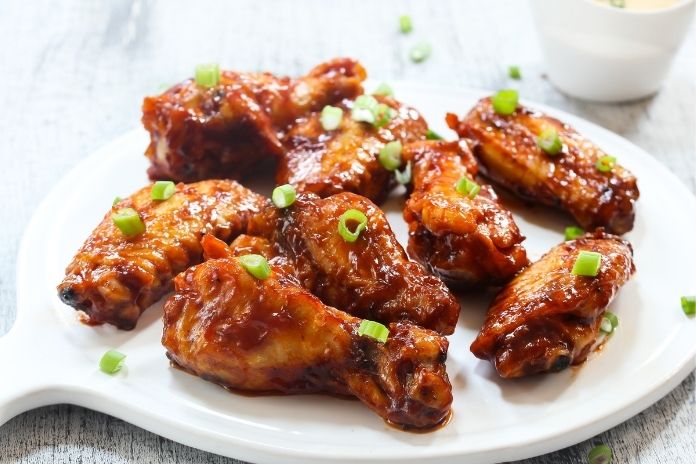
Chicken is another top choice for weight-loss diets, and it brings its own set of advantages. While shrimp is ultra-light and low in calories, chicken, especially skinless breast, offers slightly more protein per serving, along with nutrients that support energy, recovery, and overall health. Its versatility in the kitchen also makes it a practical option for meal prep and balanced eating.
Here’s why chicken works so well for weight loss, and how it can complement your diet.
1) Slightly More Protein for Muscle Maintenance
Skinless chicken breast typically provides around 30–31 g of protein per 100 g cooked, while shrimp provides about 24 g of protein per 100 g cooked. This higher protein content in chicken helps preserve lean muscle when you’re cutting calories.
Protein also helps you feel full longer, which makes it easier to stick to a calorie deficit. A higher-protein diet is consistently linked to better appetite control, improved body composition, and lean-mass retention during weight loss.
2) Versatility and Satiety
Chicken is highly adaptable in the kitchen. It pairs well with almost any seasoning, sauce, or cooking style, and combines easily with whole grains, vegetables, and legumes for balanced meals. Its slightly higher calorie and fat content can make chicken dishes more satisfying, helping reduce mindless snacking or overeating between meals.
3) Rich in B-Vitamins and Iron
Chicken is a solid source of niacin (B3), vitamin B6, and iron, all of which support energy metabolism and red blood cell production. For those who exercise or have higher activity levels, these nutrients help maintain performance, support recovery, and keep energy levels stable throughout the day.
Pro tip: Stick to skinless cuts and avoid heavily fried or breaded preparations. Grilled, baked, or lightly sautéed chicken keeps calories controlled while maximizing protein and nutrient intake.
Protein & Weight Loss – The Science
The role of protein in weight loss is well supported by research. Higher-protein diets help in three major ways:
- Increasing satiety so you eat fewer calories overall,
- Upping the thermic effect of food (protein burns more calories during digestion), and
- Preserving muscle mass during calorie restriction helps maintain metabolic rate.
A widely cited review by Leidy and colleagues summarizes these mechanisms and supports higher protein for body-weight management and cardiometabolic improvements. In short, if weight loss is the goal, prioritize adequate protein; the exact source is flexible.
Read More: The Power of Macronutrients: Understanding Proteins, Carbs, and Fats in Your Diet
Shrimp vs Chicken – Health Considerations

When comparing shrimp and chicken, it’s not just about protein and calories; there are a few important health factors to keep in mind. Both are nutritious, but they differ in areas like cholesterol, sodium, fat content, and potential allergens.
Understanding these differences can help you choose the protein that fits your health goals and dietary needs, beyond just weight loss.
Cholesterol
Shrimp contains more dietary cholesterol than chicken. A typical 100 g serving of cooked shrimp might have roughly 150–190 mg cholesterol, versus ~70–100 mg for cooked chicken breast. That sounds scary, but multiple studies show dietary cholesterol has a modest effect on blood cholesterol for most people; saturated fat and trans fat matter more for LDL levels.
Controlled trials of shrimp intake have shown mixed effects on lipids, with some increases in LDL offset by rises in HDL, resulting in little or neutral change in total cardiovascular risk markers for healthy individuals.
According to Dr. Erdo e Silva, “Moderate shrimp consumption in normolipidemic subjects does not adversely affect the overall lipoprotein profile. In fact, when compared to an egg-based diet, shrimp intake resulted in significantly lower ratios of total to HDL cholesterol and lower ratios of LDL to HDL cholesterol, as well as lower triglyceride concentrations. These findings suggest that shrimp can be included in heart-healthy nutritional guidelines.”
In short, shrimp’s higher cholesterol is usually not a showstopper for heart-healthy diets, but those with familial hypercholesterolemia or established heart disease should discuss it with their clinician.
Read More: Cooking for Heart Health: Delicious Recipes to Lower Cholesterol
Sodium and additives
Frozen shrimp can be “plumped” with saltwater, phosphates, or sodium solutions that increase weight and sodium content. Similarly, marinated or processed chicken can hide sugar and salt.
Always check ingredient labels: choose raw, unprocessed options and rinse shrimp if you suspect added sodium. Added sodium doesn’t cause weight gain directly, but it can increase water retention and may worsen blood-pressure control.
Allergies
Shellfish allergy is common and can be severe. If you have a history of allergic reactions to shellfish, shrimp is not an option. Chicken allergy is much rarer. This is an important practical divider: if you can’t eat shrimp, the debate ends, pick chicken.
Environmental and sustainability notes (brief)
Seafood sustainability varies by species, fishing method, and region. If sustainability matters to you, choose responsibly sourced shrimp (look for reputable certifications) or rotate proteins to limit demand pressure on any single species. This doesn’t change weight-loss utility, but it may affect long-term dietary choices.
Cooking Methods Matter More Than the Protein
A 100-gram serving of protein is only as healthy as how you cook it. Breaded, deep-fried shrimp or chicken pumped with sodium and fried in oil can turn a lean protein into an empty-calorie dish.
Best methods for weight loss:
- Grill or broil, minimal added fat, great flavor.
- Steam or poach, preserves tenderness without added calories.
- Air-fry for a crisp texture with much less oil than deep-frying.
- Sauté lightly in a teaspoon of olive oil with lots of herbs and veggies.
Avoid heavy cream sauces, deep frying, excessive battering, or sugary glazes. Pair your protein with fiber-rich vegetables and a modest portion of whole grains or legumes to slow digestion and increase satiety.
Practical Meal Ideas (Keep Calories and Macros Friendly)
Eating shrimp or chicken doesn’t have to be boring or restrictive. With a little creativity, both proteins can be the stars of satisfying, flavorful meals that stay within your calorie and macro goals. Here are some practical, easy-to-make ideas that keep your weight-loss plan on track without compromising taste.
- Shrimp & veg stir-fry: shrimp sautéed with garlic, ginger, lots of bell peppers, and broccoli; serve over cauliflower rice or a small scoop of brown rice.
- Grilled chicken salad: sliced grilled chicken breast over mixed greens, cherry tomatoes, cucumber, avocado (small portion), and a squeeze of lemon.
- Shrimp tacos (light): shrimp grilled with chili powder, served on corn tortillas with cabbage slaw and salsa (skip crema).
- Chicken & lentils: roasted chicken breast with a side of spiced lentils and steamed greens, good for satiety and sustained energy.
Read More: High Protein Diet For Weight Loss – 18 Protein Rich Foods That Help Shed Off Unwanted Fats
Verdict: Which is Better for Weight Loss?
There isn’t a single winner for everyone. The best choice depends on your priorities:
- If your main goal is absolute calorie minimization and strict macro control (e.g., very low-calorie or keto plans), shrimp has the edge. Lower calories and negligible fat per 100 g make it easy to squeeze into tight daily targets.
- If you prioritize satiety, easy meal prep, and slightly higher protein for resistance training or maintaining muscle, chicken breast is marginally better; it provides a bit more protein and can feel more filling in larger portions.
- If you have cholesterol concerns or a shellfish allergy, choose chicken or another lean protein (turkey, white fish, legumes).
- If variety and sustainability are concerns, rotate proteins, shrimp, chicken, tofu, fish, and legumes to cover micronutrients and avoid monotony.
Bottom line: Both shrimp and chicken are excellent lean protein choices for weight loss. The “better” option is the one you’ll reliably eat, prepare healthily, and enjoy consistently.
Frequently Asked Questions
Can I eat shrimp and chicken on the same weight-loss plan?
Absolutely. Mixing proteins keeps meals interesting and covers a wider spectrum of vitamins and minerals. Combine shrimp and chicken across the week while balancing portion sizes and cooking methods.
Which is better for building muscle, shrimp or chicken?
Chicken is slightly better purely on grams of protein per 100 g, but the difference is small. Total daily protein matters far more than one meal’s source. Aim for adequate daily protein (commonly 1.2–2.0 g/kg depending on activity) and resistance training; either protein will support muscle growth if totals are met.
Is shrimp safe for people with high cholesterol?
For most people, moderate shrimp consumption doesn’t translate into worse blood-lipid profiles because shrimp is low in saturated fat and contains beneficial nutrients. Some studies found small LDL increases balanced by HDL rises; results vary. If you have familial hypercholesterolemia or very elevated LDL, check with your cardiologist or dietitian for personalized guidance.
How many servings of protein should I eat daily to lose weight?
There’s no one-size-fits-all number, but evidence supports higher protein during weight loss to preserve lean mass. Many recommendations range from 1.2 to 2.0 g/kg body weight per day, depending on activity and goals; a registered dietitian can set a precise target. Balance protein with vegetables, healthy fats, and controlled carbs to meet your calorie goal.
What are the healthiest ways to cook shrimp and chicken?
Grill, broil, steam, bake, or air-fry with minimal added oil. Flavor with herbs, citrus, garlic, chili, and vinegar instead of heavy sauces. Avoid breading and deep-frying when weight loss is the goal.
References
- https://foodstruct.com/compare/chicken-meat-vs-shrimp
- https://www.soupersage.com/compare-nutrition/shrimp-vs-chicken
- https://tools.myfooddata.com/nutrition-comparison/171971-171140-173112/wt1-wt9-wt9
- https://www.researchgate.net/publication/287283789_Shrimps_-_a_nutritional_perspective
- https://captainshrimp.my/protein-showdown-shrimp-vs-chicken-vs-beef/
- https://www.pinterest.com/pin/shrimp-vs-chicken-breast-indepth-nutrition-comparison-in-2024–917256649124894715/
- https://www.nutritionix.com/food/shrimp/100-g
- https://www.instagram.com/seafoodzon25/reel/DPOcs-Hkf1i/
- https://www.nutritionadvance.com/shrimp-nutrition-benefits/
- https://www.myfooddata.com/articles/foods-high-in-vitamin-B12.php
- https://www.youtube.com/watch?v=UmqHWL6hZCg
- https://www.mdpi.com/2304-8158/12/23/4243
- https://www.eatthismuch.com/calories/shrimp-3401
- https://laws-lois.justice.gc.ca/eng/regulations/c.r.c.,_c._870/20230215/P1TT3xt3.html
- https://www.tiktok.com/discover/shrimp-100g-protein-hitting-protein-in-front-of-mom
- https://nutrientoptimiser.com/nutritional-value-crustaceans-shrimp-mixed-species-cooked-moist-heat-may-have-been-previously-frozen/
- https://calories-info.com/chicken-vs-shrimp/
In this Article