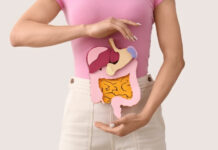






Many women experience fluctuations in hunger, energy, digestion, and cravings to shift throughout the month. This is normal and a part of the physiological response to hormonal changes, not from lack of discipline or consistency.
The menstrual cycle is a dynamic biological process that influences metabolism, blood sugar regulation, inflammation, and neurotransmitters involved in appetite and mood.
With changing levels of estrogen and progesterone, there are changes in how efficiently the body uses carbs and fat, how much energy it requires during rest, and how the brain perceives hunger and reward. Hence, eating for menstrual cycle health often feels easier during some phases and more challenging during others.
This approach is less about strict rules and a cycle-syncing diet than it is about small supportive adjustments. These include shifting macronutrient balance, emphasizing specific micronutrients, and slightly increasing portions to better align with hormonal physiology sustainably.
Fast Facts: The 4 Stages of the Female Menstrual Cycle
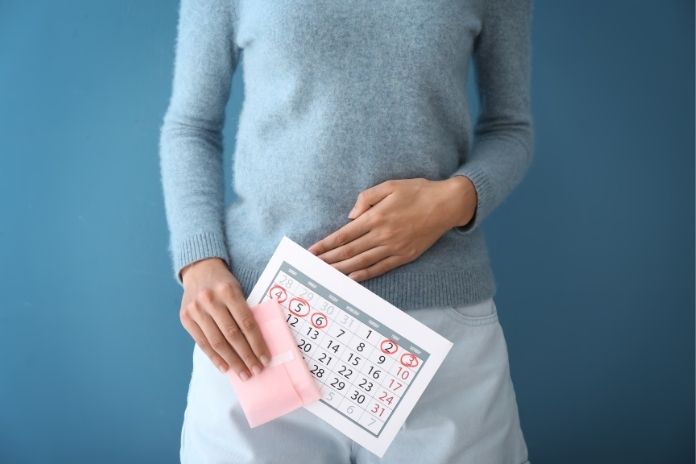
Typically, the menstrual cycle is divided into four phases that have predictable hormonal patterns. These are associated with appetite, metabolism, and energy needs.
- Menstrual Phase: When the body is repairing and recovering, the hormonal levels are at their lowest.
- Follicular Phase: Estrogen starts increasing during this phase. Thereby enhancing insulin sensitivity and clarity of mind.
- Ovulatory Phase: Estrogen peaks for efficient metabolism and digestion.
- Luteal Phase: Dominated by progesterone, increasing calorie needs, influencing cravings, and causing PMS symptoms.
These hormonal changes explain why energy needs and food preferences change during the course of the month. Hence, it is essential to subtly change nutritional strategies.
Read More: 8 Everyday Toxins That Can Disrupt Your Menstrual Cycle (And How to Avoid Them)
Menstrual Phase: What to Eat and Why
Menstruation involves the loss of iron, as well as an increase in inflammatory activity. Lower estrogen levels may lead to fatigue and decreased exercise tolerance, while prostaglandins have been linked to cramping and overall muscle soreness.
From the perspective of menstrual cycle nutrition, this acts as a recovery window. Adequate energy intake supports tissue repair, while specific nutrients help compensate for blood loss and reduce inflammation.
Useful dietary tips include:
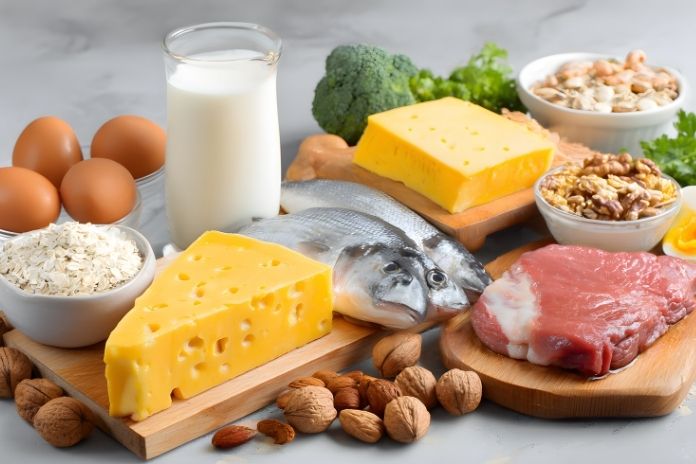
- Prioritizing iron-rich foods to help produce red blood cells.
- Consuming iron with foods that contain vitamin C improves absorption.
- Eating hot and well-cooked meals that are easier to digest can help minimize bloating.
While such foods can worsen water retention and inflammation in some individuals, restriction is rarely helpful. In most cases, if you skip meals at this stage, it may lead to increased fatigue.
Follicular Phase: Eating to Support Energy and Concentration
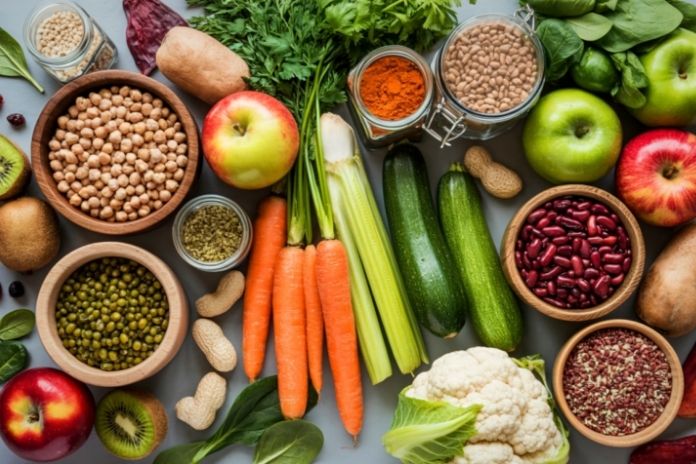
As menstruation comes to a close, estrogen rises consistently. It promotes insulin sensitivity and glucose absorption and helps with the natural metabolism of carbohydrates. Moreover, increased dopamine activity promotes motivation, concentration, and learning.
It is during this phase that many women notice their appetite seems to be more regulated, and it is easier to eat balanced meals. Nutrition in the follicular phase is most effective when it supports metabolic efficiency rather than overriding it.
The supportive approach includes:
- Regular meals with lean protein for blood sugar stabilization.
- Complex carbohydrates for fueling physical and cognitive activity.
- Adequate fruits and vegetables rich in fiber support gut health and estrogen metabolism.
This is a great phase to stick to consistent eating habits within a flexible cycle-syncing diet. This happens as energy and digestion often feel more stable.
Ovulatory Phase: Support for Peak Energy and Digestion
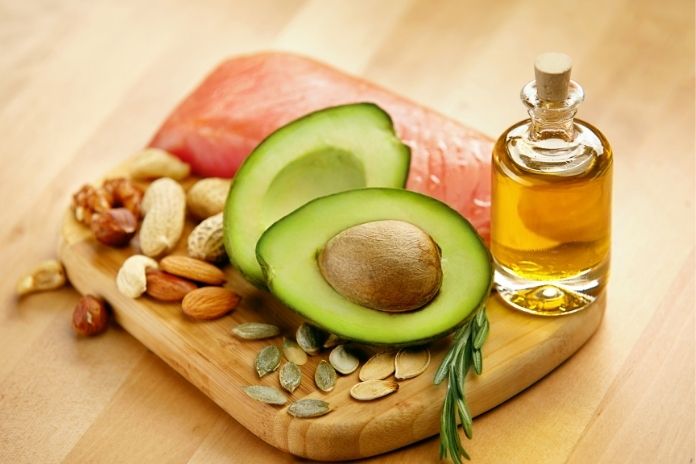
Ovulation marks a window of peak estrogen. In this phase, metabolic efficiency is high, inflammation tends to be lower, and digestion often feels better. Some women may notice a slight decrease in appetite during this phase, although their nutritional needs are not altered.
The key during ovulation is balance and nutrient density, rather than eating less. Poor nutrition at this stage can lead to stronger cravings and fatigue later in the cycle.
Helpful focuses during this stage include:
- Emphasizing colorful vegetables rich in antioxidants.
- Including healthy fats to support hormone signaling.
- Ensuring adequate protein for the maintenance of lean muscle and satiety.
- Micronutrients like magnesium, zinc, and selenium support ovulatory processes, while proper hydration aids circulation and digestion.
Luteal Phase: Managing Cravings, PMS & Blood Sugar
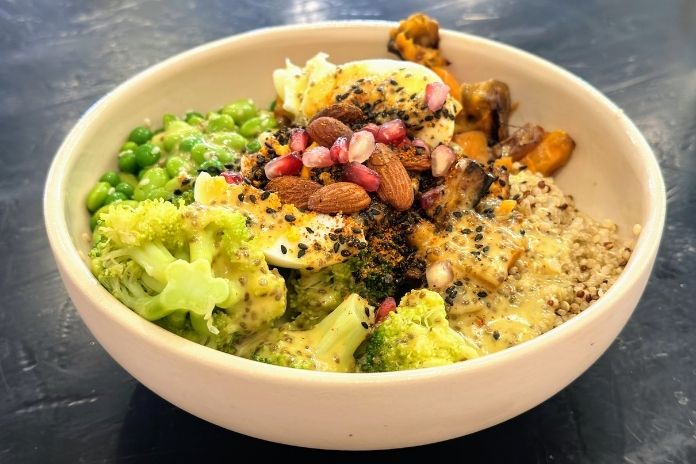
The luteal phase is when the menstrual cycle and food cravings are evident. Progesterone increases resting metabolic rate and body temperature, indicating the body really needs more energy. Meanwhile, insulin sensitivity decreases, and blood sugar swings become more likely.
This combination explains why cravings for carbohydrates and comfort foods often intensify. These are physiological signals, and not that your willpower has failed.
The most effective luteal phase diet is less about restriction and more about blood sugar stabilization.
Strategies involve:
- Eating protein at every meal will slow digestion down and reduce cravings.
- Including complex carbohydrates to help support serotonin and mood.
- Incorporate magnesium and calcium-rich foods to reduce PMS symptoms and cramps.
Undereating during this phase often worsens fatigue and irritability. It can also promote binge-eating.
Read More: Menstrual Syncing with Workouts: Does It Boost Performance?
Do You Really Need to “Cycle Sync” Your Diet?
While cycle syncing has gained popularity online, science does not support rigid phase-specific food rules. The research supports adjusting intake based on physiological needs, especially during the luteal and menstrual phases.
Cycle-based eating may be helpful if you experience:
- Severe PMS.
- Large shifts in appetite or energy.
- Digestive symptoms fluctuate across the cycle.
However, if tracking phases increases stress or food fixation, a generalized balanced diet might be better.
Common Myths About Eating by Menstrual Cycle
Several misconceptions about menstrual cycle nutrition add to undue stress.
- ‘You need totally different diets each week.’
Core nutrition principles remain the same; only the focus shifts.
- ‘Cravings mean poor discipline.’
Cravings more often indicate greater energy requirements and blood sugar imbalances.
- ‘Avoid carbs just before your period.’
Complex carbohydrates can help lower PMS symptoms and even improve mood.
Understanding the hormonal balance and role of nutrition helps reframe these myths.
Practical Tips: Eating Well Throughout Your Cycle

Instead of constantly switching foods, focus on an adaptable structure:
- Reduce portion sizes, particularly in the luteal phase.
- Plan meals with protein, fiber, and healthy fats.
- Track symptoms for personal patterns.
- Combine nutrition with sleep, stress management, and the right movement.
This approach keeps eating for menstrual cycle health sustainable and realistic.
When Diet Changes May Signal a Health Issue
Consult a healthcare professional if you experience severe PMS or premenstrual dysphoric disorder (PMDD), irregular or missed periods, or extreme fatigue and cravings. These may be symptoms of hormonal imbalances, thyroid issues, or metabolic disorders that need to be addressed promptly.
Read More: What Does Your Menstrual Cycle Say About Your Health? 12 Interesting Facts!
Final Takeaway
Changes in hormone levels within the menstrual cycle can have an impact on appetite, metabolism, inflammation, and nutrient needs. Menstrual cycle nutrition works best when flexible, responsive, and anchored in physiology, not trends.
Small and mindful changes can enhance comfort, decrease PMS symptoms, and promote regularity. The best way to eat for your health and well-being during your menstrual cycle is the way that bends to your body, not the other way around.
References
- Pfender, E., Wanzer, C., Mikkers, L., & Bleakley, A. (2025). Sync or swim: Navigating the tides of menstrual cycle messaging on TikTok. Perspectives on Sexual and Reproductive Health, 57(2), 127–132 PubMed
- Rogan, M. M., & Black, K. E. (2022). Dietary energy intake across the menstrual cycle: A narrative review. Nutrition Reviews, 81(7), 869–886 PMC
- Repromed. (2024, June). How to treat your body during your luteal phase
- Mega We Care. (2023, July 2). Eat during ovulation phase. Mega We Care
- Commers, T. (2025). What does ovulation feel like? Julie Care
In this Article