







You know that moment when you take a bite of something and immediately think… this might’ve been a bad idea? Maybe the chicken looked a little too pink, the eggs were still glossy, or the salad felt like it skipped the rinse. A few hours later, your stomach starts twisting, and you’re trying to figure out if it’s nothing or the start of something real.
Most foodborne bugs pass with rest and hydration, but Salmonella is one of the troublemakers that can hit harder, linger longer, and cause complications in people who are more vulnerable. Understanding how it spreads, what it does in the body, and which symptoms actually matter can help you tell the difference between a rough day and a problem that needs medical attention.
This guide walks you through all of that, from how Salmonella sneaks into everyday foods to what warning signs shouldn’t be ignored, grounded in current, trustworthy research, so you’re not guessing your way through it.
Key Takeaways: What You’ll Learn
- How Salmonella is commonly transmitted and the foods and animals most often involved.
- Which symptoms are typical, and how the illness usually progresses.
- Clear, practical red flags for when to call a doctor or go to the ER.
- What recovery looks like, how long people may shed bacteria, and basic prevention steps.
What is Salmonella? And how do you get it?
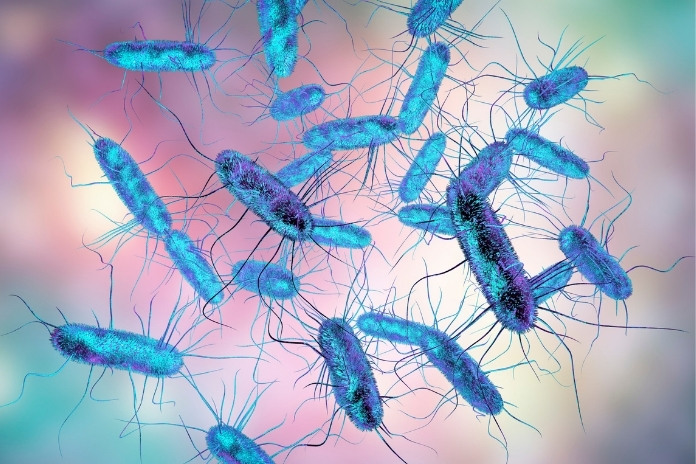
Salmonella is a family of bacteria, and the ones we usually worry about are the non-typhoidal strains, which cause most foodborne stomach infections worldwide. They’re common in the environment and in the intestines of many animals, which is why they slip into our food supply more easily than people realize.
You typically get infected by eating or drinking something contaminated. Undercooked chicken is the classic culprit, but eggs, pork, beef, unpasteurized milk or juice, and raw produce can carry it, too. Even foods that seem harmless, like ready-to-eat items, can pick up Salmonella if they’re handled with poor hygiene or sit out at the wrong temperature.
The bacteria multiply quickly in warm, unrefrigerated food, so a clean kitchen and proper storage are very important. It’s not only food. Direct contact with certain animals, especially reptiles, young chicks, backyard poultry, and some household pets, can transfer the bacteria to your hands, and from there to your mouth.
Once Salmonella reaches your gut, it settles in, multiplies, and triggers the symptoms we associate with a stomach infection.
How Salmonella Actually Behaves Inside the Body
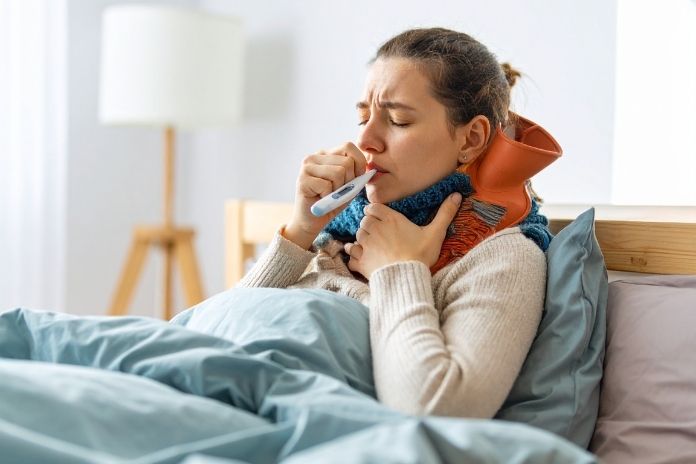
Salmonella isn’t just a name on a warning label; it’s a clever little bacterium that knows how to survive in a hostile environment, your stomach. The first challenge it faces is stomach acid, which kills many microbes. Non-typhoidal Salmonella, however, can withstand this acidic barrier long enough to reach the intestines, where it finds a much more hospitable environment.
Once inside the gut, Salmonella targets the intestinal lining, invading cells and setting off the body’s defense system. This invasion triggers inflammation, which is why you feel the sharp abdominal cramps and notice loose stools or diarrhea. Diarrhea isn’t just inconvenient; it’s your body’s way of trying to flush the bacteria out.
Meanwhile, your immune system releases signaling molecules called cytokines. These molecules are responsible for fever, chills, and general malaise. Muscle aches and headaches often follow, part of the systemic response to the infection.
Why dehydration becomes a major concern: the watery diarrhea and occasional vomiting lead to significant fluid and electrolyte loss. For young children, older adults, and anyone with weakened immunity, even a short period of dehydration can escalate into a serious problem.
Key points to remember:
- Salmonella survives stomach acid and colonizes the intestines.
- Invasion of intestinal cells triggers inflammation, cramps, and diarrhea.
- Immune signaling produces fever, fatigue, and muscle aches.
- Fluid loss from diarrhea and vomiting is the main immediate risk.
Understanding this pathophysiology explains why staying hydrated is your first defense, why symptoms appear so quickly, and why some people get sicker than others. It also underscores why treatment focuses on supportive care unless complications arise.
Symptoms of Salmonella Infection
According to Brian Coombes, PhD, Chair of the Department of Biochemistry and Biomedical Sciences at McMaster University, “Handling raw food, especially meat products, is perhaps the greatest risk for Salmonella infection.” He explains that most people underestimate how easily bacteria transfer from raw meat to hands, utensils, and kitchen surfaces.
Coombes further points out that contamination often goes unnoticed because Salmonella doesn’t change the look or smell of food. His message is simple: everyday cooking habits, not rare events, are the biggest drivers of preventable infections.
Salmonella usually hits the gut fast. The most common symptoms revolve around stomach discomfort, loose stools, and a noticeable dip in overall energy. The inflammation happening inside the intestines drives everything you feel, especially the diarrhea, which is your body’s way of pushing the infection out. Because of that fluid loss, dehydration becomes the biggest short-term risk.
Key symptoms to watch for:
- Stomach cramps and abdominal pain
- Watery diarrhea (sometimes bloody)
- Fever and chills
- Nausea or vomiting
- Headache, fatigue, or muscle aches
While most healthy adults deal with a self-limiting illness, certain groups face a tougher road. Young children, older adults, pregnant individuals, and people with weakened immune systems are more likely to experience severe dehydration or have the infection spread beyond the gut. How sick someone gets can also depend on the strain involved and the amount of bacteria they were exposed to.
What raises the risk of severe illness:
- Age (infants and older adults)
- Pregnancy
- Chronic illness or weakened immunity
- Larger infectious dose
- More virulent Salmonella strains
- Rising antimicrobial resistance has been highlighted in recent reviews
According to the CDC, people typically start developing Salmonella symptoms within a few hours to a few days after exposure, but the severity varies widely. Healthy adults usually recover on their own, yet children, older adults, and those with weak immune systems can face serious complications. The CDC highlights that dehydration from diarrhea is one of the main dangers. They urge people to seek care early if symptoms escalate.
Timeline: When Symptoms Appear and How Long They Last

| Stage | What happens | Typical timing |
|---|---|---|
| Incubation (after exposure, before symptoms) | Bacteria multiply in the gut | 6–72 hours (most often 12–36 hours). |
| Active illness | Cramps, diarrhea, fever, and sometimes vomiting | 4–7 days in most people; can be shorter or longer. |
| Recovery/convalescence | Symptoms resolve; energy may return slowly | Symptoms usually resolve within a week, though fatigue can persist. |
| Post-infection fecal shedding | The gut may continue to excrete bacteria after symptoms stop | According to a 2025 study on non-typhoidal Salmonella (NTS), shedding, shedding of the bacteria in human stool may continue for weeks or even months; the median duration of excretion after infection was around five weeks, and children under 5 years showed a longer period of shedding, with a median of about seven weeks. |
Bottom line: If you start getting cramps and diarrhea within a day or two of a risky meal, Salmonella is a plausible cause, and most uncomplicated cases resolve within a week with supportive care.
Common Myths and Mistakes That Make Salmonella More Likely
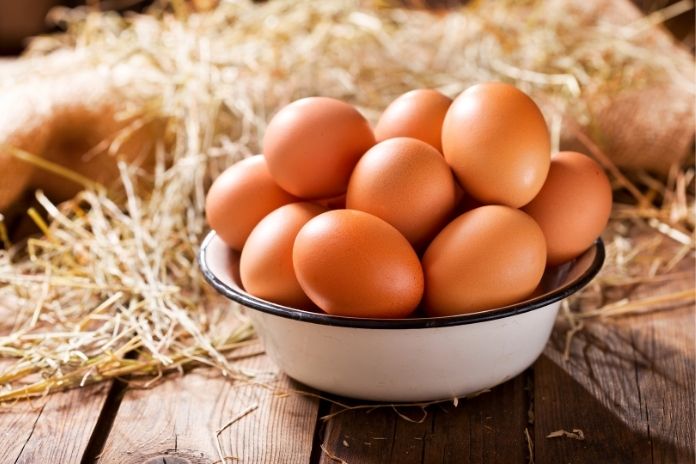
Even with the best intentions, small kitchen mistakes can increase the risk of Salmonella infections. Many of these stem from myths or assumptions about what’s “safe.”
Common errors include:
- “If it smells fine, it’s safe.” Salmonella has no noticeable smell or taste, so relying on your nose can be dangerous.
- Rinse raw chicken under the tap. This spreads bacteria across counters, sinks, and utensils rather than eliminating them.
- Leaving cooked food out for hours. Even if it “looks okay,” bacteria can multiply quickly in the temperature danger zone (40–140°F / 4–60°C).
- Using the same cutting board for raw meat and vegetables. Cross-contamination is a leading cause of foodborne illness.
- Assuming plant-based meals are automatically safe. Contaminated produce, unwashed greens, or juices can still harbor Salmonella.
Other practical considerations: storing eggs or dairy incorrectly, not washing hands after handling pets (especially reptiles or chicks), and inadequate hand hygiene during meal prep.
Tips to avoid mistakes:
- Keep separate cutting boards for meat and vegetables.
- Cook foods to safe internal temperatures.
- Wash your hands frequently, especially after handling raw ingredients or animals.
- Refrigerate perishable foods promptly.
Being aware of these myths and habits can dramatically reduce your risk of infection, making prevention both simple and effective.
Treatment and Home Care
Most Salmonella infections improve on their own, but supportive care can make a big difference in comfort and recovery. The focus is on staying hydrated, managing symptoms, and knowing when medical intervention is necessary. In severe cases or for high-risk individuals, professional treatment may be required to prevent complications.
- Fluids first. Oral rehydration is the foundation of care. For people with significant fluid loss (children and older adults), use oral rehydration solutions (ORS), such as Pedialyte or WHO/UNICEF ORS. Regular water alone may not adequately replace electrolytes.
- Avoid routine antibiotics in uncomplicated cases. For otherwise healthy people with uncomplicated gastroenteritis, antibiotics do not speed recovery and can increase the chance of prolonged carriage or select for resistant strains.
Antibiotics are reserved for severe disease or high-risk patients (infants, immune suppression, signs of invasive infection). Current clinical guidance recommends targeted antibiotic use after clinical assessment and, when available, culture results.
- Antidiarrheal medicines: Agents like loperamide (Imodium) can reduce stool frequency but should be used cautiously, especially in people with bloody diarrhea or high fever, because slowing gut transit can theoretically worsen invasive disease. Seek medical advice before using them, especially in children.
- Hospital care: IV fluids, close monitoring, and IV antibiotics when infection is invasive, or the patient can’t tolerate oral fluids.
Read More: Stomach Upset Remedies: How to Feel Better
When to See a Doctor: Clear Red Flags
Seek immediate medical care (or call your doctor) if you have any of the following:
- High fever (above 102°F / 38.9°C).
- Diarrhea lasting more than 3 days or diarrhea with blood or mucus.
- Inability to keep fluids down (vomiting so severe you can’t hydrate).
- Signs of dehydration: very dark urine or very little urine, dry mouth, dizziness/lightheadedness, decreased alertness. (Children can dehydrate very rapidly.)
- Severe abdominal pain, confusion, fainting, or weakness.
- High-risk individuals (infants, older adults, pregnant people, immunocompromised individuals): seek evaluation early, even for milder symptoms.
If symptoms suggest the infection has spread beyond the gut (high fevers, severe weakness, rapid heart rate, low blood pressure), go to the ER. Invasive Salmonella requires prompt treatment.
Recovery, Shedding, and Returning to Normal
Most people bounce back from Salmonella within about a week, even without antibiotics, though your body might take a bit longer to regain full strength. It’s normal for your appetite, stamina, and gut rhythm to feel off for several days after the main symptoms settle. Hydration, rest, and gradually reintroducing gentle foods usually help things fall back into place.
What many people don’t realize is that recovery doesn’t mean the bacteria vanish instantly. You can continue shedding Salmonella in your stool for weeks after you feel fine, and in young children, older adults, or anyone with a weakened immune system, shedding can last even longer.
This is why washing your hands after using the bathroom or changing diapers remains non-negotiable during the recovery period. Returning to school, work, or childcare depends on local public-health rules.
In most jobs, you can go back once your diarrhea stops and you feel well. But if you handle food, work in healthcare, or care for young children, you may need medical clearance or even a negative stool test before returning. These policies exist to prevent silent spread, since people often look healthy long before they stop shedding the bacteria.
Prevention: the practical stuff that works
USDA Under Secretary Sandra Eskin, Chief Executive Officer, Stop Foodborne Illness, said in a press release that Salmonella in poultry is a complex problem with no single solution. “However, we have identified a series of strategic actions FSIS could take that are likely to drive down Salmonella infections linked to poultry product consumption, and we are presenting those in this proposed framework,” she said.
The simplest habits make the most significant difference. Salmonella doesn’t survive proper heat, so thorough cooking is your strongest line of defense. Poultry, eggs, pork, and ground meats should reach safe internal temperatures, not just look “done.” Skip raw or undercooked eggs and avoid unpasteurized milk or juices, which can carry the bacteria straight to your gut.
Keeping food at the right temperature also matters. Refrigerate leftovers within two hours and don’t let perishable items sit in the “danger zone” between 40–140°F (4–60°C), where bacteria multiply quickly. Clean separation is another essential step: keep raw meat and ready-to-eat foods apart and use different cutting boards or utensils so juices don’t spread onto salads, fruit, or breads.
According to public-health experts interviewed by National Geographic, the most powerful way to stop Salmonella isn’t complicated: wash your hands, cook food thoroughly, and clean produce properly. They stress that people often underestimate how quickly bacteria transfer from surface to surface. Even a brief contact between raw chicken and another ingredient can trigger a chain of contamination. Consistent hygiene habits break that chain before it reaches your plate.
Read More: How Can You Prevent Food Poisoning?
How to Rebuild Your Gut After a Salmonella Infection
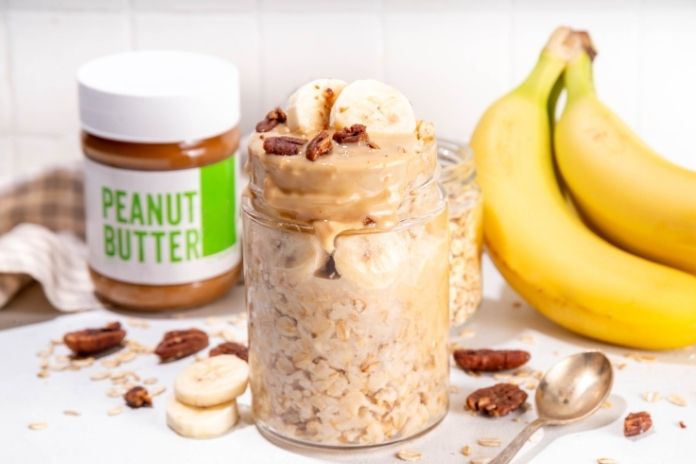
Salmonella infection doesn’t just pass; it temporarily disrupts the delicate balance of your gut microbiome. This disruption is why your digestion, appetite, and stool consistency may feel off for days or weeks. Supporting gut recovery can help you regain energy and prevent lingering discomfort.
Gentle foods are key in the early days:
- Bland, easy-to-digest options: rice, oatmeal, bananas, applesauce, plain toast.
- Hydration and electrolytes: oral rehydration solutions or broths to restore fluid and salt balance.
As tolerance improves, slowly reintroduce:
- Fiber-rich foods such as vegetables and legumes, gradually, to avoid bloating.
- Healthy fats, including olive oil and avocado, support nutrient absorption.
- Dairy products, if tolerated, may initially irritate sensitive guts.
Probiotics can sometimes help, but evidence varies. Fermented foods like yogurt or kefir may aid microbiome restoration, especially after diarrhea, but they should complement, not replace, a balanced diet.
Signs your gut hasn’t fully recovered include persistent loose stools, abdominal cramping, bloating, or fatigue after regular meals. If these symptoms linger beyond a couple of weeks, a healthcare professional can check for secondary infections or other gut issues.
Key takeaways:
- Start with bland, easily digested foods.
- Reintroduce fiber, fats, and dairy slowly.
- Probiotics may support recovery, but are not essential for everyone.
- Watch for ongoing symptoms that indicate incomplete gut healing.
Rebuilding your gut is gradual. With patience, hydration, and mindful eating, most people regain normal digestion and appetite within a couple of weeks.
Read More: 18 Healthy Fats To Eat For A Healthier Well-Being
Quick Recap
Salmonella can hit fast, usually bringing diarrhea, stomach cramps, and fever within a few hours to a couple of days after exposure. For most people, it’s an unpleasant but self-limited infection that settles within a week with fluids, rest, and a bit of patience.
What really matters is watching how things progress. If the fever climbs, the diarrhea turns bloody, you can’t keep fluids down, or you belong to a higher-risk group like young children, older adults, pregnant people, or anyone with a weakened immune system, you shouldn’t try to wait it out at home.
Here’s the thing: Salmonella isn’t always severe, but it can escalate if the body can’t stay hydrated or if the bacteria move beyond the gut. Getting timely medical care can prevent dehydration, complications, and prolonged illness. And once you recover, staying careful for a while pays off, because people can shed the bacteria in their stool even after they feel better.
Cook poultry and eggs thoroughly, avoid cross-contamination in the kitchen, refrigerate food promptly, and wash your hands after handling animals or raw ingredients. When these habits become routine, you dramatically cut your risk and keep Salmonella from spreading in your home.
FAQs
How long does Salmonella last without treatment?
Most mild infections run their course in about four to seven days, even without antibiotics. The body usually handles the bacteria on its own as long as you stay hydrated. Symptoms often peak in the first few days and gradually settle. Antibiotics are saved for severe cases or high-risk patients because they don’t shorten illness in mild disease.
Can you spread Salmonella after you feel better?
Yes. Even when your stomach feels normal again, the bacteria can still be shed in your stool for weeks. That means you can unknowingly pass it to others if your hand hygiene slips. Washing hands well after using the bathroom and before food prep is essential, especially if you live with young kids or older adults.
What foods most often cause Salmonella?
Poultry and eggs are the biggest offenders because they’re common carriers and often undercooked. Other meats, unpasteurized milk or juice, and raw fruits and vegetables have all been linked to outbreaks. Ready-to-eat foods can also become contaminated if they’re handled poorly or left at unsafe temperatures.
How is Salmonella different from E. coli infection?
Both can trigger stomach cramps, diarrhea, and nausea, but their timelines and risks aren’t identical. Many E. coli strains, especially STEC, take longer to show symptoms and can lead to complications like hemolytic-uremic syndrome in a small number of cases. Salmonella usually hits sooner, within hours to two days, and rarely causes HUS. Because management differs, stool testing helps clinicians target treatment.
Can pets transmit Salmonella?
Absolutely. Reptiles, amphibians, young chicks, and even some household pets can carry the bacteria without looking sick. After touching them, their habitats, or their food, the bacteria can transfer to your hands and eventually to your mouth. Handwashing after handling animals is your best protection.
Does washing eggs or chicken remove Salmonella?
Not effectively. Rinsing raw chicken can actually spread bacteria around your sink and counters. Eggs vary by country because washing practices differ, but washing them at home doesn’t reliably remove Salmonella either. Cooking food to the right internal temperature is the only sure way to eliminate the bacteria.
References
- Cleveland Clinic. (n.d.). Salmonella: Causes, symptoms & treatment. Cleveland Clinic.
- Mayo Clinic. (2023). Salmonella infection: Symptoms and causes. Mayo Foundation for Medical Education and Research.
- Minnesota Department of Health. (2024). Salmonellosis basics.
- National Center for Biotechnology Information. (2015). Salmonella (NCBI Bookshelf). In Encyclopedia of Food Microbiology (2nd ed.).
- FoodSafety.gov. (2024). Salmonella and food.
- Centers for Disease Control and Prevention. (2024). How salmonella spreads. U.S. Department of Health and Human Services.
- Johns Hopkins Medicine. (2024). Salmonella infections.
- U.S. Food and Drug Administration. (2023). Salmonella (salmonellosis).
- KidsHealth. (2024). Salmonellosis in children. Nemours Children’s Health.
- Harvard Health Publishing. (2024). Salmonella is sneaky — watch out. Harvard Medical School.
- MSD Manuals. (2024). Salmonella infections.
- Centers for Disease Control and Prevention. (2024). Salmonella infection: Treatment. U.S. Department of Health and Human Services.
- SA Health. (2023). Salmonella infection: Symptoms, treatment and prevention. Government of South Australia.
- Medscape. (2024). Salmonella infection treatment & management.
- Metropolis Healthcare. (2024). Salmonella: Symptoms, diagnosis, treatment & prevention.
In this Article