













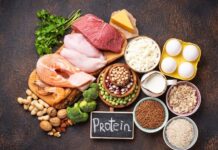

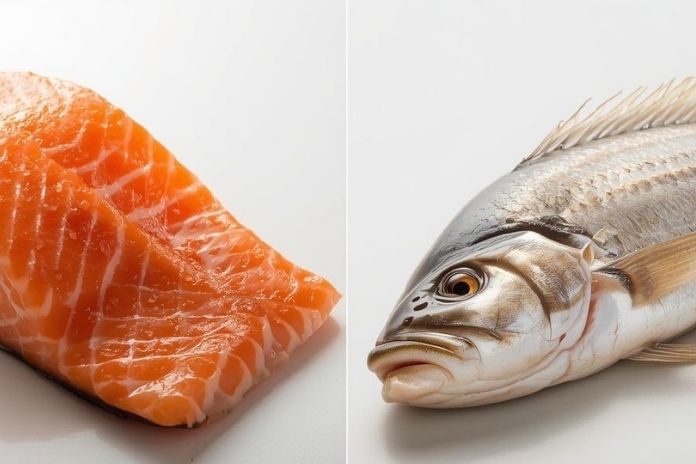
A natural whole food, fish is loaded with nutrients and particularly beneficial for expectant and nursing mothers; salmon and tilapia are two of the most popular fish in the United States and worldwide. Both are rich sources of protein with a mild taste and make easy additions to healthy meal plans.
They might look like equally healthy choices to you at first glance, but their nutrition profiles and effects on health are more different than you’d expect. And while each has something to contribute, they also affect your heart differently, depending on fat composition, vitamin and mineral content, and, in some cases, even how they are raised or caught.
To help readers make informed dietary choices, this article explores the key nutritional differences between salmon and tilapia, guiding you toward the option that best fits your health goals and lifestyle.
Read More: Can You Eat Raw Salmon? Safety, Risks, and How to Enjoy It Safely
Salmon vs. Tilapia — A Quick Health Comparison
Salmon and tilapia offer several health benefits, including boosting brain function, supporting wound healing, aiding weight management, and supporting heart health. Learn more about the health benefits of eating these fish types.
Heart Health: Both salmon and tilapia are suitable for your heart. They’re full of lean protein that can help keep heart disease at bay. Both are also rich in omega-3s, which studies show lower blood triglyceride levels, increase “good cholesterol,” and reduce inflammation.
In addition to those benefits, omega-3 fatty acids may also reduce the risk of irregular heartbeats and sudden cardiac death.
Brain Health: Both salmon and tilapia are good sources of omega-3 fatty acids, nutrients essential for brain health. Omega-3 fatty acids are critical for the growth and maintenance of brain tissue, which promotes cognition and memory.
Regular intake of fish, such as salmon and tilapia, lowers the risk of dementia and age-associated disorders, including reduced cognitive function, Alzheimer’s disease, and other conditions.
Weight Management: Since weight management is an essential aspect of overall health, tilapia and salmon can fit well with your goals, as they are high in protein and low in calories. Protein can help you feel full longer, so you may eat less and lose or maintain weight.
Furthermore, both fish provide omega-3 fatty acids, which help reduce body fat storage and improve metabolism.
Wound Healing: Both salmon and tilapia can promote wound healing. The high protein content of both varieties of fish can assist the body’s tissue repair process. In contrast, the omega-3 fatty acids that these fish contain can also have anti-inflammatory properties that may reduce inflammation around wounds and speed healing.
Zinc and vitamin C, which also promote healthy skin turnover, are found in salmon and tilapia.
Nutritional Differences That Affect Health
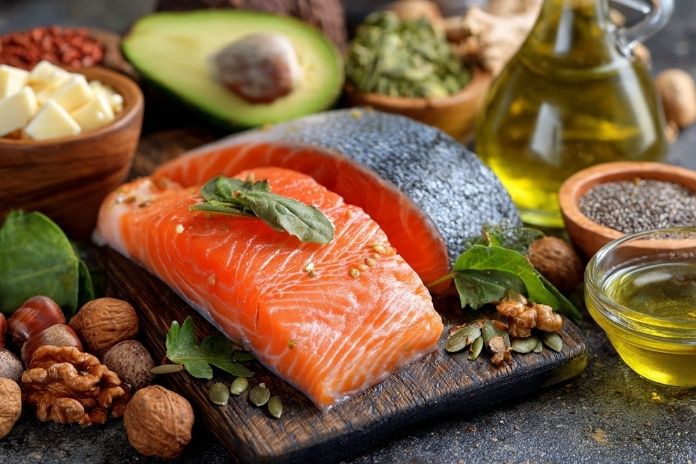
When comparing the nutritional value of salmon and tilapia, consider their calorie content, macronutrient composition, vitamins, minerals, and omega-3 fatty acids.
Calories: Although both salmon and tilapia are excellent sources of lean protein, their calorie content differs. Tilapia has fewer calories in an average serving of raw fish than an equal amount of salmon. It can be crucial information if you are diet-conscious.
For example, 100 g of tilapia has 96 calories, and the same amount of salmon can add 206 calories to your diet. The higher fat content in salmon provides vital energy and assists with vitamin absorption, which helps the calorie count.
Macronutrients (Fats, Proteins, and Carbohydrates): Your body needs these three core macronutrients to function correctly and produce energy. Carbohydrates, like rice, bread, and pasta, give you the burst of energy you need.
Proteins, which meat, fish, beans, and nuts provide in abundance, support the growth and repair of structures like muscles. Foods like avocados, oils, nuts, and seeds provide the fats necessary for hormone production and cell function.
Minerals and Vitamins: Salmon and tilapia are both good sources of key minerals and vitamins for health. Tilapia not only contains vitamin B12 to help fuel the brain and support red blood cells production, it also comprises minerals such as potassium, phosphorus, and selenium, which support healthy bones, energy, and muscles.
On the other hand, salmon is rich in omega-3 fatty acids, vitamin D, and B vitamins, especially riboflavin and niacin.
Omega-3 Fatty Acids: These necessary fats are essential to overall health and well-being. They’ve been linked to numerous health benefits, including decreasing inflammation, improving heart health, and boosting brain function.
Tilapia and salmon are both high in omega-3 fatty acids, though these heart-healthy fats are higher in salmon. By improving cognitive function, this group of good fats helps maintain brain health, thereby reducing the long-term risk of disorders such as cardiovascular disease.
Read More: Savory Heart-Healthy Salmon Salad: A Nutritious Omega-3 Boost
Health Benefits of Each Fish
Why Salmon Is Considered a Heart-Healthy Fish
Salmon is a very good source of protein, vitamins, and minerals, just like other fish. However, it also offers some particular advantages.
“Salmon is great for your heart, mental health, and muscle mass,” says Julia Zumpano, RD, LD. “Eating it just a couple times a week can help support an active lifestyle and a healthy weight.”
Let’s examine each of salmon’s health advantages in more detail:
Enhances Heart Health: Omega-3 fatty acids in salmon may lower blood pressure, triglycerides, and “bad” cholesterol, making it heart-healthy.
Boosts Brain Function: Even a small piece of salmon will improve your “cognitive function,” which is your ability to think and remember things.
With greater intake of omega-3 fatty acids, research suggests that the hippocampus, the part of the brain involved in learning and memory, may become stronger.
Enhances Mental Health: The U.S. Food and Drug Administration (FDA) recommends eating 2 meals of fish per week. However, studies indicate that eating even one dish of salmon per week is linked to a decreased incidence of depression, particularly in women.
Reduces Cancer Risk: You cannot prevent cancer with a single diet. However, research indicates that eating more salmon minimizes a person’s risk of developing colorectal cancer.
Promotes Strong Bones: One meal of salmon provides more than half of the daily required amount of vitamin D. However, it doesn’t directly affect bone health; vitamin D helps your bones absorb calcium.
How Tilapia Supports a Balanced Diet
Native to Africa and the Middle East, tilapia is a white-fleshed, freshwater fish with a mild taste. Today, it is one of the most farmed fish in the world due to its hardiness and rapid growth. Tilapia should be a go-to in the kitchen for frying, grilling, steaming, and baking, thanks to its flaky texture and sweet flavor.
High-Quality Protein: Tilapia is loaded with all nine essential amino acids and supports muscle growth.
Heart Health: As tilapia is a decent source of omega-3 fatty acid, it may help reduce your risk of heart disease and inflammation.
Brain Function: Vitamin B12 and omega-3 fatty acids support brain function and may help prevent the age-related decline.
Immune Support: The antioxidant selenium in tilapia helps protect cells and supports healthy immune system function.
Bone Health: Due to its high level of phosphorus and vitamin D, tilapia offers many benefits for promoting bone and tooth strength.
Anemia Prevention: The vitamin B12 in tilapia is very essential for producing red blood cells and helps protect against anemia.
Potential Health Risks and Safety Concerns

Health Risks of Salmon: As you probably know, salmon is an excellent source of protein and omega-3 fatty acids, which help reduce inflammation and protect the heart.
However, industrial farming, parasitic diseases, and various environmental contaminants and toxins can also make salmon consumption somewhat unsafe.
Mercury and Heavy Metals: Mercury concentrations in salmon vary by habitat, but they affect both the wild and farmed fish populations. Mercury exposure harms the brain and nervous system tissues and poses a higher risk to youngsters and pregnant women.
Risks from Bacteria and Parasites: Anisakis parasites, which are present in raw or undercooked salmon, cause anisakiasis, which leads to nausea and stomach issues in those who consume contaminated fish.
Compared to salmon raised in aquaculture, wild salmon have more parasites, and smoked and raw salmon harbor the bacterium Listeria, which causes foodborne infections in people.
Health Risks of Tilapia: Naturally bred tilapia is usually safe to eat. As said, tilapia eat toxins as they clean their habitats. Their body may absorb some contaminants during this process. Farm-raised tilapia has significant risks despite its benefits. Unsafe and dirty conditions cause health issues.
Increases the Risk of Inflammation: Consuming farmed tilapia raises the risk of physical inflammation. It can cause arthritis, heart disease, and weight gain. Tilapia has more omega-6 than omega-3. The ratio is 11:1. Excess omega-6 fatty acids increase the risk of inflammatory diseases. It causes asthma, arthritis, heart attack, and stroke.
Arsenic and Mercury Poisoning: Taiwanese tilapia contains arsenic, according to scientists. This metallogeny causes cancer. Therefore, persistent arsenic exposure causes bladder and lung cancer. Water contamination, which is a significant concern, results in many of the fish, including tilapia, accumulating arsenic in their tissues.
Cancer Risk: Farm-raised fish are often contaminated with heavy metals, which can harm people. Consuming too much of these fish may cause cancer and DNA mutation. Many sources say that Chinese farm-raised tilapia are given duck, pig, and chicken feces. Eating such fish increases cancer risk by 10 times compared to wild tilapia.
Read More: Drugs to Avoid with Shellfish Allergy: What’s Safe and What’s Not
Healthier Ways to Cook and Serve Each Fish
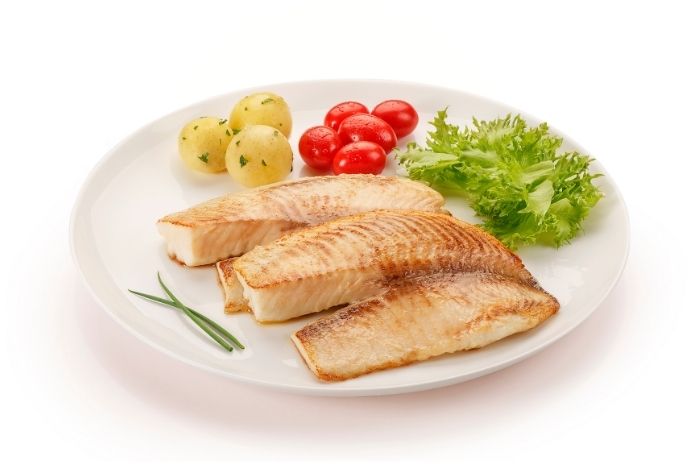
You can prepare both salmon and tilapia in many ways. Here are some standard methods:
Grilling: Salmon and tilapia can be grilled well. The crispy skins and smokiness imparted by this method can enhance the fish’s flavor.
Baking: Baking salmon and tilapia is a relatively simple method of oven cooking. This method helps the fish retain moisture, and you can enhance its flavor by adding seasonings or marinades.
Pan-frying: This easy method keeps the inside of the fish flaky and delicate while giving it a firm, golden crust on the outside.
Broiling: It is the direct application of high heat to the fish, leaving the surface a little browned and the inside moist.
Steaming: an ancient method of cooking using steam under pressure. Steamed salmon or tilapia have retained their aroma and nutrients through this technique.
Poaching: To produce soft, moist fillets, poaching involves slowly cooking fish in a flavorful liquid, such as wine or broth.
Conclusion
Ultimately, the choice of tilapia vs. salmon comes down to your individual dietary needs, preferences, and health goals. Salmon is a nutrient-dense food that contains a large amount of omega-3 fatty acids and offers anti-inflammatory benefits, providing fantastic support for heart, brain, and joint health. If you’re conscious about your heart health or energy levels, salmon might be the fish for you.
In contrast, tilapia also provides a high-protein, lean alternative that supports easy digestion, weight management, and daily meal planning. Including either fish variant in a balanced diet can improve nutrition, regardless of your preference for tilapia’s mild taste or salmon’s rich flavor.
References
- Jack, Yacoubian. (2023, January 20). Tilapia vs. fish — Health impact and nutrition comparison.
- Yanghua Fishery. (2025, June 26). Tilapia vs. salmon: Which fish is truly better for your business?
- Ame Proietti, RD, LDN. (2023, August 1). Comparing the health benefits of tilapia and salmon.
- Cleveland Clinic. (2025, June 24). 6 Reasons Why Salmon Is So Good for You.
- American Heart Association. (2024, August 23). Fish and omega-3 fatty acids.
- Global Meals. (2015, October 21). Adding tilapia to your diet.
- Teoh, S., Pant, J., Gomes, S., De Jesus, L., & Thilsted, S. (Aug 2020). Put Tilapia On Your Plate And You’ll Stay Healthy!
- Bob, Whitley. (2023, May 23). Tilapia: Important facts, health benefits, and recipes.
- Jillian Kubala. (Updated on August 18, 2025). 3 Health Benefits of Tilapia.
- Rachael Link, MS, RD. (2023, October 25). Is tilapia safe to eat? Nutrition facts, potential benefits & precautions.
- TOI Lifestyle Desk. (2025, December 2). Love salmon? Know the hidden health risks and how to consume safely.
In this Article