












Quinoa and couscous are frequently at the forefront of discussions about selecting nutritious grains. Both are easy to prepare, versatile, and commonly used as satisfying side dishes or in salads and grain bowls.
Many people use quinoa and couscous as substitutes for pasta and rice, leading to considerable confusion since they share similar characteristics. However, they differ significantly in terms of their nutritional content and health benefits.
While both are nutrient-dense foods with numerous health advantages, quinoa is suitable for anyone following a gluten-free diet, whereas couscous contains gluten and is therefore not appropriate for everyone.
To help you select the best option for your plate, we’ll break down the key nutritional information and health benefits of each in this article.
Read More: Diabetes-Friendly Quinoa and Vegetable Stir-Fry: A Low-GI Delight
What Is Quinoa?
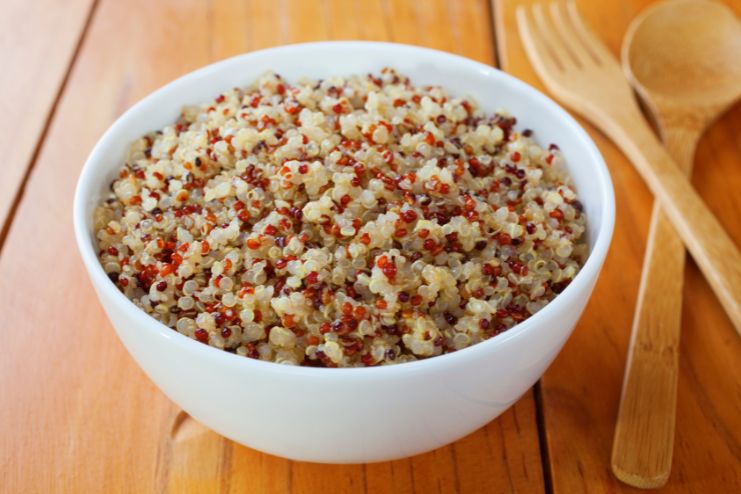
Quinoa has surged in popularity in recent years and is widely recognized as a “superfood” thanks to its exceptional nutrient content. However, this superfood is actually one of the world’s oldest food sources.
Quinoa, a member of the amaranth family, has been traditionally cultivated in the Andean regions of Peru, Bolivia, Ecuador, and Colombia for its flavorful, starchy seeds. It’s categorized as a pseudo-cereal and is not considered an actual grain.
Quinoa comes in three primary varieties: white, red, and black. All are native to South America, specifically the Andes. Due to variations in plant species and nutritional composition, quinoa is not classified as a traditional cereal grain.
What makes quinoa unique among plant foods is its complete protein profile. Unlike most plant-based foods, quinoa contains all nine essential amino acids, making it a complete protein. It’s the perfect food for those trying to eat healthier or with dietary restrictions because it’s gluten-free, rich in fiber, and packed with vitamins and minerals.
Quinoa is a delicious and versatile choice for anyone looking to increase their intake of whole grains, whether they’re vegetarian, health-conscious, or simply seeking variety in their diet.
What Is Couscous?
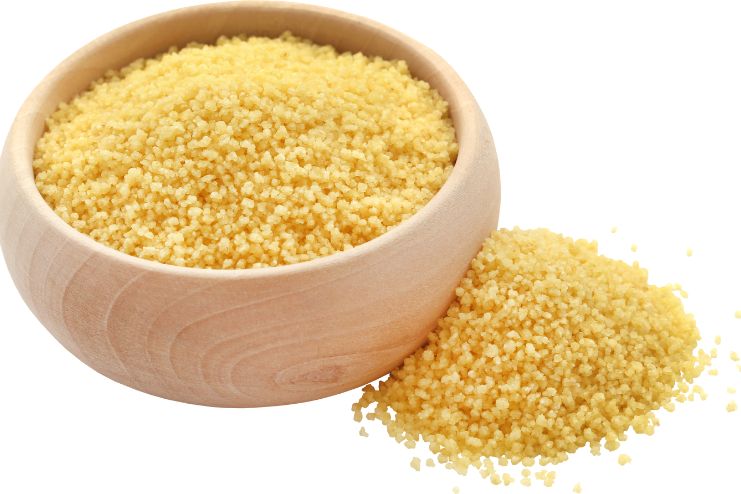
Couscous is a pasta that resembles rice grains but has a yellowish hue. Manufacturers typically package it dried, and people cook or steam it like rice. This pasta is a staple in North African countries, especially Morocco, Algeria, and Tunisia.
Couscous is made from semolina, which is produced by grinding durum wheat. Cooks prepare it by boiling or soaking the semolina before mixing it with meat, vegetables, or fruit. The result is small, round granules made from rolled semolina.
There are three main types of couscous: Moroccan couscous, which is the smallest; Israeli or pearl couscous, which is roughly the size of peppercorns; and Lebanese couscous, which is the largest.
Couscous is closely related to pasta, as both are made by grinding semolina and mixing it with water (and sometimes egg). However, couscous offers a few modest health advantages over traditional pasta. It retains less water and contains more nutrients per gram because it’s cooked by soaking rather than boiling. Additionally, couscous is less extensively processed compared to dried pasta, making it a preferable choice for those seeking healthier grain options.
According to Jenna Hope, a registered nutritionist, there are a few modest health advantages to using couscous instead of pasta. She explains that couscous retains less water and contains more nutrients per gram than pasta because it is cooked by soaking rather than boiling.
Additionally, as compared to dried pasta, couscous is “not extensively processed.” Because of this, “I would suggest eating couscous to people who wish to have one of either if they want to eat regularly over pasta.”
Read More: Arthritis-Friendly Quinoa Stuffed Bell Peppers: Ease & Flavor Combined
Health Benefits of Quinoa
The term “superfood” is well-deserved when it comes to quinoa. Here are the key reasons why quinoa is beneficial for your health:
Complete Protein: Quinoa is one of the few plant foods that contains all nine essential amino acids, making it an excellent protein choice for vegetarians, vegans, and those looking to reduce their consumption of animal products.
High in Fiber: Quinoa is an excellent source of fiber, which supports healthy digestion, helps regulate blood sugar, and may aid in weight loss by promoting satiety. Adults should consume 25 to 35 grams of fiber daily.
According to Beth Czerwony, registered dietitian, RD, LD, adults should consume an average of around 25 to 35 grams of fiber daily. “Replacing low-fiber foods such as white rice or refined grains with quinoa can support better gut health.”
Rich in Antioxidants: Quinoa contains flavonoids such as kaempferol and quercetin, which help counteract oxidative stress and reduce inflammation in the body.
Heart Health: The fiber and healthy fats (including omega-3s) in quinoa can help lower cholesterol, reducing the risk of heart disease.
Blood Sugar Control: Quinoa’s low glycemic index makes it an excellent choice for individuals with diabetes or those wanting to maintain stable energy levels throughout the day, preventing spikes in blood glucose.
Health Benefits of Couscous
A staple in Middle Eastern and Mediterranean cuisine, couscous offers several health benefits when consumed in moderation:
Rich Source of Selenium: Couscous is packed with vitamins and minerals, including selenium, which supports immune function. This vital mineral has antioxidant properties and plays a crucial role in thyroid hormone production and function.
Eye Health: Couscous contains vitamin A, an essential nutrient for maintaining healthy vision and preventing conditions like night blindness and dry eyes caused by vitamin A deficiency.
Plant-Based Protein: While couscous is an incomplete protein source, it still provides approximately 7 grams of protein per 100 grams (cooked weight), making it a valuable addition to plant-based diets.
Weight Management: Due to its fiber content, couscous can aid digestion and promote satiety, reducing hunger and overeating, which are key factors in weight management.
Quick and Convenient: Couscous is fast and easy to prepare, requiring only boiling water or stock poured over it to rehydrate. Most store-bought couscous has been pre-steamed before drying, making it ready to serve in minutes.
Cholesterol Management: The fiber in couscous may help reduce the liver’s production of cholesterol and decrease fat absorption in the intestine, potentially lowering triglyceride levels and LDL (bad) cholesterol.
Read More: Top 7 Healthy Snacks on the Go: Portable and Nutrient-Rich Foods and Snack Options
Weight Loss and Satiety: Which Is Better?

Both quinoa and couscous are tasty, versatile, and simple to prepare, offering several health benefits, including supporting heart health, boosting the immune system, and helping regulate blood sugar levels.
However, quinoa is the superior option if you want to increase protein intake, improve your overall nutritional intake, or follow a gluten-free diet. Its higher protein and fiber content provide better satiety, making you feel fuller for longer periods.
Conversely, couscous can be an excellent way to add variety to your meals if you’re looking to replace rice or pasta portions. It’s lower in calories, making it suitable for those focused on calorie restriction and quick meal preparation.
The best choice depends on your specific goals. Choose quinoa if you want long-lasting fullness or are following a high-fiber diet. Opt for couscous if you’re focused on calorie control and need quick meal solutions.
Which One Should You Choose? (By Diet Type)
For Gluten-Free Diets: Quinoa is naturally gluten-free, making it an excellent choice for individuals with celiac disease or gluten intolerance. Couscous contains gluten and is not suitable for those with gluten sensitivities.
For Diabetes Management: Quinoa has a very low glycemic index, meaning blood sugar levels rise more slowly after consumption. This makes it an excellent choice for individuals with diabetes who need to maintain stable blood sugar levels.
For Athletes and Active Lifestyles: Couscous, with its high carbohydrate content, provides quick-release energy, making it popular among athletes and people with high-intensity lifestyles.
For Quick Meals: Couscous is extremely easy to prepare and serves as a convenient, healthy side dish to pair with various proteins and vegetables.
For Overall Nutrition: Quinoa is rich in vitamins and minerals, making it a wholesome option for those trying to improve their overall diet quality.
Read More: 5 Healthy Breakfast Bowls to Kick-start Your Morning
Tasty Ways to Enjoy Quinoa and Couscous
Both quinoa and couscous are wonderful ingredients for creating delicious, healthy meals. Here are two easy recipes to try:
Easy Quinoa Salad
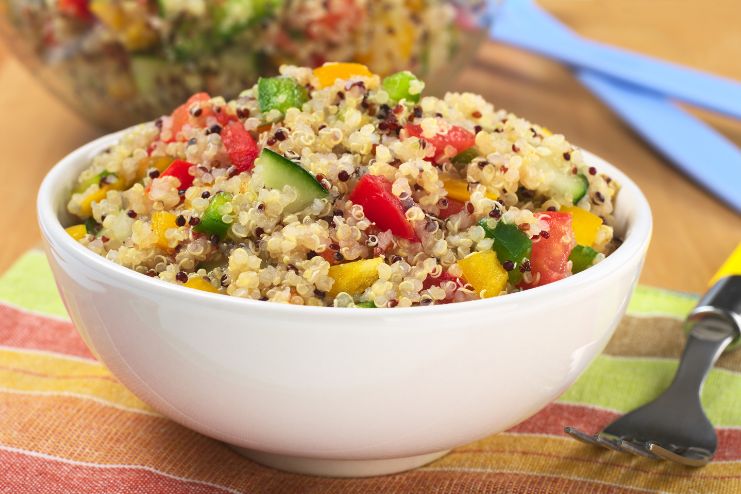
Ingredients:
- 1 cup quinoa, rinsed
- 2 cups water
- 1 cup cherry tomatoes, halved
- 1 cucumber, chopped
- 1/3 cup red onion, finely diced
- 1/3 cup fresh parsley, chopped
- Juice of 1 lemon
- 2 tablespoons olive oil
- Salt and pepper to taste
Method:
- Cook quinoa in water over medium heat for 15 minutes until fluffy. Allow to cool.
- In a large bowl, combine cooked quinoa with tomatoes, cucumber, onion, and parsley.
- Drizzle with olive oil and lemon juice.
- Season with salt and pepper, stir well, and serve chilled or at room temperature.
Moroccan-Style Couscous Bowl
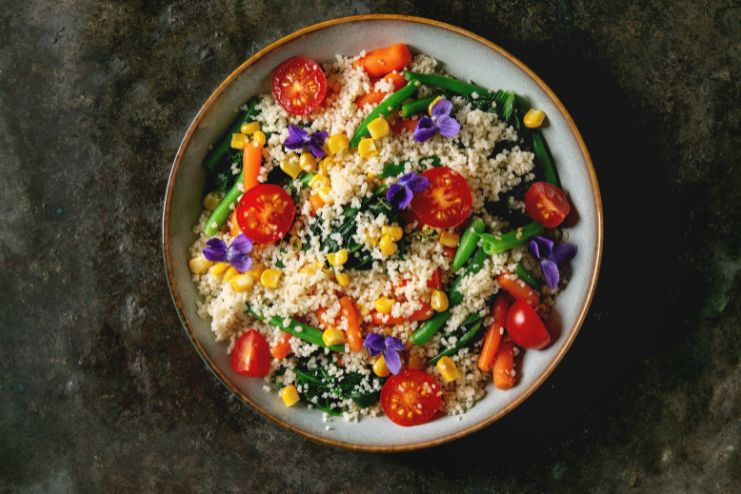
Ingredients:
- 1 cup couscous
- 1 cup vegetable broth
- 1/2 cup cooked chickpeas
- 1/2 cup shredded carrots
- 1/4 cup raisins
- 1/2 teaspoon cumin
- 1/2 teaspoon cinnamon
- 2 tablespoons chopped cilantro or mint
Method:
- Bring vegetable broth to a boil, remove from heat, and stir in couscous. Cover and let sit for 5 minutes.
- Fluff couscous with a fork and mix in chickpeas, carrots, raisins, and spices.
- Garnish with fresh herbs and serve warm or cold.
Read More: 8 Breakfast Mistakes That Could Be Slowing Your Metabolism
Conclusion
When compared side by side, quinoa is the healthier option overall. It’s a complete protein source, high in fiber, and rich in essential vitamins and minerals such as iron, magnesium, and B vitamins. Its slow-digesting qualities make it an excellent choice for sustained energy and fullness, benefiting those trying to lose weight, control blood sugar levels, or follow a vegetarian diet.
However, couscous can also be a healthy part of a balanced diet. It’s the right choice for calorie-conscious meals or quick weeknight dinners because it’s simple to prepare, light in texture, and lower in calories. When served alongside vegetables and lean proteins, couscous can be incorporated into a nutritious eating plan.
The best option ultimately depends on your individual health goals and dietary requirements.
FAQs
Is quinoa or couscous better for diabetes? For people with diabetes, quinoa is frequently considered the better choice. It has a lower glycemic index than couscous, meaning it raises blood sugar levels more slowly and gradually.
Can I eat couscous if I’m gluten-sensitive? No, conventional couscous should be avoided if you have gluten sensitivity or celiac disease. Couscous is made from wheat semolina, which contains gluten.
Can I eat quinoa or couscous every day? Yes, you can include both quinoa and couscous in your daily diet in moderation. However, quinoa is often considered the healthier choice due to its superior nutritional profile.
Which is easier to digest? Both are generally easy to digest, but quinoa’s higher fiber content may cause digestive discomfort in some people when first introduced to the diet. Start with smaller portions and gradually increase intake.
References
- https://www.thechefandthedish.com/post/quinoa-health-benefits-history-and-20-easy-ways-to-use-it-in-cooking
- https://www.medicinenet.com/whats_the_difference_between_couscous_and_quinoa/article.htm
- https://www.bbcgoodfood.com/health/nutrition/couscous-healthy
- https://www.tuasaude.com/en/couscous/
- https://www.yahoo.com/lifestyle/thought-couscous-healthy-not-much-060000524.html
- https://www.jennahopenutrition.com/
- https://www.healthyfood.com/healthy-shopping/which-is-healthier-quinoa-or-couscous/
- https://mortadellahead.com/what-is-the-difference-between-quinoa-and-couscous/
- https://cookieandkate.com/best-quinoa-salad-recipe/
- https://www.twopeasandtheirpod.com/easy-quinoa-salad/
- https://www.allrecipes.com/recipe/229156/zesty-quinoa-salad/
In this Article