














It’s no secret that your body feels different after childbirth. The soreness, fatigue, and hormonal chaos are expected. But when you start to feel a heavy, dragging sensation in your pelvic area, like something’s pulling down or out, it’s normal to pause and wonder: Is this just part of postpartum recovery, or is something actually wrong?
That sensation could be a sign of pelvic organ prolapse (POP), a condition where the pelvic floor muscles and connective tissues weaken and allow organs like the bladder, uterus, or rectum to drop from their normal position. It’s more common than many realize; studies suggest up to 1 in 3 women experience some form of prolapse after giving birth.
Here’s the thing: not every case is severe, and not every case needs surgery. Mild prolapse often improves with rest, time, and pelvic floor therapy. But for many women, the symptoms don’t just go away, and ignoring them can make things worse. That’s why understanding what’s normal, what isn’t, and when to speak up matters. Because your pelvic health isn’t just about comfort, it’s about your quality of life.
Read More: Understanding Pelvic Health: Common Issues and Maintenance Tips
What Is the Pelvic Floor?

The pelvic floor is a complex web of muscles, ligaments, and connective tissues that stretch like a hammock across the bottom of your pelvis. Think of it as the foundation of your core; it holds and supports critical organs like the bladder, uterus (in females), and rectum. These muscles play a crucial role in everyday functions, including urination, bowel movements, and sexual activity. They also help maintain the intra-abdominal pressure and keep the pelvic organs from dropping out of place, a condition known as pelvic organ prolapse.
Each time you cough, sneeze, laugh, or lift something heavy, your pelvic floor springs into action. It tightens to counter the pressure from above and relaxes when it’s safe to release. This dynamic control helps with continence (the ability to control when you pee or poop), pelvic stability, and core coordination.
As Dr. Carolyn Swenson, Chief of the Division of Urogynecology and Reconstructive Pelvic Surgery, specializing in the comprehensive care of pelvic floor disorders, puts it: “The pelvic floor is the body’s natural support system for vital pelvic organs, ensuring continence, stability, and sexual function.”
But here’s the thing: while these muscles are incredibly resilient, they’re also vulnerable, especially during pregnancy and childbirth. As the uterus grows, it adds pressure to the pelvic floor. Then, during vaginal delivery, those muscles can overstretch, tear, or weaken, potentially leading to issues like urinary incontinence or prolapse later on.
What Happens to the Pelvic Floor During and After Childbirth?

Let’s break it down: pregnancy is not a passive state for your body. From the moment your uterus starts expanding, your pelvic floor begins adapting, or more accurately, compensating.
During pregnancy, the weight of the growing uterus, increased blood volume, and hormonal shifts (especially relaxin and progesterone) gradually stretch and soften the pelvic floor tissues. This softening is necessary to allow room for the baby and prepare for delivery, but it also makes the pelvic support system more vulnerable.
By the time you’re full term, your pelvic floor muscles are already under constant tension, often thinner and less responsive than they were pre-pregnancy. Then comes childbirth, and if it’s a vaginal delivery, the physical toll can be significant.
Vaginal Birth: Maximum Strain
Pushing a baby through the birth canal requires those same pelvic muscles to stretch up to three times their resting length. While the body is designed for this, it doesn’t always bounce back immediately or completely. Certain birth scenarios can increase the risk of pelvic trauma, including:
- Prolonged or obstructed labor– extended pushing tires out the muscles and increases strain on connective tissue.
- Instrument-assisted delivery (forceps or vacuum)– can result in higher rates of pelvic muscle tears and nerve compression.
- Delivering a large baby (macrosomia)– more size, more pressure, more risk of overstretching or tearing.
- Severe perineal tears or episiotomies– especially third- or fourth-degree tears involving the anal sphincter.
According to the American Journal of Obstetrics and Gynecology, internal pelvic injuries can involve trauma to the muscles, connective tissue, and organs within the pelvic cavity, such as the uterus, bladder, rectum, and vaginal walls. These injuries may result from childbirth, surgical complications, or blunt trauma. In severe cases, they can lead to hemorrhage, nerve damage, chronic pelvic pain, and pelvic organ prolapse.
Detection often requires imaging, physical examination, or exploratory procedures, especially when symptoms like persistent pain, abnormal bleeding, or loss of function appear. Timely diagnosis and intervention are crucial to prevent long-term dysfunction or infection.
That’s the thing, many of these injuries are internal, and symptoms might not show up right away. Some women feel fine for weeks, only to develop heaviness, leaking, or discomfort months later.
Read More: Postpartum Pelvic Health: Healing and Recovery After Childbirth
C-Sections Aren’t a Free Pass
It’s a common assumption that Cesarean births protect the pelvic floor, and to some extent, they reduce trauma from pushing. But they’re not a guarantee. Pregnancy alone can still weaken the muscles. The weight of the uterus, pressure from above, hormonal softening, and reduced core stability all contribute to pelvic floor strain.
Studies have shown that women who’ve had C-sections can still experience incontinence, pelvic pain, and even organ prolapse, especially if they’ve had multiple pregnancies or labored before surgery.
What This Means
Childbirth isn’t just a one-time event; it’s a high-demand challenge for your pelvic floor. Whether you deliver vaginally or by C-section, those muscles take a hit. Sometimes they bounce back on their own. Sometimes they need help, from rest, rehab, or a pelvic health specialist.
Recognizing how childbirth impacts your internal support system is the first step toward healing it properly. Because when it comes to pelvic health, what you don’t feel now can still affect you later.
What’s Normal Postpartum (Temporary Symptoms)

In the early weeks after childbirth, your body is in recovery mode, and some pelvic changes are part of that process. While they might feel alarming, a few sensations are completely normal and temporary. These include:
- A feeling of heaviness or pressure in the pelvic area, especially after prolonged standing or walking.
- Mild stress incontinence, meaning you may leak urine when you sneeze, laugh, or cough.
- A sense of looseness or bulging in the vaginal region.
- Pelvic fatigue or discomfort by the end of the day.
These symptoms are part of the body’s healing process as the uterus shrinks back to its pre-pregnancy size, pelvic ligaments tighten, and tissues regenerate.
A study using pelvic floor electrophysiology in over 1,500 women found that up to 95% had muscle weakness or abnormal fatigue at 6–8 weeks postpartum, especially after vaginal delivery, but symptoms often reduced as function improved.
What’s Not Normal (Signs of Prolapse or Dysfunction)
When pelvic symptoms persist or worsen postpartum, they may indicate pelvic organ prolapse or pelvic floor dysfunction. These are red flags that deserve attention; rest alone usually doesn’t fix them.
1. Bulge or Tissue Protruding from the Vagina
A hallmark sign of prolapse, this feels like or looks like tissue descending into the vaginal canal. It’s often described as a “ball” or the sensation that something is falling out.
2. Persistent Heaviness or Dragging Sensation
Normal postpartum fatigue eases with rest. But if pelvic pressure builds throughout the day or intensifies after walking or standing, that’s a warning sign.
3. Difficulty Emptying the Bladder or Bowels
If you’re straining during urination, feel like the bladder or rectum isn’t fully empty, or rely on manual help for bowel movements, these may be signs of organ descent affecting function.
4. Painful Sex (Dyspareunia)
Pain accompanied by bulging, looseness, or a pelvic dragging feeling may indicate deeper structural changes in the pelvic floor.
5. Symptoms Worsening with Activity
Lifting, exercising, squatting, or standing for extended periods should not consistently worsen your symptoms. Activity-related flare-ups can suggest dysfunction rather than normal recovery.
Why These Signs Matter
When these symptoms persist beyond the early postpartum period or show no improvement, they signal that your pelvic floor may not be healing properly. Early intervention can make a big difference: conservative treatments like pelvic floor rehab or pessary use are far more effective when prolapse is caught early.
What This Really Means
If you notice bulging, ongoing heaviness, bladder or bowel strain, painful sex, or worsening symptoms with movement, don’t dismiss it. These are signals that your pelvic floor may need support beyond time and rest. A specialist-led assessment can unlock solutions that prevent progression and support recovery.
How Pelvic Organ Prolapse Is Diagnosed
Diagnosis involves a physical pelvic exam, conducted in both lying and standing positions, to assess organ descent under gravity. Prolapse severity is graded on a Stage I-IV scale:
- Stage I: Minimal descent, often asymptomatic.
- Stage II: Organ reaches the vaginal opening.
- Stage III: Organ protrudes beyond the vaginal opening.
- Stage IV: Complete eversion, or “procidentia.”
Urogynecologists may perform imaging tests, like a dynamic pelvic floor MRI or ultrasound. In cases of bladder symptoms, urodynamic testing assesses bladder function and pressure dynamics.
Treatment Options: What You Can Do
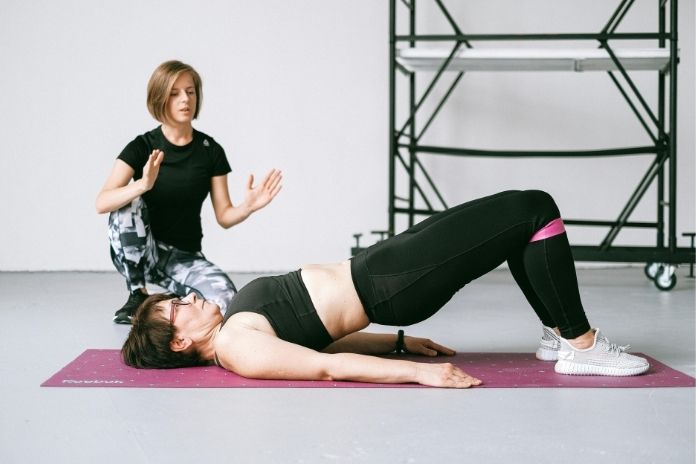
Pelvic floor dysfunction and prolapse don’t always demand surgery. In many cases, targeted rehab and smart lifestyle adjustments can make a noticeable difference, especially when caught early.
Early and Mild Cases: Focus on Function, Not Just Symptoms
For minor prolapse or early-stage pelvic floor dysfunction, pelvic floor physical therapy (PT) is the first line of treatment. And here’s the thing: it’s more than just squeezing your pelvic muscles.
A trained pelvic floor PT assesses your posture, breathing, core strength, and coordination of the pelvic muscles. Some women need to strengthen, yes, but others need to release tight, overactive muscles. This is why DIY Kegels can backfire if you’re not doing them right or if tightness, not weakness, is the root issue.
Supportive strategies to reinforce PT efforts:
- Prevent constipation. Straining is a pelvic floor killer. Focus on high-fiber foods, hydration, and consider stool softeners if needed.
- Modify movement. Skip high-impact workouts and avoid heavy lifting, especially in the early healing months.
- Use pelvic support garments. These can offload pelvic pressure during daily activity or exercise.
- Try vaginal pessaries. These medical-grade devices sit inside the vagina to help support organs and reduce the sensation of bulging or pressure. They’re especially useful postpartum or for women delaying or avoiding surgery.
Moderate to Severe Cases: A Structured, Multi-Pronged Approach
When prolapse is more advanced or when symptoms interfere with daily life despite conservative care, additional interventions may be needed.
Options include:
- Pessaries as long-term management. Many women use pessaries successfully for years. With proper fitting and care, they can provide comfort, support, and allow women to return to normal activities.
- Surgical repair. There are several types depending on the organs involved and the severity:
- Anterior/posterior colporrhaphy: Repairs the front or back vaginal wall.
- Sacrocolpopexy or sacrohysteropexy: Lifts and secures prolapsed organs using surgical mesh or sutures.
- Rehab before and after surgery. Yes, even if you’re heading toward surgery, pelvic floor therapy beforehand can improve outcomes and recovery time.
- Lifestyle and long-term prevention. Even after repair, the focus shifts to managing intra-abdominal pressure, maintaining core strength, avoiding chronic constipation or heavy lifting, and checking in regularly with pelvic specialists.
Treating pelvic floor dysfunction isn’t just about fixing what’s broken; it’s about restoring function, protecting your future pelvic health, and learning how to work with your body instead of against it. Whether you’re a few weeks postpartum or years past childbirth, it’s never too late to start.
Read More: Understanding Pelvic Floor Disorders and Pain: Causes, Symptoms, and Treatment Options
How to Prevent Further Pelvic Floor Damage Postpartum

The weeks and months after giving birth are critical for pelvic floor recovery. Many women experience symptoms like heaviness, urinary leakage, or a bulging sensation, signs that the pelvic floor is still healing or possibly strained. The goal during this time isn’t to rush back into fitness, but to rebuild your foundation safely.
Here’s how to protect and support your pelvic floor during this vulnerable stage:
1. Start with Gentle Rehab
In the early postpartum period, your body is still recovering from pregnancy and delivery. Skip crunches, planks, or anything that puts intense pressure on your abdominal wall or pelvic floor. Begin instead with diaphragmatic breathing, gentle pelvic tilts, and core activation exercises like heel slides and toe taps. These movements reintroduce coordination and help reduce internal pressure without strain.
2. Manage Strain Inside Out
Chronic constipation is one of the biggest, most overlooked stressors on the pelvic floor. Straining on the toilet creates repeated downward pressure, worsening symptoms like prolapse or incontinence.
Make sure you’re hydrated, eating enough fiber, and considering stool softeners if needed (especially if you’re on iron supplements). Similarly, persistent coughing from untreated allergies or infections can have the same impact. Get it addressed early.
3. Wait for Medical Clearance Before Returning to High-Impact Activity
Even if you feel “ready,” jumping into running, CrossFit, or HIIT workouts before your pelvic floor has healed can do long-term damage. High-impact movements significantly increase intra-abdominal pressure, and without adequate support from the core and pelvic floor, tissues can stretch or descend further. Always get a postpartum check from a pelvic floor physio before returning to these forms of movement.
4. Lift Smart and Breathe Better
One of the most damaging habits postpartum is holding your breath while lifting, whether it’s a baby, a stroller, or a laundry basket. This is known as the Valsalva maneuver, and it spikes internal pressure fast. Instead, exhale on exertion (the “blow before you go” method). Squat instead of bending forward, and keep the object close to your body when lifting.
Birthing a baby is one of the most amazing, miraculous experiences you will ever have. While you’re focused on your new bundle of joy, don’t forget that your body has endured a very physical and emotional experience. It took nine months to conceive, grow, and birth your baby. So “bouncing back” doesn’t happen instantly. It’s called “postpartum recovery” and “postpartum healing,” and it takes time.
When to See a Doctor
Don’t wait for symptoms to become severe. Seek medical advice if:
- Heaviness or bulging persists beyond 8–12 weeks postpartum.
- You feel or see a protrusion at the vaginal opening.
- Pelvic floor therapy doesn’t alleviate symptoms.
- You’re planning another pregnancy and want preventive strategies.
- Your daily life, intimacy, or self-confidence is affected.
Early intervention is crucial. According to a study published in The International Urogynecology Journal, early pelvic floor intervention reduces the risk of Stage II+ prolapse by up to 40%.
Conclusion
Recovering your pelvic floor after childbirth isn’t just about doing kegels or avoiding heavy lifting. It’s about understanding how your daily habits, breathing, posture, bowel health, and even how you carry your baby, can either support or strain those deep core muscles. Once you know what helps and what harms, every movement becomes a chance to heal.
The truth is, postpartum bodies are not fragile; they’re adaptable. But healing takes intention. Restoring strength, managing pressure, and listening to your body’s signals are key. And if something feels off, pain, leakage, or pressure, it’s not something you have to accept. It’s a sign to seek help, not stay silent.
References
- https://my.clevelandclinic.org/health/body/22729-pelvic-floor-muscles
- https://teachmeanatomy.info/pelvis/muscles/pelvic-floor/
- https://www.continence.org.au/about-continence/continence-health/pelvic-floor
- https://en.wikipedia.org/wiki/Pelvic_floor
- https://www.betterhealth.vic.gov.au/health/conditionsandtreatments/pelvic-floor
- https://www.physio-pedia.com/Pelvic_Floor_Anatomy
- https://www.pelvicfloorfirst.org.au/pages/the-pelvic-floor.html
- https://www.thewomens.org.au/health-information/pregnancy-and-birth/a-healthy-pregnancy/the-pelvic-floor
- https://www.mayoclinic.org/diseases-conditions/pelvic-organ-prolapse/symptoms-causes/syc-20360557
- https://www.acog.org/womens-health/experts-and-stories/the-latest/5-things-i-wish-all-women-knew-about-pelvic-organ-prolapse
- https://www.acog.org/womens-health/experts-and-stories/the-latest/5-things-i-wish-all-women-knew-about-pelvic-organ-prolapse
- https://my.clevelandclinic.org/health/diseases/16030-uterine-prolapse
- https://www.ncbi.nlm.nih.gov/books/NBK563229/
- https://my.clevelandclinic.org/health/diseases/24046-pelvic-organ-prolapse
- https://www.lasvegasgynsurgery.com/blog/5-symptoms-that-could-mean-youre-suffering-from-pelvic-prolapse
- https://drngkailyn.com/5-signs-you-might-have-pelvic-floor-disorder/
In this Article