














Sex is supposed to be a pleasurable and a bonding experience, and when it leaves you in soreness or discomfort, it can indeed be confusing and even stressful. Pain after sex doesn’t just affect your physical comfort; it has the potential to ripple into your emotional well-being, your confidence, and your relationship with intimacy.
Mild soreness occasionally after a long or vigorous session, or after trying a new position, is common. Yet sharp, deep, or continuing pain is not something that one can learn to live with. It can be a signal from your body that something needs attention, whether it is a physical condition, emotional tension, or just a mismatch between what your body is ready for and the activity itself.
This article breaks down the reasons for your discomfort, how to tell what’s normal vs. concerning, simple steps to soothe mild soreness, and when to talk to a doctor.
The medical term for pain in the genital area before, during, or after sexual intercourse is dyspareunia, a condition affecting both men and women, although it is more common among women.
Read More: The Impact of Emotional Connection on Sexual Satisfaction: 5 Transformative Ways
Understanding the Nature of the Pain
The first step in figuring out why it hurts after sex is understanding what kind of pain you’re experiencing. The answer lies in the location, timing, and symptoms. These factors can reveal a lot about the cause.
The Location:
In men, it may be experienced in the penis, especially shortly after ejaculation, or in the scrotum and lower pelvis. The pain can sometimes indicate inflammation of the prostate or urethra.
The Timing:
Pain that starts right away after sex tends to be mechanical, relating to friction, dryness, or strained muscles. If it shows up hours or even a day later, it might point to deeper inflammation, infection, or pelvic floor muscle strain. You must keep a track of when the pain appears and how long it lasts. This can help your healthcare provider narrow down the cause.
The Nature of Pain:
- A dull ache could indicate mild muscle fatigue or overuse, while burning or stinging pain might be an indication of irritation or infection.
- Sharp, stabbing, or cramping pain may mean more serious internal conditions. These can be cysts, endometriosis, or spasms in the pelvic floor.
The differences will help us understand if the issue is a minor one or needs serious evaluation.
Read More: Why and How to Treat Female Sexual Dysfunction?
Common Causes of Pain During Intercourse
While each body is different, most pains after sex fall into one of several categories. Knowing these can help you identify patterns and take the right next step.
Insufficient Lubrication and Friction
One of the most common, and often overlooked, causes of pain after intercourse is simply not enough lubrication. When the vagina is not sufficiently lubricated due to low arousal, hormonal changes occur.
The hormonal changes can include menopause, postpartum, or breastfeeding. Using certain medications, dehydration, and increased friction are also other factors that lead to pain. That friction can inflame delicate tissues and lead to burning or soreness afterward.
Dr Surabhi Siddhartha, Consultant Obstetrician and Gynaecologist, at Motherhood Hospital, Kharghar, Mumbai, shares her thoughts on the importance of using a lube. Dr Siddhartha says, “Lube lowers friction and hence the danger of harm during sex. When more lubricant is used with a condom, intercourse can seem more natural. Ejaculation can also be delayed with the use of lubrication. Furthermore, lubrication reduces the likelihood that condoms will break or slip off, boosting your protection against sexually transmitted infections (STIs) such as HIV.”
Infections, STIs, or inflammation
If your pain feels like more of a burning, itching, or throbbing sensation, there could be an underlying infection. Certain infections, such as yeast infections, bacterial vaginosis, or urinary tract infections, can all cause post-sex soreness. This is especially true if there’s already inflammation in the area.
Sexually transmitted diseases (STIs), such as chlamydia, gonorrhea, or trichomoniasis, can also cause painful sex. This is typically accompanied by changes in discharge, odor, or pelvic pain. Even minor, repeating irritations should be inspected, because untreated infections can result in long-term complications such as PID.
In men, inflammation of the prostate or urethritis can cause burning, pelvic discomfort, or pain with ejaculation.

Anatomical and Structural Problems
Sometimes, pain is a result of how your body is built or how your muscles respond during sex. In women, pelvic floor dysfunction involves the muscles around the vagina being too tight or spasm involuntarily, making entry painful and creating residual soreness.
Other specific causes of deep pelvic pain for women during or after sex include conditions such as a retroverted uterus, fibroids, ovarian cysts, and endometriosis.
In men, structural issues such as Peyronie’s disease, curvature of the penis that results from scar tissue-or phimosis, a too-tight foreskin-can make sex even more painful. Even slight physical changes may cause friction or strain if left unattended.
Post-Procedure or Trauma
Pain can also come from injuries or surgical procedures that you have undergone. Events like childbirth, episiotomy scars, pelvic surgeries, or C-sections may result in scar tissue that tightens or pulls during penetration. Such tissues may remain sensitive for several months or even years.
Also, products such as condoms, lubricants, or spermicides can be responsible for allergic reactions or irritation. If you notice itching, redness, or burning after using a certain product, try switching to a hypoallergenic or unscented alternative.
Psychological and Emotional Factors
Pain isn’t always purely physical. Emotional stress, anxiety, or past traumas can involuntarily tense the body, particularly the pelvic floor muscles, so that penetration feels uncomfortable. And fear of pain becomes a nightmare, which tightens the body and therefore creates exactly the discomfort you’re trying to avoid.
In such cases, treating the emotional aspect through open communication, therapy, or directed pelvic floor therapy is a good way. It is as important as addressing the physical cause of the dysfunction.
Read More: 10 Tips for Maintaining Sexual Health and Wellness
Self-Care and How to Manage Mild Pain After Sex
Small changes can make a big difference when pain is mild and rare. Here are a few changes/ tips that can make your experience smooth and pain-free.
- Focus on lubrication and arousal while having sex. Take time for extended foreplay, use a suitable water-based or silicone-based lubricant, and make sure both partners are relaxed and comfortable.
- Experiment with gentler positions, angles, or depths that reduce pressure on sensitive areas. Having open communication during intimacy helps in avoiding pain and makes your bond stronger with your partner.
- Soothe muscles afterward with a warm bath or compress, which can ease pelvic tension. If you’re sore, avoid vigorous activity for a few days to allow tissues to heal.
- Practice pelvic relaxation, such as gentle breathing or yoga-based pelvic stretches. These movements can help release muscle tension and improve circulation to the area.
- Hydrate and urinate after sex, as it reduces the irritation of urine and avoids the risk of infection.
When to Seek Medical Help — Red Flags
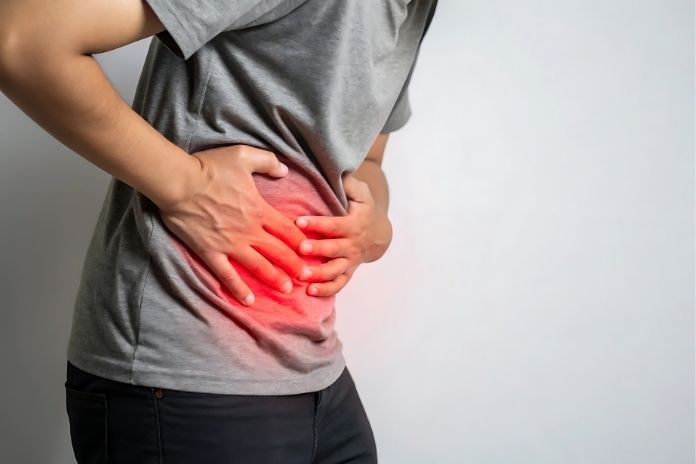
While some level of soreness is to be expected and may go away within a few hours, persistent or worsening pain is never to be overlooked.
- Consult with a healthcare provider if it has lasted beyond 24–48 hours or continued to increase in severity with each sexual encounter.
- Watch for other symptoms such as heavy bleeding, abnormal discharge, fever, or chills that may indicate infection or inflammation of the reproductive or urinary tract. These warning signs often indicate something beyond simple friction or dryness.
- Deep pelvic pain or pain appearing each time one engages in sex may indicate conditions such as endometriosis, pelvic inflammatory disease, or pelvic floor dysfunction.
- In men, sudden sharp pain, swelling, or burning sensations in the testicles, prostate area, or during ejaculation can be associated with prostatitis, an infection, and even a structural problem such as a tear.
- Changes in the quality of erections, urination, or persistent genital soreness after sexual activity also warrant a doctor’s attention.
Always remember, early diagnosis helps address underlying conditions before they may affect fertility, libido, or long-term pelvic health.
Continuous pain after sex is never normal; it can signal underlying concerns such as endometriosis or pelvic floor dysfunction, both of which respond best to early treatment and tailored therapy.
Key Takeaway
Mild soreness in the genital area from time to time is normal, especially after having longer sessions or trying new positions. However, sharp, burning, or lingering pain is not something to brush aside.
Understanding where and when the pain occurs, coupled with recognizing the contributing factors like dryness, infections, or tension, will help in finding its cause.
Minor irritation may be prevented simply by the use of adequate lubrication, spending more time on foreplay, taking up gentler positions, and open communication with the partner. However, when pain persists or interferes with intimacy, seek a medical opinion rather than tolerating it.
The key here is that the sooner you catch the problem, the easier it is to treat it!
FAQs
Is it normal to have soreness for a day following sex?
While some minor soreness or tenderness can be considered normal for as long as 24 hours, especially following longer or more vigorous exercise. If the pain continues beyond two days, it may indicate irritation, infection, or muscle strain.
Can lack of arousal cause pain after sex?
Yes, poor arousal often leads to less natural lubrication, which could result in friction and discomfort during penetration. Spending more time on foreplay or using a good lubricant can reduce pain afterwards.
Could pain after sex mean I have an STI?
It could be, or it does not necessarily have to be. Infections such as chlamydia, gonorrhea, or trichomoniasis may cause burning, cramping, or pelvic pain after sexual intercourse. If you notice any unusual discharge, itching, or discomfort that doesn’t seem to go away, get tested and treated promptly.
Does pain after sex in men always mean a serious condition?
Not always; friction, dryness, or a muscular strain may cause it. However, should the pain involve the testicles, prostate area, or cause swelling or a change in urination, it is best to consult a urologist to rule out any infection or inflammation.
References
- https://www.bloompelvictherapy.com/blog/pelvic-pain-after-sex
- https://www.physio-pedia.com/Impact_of_stress_and_cortisol_levels_on_pelvic_pain_and_pelvic_stress_reflex_response
- https://www.vinmec.com/eng/blog/why-am-i-allergic-to-condoms-what-are-the-symptoms-of-a-condom-allergy-en
- https://www.orlandohealth.com/content-hub/7-reasons-men-have-pain-after-sex/
- https://www.bloompelvictherapy.com/blog/pelvic-pain-after-sex
In this Article