











During my days at the university, one of my friends used to count every calorie he ate. Surprising? Yes, he used to track his calories, weigh the food before eating, and avoid carbs altogether. Amused, I decided to do a little research on this way of diet. Turns out, this is not an ideal way to be fit. It is, in fact, a disorder. As unusual as it may seem, a fixation on eating just ‘healthy’ is more of a mental state. Read on to know how.
In our wellness-oriented culture, “clean eating” is touted as the ticket to health. Social media sites are full of green smoothies, detox bowls, and dietary dictums on what not to eat. To some, eating healthy, low-processed foods is a healthy move toward well-being. But what happens when this turns into an obsession with only eating clean? One that impacts daily choices, disrupts social life, and even affects physical and emotional well-being?
This is the reality of orthorexia nervosa, a lesser-known eating disorder where the fixation with healthy eating gets out of hand. Unlike anorexia or bulimia, the widely popular eating disorders, orthorexia hides behind the disguise of “wellness”. This makes it harder to detect until it spirals out of control.
This article helps us understand what orthorexia is, why it happens, warning and danger signs, and recovery techniques. It also emphasizes why balance, not perfection, is the real building block of health.
Read More: Anorexia vs. Bulimia: How These Eating Disorders Differ and Overlap
What is Orthorexia?
The term orthorexia nervosa was first coined in 1997 by physician Dr. Steven Bratman, who saw patients becoming excessively preoccupied with the purity of food at the cost of their health. Unlike mindful eating’s balance and awareness, orthorexia is characterized by a strict fixation with eating only foods that are “clean,” “pure,” or “healthy.”
Studies describe orthorexia as a behavior of compulsion where people spend too long studying, planning, and limiting their diets. In this, they usually exclude entire food groups and become extremely anxious when they are unable to stick to their restrictions.
Interestingly, orthorexia hasn’t yet been officially included in the DSM-5 (the manual for mental disorders), but is acknowledged by the significant majority of practitioners and researchers as a real and growing issue within the category of eating disorders. The issue is that the behaviors that are associated with orthorexia are very typical. These include eating organics, not eating processed foods, and concentrating on nutrient-dense meals. All these rules are supported by society, so it is harder to draw a line where healthy eating crosses over into dangerous obsession.
What Causes Orthorexia
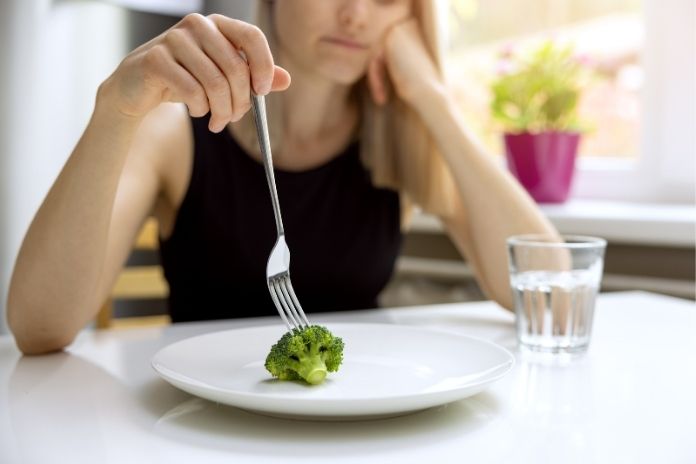
Speaking about this obsessive eating disorder, Marjorie Nolan, MS, RD, CDN, ACSM-HFS, Academy of Nutrition and Dietetics Spokesperson, shares her thoughts. “Orthorexia starts with a true intention of wanting to be healthier, but it’s taken to an extreme,” she says, who specializes in working with eating disorder clients. “If someone is orthorexic, they typically avoid anything processed, like white flour or sugar. A food is virtually untouchable unless it’s certified organic or a whole food. Even something like whole-grain bread – which is a very healthy, high-fiber food – is off limits because it’s been processed in some way.”
Orthorexia is rarely a result of a single stimulus. Instead, it is shaped by a combination of psychological, personal, and cultural factors. To put it in detail:
The Emergence of Wellness Culture: Social media platforms create unrealistic expectations of health. “What I Eat in a Day” vlogs, detoxes, and fitness bloggers make restrictive eating seem glamorous for the sake of “clean.” Repeated exposure makes people go for strict food rules as the new norm.
Phobia of Chemicals and Preservatives: The majority of orthorexia patients begin to fear all things man-made. These artificial items include preservatives, pesticides, and additives, believing that eating them will make them ill. They compulsively avoid them.
Perfectionism and Control: Orthorexia has also been linked to perfectionism and control personality types. Restrictive eating may appear to be a way of establishing order in an otherwise uncontrollable world.
History of Eating or Anxiety Disorders: Those who have struggled with anxiety, obsessive-compulsive behaviors, or a history of eating disorders are at higher risk for orthorexia.
In short, orthorexia is where cultural pressure, personality, and mental health risk factors intersect.
Read More: Anorexia vs. Bulimia: How These Eating Disorders Differ and Overlap
Signs and Symptoms of Orthorexia
Orthorexia is present both in eating habits and in their affective/social consequences. Early identification can avoid long-term damage to people who practice this trend. Here are a few clear signs and symptoms of orthorexia:
Food Habits:
- Excessive Restriction: Cutting out entire food groups like carbs, fats, or any processed foods.
- Compulsive Research: Hours of label checking, source searching, or food manufacturing research.
- Strict Rules about Food: Refusing food unless it is organic, raw, or prepared in a certain way, even if this means skipping meals.
For instance, an orthorexic may not eat at a wedding or a family member’s home because the food is “impure” or bring their own food so they don’t have to eat anything that they didn’t prepare. This is the most common sign of suffering from orthorexia.
Emotional and Social Impact:
- Guilt and Anxiety: Feeling an excess of guilt or shame for having eaten food beyond their boundaries.
- Social Withdrawal: Steer clear of restaurants, parties, or celebrations because you’re afraid of “impure” foods.
- Disruption of Life: Food preoccupation interferes with work, relationships, or school life (TalktoAngel, 2024 ).
These trends indicate that orthorexia is less a matter of healthy eating, it’s more about food as the organizing, overall force in life.
Health Risks of Orthorexia
As hard as it is to believe, a disorder that makes you eat just clean all the time is dangerous. Orthorexia affects our overall health in several ways, including:
- Nutrient Deficiencies: Food avoidance can lead to missing essential vitamins (such as B12 or iron), minerals, or macronutrients.
- Weight Reduction and Malnourishment: Undue restriction may cause unwanted weight reduction, malnourishment, or even a life-threatening electrolyte imbalance.
- Weak Immunity and Fatigue: The body is weakened when deprived of a balanced diet, thereby leading to low energy, chronic illness, or chronic fatigue.
- Mental Health Problems: Orthorexia is often accompanied by anxiety, depression, or obsessive-compulsive behavior, worsening loneliness, and misery.
Read More: Orthorexia vs. Anorexia: The Overlooked Eating Disorder You May Not Know
How Orthorexia Differs from Healthy Eating
People often confuse orthorexia with eating healthy or dedication to being fit. However, the key factor that helps us understand the difference better:
- Healthy Eating: Flexible, well-balanced, includes treats, and supports physical and social well-being.
- Orthorexia: Restrictive, fear-based, inflexible, and depletes mental and physical health.
For instance, a healthy eater might enjoy home cooking but have no problem with a small piece of birthday cake with friends. An individual with orthorexia might panic at eating cake, however, seeing it as “toxic” instead of a celebratory experience.
Diagnosis and Treatment
Because orthorexia is not technically included in the DSM-5, it is diagnosed through clinical evaluation. Screening tools such as the ORTO-15 questionnaire and interviews can be used by therapists and doctors to assess disordered behaviors in orthorexics.
Treatment is typically multidisciplinary, involving various therapies and tips:
- Cognitive Behavioural Therapy (CBT): CBT helps various patients in different ways. For orthorexics, it helps in refraining from intrusive food thoughts and in challenging recurring beliefs.
- Acceptance and Commitment Therapy (ACT): The therapy encourages acceptance of imperfection and flexibility in eating. This makes individuals feel more open to choices and behave less strictly.
- Nutritional Counseling: We must make the individuals understand the actual ways of eating healthy. For this, registered dietitians can counsel patients on introducing balanced food groups. It is easier for the patients to identify and make a choice once they know the difference.
- Support Groups: Support groups work well for orthorexics. Sharing experiences makes recovery the norm and prevents feelings of loneliness in patients.
- Reducing Stress: Individuals can opt for calling practices that include mindfulness, journaling, or yoga. These may decrease stress and help gain control over food habits.
Treatment isn’t about totally avoiding healthy eating. It’s about having freedom and balance with food.
How to Have a Healthy Relationship with Food
We know how our cultures always make ‘healthy eating’ a hero. Even then, with the right approach, you can seek wellness without going fanatical.
- Highlight Variety, Not Perfection: A balanced diet is made up of a mix of fruits, vegetables, grains, proteins, and fat, not absolute exclusion.
- Use the 80/20 Principle: Eat nutrient-dense foods most of the time, leaving space for indulgence.
- Practice Intuitive Eating: Respond to hunger and fullness cues instead of following strict outer rules.
- Limit Harmful Social Media Exposure: Filter your feed to like and follow those who encourage balance, not restriction.
- Take Professional Help: If food choices always make life stressful or cause problems, then the individual must consult a therapist or a nutritionist.
Conclusion
It’s good to be healthy, but when the quest for food “purity” takes over, it’s unhealthy. Orthorexia nervosa teaches us that balance is more crucial than perfection, and enjoyment and flexibility are as vital as nutrition. The real pillars of health are not strict rules, but balance, kindness to oneself, and freedom in choosing food that nourishes the body.
References
In this Article