















Let’s have one thing clear: you do not need to exercise every day to notice progress. You don’t even need to train more than twice a week with the right plan.
Smart, full-body training 2 times a week can promote muscle building, increase strength, help you lose fat, and enhance overall health. And the good news? It’s sustainable. No burnout, no guilt, and no missed workouts due to your schedule being tight.
The article provides you with an efficient, science-informed full-body workout routine 2 days a week, ideal for busy professionals, beginners, or anyone who wants to train smarter, not longer.
Why a 2x/Week Full-Body Plan Works?
“Physical activity concentrated within one to two days was associated with a similarly lower risk of cardiovascular outcomes to more evenly distributed activity,” study author, Dr Patrick Ellinor, of Massachusetts General Hospital in Boston, US, says.
If you’ve ever felt overwhelmed by workout programs that demand five or six gym sessions per week, this approach will feel like a breath of fresh air.
- With just two well-designed workouts, you’re:
- Training all major muscle groups in each session
- Building in recovery time, which is often overlooked
- Progressing consistently without overloading your week
It’s not just theory. Research shows that training muscle groups two to three times a week is enough to increase strength and muscle mass, especially when you’re lifting with purpose and challenging your body consistently.
Who is this plan great for?
- People with limited time (aka most of us)
- Beginners who want to build a solid foundation
- Anyone looking for long-term results without gym fatigue
Read More: Effective HIIT Workouts for Busy Weekdays
Workout Structure at a Glance
- Duration: 45 to 60 minutes
- Frequency: 2 non-consecutive days (e.g., Monday and Thursday)
- Equipment: Barbell, dumbbells, resistance machines, or bodyweight equivalents
Format:
- 1 Lower Body Compound Movement
- 1 Upper Body Push
- 1 Upper Body Pull
- 1 Core or Accessory
- Optional Finisher for conditioning
It’s a timeless full-body split that ticks all the boxes: strength, balance, mobility, and progress.
Day 1: Strength-Focused Workout
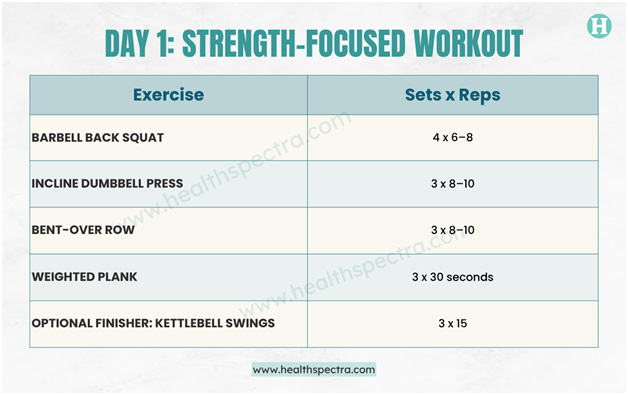 How to Practice These Moves (Day 1):
Barbell Back Squat:
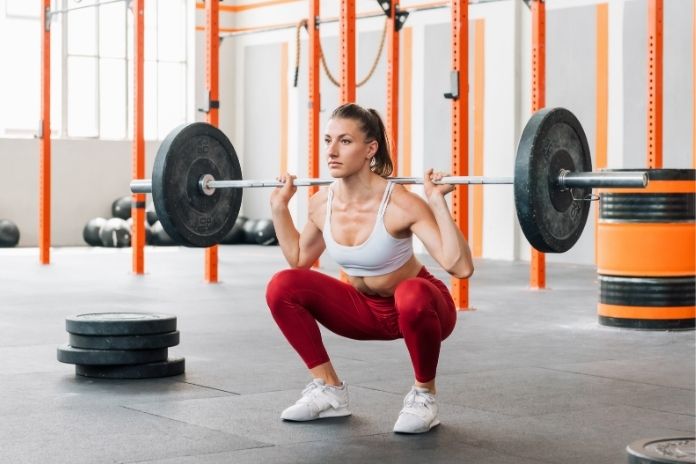
Practice barbell back squat by standing with feet shoulder-width apart, toes pointing slightly outward. Keep your chest up and engage your core. Slowly lower yourself as if sitting down into a chair, descending as low as mobility permits. Press through your heels to come back up to a standing position. Control the movement throughout and prevent your knees from caving inward.
Incline Dumbbell Press:
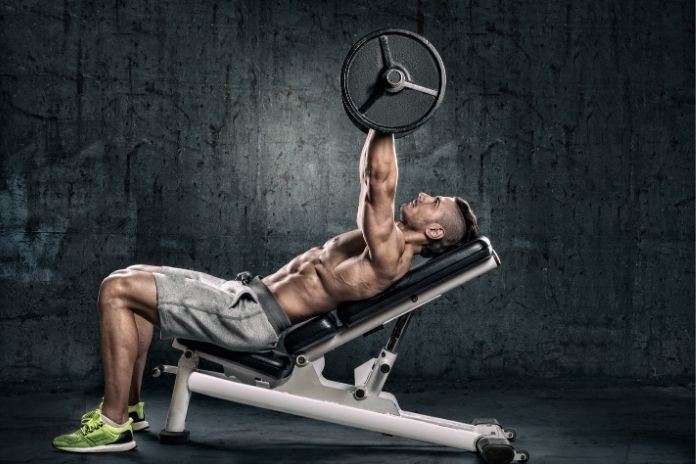
To do the incline dumbbell press, set the bench to a 30-45-degree incline. Press dumbbells from chest level up to arm-lock at the top. Lower slowly with elbows at around a 45-degree angle to prevent shoulder strain. Emphasize a smooth, steady rate and don’t lock out at the top.
Bent-Over Row:
Grip a barbell or dumbbells. Bend forward at the hips with a straight back and slight knee bend. Pull the weight to your lower ribs, squeeze the shoulder blades, then release slowly. Keep your neck in a neutral position and don’t jerk the weight. Watch this video tutorial to gain a better understanding.
Weighted Plank:
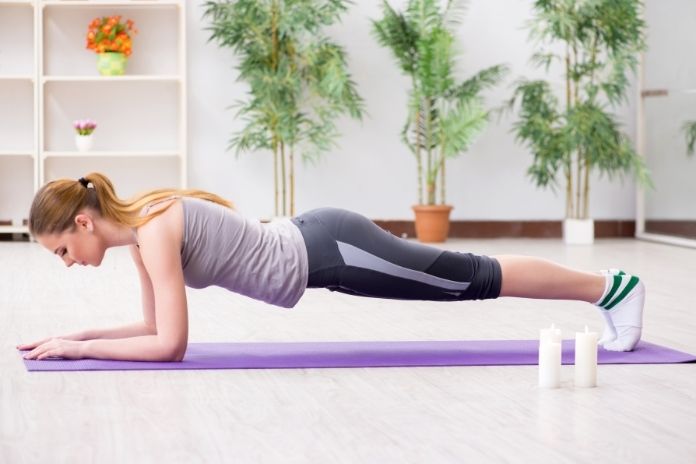
Begin in a solid bodyweight plank, then add a small weight plate to your upper back after you can easily hold for 30 seconds with elbows under your shoulders, body in a straight line. Don’t sag hips or pike up.
Kettlebell Swings (Optional):
Kettlebell swings have benefited many people. To do these, stand with feet about shoulder-width apart. Swing the kettlebell between your legs by hinging at the hips, and then explosively push your hips forward to swing it to chest height. Use your hips, not your arms, for the power. Keep your back straight at all times.
Read More: Black Coffee Before a Workout: Does It Really Burn More Fat?
Day 2: Hypertrophy + Conditioning Focus
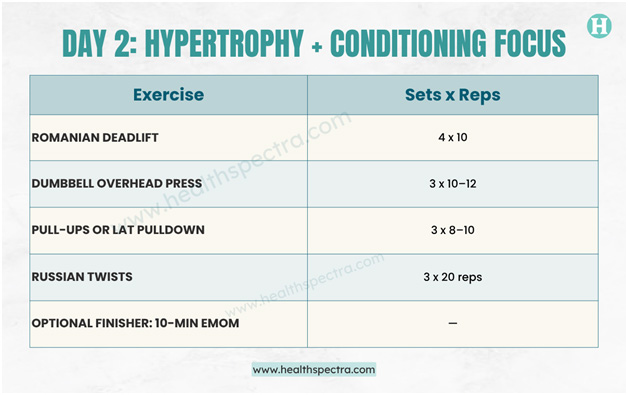 How to Practice These Moves (Day 2):
Romanian Deadlift:
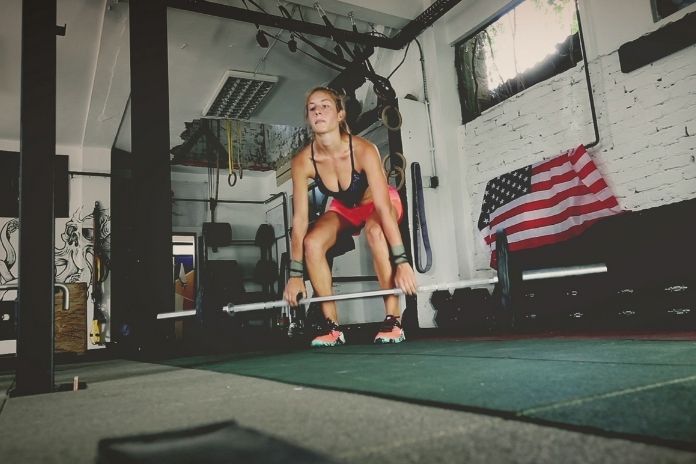
Hold dumbbells or a barbell in front of your thighs. Hinge at the hips, with a slight bend in your knees, and let the weight descend down the front of your legs. You should stretch your hamstrings. Keep your back flat, then squeeze your glutes to stand up. Don’t round your back. Watch this video tutorial to learn more.
Dumbbell Overhead Press:
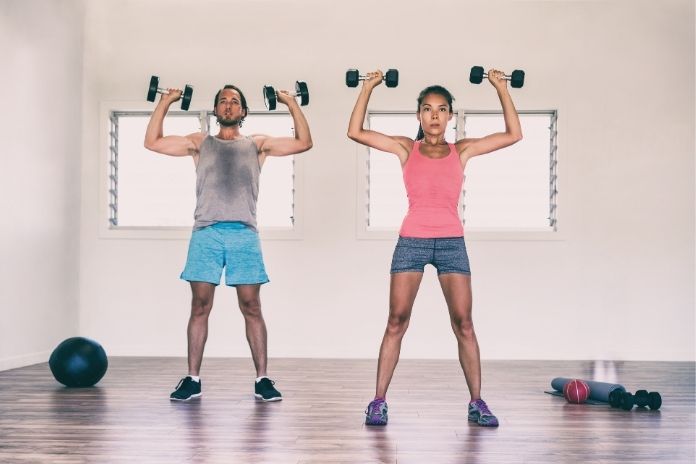
To do the overhead press, stand or sit with dumbbells held at shoulder level. Press the weights up until your arms are fully overhead. Briefly pause at the top, then lower under control. Don’t arch your back and keep your core tightened throughout the set.
Pull-Ups or Lat Pulldowns:
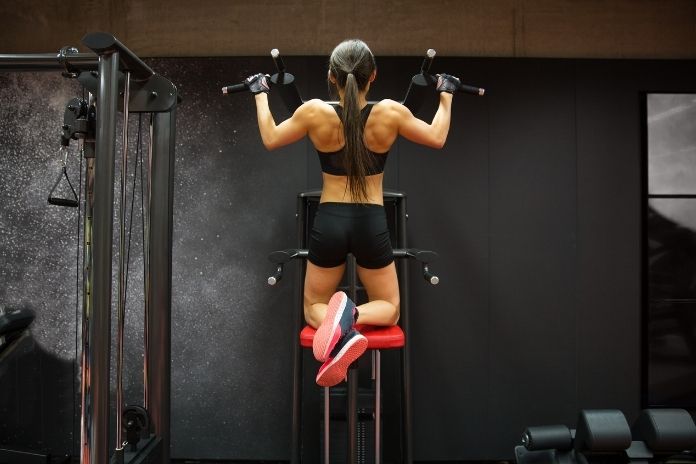
For pull-ups, grab the bar with palms facing away and pull up until your chin passes the bar. If that’s not possible, have a band or machine assist you. Lat pulldowns are an excellent alternative, just make sure to pull to the chest and not behind the neck, and to control the eccentric.
Russian Twists:
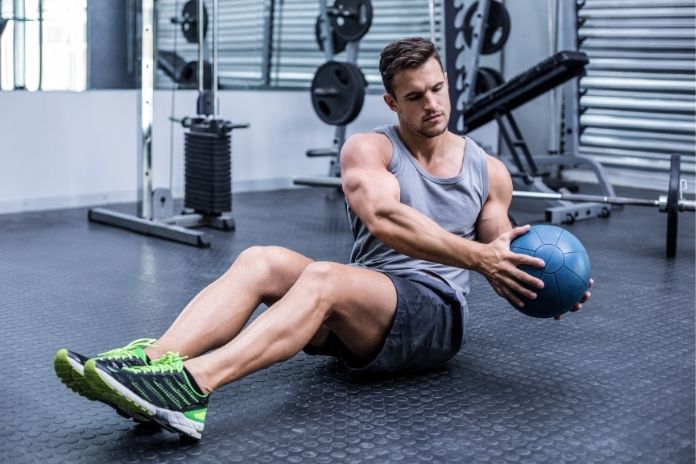
To do Russian twists, sit on the floor with your knees bent. Lean back a bit and hold a weight or medicine ball. Twist your torso to one side, touch the weight to the ground beside your hip, then twist to the other side. Do this in a controlled way, keeping your spine upright and not rounded forward.
10-Minute EMOM (Every Minute on the Minute): In EMOM, we select two easy moves, such as 10 burpees and 15 squats with your body weight. Begin a timer and do both exercises within 60 seconds. Rest for the remaining time, then start again at the beginning of the next minute for 10 repetitions. It’s short but intense and effective.
Read More: Silent Workouts: Can Low-Impact Exercises Be Just as Effective?
Progression Tips
In order to see results, you must continue to challenge your body over time. Here’s how:
- Add 5 to 10 percent extra weight every two weeks
- Add reps or sets once your present workload becomes too easy
- Have a notebook or app to record your progress and weights
- Never hurry to go heavier at the cost of good form
Consistency and intelligent progression are more important than how much you lift.
What to Do on Off Days
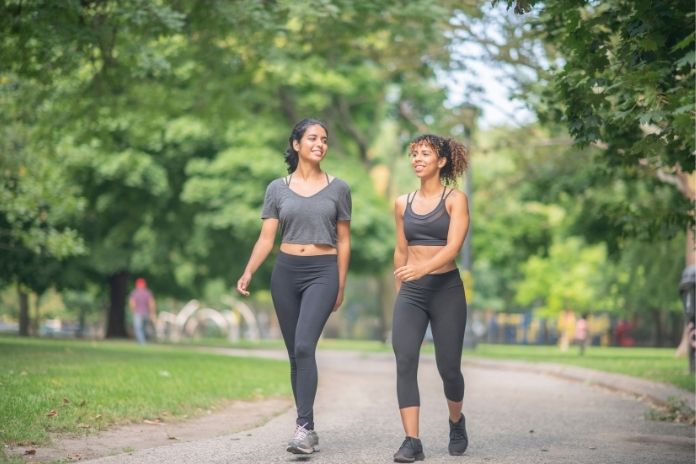
Training twice per week allows for five days of recovery and rest. Recovery, however, doesn’t equal idle time.
Best activities in between sessions:
- Go for a 30-minute walk
- Do a quick yoga or mobility flow
- Light cardio if fat loss is in your goal
- Sleep, hydrate, and consume plenty of protein. Off days are when the magic of building muscle occurs.
Who This Workout Is Best For
This plan is for anyone who’s fed up with convoluted gym routines. It suits best for:
- Busy professionals with little time
- Beginners who need a clear structure
- Anyone coming back from a break
- People pursuing strength, energy, and balance, rather than aesthetics
Final Thoughts
A whole-body workout 2 times a week may sound low, but it can yield impressive results if you do it properly. You’re working all the big muscle groups, pushing your body, and allowing it to rest.
Two days. Full effort. No time wasted.
Consistency trumps intensity every time. So if you’re in the mood for a routine that’s sustainable and effective and doesn’t take up too much time in the real world, this one-and-done plan may be just what you require.
References
- https://www.fitking.in/blog-description/what-are-emom-workouts-and-what-makes-them-so-great-/workouts/11/15202
- https://www.acefitness.org/resources/everyone/exercise-library/45/seated-overhead-press/
- https://www.youtube.com/watch?v=6zyx46Vpato
- https://www.menshealth.com/uk/workouts/a63211306/two-day-workout-plan/
- https://www.youtube.com/watch?v=7j-2w4-P14I
In this Article