













You wake up in a panic because your newborn just slept for 6 or 7 hours without waking to feed. Is that okay? This is a common concern among new parents trying to understand newborn sleep patterns.
In the first few weeks, babies usually need to feed every 2 to 4 hours, even at night, because their small stomachs can’t hold much. If your baby is not waking for feeding, it might feel alarming, but it’s not always a sign of trouble.
Once babies are around 6 to 8 weeks old and gaining weight steadily, some start sleeping longer stretches. If your baby is healthy, growing well, and your doctor hasn’t advised scheduled feeds, it may be okay to let them sleep.
Still, always check with your pediatrician before allowing long sleep stretches, especially during the first month.
Read More: Are Artificial Food Dyes Causing Hyperactivity in Children?
Understanding Newborn Sleep and Feeding Patterns
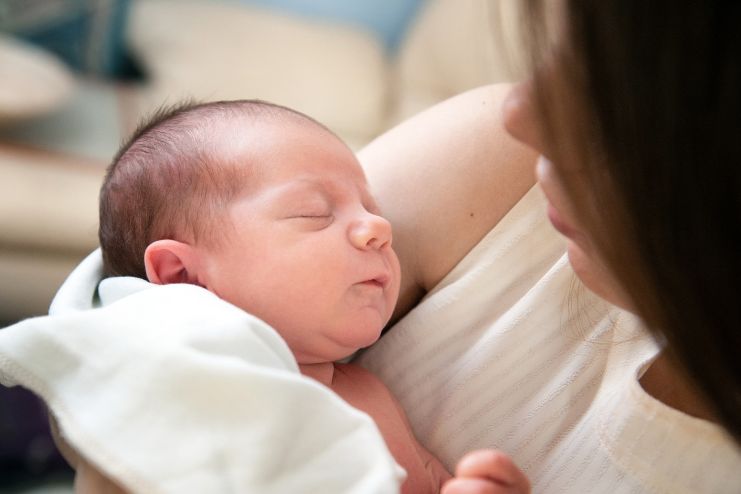
Bringing home a newborn is both exciting and overwhelming, especially when trying to understand their unpredictable sleep and feeding needs. Learning what’s typical in the first few months can help you feel more confident and better prepared.
Typical Newborn Sleep Cycles (0–3 Months)
In the early weeks, newborns sleep a lot, usually between 14 to 17 hours in a 24-hour period. However, their sleep happens in short stretches of 2 to 4 hours, both during the day and at night. That’s because their internal clocks haven’t developed yet, and their sleep cycles are shorter and lighter than adults.
It’s common for babies to stir, twitch, or grunt in their sleep. If your newborn slept 7 hours without feeding, it might seem unusual, especially in the early weeks, but it’s not always a problem; context matters.
Why Most Newborns Wake Every 2–4 Hours to Feed
Newborns have tiny stomachs, so they need to feed often—usually every 2 to 3 hours during the day and every 3 to 4 hours at night. Waking up to feed is a natural and healthy behavior. If your baby didn’t wake up to eat, it can be concerning, especially in the first few weeks.
It’s often recommended to wake very young or underweight babies for nighttime feeds to support growth. A consistent newborn feeding schedule at night helps ensure they’re getting enough nutrition during this critical stage.
Sleep Patterns Vary by Birth Weight, Age, and Health
Every newborn is different. Babies who are premature or have a lower birth weight usually need more frequent feeds and may not sleep for long stretches. Healthy, full-term babies might start sleeping longer, sometimes 5 to 6 hours, by around 6 to 8 weeks.
However, if your newborn slept 7 hours without feeding and is otherwise gaining weight and thriving, it may be okay. Still, it’s best to check with your pediatrician to make sure everything is progressing well and feeding needs are being met.
Read More: Lifestyle Tips to Prevent Hyperactivity in Children
Is It Normal for a Newborn to Sleep 6–7 Hours Without Feeding?

As a new parent, waking up to find your baby has slept 6 or 7 hours straight can be both a relief and a cause for concern. Is it normal for a newborn to sleep 6 hours without eating? The answer depends on your baby’s age, weight, and overall health.
When It Might Be Okay
If your baby is over 4 weeks old, gaining weight steadily, and seems healthy, sleeping 6–7 hours at night without feeding may be perfectly normal. Around 6 to 8 weeks, many babies begin developing longer sleep stretches as their feeding patterns stabilize.
If your baby is alert during the day, feeding well, producing regular wet diapers, and meeting developmental milestones, this longer sleep is usually nothing to worry about. In such cases, it’s okay to let them sleep and enjoy some rest yourself.
When It’s Not Okay
In the first few weeks of life, especially if your baby is under 2 weeks old or hasn’t regained their birth weight, newborns sleeping too long between feeds can be a problem. Babies this young need to feed every 2 to 3 hours, even overnight, to stay nourished and hydrated.
If your newborn sleeps 6–7 hours without feeding, and is difficult to wake or shows signs of dehydration (like dry lips, fewer wet diapers, or unusual sleepiness), it’s important to consult your doctor right away.
How Long Can a Newborn Go Without Eating?
Most newborns should not go more than 3 to 4 hours without a feed, especially in the first month. How long can a newborn go without feeding? It varies baby to baby, but generally, it’s safest to wake them for feed if they sleep too long. As your baby grows and gains weight, they may naturally begin to sleep longer, often with your pediatrician’s approval.
Always check with your healthcare provider to understand what’s best for your baby’s specific needs, especially if your baby didn’t wake up to feed during the night.
Read More: Type 1 Diabetes in Children: Tips for Parents
When You Should Wake a Newborn to Feed
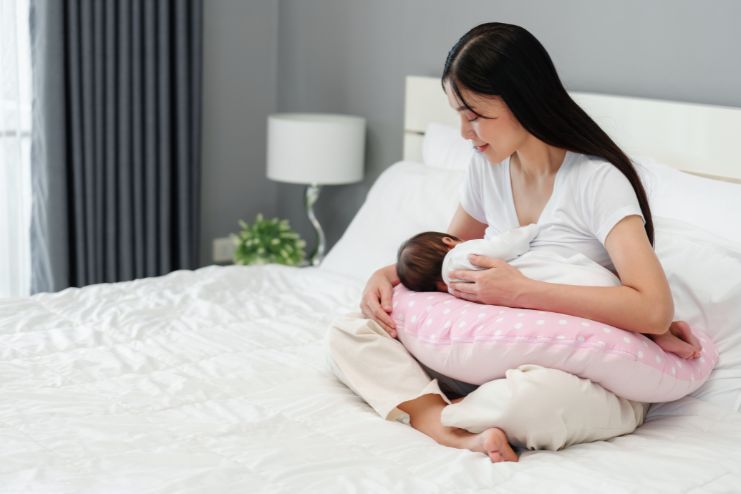
Feeding a newborn can be exhausting, especially when it means waking up throughout the night. But knowing when to wake a newborn to feed is key to making sure your baby stays healthy, gains weight, and stays hydrated.
If your newborn slept 6 hours without feeding, you might wonder, should I wake the baby to feed? Here’s what experts recommend by age and situation.
Guidelines by Age
- 0–2 Weeks:
In the first two weeks, babies need to be fed every 2 to 3 hours, even during the night. Their small stomachs can’t hold much milk, and they need frequent feeds to regain lost birth weight. If your newborn slept 6 hours without feeding during this stage, it’s best to wake them up. Missing feeds this early can affect weight gain and hydration.
- 2–4 Weeks:
If your baby is between 2 and 4 weeks old and has regained birth weight, they may start going slightly longer between feeds. With your pediatrician’s approval, night stretches of 4 to 5 hours may be okay. Still, you should monitor their weight gain and feeding cues closely.
- 4+ Weeks:
By the time your baby is over a month old, and if they’re growing well, sleeping 6–7 hours at night without feeding may be fine. However, always check with your doctor first. Every baby is different, and what works for one might not be right for another.
Red Flags to Watch For
Even if your baby sleeps longer, there are warning signs that feeding needs to be more frequent. If your baby has fewer than six wet diapers per day, appears lethargic, doesn’t latch well, or seems uninterested in feeding, these could be signs of underfeeding. Also, look out for dry lips, poor weight gain, or yellowing of the skin (jaundice).
When in doubt, it’s better to err on the side of caution. If you’re asking, “Should I wake my baby to feed?” and your baby is still very young, the answer is usually yes. Always talk to your pediatrician to know what’s best for your baby.
Read More: 10 Essential Nutrients for Children’s Growth and Development
Why Some Babies Sleep Longer at Night
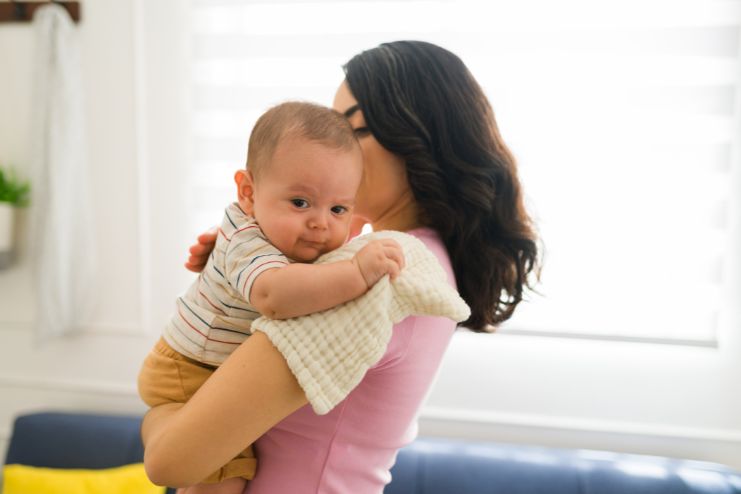
You might be happy and worried if your newborn is sleeping through the night. You might feel better after longer stretches of sleep, but you might also question if it’s too soon or if there are any disadvantages.
Here’s a straightforward explanation of why some babies sleep longer at night and what you should look for.
Cluster Feeding Before Bedtime
In the evenings, babies generally cluster feed, which means they nurse or bottle-feed more often than usual. This fills their stomachs and helps them sleep for extended periods of time. Cluster feeding is frequent during times of growth or development, and it can naturally help you sleep better at night by not having to get up as often to eat.
Growth Spurts and Deep Sleep
Babies tend to sleep more deeply while they are growing quickly, such as when they are 2 weeks, 6 weeks, or 3 months old. Growth takes a lot of energy, and deep sleep helps their bodies grow. During these times, it’s not uncommon for a baby to suddenly sleep for 6 or 7 hours. If your baby is sleeping through the night too early (before 6–8 weeks), you should talk to your pediatrician. This is especially true if your baby is still very young or hasn’t gained back the weight they lost after delivery.
Baby’s Temperament and Sleep Maturity
Some babies naturally start sleeping longer periods of time earlier than others. Around 3 to 6 months, newborns’ sleep cycles start to evolve. Some babies can sleep for extended periods of time without needing food or comfort. A calm personality can also affect how well and how long a baby sleeps.
External Factors: Sound Machines, Swaddling, White Noise
A cool, dark environment, white noise, swaddling, and a peaceful bedtime routine can all help a baby feel safe and secure enough to sleep longer. These strategies help you sleep better and wake up less at night.
Risks of Missed Nighttime Feeds
If a newborn sleeps through the night too soon, they may skip midnight feedings, which are very important for gaining weight and staying hydrated. This can be dangerous, especially for babies under 4 weeks old or those who haven’t recovered the weight they lost at birth. Always check with your child’s doctor to be sure that their long sleep periods are safe and healthy.
Read More: Understanding and Managing Food Intolerances in Children
What Are the Risks of Skipping Night Feeds Too Early?
It can feel like a dream come true when your infant starts to sleep longer at night. But if this happens too fast, especially in the first two weeks, there could be serious health hazards.
Night feeds are important for babies to sleep well, thrive, and develop. This is why it might not be a good idea to skip them too soon.
Blood Sugar Drops in Newborns
To keep their blood sugar levels normal, babies need to feed every two to three hours. If they are not fed for too long, then their blood sugar can plummet (hypoglycemia).
Signs of low blood sugar in newborns include shaking or jitteriness, pale skin, irritability, and excessive sleepiness. This might get bad if feedings are not regular. Feeding your baby at night helps provide a regular supply of glucose to support their brain and body.
Dehydration
Frequent feedings also help keep newborns hydrated, especially breastfed babies who get most of their fluids from milk. Not feeding your baby at night might make them dehydrated.
Signs of this include dry lips, fewer than six wet diapers a day, a soft region on the head that is sunken in, or unusual sleepiness. In the first few weeks of life, it’s really important to give babies early and regular night feeding to keep them hydrated.
Delayed Weight Gain
Babies need to be fed regularly for the first month so they can regain the weight they lost at birth and start growing gradually. Your kid might not be getting enough calories to grow if you stop feeding them at night too soon.
This could cause your child to gain weight more slowly, which may require your pediatrician to keep a careful eye on them. Feeding every 2 to 3 hours, including at night, helps your baby grow steadily.
Reduced Milk Supply (For Breastfeeding Moms)
Night feeds are also very important for breastfeeding moms because milk production operates on a supply-and-demand basis. When you skip evening feeds, when the hormone prolactin is most active, your body may stop creating milk. Later on, this can make it harder to meet your baby’s requirements.
In short, extended durations of sleep may seem like progress, but early night feeds are important for maintaining stable infant sleep patterns, blood sugar, hydration, and healthy growth. Before changing your baby’s nighttime feeding schedule, always talk to your pediatrician.
Read More: Studies Indicating Birth Risks in Children with Older Fathers
What Pediatricians Recommend

Amy Spangler, RN, IBCLC, and president of BabyGooroo, suggests that the breast or bottle should be offered frequently in small amounts, such as nursing for five minutes every 30–60 minutes.
This approach is recommended to help ensure that long gaps between feeds are avoided. By doing so, the baby’s infant sleep patterns are better supported, and the mother’s milk supply can be maintained effectively. New parents often follow her advice to encourage healthy feeding and growth.
According to Bryna McCollum, it has been observed that some apps recommend feeding a baby every two hours. However, babies often cluster feed more frequently, sometimes every 45 minutes, which should not be avoided. It is suggested that feedings and diaper changes be recorded manually using pencil and paper for at least the first five days.
This information can then be brought to the baby’s initial checkup, where it should be discussed with the pediatrician to determine whether continued tracking is necessary based on the baby’s feeding behavior and overall health.
Tips for Safe and Healthy Sleep While Ensuring Nutrition
It can be very difficult to help your baby sleep peacefully while still obtaining adequate nourishment, especially during the first few weeks.
However, you can encourage healthy sleeping and eating practices that support your baby’s development and well-being with a little preparation and the appropriate strategy. Here are some useful suggestions to help you strike a balance between diet and sleep.
Feed Well Before Bedtime
Before going to bed, always make sure your baby has a full feed. A contented infant is more likely to fall asleep and stay asleep for extended periods of time.
In addition to helping them reach their calorie requirements, this evening feed may lessen night terrors. As infants get older, this nightly feeding can be included in a regular bedtime schedule that promotes sound sleep habits.
Use a Baby Tracker App or Log
When you’re sleep deprived, it’s easy to forget how frequently your baby feeds, sleeps, and changes diapers. Keeping a record or using a baby tracker app can help you keep an eye on these facts.
It helps you identify any changes that could need attention and gives you a clear picture of feeding patterns. Sharing it with your pediatrician at checkups is also a terrific idea.
Set an Alarm If Necessary (Especially First 2 Weeks)
Babies may not wake up to feed themselves in the early days, particularly in the first two weeks, if they are drowsy or haven’t regained their birth weight. If your baby goes too long without eating, set an alarm every two to three hours to wake up and feed. Dehydration, low blood sugar, and delayed weight growth are avoided in this way.
It’s important to know when to let the baby sleep vs. wake to feed. In general, if your baby is younger than four weeks old or isn’t gaining weight consistently, wake them up to feed.
Gradually Allow Longer Sleep Once Pediatrician Approves
You can start allowing longer sleep durations at night as your baby gets older and your pediatrician certifies that feeding and weight increase are proceeding as planned. Usually, this begins between weeks 6 and 8.
You might no longer need to wake your infant at night if they are feeding properly during the day and exhibiting signs of good growth.
Read More: Disinfectants as a Possible Inducer of Risks of Obesity in Children
Conclusion

If your newborn sleeps one long stretch without waking to feed, it might be perfectly normal, or it could be a sign to check in with your doctor. The key is to look at your baby’s age, weight gain, and diaper output.
Babies under 4 weeks usually need to feed every 2-3 hours, even overnight. But if your baby is gaining weight well, producing plenty of wet diapers, and your pediatrician has no concerns, a longer sleep might be just fine.
Always trust your instincts; if something doesn’t feel right or you’re unsure about when to let the baby sleep vs. wake to feed, don’t hesitate to reach out to your pediatrician. Every baby is different, and your doctor can offer guidance based on your baby’s needs.
For more expert-backed advice on baby sleep and feeding routines, explore our newborn care guides and resources.
References
- https://my.clevelandclinic.org/health/articles/14300-sleep-in-your-babys-first-year
- https://www.babycenter.com/baby/sleep/when-can-my-baby-go-through-the-night-without-a-feeding_1368537
- https://www.smartsleepcoach.com/blog/sleep-tips/how-long-should-a-newborn-sleep-without-feeding
- https://www.betterhealth.vic.gov.au/health/healthyliving/typical-sleep-behaviour-nb-0-3-months
- https://raisingchildren.net.au/newborns/sleep/settling-routines/newborn-sleep-routines
- https://www.medicalnewstoday.com/articles/322565
- https://kidshealth.org/en/parents/sleepnewborn.html
- https://www.whattoexpect.com/first-year/ask-heidi/wake-to-feed.aspx
- https://www.breastfeeding.asn.au/resources/wake-my-baby
- https://www.in.pampers.com/baby/feeding/article/wake-newborn-baby-to-eat
- https://www.bbc.com/future/article/20220131-the-science-of-safe-and-healthy-baby-sleep
- https://www.lullabytrust.org.uk/baby-safety/being-a-parent-or-caregiver/baby-sleep-patterns/
- https://www.in.pampers.com/baby/sleep/article/when-do-babies-sleep-through-the-night
- https://www.onlymyhealth.com/is-it-ok-to-skip-night-feeds-if-baby-sleeps-expert-tells-12977834693
- https://pmc.ncbi.nlm.nih.gov/articles/PMC8604149/
- https://www.asterhospitals.in/blogs-events-news/aster-rv-bangalore/benefits-and-challenges-of-night-time-breastfeeding
- https://www.healthychildren.org/English/ages-stages/baby/sleep/Pages/a-parents-guide-to-safe-sleep.aspx
- https://www.nationwidechildrens.org/family-resources-education/health-wellness-and-safety-resources/helping-hands/safe-sleep-practices-for-babies
- https://www.nationwidechildrens.org/family-resources-education/health-wellness-and-safety-resources/helping-hands/healthy-sleep-habits-for-infants-and-toddlers
In this Article