













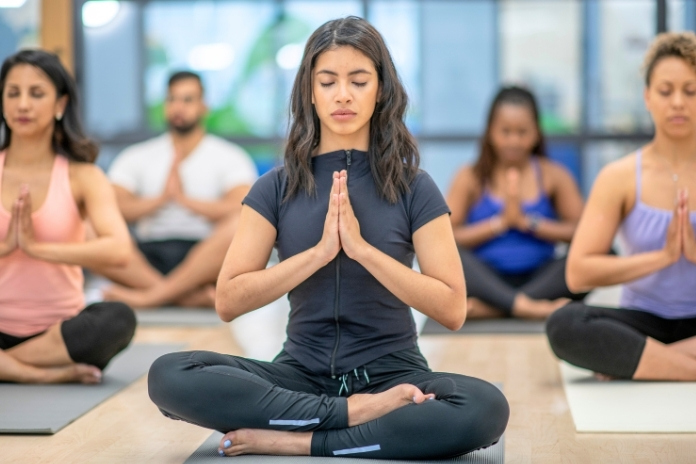
In today’s fast-paced world, it’s no surprise that more and more people are turning to meditation and mindful living to find a little peace and clarity. We’re constantly juggling responsibilities, screens, and stressors, so taking time to slow down and be present isn’t just a luxury; it’s becoming a necessity. Mindfulness, which is all about tuning into the present moment with intention and awareness, helps us reconnect with ourselves and create space to breathe, think, and simply be.
What’s truly fascinating is that this practice not only makes us feel calmer, but it also creates genuine changes in our brain chemistry. When we live mindfully, we strengthen the mind-body connection, allowing us to better regulate emotions and improve mental clarity. But it goes deeper than that.
Mindfulness has been shown to influence neurotransmitters like dopamine and serotonin, the brain’s chemical messengers that shape how we feel, think, and function. Dopamine is tied to motivation and focus, while serotonin helps regulate mood and brings that overall sense of well-being.
When these two neurotransmitters are in balance, we feel more grounded, emotionally resilient, and mentally sharp. That’s why mindful living can be such a game-changer—it helps us naturally support this equilibrium without relying solely on external fixes.
By simply paying attention to our breath, our thoughts, and our daily habits, we can begin to unlock a healthier, more balanced mind. It’s a powerful reminder that some of the best tools for mental wellness are already within us. Have you tried any mindfulness practices lately?
The Dance of Neurotransmitters

Understanding how our brain chemicals work together gives us valuable insight into emotional health. Two of the most important neurotransmitters, serotonin and dopamine, play major roles in how we feel, stay motivated, and manage daily life. While they each serve different purposes, their relationship is deeply intertwined, creating a foundation for mental stability and resilience.
Serotonin and Dopamine: A Harmonious Duo
- Serotonin, often called the “feel-good” chemical, helps regulate mood, promotes emotional stability, and contributes to an overall sense of well-being. It’s closely linked with feelings of optimism and emotional balance.
- Dopamine, on the other hand, is all about reward and drive. It boosts focus, fuels motivation, and gives us that sense of satisfaction when we accomplish something. Without enough dopamine, staying engaged and productive can be a struggle.
- These two neurotransmitters don’t work in isolation; they support each other. While serotonin helps maintain a calm, steady emotional baseline, dopamine keeps us energized and goal-oriented.
Together, they form a dynamic system that influences both how we feel and how we function. When they’re in sync, we’re more likely to experience clarity, motivation, and emotional resilience.
Read More: 18 Natural Ways To Increase Serotonin – Boost Your Mood!
When Things Fall Out of Sync
Neurotransmitter imbalances don’t just affect how we feel for a day or two; they can significantly impact our long-term mental health. Understanding these imbalances can help us spot early signs of emotional challenges and take proactive steps toward balance.
Imbalance Consequences
- A shortage of serotonin can lead to issues like depression, anxiety, and trouble sleeping. On the flip side, too much serotonin may contribute to impulsive behavior or irritability in some cases.
- Dopamine dysregulation is linked to conditions such as ADHD, where focus and motivation are difficult to maintain, and even schizophrenia, where perceptions and thoughts can become distorted.
- Because these chemicals are so interconnected, a shift in one often impacts the other, creating a ripple effect on mood, attention, and energy levels.
Recognizing how delicately these systems are balanced reminds us why emotional well-being isn’t just about mental effort—it’s also deeply rooted in biology. Prioritizing habits and lifestyles that support neurotransmitter balance, like mindful living, quality sleep, and nourishing food, can make a big difference.
A 2024 study from Stanford Neuroscience provides compelling evidence that dopamine and serotonin work together, but in opposing ways, to shape how we learn from rewards. Dopamine functions as the accelerator, pushing us toward reward-seeking when outcomes exceed expectations. Serotonin, in contrast, acts more like a brake, promoting patience and helping the brain pause and reassess before acting.
Mindful Practices for Serotonin and Dopamine Balance
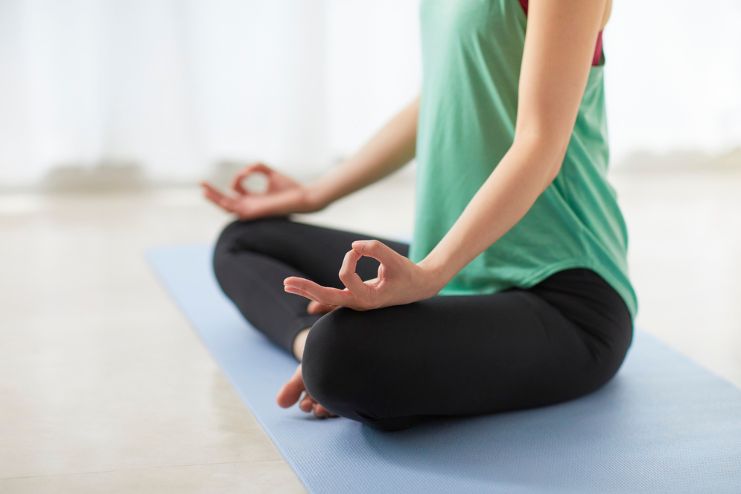
Building Neurotransmitter Balance Through Mindful Living
In today’s fast-moving world, maintaining emotional stability isn’t always easy, but it’s absolutely possible. One of the most powerful ways to support your mental well-being is by nurturing the balance between two key neurotransmitters: serotonin and dopamine. These brain chemicals are deeply connected to how we feel, think, and react, and mindful living can help regulate them naturally.
Incorporating intentional habits into your routine can gently guide your brain chemistry back into harmony. Below are seven simple yet effective mindfulness practices that support emotional resilience and foster a healthier mental state.
1. Meditation and Mindfulness
Mindfulness meditation is a powerful and proven method for balancing serotonin levels. By taking time to pause and focus on the present, we activate parts of the brain linked to mood regulation and reduce stress, a major disruptor of serotonin production.
- Practicing daily mindfulness can create a steady sense of calm and clarity.
- It helps reduce reactivity to everyday stressors.
- Over time, it supports the brain’s natural ability to stabilize mood and foster emotional resilience.
2. Gratitude Journaling
Gratitude isn’t just a feel-good emotion; it’s also a dopamine booster. When we take time to notice and appreciate what’s going well in our lives, we stimulate the brain’s reward system.
- Writing down three things you’re grateful for daily can spark dopamine production.
- It promotes a more optimistic mindset, enhancing emotional well-being.
- Over time, gratitude journaling trains the brain to focus on the positive, which helps balance motivation and reward-seeking behaviors.
3. Mindful Eating Habits
Food fuels more than just the body; it also influences brain chemistry. Practicing mindful eating can directly support serotonin production, especially when we consume nutrient-rich foods with awareness and intention.
- Paying attention to taste, hunger cues, and fullness promotes better digestion and mental clarity.
- Foods rich in tryptophan (like eggs, salmon, cheese, tofu, nuts, seeds, and turkey) aid in serotonin synthesis.
- Mindful eating reinforces the mind-body connection, helping us make nourishing choices that support emotional health.
According to Dr. Susan Albers, a clinical psychologist at the Cleveland Clinic and author of Eating Mindfully, mindful eating is about awareness: slowing down, paying attention to the food you’re eating, and savoring every bite.
4. Yoga for Serotonin Boost
Yoga blends movement, breath, and mindfulness into one deeply restorative practice. It’s not only good for flexibility and strength, but it also has a direct impact on neurotransmitter balance, particularly serotonin.
- Physical postures paired with deep breathing help release serotonin and lower stress hormones.
- The meditative aspects of yoga support mental calm and clarity.
- Regular practice nurtures both inner peace and emotional balance.
Read More: Mindful Eating – Learn About The Tips, Strategies And Benefits
5. Social Connection and Dopamine
Connecting with others is essential—not just emotionally, but biologically. Meaningful social interactions naturally trigger dopamine release, reinforcing feelings of joy and fulfillment.
- Talking, laughing, and spending time with friends and loved ones stimulates the brain’s reward pathways.
- Social bonds increase feelings of belonging, which supports long-term emotional resilience.
- Making space for regular connection is a simple yet effective way to maintain mental wellness.
6. Forest Bathing and Nature Exposure
Time in nature offers a mental reset that few other experiences can match. Forest bathing—a practice of immersing oneself in a natural setting—can restore both serotonin and dopamine levels.
- Exposure to greenery and natural sounds lowers cortisol and boosts mood.
- Activities like hiking, walking in the park, or even sitting in a garden promote neurological harmony.
- Nature serves as a powerful, drug-free therapy for reducing stress and fostering emotional balance.
A 2019 meta-analysis revealed that exposure to forest environments significantly reduced salivary cortisol levels, a key marker of stress, compared to urban settings, supporting the therapeutic effect of nature on physiological stress responses.
7. Mindful Breathing Exercises
Breathing is something we do automatically, but when done mindfully, it becomes a tool for healing. Controlled, intentional breathing activates the parasympathetic nervous system, encouraging the release of serotonin and creating a sense of calm.
- Simple exercises like box breathing or 4-7-8 breathing can be practiced anywhere, anytime.
- They’re excellent for managing anxiety and refocusing the mind.
- Consistent practice helps stabilize mood and maintain a balanced emotional state.
A Daily Commitment to Inner Balance
By weaving these practices into your everyday life, you’re not just managing stress; you’re creating a sustainable path toward emotional stability and mental clarity. Mindful living empowers you to influence your brain chemistry in natural, meaningful ways. With each small act of awareness, you bring serotonin and dopamine into balance, laying the foundation for a more grounded, resilient, and optimistic you.
Cultivating a Mindful Lifestyle

Mindful living isn’t about perfection; it’s about showing up with intention each day. Two essential elements that support long-term success in this journey are consistency and customization. Together, they form the backbone of a sustainable practice that nurtures both emotional balance and mental clarity. Here’s how each plays a unique role in helping you maintain neurotransmitter harmony and cultivate a lifestyle that truly supports your well-being.
A. Consistency is Key
Building a balanced and resilient mind takes time, and sticking with your mindfulness practices is what allows those benefits to take root. Just like physical fitness, mental wellness requires ongoing effort. Consistency is what allows the brain to recalibrate and maintain optimal serotonin and dopamine levels over time.
- A regular mindfulness practice provides stability, making it easier for the brain to regulate mood and motivation.
- Daily repetition helps reinforce positive habits that reduce stress and support emotional resilience.
- Even short, simple routines, like five minutes of meditation or daily gratitude journaling, can create meaningful long-term shifts.
Think of consistency as mental training. The more you show up for your practice, the more your mind learns to stay balanced and centered, even when life gets overwhelming.
B. Customizing Practices
There’s no one-size-fits-all approach to mindfulness. What feels calming and effective for one person might not resonate with another, and that’s perfectly okay. The key is to explore, stay open, and find what genuinely works for you.
- Some people may feel most at ease during silent meditation, while others thrive on movement-based practices like yoga.
- Gratitude journaling might be deeply fulfilling for some, while others may connect more with nature walks or breathwork.
- Customization allows you to create a routine that feels authentic and enjoyable, making it more likely you’ll stick with it.
This flexibility is one of mindfulness’s greatest strengths. By tuning into what resonates with your lifestyle, personality, and energy levels, you’ll craft a practice that feels less like a task and more like a natural part of your day.
Read More: Mindfulness in Daily Life: Small Habits for Greater Peace and Presence
Finding Your Flow
Consistency gives mindfulness structure, while customization gives it soul. When you combine both, you’re not just building a habit—you’re creating a lifestyle. Whether you’re just starting out or deepening your practice, remember that it’s your journey. Keep showing up, stay curious, and allow your approach to evolve with you.
Conclusion
Within the world of mindful living, simple daily practices can do more than just help us feel good in the moment—they actually shape our long-term mental and emotional health. Balancing key neurotransmitters like serotonin and dopamine isn’t about chasing perfection; it’s about creating steady habits that support your brain and body in feeling more grounded, calm, and motivated. From meditation to gratitude journaling, each of these practices plays a unique role in regulating mood, focus, and overall well-being.
What’s really powerful is how these habits work together. Meditation helps quiet the mind and ease stress, while gratitude journaling lights up the brain’s reward centers and boosts feelings of joy. Add in mindful eating, yoga, regular social connection, time spent in nature, and simple breathing techniques, and you’ve got a whole toolkit that encourages a natural harmony in the brain. It’s like creating a rhythm that keeps serotonin and dopamine dancing in balance, helping you feel more emotionally steady and mentally clear.
The best part? These tools are totally accessible. You don’t need hours of free time or fancy equipment; just a willingness to be present and intentional. Even a few minutes a day can make a real difference. By weaving mindfulness into your routine, you’re not just managing stress; you’re actively building resilience and tapping into a deeper sense of inner calm. Over time, these small moments create a big shift, guiding you toward a more balanced, fulfilling way of living. Have you tried adding any of these practices to your day yet?
References
- https://www.nationwidechildrens.org/family-resources-education/700childrens/2023/02/dopamine-and-serotonin
- https://www.medicalnewstoday.com/articles/326090
- https://my.clevelandclinic.org/health/articles/22572-serotonin
- https://www.ncbi.nlm.nih.gov/pmc/articles/PMC7360591/
- https://www.healthdirect.gov.au/dopamine
- https://eocinstitute.org/meditation/the-happy-neurotransmitter-how-meditation-boosts-serotonin/
- https://www.ncbi.nlm.nih.gov/pmc/articles/PMC4769029/
- https://www.rcpsych.ac.uk/docs/default-source/members/sigs/spirituality-spsig/avdesh-sharma-meditation-as-medication2.pdf
- https://positivepsychology.com/neuroscience-of-gratitude/
- https://www.shutterfly.com/ideas/how-to-start-a-gratitude-journal/
- https://www.hhs.nd.gov/sites/www/files/documents/BH/Gratitude.pdf
- https://www.yahoo.com/lifestyle/serotonin-boosting-foods-mood-blah-160409652.html
- https://my.klarity.health/serotonin-foods-for-sleep/
- https://pubmed.ncbi.nlm.nih.gov/6381575/
- https://yogauonline.com/yoga-health-benefits/yoga-wellness/take-your-yoga-outside-increase-your-serotonin-and-melatonin-levels/
- https://www.health.harvard.edu/staying-healthy/yoga-for-better-mental-health
- https://commwellhealth.org/using-yoga-to-relieve-the-symptoms-of-depression/
- https://www.ncbi.nlm.nih.gov/pmc/articles/PMC2889690/
- https://www.sciencedaily.com/releases/2016/02/160211144057.htm
- https://www.nature.com/articles/s41467-018-05526-5
- https://pittsburghparks.org/why-nature-is-good-for-mind-and-body/
- https://integrisok.com/resources/on-your-health/2019/january/can-spending-time-in-nature-change-your-brain
- https://www.healthline.com/health/health-benefits-of-being-outdoors
- https://www.nib.com.au/the-checkup/what-is-serotonin-how-to-increase-it
- https://positivepsychology.com/breathwork-techniques/
- https://www.everydayhealth.com/alternative-health/living-with/ways-practice-breath-focused-meditation/
- https://psychcentral.com/health/everyday-mindfulness
- https://hbr.org/2016/03/how-to-practice-mindfulness-throughout-your-work-day
- https://newsinhealth.nih.gov/2012/01/mindfulness-matters
- https://www.self-haven.com/mental-wellbeing/2017/8/12/the-importance-of-mindfulness
- https://observatory.synthesisretreat.com/10-ways-mindfulness-coronavirus
- https://journals.sagepub.com/doi/full/10.1177/1350508420968195
In this Article