













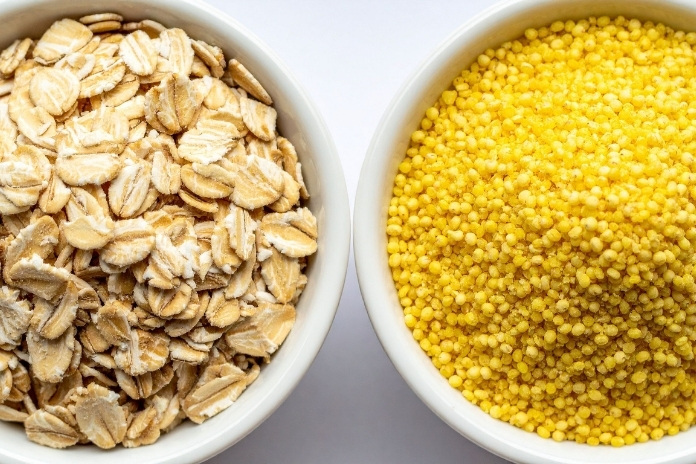
Breakfast is often called the most important meal of the day, and for good reason: it jumpstarts your metabolism, fuels your energy levels, and sets the tone for mental focus and mood. Among the wide range of options, whole grains like oatmeal and millet have gained attention as nutrient-dense, versatile “superfoods.”
Both are easy to prepare, pair well with a variety of flavors, and can be customized for sweet or savory dishes. But beyond their convenience, these grains offer distinct nutritional profiles, unique health benefits, and subtle differences in how they affect blood sugar, digestion, and heart health.
Understanding these differences can help you make smarter choices for your breakfast, whether your goal is sustained energy, better gut health, or overall wellness. This guide dives into the nutrients, advantages, and practical ways to incorporate oatmeal and millet into your daily routine so you can pick the right option for your lifestyle.
Nutritional Overview: Millet vs. Oatmeal
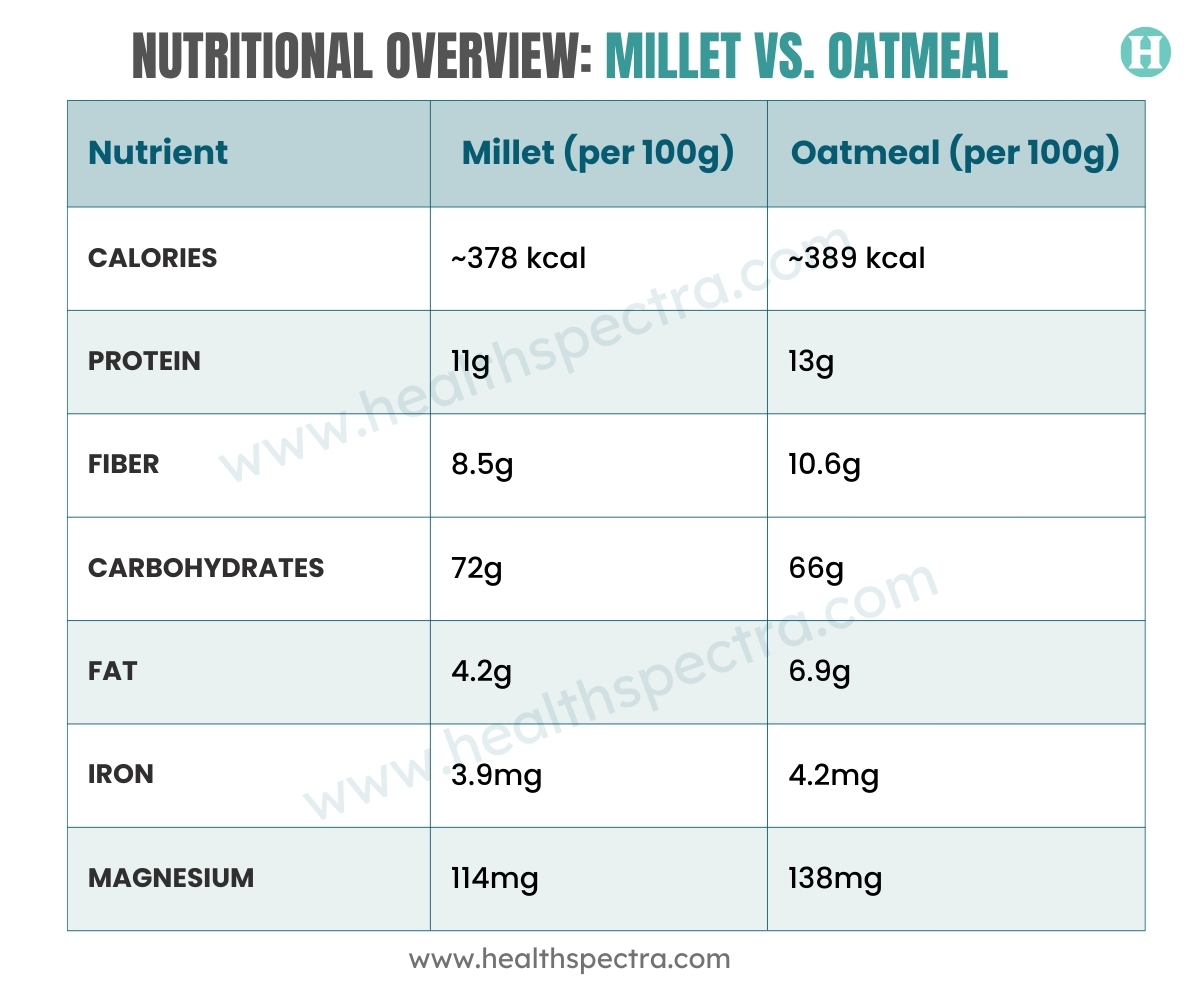
Before diving into the health benefits of millet and oatmeal, it would be helpful to understand the nutritional composition of each grain. While both are whole grains packed with energy, fiber, and essential minerals, they differ in protein, fat, carbohydrate content, and micronutrients like iron and magnesium.
Comparing them side by side provides a snapshot of their strengths, helping you see which might better suit your dietary goals, whether it’s boosting fiber intake, supporting muscle health, or managing blood sugar. The table below compares these grains for their key nutrients per 100 grams.
 A 2017 controlled study found that consuming 3 grams of soluble fiber from oats daily for four weeks resulted in an 8.1% reduction in total cholesterol and an 11.6% reduction in LDL cholesterol. Incorporating oats regularly can be a simple and effective lifestyle change for supporting long-term heart health and cholesterol management naturally.
Health Benefits of Oatmeal
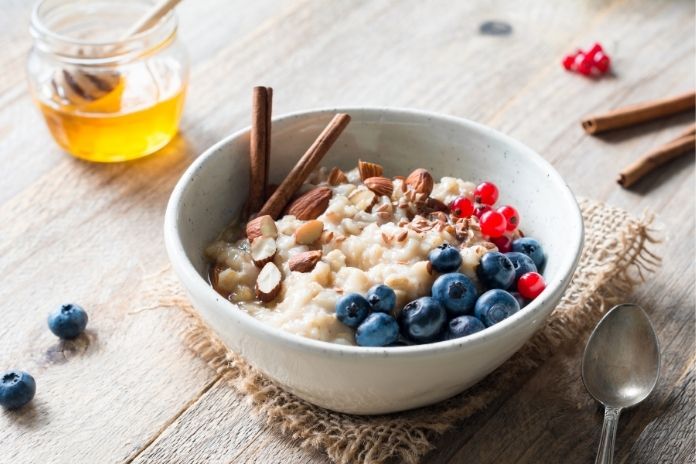
Oatmeal has long been celebrated as a wholesome, versatile breakfast option, and for good reason. Beyond being warm, comforting, and easy to prepare, it offers a powerful nutritional profile that supports multiple aspects of health.
Packed with soluble fiber, antioxidants, and essential vitamins and minerals, oatmeal is more than just a source of energy; it’s a functional food that can positively impact heart health, weight management, and overall well-being.
Let’s break down the key benefits and see why including oatmeal in your morning routine can be a smart choice.
- Heart Health: Oatmeal is rich in soluble fiber, particularly beta-glucan, which has been shown to lower LDL (“bad”) cholesterol and stabilize blood sugar levels. Regular consumption may also help reduce blood pressure, contributing to better cardiovascular health.
- Weight Management: The soluble fiber in oatmeal slows digestion and promotes a feeling of fullness, which can help control appetite and reduce overeating. Studies suggest that including oatmeal in breakfast can support healthy weight management over time.
- Antioxidants: Oatmeal contains unique antioxidants called avenanthramides, which help combat oxidative stress and may reduce inflammation. These compounds promote vascular health and provide protective benefits against chronic diseases associated with inflammation.
“Oatmeal is one of the simplest, most effective foods for supporting heart and metabolic health. Its soluble fiber not only helps lower cholesterol but also stabilizes blood sugar, while the antioxidants provide protective benefits against inflammation,” says Dr. Sudhanshu Rai, a metabolic doctor and sports physiotherapist.
Read More: Gut-Friendly Overnight Oats with Berries: A Probiotic Breakfast
Health Benefits of Millet
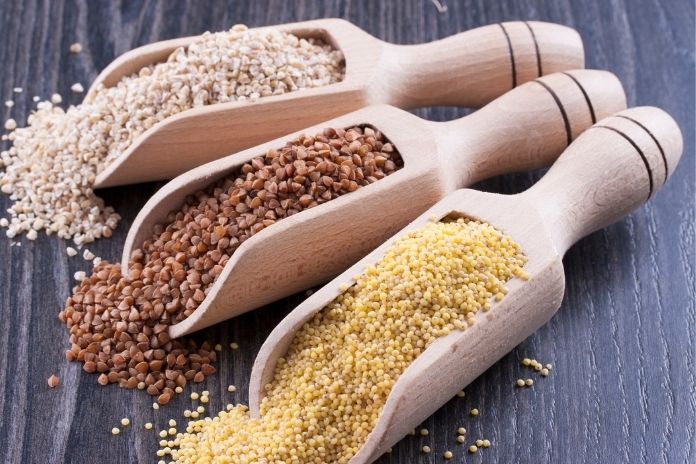
Millet is an ancient whole grain that has been a staple in many cultures for centuries, prized not only for its versatility but also for its nutritional advantages. Light, nutty, and easy to cook, millet stands out for its unique composition of protein, minerals, and fiber.
It’s particularly appealing for those seeking gluten-free options or foods that support stable blood sugar levels. Regular inclusion of millet in your diet can contribute to overall health, from improving digestion and heart function to supporting energy and bone strength. Here’s a closer look at what makes millet a nutritional powerhouse.
- Gluten-Free: Millet is naturally gluten-free, making it an excellent choice for people with celiac disease or gluten sensitivity. It can be used as a base for porridge, baked goods, or even as a rice substitute, providing a safe, nourishing option for those avoiding gluten.
- Higher Protein and Minerals: Compared to oats, millet contains slightly more protein and a rich profile of essential minerals, including calcium, magnesium, and phosphorus. These nutrients support muscle function, bone health, and metabolic processes, making millet a strong addition to a balanced diet.
- Blood Sugar Control: Millets have a lower glycemic index than many other grains, which means they release glucose more slowly into the bloodstream. This can help prevent sudden spikes in blood sugar, making millet a smart choice for people managing diabetes or looking to maintain steady energy levels throughout the day.
A systematic review and meta-analysis published in Frontiers in Nutrition analyzed data from 65 studies involving over 1,000 participants. The findings indicated that regular consumption of millets resulted in a 12–15% reduction in both fasting and postprandial blood glucose levels. Additionally, the HbA1c levels (a marker of long-term blood sugar control) decreased by an average of 17% in pre-diabetic individuals, thereby moving them from a pre-diabetic to a normal status.
Which Is Better for Specific Health Goals?
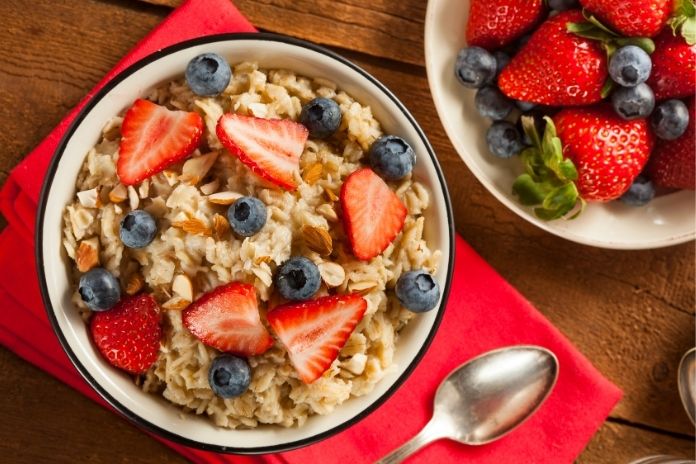
When choosing between oatmeal and millet, the “better” option often depends on your personal health goals. Both grains offer valuable nutrients, but each has unique strengths that make it more suitable for certain outcomes. Understanding these differences can help you tailor your breakfast, or any meal, so it supports your heart, blood sugar, weight management, or dietary restrictions. Here’s a breakdown of which grain may be best for specific health priorities:
- For Heart Health: Oats have stronger evidence for supporting cardiovascular health, largely due to their high soluble fiber content, particularly beta-glucan. Regular consumption can help lower LDL (“bad”) cholesterol and improve overall heart function.
- For Diabetes and Blood Sugar Control: Millets may have an edge because of their lower glycemic index, which results in slower glucose release into the bloodstream. This helps maintain steady blood sugar levels, making millet a smart choice for those managing diabetes or insulin sensitivity.
- For Weight Management: Both grains can aid in controlling appetite. Oats are especially effective at promoting satiety due to their soluble fiber, while millet adds variety, protein, and slow-digesting carbohydrates, keeping you satisfied between meals.
- For Gluten-Free Diets: Millet is naturally gluten-free, making it a safe option for people with celiac disease or gluten sensitivity. Oats, on the other hand, need to be certified gluten-free to avoid cross-contamination during processing.
Read More: Steel-Cut vs. Rolled Oats: Which One Is Healthier and Better for You?
Taste, Texture, and Versatility
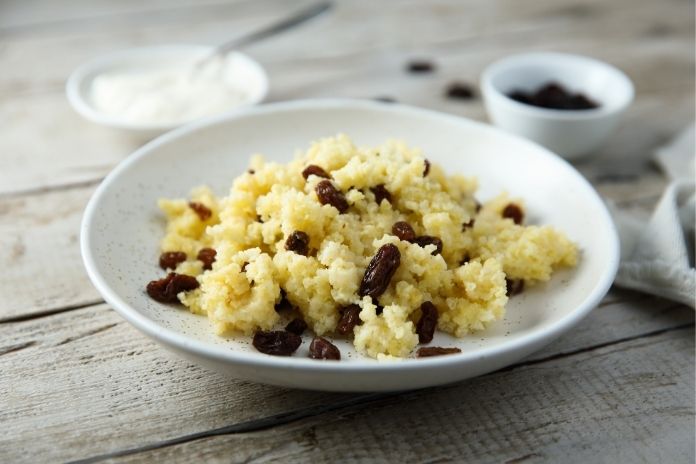
Beyond nutrition, the appeal of a grain also comes down to taste, texture, and how easily it fits into your meals. Oatmeal and millet each have distinctive characteristics that influence how you enjoy them and the variety of dishes you can create. Understanding their flavors, mouthfeel, and preparation requirements can help you choose the grain that best fits your lifestyle, mealtime preferences, and cooking routine.
- Oatmeal: Oats have a creamy, neutral flavor that blends easily with both sweet and savory ingredients. They pair well with fruits, nuts, seeds, and spices, making them a flexible option for breakfast bowls, smoothies, or baked goods.
- Millet: Millet offers a nutty, slightly chewy texture that adds interest to meals. Its versatility allows it to be used in porridges, upma, salads, or grain bowls, giving you a wide range of savory and sweet options beyond traditional breakfast.
- Cooking Time and Preparation: Oats generally cook faster, making them convenient for quick breakfasts or snacks. Millet may require longer cooking or pre-soaking to achieve the desired tenderness, but the slightly firmer texture adds a satisfying bite to meals.
How to Choose the Right Grain for You
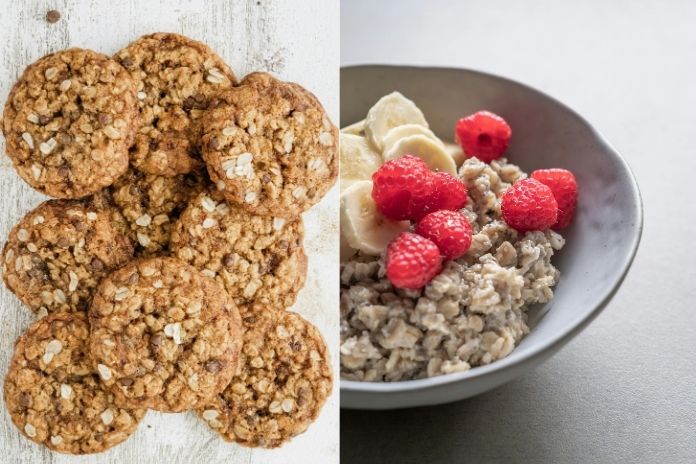
Selecting the best grain depends on your individual health goals, lifestyle, and preferences. Both oatmeal and millet have unique strengths, so understanding your needs can help you make an informed choice that fits seamlessly into your diet.
- Consider Health Needs: Your personal health priorities should guide your choice. For example, if heart health and cholesterol management are your main focus, oats, with their high soluble fiber content, may be the better option. If you follow a gluten-free diet or are sensitive to gluten, millet is naturally free of gluten and safer for daily consumption.
- Variety: Including both grains in your diet can provide nutritional diversity and prevent monotony. Alternating between oatmeal and millet ensures you benefit from their complementary nutrients, from oats’ beta-glucan to millet’s higher mineral content and lower glycemic index.
- Accessibility and Cost: Practical considerations like availability and price may influence your choice. Oats are widely available, easy to cook, and generally affordable. Millet may be less common in some regions and could require slightly longer preparation, but incorporating it occasionally can still provide valuable nutrients and variety.
- Taste and Culinary Preferences: Think about texture and flavor. Oats are creamy and neutral, pairing easily with sweet or savory toppings, while millet’s nutty flavor and slightly chewy texture may appeal to those seeking a heartier grain experience. Choose the one that you enjoy the most to make it a sustainable part of your routine.
- Lifestyle and Convenience: Your schedule matters too. Oats are quick to prepare, ideal for busy mornings, while millet may require pre-soaking or longer cooking times. If you have time for meal prep, millet can be a great addition; if convenience is key, oats may fit better into your routine.
Frequently Asked Questions (FAQs)
Q: Can I eat millet and oats together?
Yes, combining millet and oats can give you the best of both worlds. You’ll get a broader spectrum of nutrients, including fiber, protein, and minerals, while enjoying varied flavors and textures. Mixing them in porridge, baked goods, or grain bowls is an easy way to enhance both nutrition and taste.
Q: Which has more protein: millet or oats?
Oats generally contain slightly more protein per 100 grams compared to millet, making them a good choice for supporting muscle health and satiety. However, millet still provides a respectable amount of plant-based protein and can complement other protein sources in your diet.
Q: Is oatmeal or millet better for weight loss?
Oats may have a slight advantage for weight management due to their higher soluble fiber and protein content, which help you feel fuller for longer. That said, millet’s fiber and slower-digesting carbs also support satiety, so both grains can be useful depending on how you incorporate them into meals.
Conclusion
Both oatmeal and millet are nutrient-dense whole grains that can support health, energy, and overall wellness. Oats stand out for heart health, fiber content, and quick preparation, while millet shines as a gluten-free option with a lower glycemic index and rich mineral profile. Choosing between them depends on your personal health goals, dietary needs, and lifestyle preferences, but you don’t have to pick just one.
Incorporating both grains into your meals can maximize nutritional benefits, diversify flavors and textures, and help maintain long-term healthy eating habits. Whether you’re seeking better digestion, sustained energy, or weight management, mindful selection and preparation of these grains can make a meaningful difference.
Ultimately, the “best” grain is the one you enjoy, can consistently include in your diet, and that aligns with your wellness goals. By understanding their unique strengths, you can make informed choices that fuel your body, satisfy your palate, and support lasting health.
References
- https://www.naario.com/blogs/news/millets-vs-oats-a-comprehensive-comparison
- https://www.indiatoday.in/information/story/millet-vs-oats-what-to-eat-for-fibre-protein-and-gut-health-2787649-2025-09-15
- https://jeenimilletmix.in/millets-vs-oats-a-comprehensive-nutritional-comparison
- https://www.milletmaagicmeal.in/blogs/blogs/millet-vs-oats
- https://www.bmj.com/content/355/bmj.i5475
- https://twobrothersindiashop.com/blogs/food-health/oats-vs-millets
- https://blogs.ammae.in/2017/08/millet-vs-oats.html
- https://timesofindia.indiatimes.com/life-style/health-fitness/health-news/oats-or-millets-which-superfood-grain-boosts-fiber-heart-health-and-blood-sugar-control/articleshow/123918968.cms
- https://www.webmd.com/diet/health-benefits-oatmeal
- https://www.medicalnewstoday.com/articles/324176
- https://pmc.ncbi.nlm.nih.gov/articles/PMC8625765/
- https://www.health.com/nutrition/is-oatmeal-healthy
- https://health.clevelandclinic.org/how-healthy-is-oatmeal-for-breakfast-really
- https://www.webmd.com/diet/health-benefits-millet
- https://wafflemill.com/blogs/news/10-health-benifits-of-millets
- https://pmc.ncbi.nlm.nih.gov/articles/PMC11091339
- https://www.medicalnewstoday.com/articles/what-is-millet
In this Article