















Can a simple mineral really help you fall asleep faster and wake up more refreshed? TikTok says yes—and science might agree. Scroll through wellness hashtags, and you’ll find influencers raving about magnesium supplements as their secret to deeper sleep, calmer minds, and stress-free nights.
This trend isn’t just hype—it’s rooted in real biology. Magnesium is an essential mineral that supports muscle relaxation, calms the nervous system, and even plays a role in melatonin production. That’s why bedtime magnesium supplements are suddenly everywhere, from TikTok videos to health store shelves.
But not all magnesium supplements are created equal. And while social media might make it sound magical, it’s important to separate the science from the storytelling. In this article, we’ll break down exactly how magnesium affects sleep, explore the best types of supplements, and look at what the research really says about this natural sleep aid.
What Is Magnesium and Why Does It Matter?
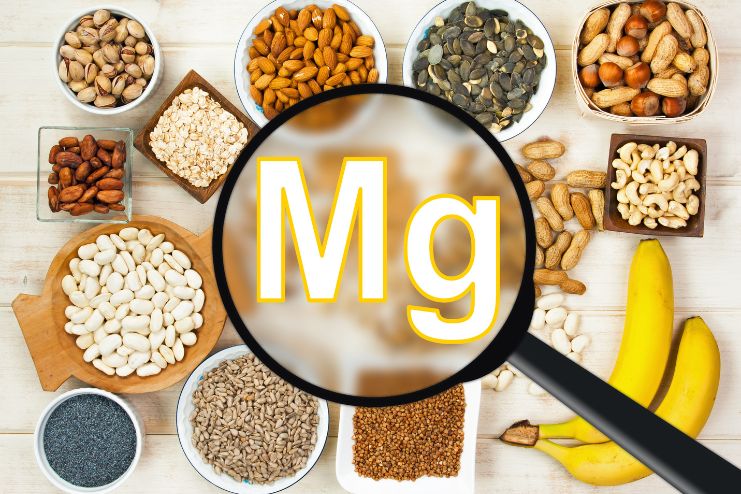
Magnesium is a vital mineral involved in over 300 enzymatic reactions in the body. It plays a foundational role in nerve function, muscle contraction, energy production, and even DNA synthesis. But perhaps its most overlooked superpower is how it supports relaxation and sleep.
Low magnesium levels can disrupt normal brain and nervous system function. It affects GABA (gamma-aminobutyric acid), a neurotransmitter that promotes calm and reduces anxiety. Without enough magnesium, your nervous system stays heightened, resulting in poor sleep and difficulty in winding down.
Surprisingly, many people are mildly deficient in magnesium without realizing it. Poor diets, high stress, excessive caffeine, alcohol, and common medications (like diuretics and PPIs) all deplete magnesium. This means your sleep issues could be partly nutritional, and magnesium might just be what’s missing.
Read More: Magnesium Deficiency: The Silent Problem You Didn’t Know You Had
How Magnesium Supports Better Sleep

Low magnesium levels can cause trouble falling asleep. This powerful mineral is like a backstage crew member for your sleep cycle, quietly handling everything from calming your nervous system to helping melatonin do its job. When magnesium is in balance, sleep often follows naturally. Here’s how it works:
- Promotes Calm Nervous System: Magnesium regulates the parasympathetic nervous system, responsible for your “rest and digest” state. It helps deactivate adrenaline and cortisol, allowing your body to relax.
- Enhances Melatonin Function: Magnesium supports the production of melatonin, the hormone that tells your body it’s time to sleep. Without enough magnesium, melatonin can be less effective, leading to tossing and turning.
- Relaxes Muscles and Reduces Cramps: Tight muscles or night-time leg cramps? Magnesium helps by balancing calcium in the muscles, easing tension, and preventing spasms that might wake you up.
- Improves Sleep Quality: Not just quantity—magnesium has been linked to more time spent in deep, restorative sleep. That’s the kind of sleep where your brain detoxes, your body repairs, and you wake up feeling refreshed.
Most Popular Magnesium Types for Sleep
Not all magnesium is created equal, and choosing the right type can make a huge difference in your sleep quality. From brain-boosting blends to calming muscle relaxers, each form of magnesium has its own unique benefit. Whether you prefer capsules or soaking in a warm bath, here are the best forms of magnesium for better, deeper sleep.
1. Magnesium Glycinate
This is the gold standard for anxiety and sleep. It’s a combination of magnesium and the amino acid glycine, which has its calming effect on the brain. It’s easy on the stomach and doesn’t cause laxative issues, making it ideal for nighttime use.
2. Magnesium Threonate
Known for its ability to cross the blood-brain barrier, this form may support cognitive function and enhance deep sleep. While more expensive, it’s gaining popularity for people looking to improve both sleep and mental clarity.
3. Magnesium Citrate
Often used for digestion and constipation relief, this form draws water into the intestines and can have a mild laxative effect. Not ideal right before bed, but fine in low doses during early evening hours.
4. Topical Magnesium (Sprays or Epsom Salt Baths)
Transdermal application allows magnesium to be absorbed through the skin, helping soothe muscles and promote calm. While research is limited, many people swear by a warm Epsom salt bath to relax before bed.
Read More: How Magnesium Glycinate Could Be the Missing Key to Deeper Sleep
What the Research Says

It’s not just another TikTok trend—magnesium’s benefits for sleep are backed by real science. Clinical studies over the years have confirmed its role in improving everything from how fast you fall asleep to how refreshed you feel the next morning.
Here’s what the research actually says about magnesium and the science of better sleep.
- Improves Time to Fall Asleep: In a 2012 clinical trial on older adults with insomnia, magnesium supplementation significantly reduced the time it took to fall asleep and improved overall sleep efficiency.
- Boosts Sleep Quality: Multiple studies have shown that magnesium helps increase slow-wave sleep, the deepest and most restorative stage of sleep.
- Reduces Insomnia Symptoms: Especially effective in people with magnesium deficiencies, magnesium supplements can reduce waking after sleep onset, promote morning alertness, and decrease stress-related sleep issues.
- Synergistic with Melatonin: Research suggests that magnesium may work even better when paired with melatonin, creating a powerful one-two punch for those struggling with chronic sleep problems.
How to Take Magnesium for Better Sleep

Ready to give magnesium a try? Great—but before you pop a supplement, it’s important to know how to take it the right way. From timing and dosage to pairing it with other sleep-friendly habits, these practical tips will help you get the most out of your magnesium routine. Start small, stay consistent, and track how your nights begin to transform.
Want to try magnesium before bed? Here’s how to do it safely and effectively:
- Start with the Right Dose: Most people benefit from 200–400 mg of magnesium before bed. Start on the low end to assess how your body responds, especially if you’re using magnesium citrate (to avoid digestive upset).
- Time It Right: Take it about 30–60 minutes before bedtime, paired with a calming tea like chamomile or lemon balm. Avoid caffeine or heavy meals late at night, which can interfere with absorption.
- Be Consistent: Magnesium isn’t an instant sleep drug—it works gradually over time. Many people notice significant improvements after 2–3 weeks of consistent use. Track your sleep with a journal or app to monitor results.
- Talk to Your Doctor If Needed: If you have kidney disease, heart issues, or take medications like antibiotics or diuretics, consult a doctor before supplementing, as magnesium can interact with certain drugs.
Read More: Best Foods to Eat Before Bed for Deep Sleep & Muscle Recovery
Conclusion
Taking magnesium before bed isn’t just another viral hack—it’s a science-backed strategy that can transform your sleep quality. A simple mineral, when used consistently, has the power to help you fall asleep faster, stay asleep longer, and wake up feeling more refreshed and relaxed.
Magnesium’s calming effects on the body can be the missing link in your sleep routine, especially if you struggle with anxiety or sleeplessness. With the right dosage and consistency, you can harness its benefits to create a peaceful, rejuvenating bedtime ritual.
So, if you’re tired of tossing and turning or relying on over-the-counter sleep aids, it might be time to give magnesium a chance. Sometimes, better sleep isn’t about more effort—it’s about restoring balance and letting your body do what it’s designed to do: rest, recharge, and thrive.
References
- https://www.healthline.com/nutrition/magnesium-and-sleep
- https://www.sleepfoundation.org/magnesium
- https://www.ncbi.nlm.nih.gov/pmc/articles/PMC3703169/
- https://pubmed.ncbi.nlm.nih.gov/35184264/
- https://www.verywellhealth.com/when-to-take-magnesium-glycinate-8765109
- https://www.medicalnewstoday.com/articles/315372
- https://www.webmd.com/vitamins/ai/ingredientmono-998/magnesium
- https://www.webmd.com/diet/ss/slideshow-diet-magnesium
- https://www.webmd.com/diet/supplement-guide-magnesium
- https://www.medicalnewstoday.com/articles/magnesium-for-sleep
- https://www.health.com/condition/sleep/magnesium-for-sleep
In this Article