











Lung cancer in non-smokers isn’t as rare as many people think; up to 20% of lung cancer cases occur in people who have never smoked. This type of cancer behaves differently from the kind linked to tobacco use. Instead of smoking, the leading causes often include long-term exposure to radon gas, second-hand smoke, air pollution, or harmful substances at work.
Genetic factors can also increase the risk by triggering specific cellular changes. The most common form of lung cancer in non-smokers is adenocarcinoma, which usually starts in the outer areas of the lungs.
Researchers have found that these cancers often contain “driver mutations,” genetic alterations that drive tumor growth yet respond well to targeted treatments. Understanding how lung cancer develops in non-smokers helps improve early detection and personalized care.
Individuals living in areas with high pollution or radon exposure, or those with a family history of lung disease, should be aware of symptoms such as a persistent cough or shortness of breath. While each case is different, being informed about the causes, testing options, and treatments can make a crucial difference in outcomes.
Read More: Common Causes of Morning Chest Tightness
What Makes Non-Smoker Lung Cancer Different?
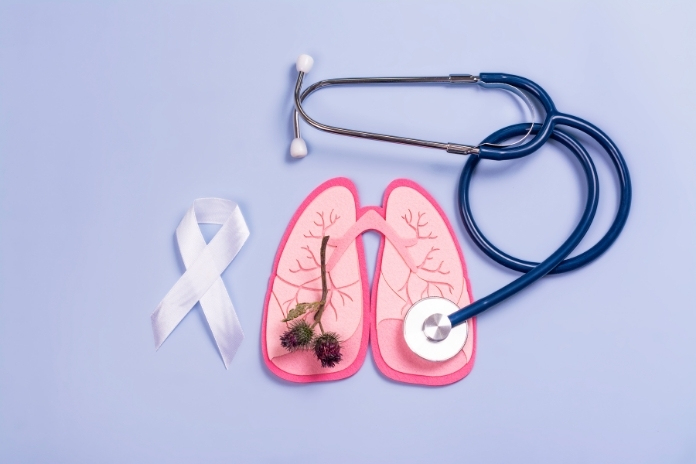
A startling percentage of occurrences of lung cancer occur in non-smokers globally, raising concerns about the disease.
It is influenced by biological, genetic, and environmental variables, and it differs from smoking-related malignancies in how it develops, who it affects, and how it is treated.
Epidemiology: Who It Affects
Lung cancer is frequently associated with smoking; however, it is becoming more widely acknowledged that lung cancer in nonsmokers is a separate illness. Research indicates that 10% to 20% occurrences of lung cancer cases occur in nonsmokers.
It’s interesting to note that non-smokers had a higher prevalence of lung cancer in women and younger individuals than people with smoking-related cancers. Here, exposure to radon, secondhand smoke, indoor air pollution, and even cooking emissions in poorly ventilated rooms has been identified as a potential cause; environmental and genetic variables appear to play a larger role.
Additionally, genetic predisposition plays a role; even in the absence of tobacco smoking, some hereditary alterations increase risk.
“That’s one of the misconceptions,” says Aaron Mansfield, M.D., a medical oncologist who specializes in lung cancer. “Although tobacco use is clearly the largest risk factor for developing lung cancer, there are many other risk factors that we don’t know. All you need to be at risk of developing lung cancer is a lung.”
Histology: How It Looks Under the Microscope
The most prevalent kind of lung cancer in nonsmokers is adenocarcinoma, which typically appears in the lungs’ outer (peripheral) areas. These tumors are difficult to detect in their early stages because they often grow slowly at first.
Smoking-related malignancies typically develop in smaller airways instead of the major bronchi. This variation in location and cell type helps to explain why non-smokers’ lung cancer symptoms might be mild or readily confused with those of other respiratory conditions.
Dr. Mary Reid, MSPH, PhD, said, “While smoking cigarettes (or pipes, cigars, marijuana, and crack cocaine) is the number one cause of lung cancer, non-smokers can get lung cancer, too — currently, 15 to 20% of lung cancers are found in people who have never smoked.”
Dr. Reid emphasizes that lung cancer in non-smokers is a significant concern, accounting for a substantial percentage of cases.
Biology: The Role of Gene Mutations
Lung cancer in nonsmokers is characterized by distinct molecular alterations that drive its biological function. The presence of “driver mutations,” or genetic mistakes that encourage unchecked cell proliferation, is much more common in these tumors.
The most prevalent ones are found in the genes for EGFR, ALK, ROS1, RET, MET exon 14 skipping, BRAF, NTRK, and KRAS G12C. Molecular testing is essential for identifying these alterations, as it helps determine the most effective targeted treatments or immunotherapies.
Many non-smokers have experienced significantly better treatment outcomes thanks to this precision-based approach.
Clinical Course: Symptoms and Prognosis
Initially, the symptoms of never-smoker lung cancer are frequently minor and include chest pain, shortness of breath, chronic coughing, and inexplicable exhaustion. Its diagnosis is occasionally postponed because it is not linked to smoking.
Targetable mutations, on the other hand, are frequently more responsive to treatment and have longer survival rates than smoking-related malignancies after they are identified and genetically profiled.
Even for those who have never smoked, early testing is encouraged, and doctors are better able to provide more individualized care when they are aware of the disparities in lung cancer between non-smokers.
Read More: Why You Feel Short of Breath After Climbing Stairs
Causes and Risk Factors Beyond Active Smoking

Even if you’ve never smoked, several environmental, occupational, and genetic factors can increase your risk of developing lung adenocarcinoma in non-smokers. Understanding these can help you take proactive steps to reduce your exposure and protect your lung health.
Radon Exposure (Home/Work)
Radon is a naturally occurring, colorless, and odorless gas released from soil and rock. It can seep into homes, offices, or basements, building up to dangerous levels indoors. Long-term radon exposure is the second leading cause of lung cancer, often referred to as radon lung cancer risk. Testing for radon is simple and affordable, and mitigation systems can safely vent the gas outside.
Second-hand Smoke
Breathing in smoke from others’ cigarettes, cigars, or pipes can cause serious harm. Second-hand smoke lung cancer risk increases with chronic exposure at home, work, or public places. Non-smokers living with smokers are especially vulnerable, as even brief contact with smoke can damage lung cells over time.
Outdoor and Indoor Air Pollution
Exposure to air pollution and lung cancer risk are strongly linked. Fine particulate matter (PM2.5) from vehicle emissions, industrial waste, and burning fossil fuels can penetrate deep into the lungs. Indoor sources like biomass burning, incense, or cooking fumes in poorly ventilated kitchens can further increase risk, especially in densely populated or industrial areas.
Occupational Exposures
Jobs involving asbestos, diesel exhaust, silica dust, arsenic, or certain heavy metals can raise lung cancer risk significantly. People in mining, construction, manufacturing, or transportation should ensure they use personal protective equipment (PPE) and follow workplace safety guidelines to minimize exposure.
Genetics and Family History
Some individuals inherit a genetic tendency to develop lung cancer due to mutations that run in families. These, combined with acquired (somatic) driver mutations, can make certain people more susceptible. If multiple family members have had lung cancer, consider discussing genetic counseling with a specialist.
Prior Lung Disease/Radiation
Previous chest radiation for other cancers or chronic lung conditions like pulmonary fibrosis and old tuberculosis scars can increase future lung cancer risk. Regular monitoring and follow-ups are essential for those with such histories.
What You Can Do Now
- Test your home or workplace for radon.
- Improve ventilation and reduce indoor smoke or fumes.
- Avoid or minimize second-hand smoke exposure.
- Use protective gear at work if exposed to harmful substances.
- Discuss family risk and testing options with your doctor.
- Stay alert to early symptoms and prioritize regular health check-ups.
Read More: Are Scented Candles Safe? Know About Air Quality and Health
Symptoms—Same List, Different Patterns
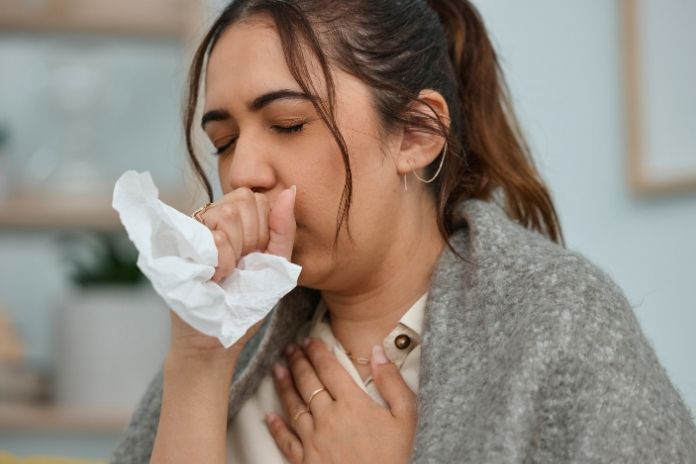
People who smoke and people who don’t smoke often have the same lung cancer symptoms, but the way they show up and when they do might be very different.
People who have never smoked may slowly show indications of the condition, which are typically mistaken for allergies, asthma, or mild infections. Being able to spot little but persistent changes can make a big difference in how well early detection and treatment work.
Persistent or New Cough
A cough that lasts more than three weeks is one of the most common signs of lung cancer. If you don’t smoke, this might feel like a cold that won’t go away or a sore throat. If the cough doesn’t get better or gets worse, you should see a doctor. Some people may also notice that their cough sounds or patterns have changed.
Chest Pain or Ache
If a tumor presses on nerves or the chest wall, it can cause a dull, agonizing discomfort in the chest, back, or shoulders. This pain could be continuous or occur only when you cough or take a deep breath. Many non-smokers don’t think they have cancer; therefore, they commonly write off this pain as a muscular strain or small infection.
Shortness of Breath and Wheezing
If you have shortness of breath, chest tightness, or a new wheezing sound, it could mean your airways are blocked or inflamed. These symptoms may look like asthma or seasonal allergies in people who don’t smoke, but if your breathlessness gets worse, especially if there is no clear cause, you should see a doctor.
Hoarseness and Recurrent Infections
If you have hoarseness that lasts more than two weeks or repeated episodes of “pneumonia” in the same part of your lung, it could mean that there is a tumor blocking airflow. These are little but important signs that someone who doesn’t smoke may have lung cancer.
Coughing Up Blood
You should never disregard even minor streaks of blood in mucus (hemoptysis). It might not always look bad, but you should get it tested right away to rule out lung problems, even cancer.
Systemic Symptoms: Fatigue, Weight, and Appetite Changes
Unexplained weight loss, ongoing exhaustion, and a loss of appetite are general but crucial warning indicators. These signs usually appear later, when the cancer starts to spread or change how the body works.
Tip: Notice any alterations from your normal level. People who don’t smoke frequently think their symptoms aren’t serious, but it’s best to see a doctor as soon as possible if something feels wrong or lasts longer than expected.
Read More: Functional Fitness Over 40: Strength, Mobility, and Longevity
Diagnosis Pathway—Why Molecular Testing Matters More Here

Diagnosing lung cancer in non-smokers requires a precise and personalized approach. Because these cancers often have unique genetic mutations, therefore, accurate imaging and comprehensive molecular testing are crucial for guiding targeted treatments and improving survival, rather than relying solely on traditional chemotherapy.
Imaging and Confirmation
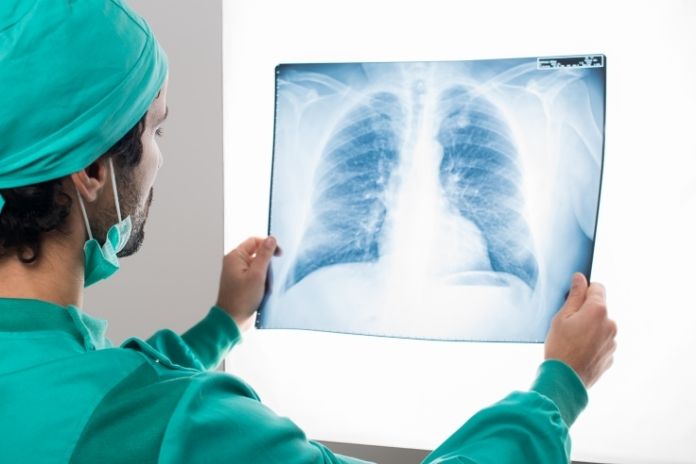
If lung cancer is suspected, a chest X-ray is often the first step, but it can miss small or peripheral tumors, so a CT scan of the chest is the usual next test to better define a lesion. When doctors need to check for spread, PET-CT helps stage the disease and find involved lymph nodes or distant sites.
A tissue sample (biopsy) is essential to confirm cancer; the safest route depends on where the tumor sits: bronchoscopy for central lesions, CT-guided needle biopsy for peripheral nodules, or surgical biopsy when needed. Getting good tissue early speeds up downstream testing and treatment planning.
Comprehensive Biomarker Testing (non-negotiable)
For advanced or metastatic disease, broad molecular profiling should be done at diagnosis, not later. Tests must look for driver alterations such as EGFR, ALK, ROS1, RET, MET exon 14, BRAF, NTRK, KRAS G12C, and also measure PD-L1 expression.
These results directly determine the best first-line therapy: many patients with targetable changes do far better on specific inhibitors than on standard chemotherapy. When clinically safe, clinicians often wait for key molecular results before starting systemic treatment, as these findings can change the initial choice of therapy. Using wide-panel testing (NGS) is preferred to ensure that rare but actionable changes aren’t missed.
Screening nuances
Low-dose CT (LDCT screening) was designed for high-risk people with heavy smoking histories; routine LDCT for never-smokers is not standard. However, patients with major non-tobacco exposures (radon, occupational agents) or strong family history may benefit from a shared decision-making discussion about screening with their clinician. Guidelines evolve, so individual risk assessment matters.
Accurate imaging and a timely, comprehensive molecular workup (including ALK/ROS1/RET/MET exon 14; KRAS G12C; PD-L1 testing) are critical in never-smoker lung cancer because test results frequently change first-line treatment choices. Discuss LDCT screening only when personal exposures or family history raise your risk.
Read More: How to Remove Fluids from Lungs
Treatment—Why It Often Looks Different in Non-Smokers

Treatment for lung cancer in non-smokers often differs from that in smokers because the disease is driven more by genetic mutations than tobacco damage.
These biological differences mean that surgery, radiation, and targeted therapies are carefully customized to each patient’s tumor profile and stage.
Early-Stage (I–II, some III)
- Surgery (segmentectomy/lobectomy): Removing the affected lung portion is the main treatment when the tumor is localized.
- Adjuvant therapy: Chemotherapy or targeted therapy may be given after surgery to reduce the risk of recurrence.
- SBRT if inoperable: Stereotactic Body Radiation Therapy (SBRT) delivers focused, high-dose radiation for patients unable to undergo surgery.
- Adjuvant targeted therapy: For patients with specific mutations (e.g., EGFR-positive), oncologists may recommend additional oral targeted treatment to lower the risk of relapse.
Advanced/Metastatic
- Targeted therapy first: If a driver mutation such as EGFR, ALK, ROS1, RET, MET exon 14, BRAF, NTRK, or KRAS G12C is found, treatment usually begins with a tyrosine kinase inhibitor (TKI) that precisely blocks the abnormal growth signal.
- Immunotherapy ± chemotherapy: If no actionable mutation is detected or the mutation is less responsive, therapy may involve immunotherapy alone or combined with chemotherapy. Biomarkers such as PD-L1 expression and tumor mutational burden guide the choice and sequence of treatment.
- Local control for metastases: For limited or brain metastases, doctors may use stereotactic radiosurgery (SRS) or SBRT to target those areas while continuing systemic therapy.
Side-Effect and Supportive Care
- Common side effects:
EGFR TKIs — rash, diarrhea
Other TKIs — liver changes, vision problems, swelling
Immunotherapy — inflammation of the lungs, colon, or thyroid
- Manage early: Promptly report side effects to adjust medications or add supportive treatments.
- Supportive care: Lung rehabilitation, a balanced diet, stress reduction, and palliative symptom management help maintain strength and quality of life during therapy.
- Holistic monitoring: Regular scans and follow-ups ensure timely adjustments to treatment for long-term disease control.
Personalized treatment for non-smokers focuses on identifying and targeting genetic drivers, integrating local and systemic therapies, and prioritizing quality of life through early side-effect management and continuous supportive care.
Read More: How to Prevent Altitude Sickness: Acute Mountain Sickness
Prevention and Risk Reduction—Actionable Steps
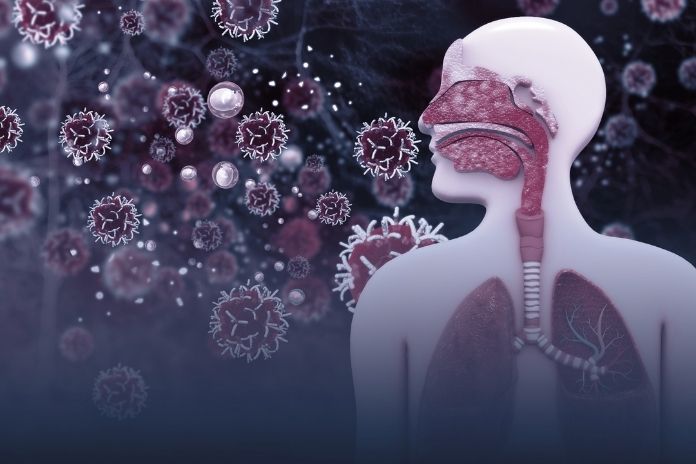
Even if you’ve never smoked, taking steps to protect your lungs against hidden threats in your surroundings and lifestyle can greatly lessen your risk of getting lung cancer.
You can avoid many problems by making a few simple modifications at home, work, and in your daily life.
At Home
- Check for radon: Radon is an invisible gas that can enter homes through cracks in floors or walls. Long-term exposure is one of the main reasons why non-smokers get lung cancer. Use a certified kit to test your house for radon. If the levels are high, professionals will tell you how to plug leaks and install the right ventilation or mitigation systems.
- Good ventilation while cooking: Cooking fumes, especially from biomass fuels like wood, coal, or cow dung, can harm lung tissue over time. Always let smoke out through chimneys, exhaust fans, or open windows. Using greener fuels like LPG or electricity can make the air inside your home much cleaner.
- Stay away from indoor pollutants: Cut back on using powerful air fresheners, incense, or chemical sprays, as they worsen indoor air quality.
At Work and Outdoors
- Use personal protective equipment (PPE): Always wear the right masks, respirators, and protective clothing while working with asbestos, diesel exhaust, silica, or industrial chemicals. Ensure that your workplace complies with the safety and ventilation rules.
- Limit your exposure to traffic pollution: Avoid busy roads whenever you can, especially during rush hour. If you live in a city with high air pollution, you might want to use HEPA air purifiers indoors to reduce the amount of particles you breathe in.
- Keep up to date: Learn the health and safety rules for your profession and tell your boss right away if you have a cough or trouble breathing that lasts a long time.
Lifestyle
- Stay away from second-hand smoke and vaping: Being around other people’s smoke is a known risk factor for lung cancer. Don’t let anyone smoke in your house or car.
- Keep moving: Working out regularly strengthens your lungs and immune system.
- Keep up with your shots: Get your flu and pneumonia shots on time. They protect you from infections that can harm or strain your lungs.
- Know about your family’s past: Tell your doctor if lung cancer runs in your family.
- Get medical help right away: Don’t overlook a cough that won’t go away, chest pain, or shortness of breath; catching it early makes therapy far more effective.
You can’t control every risk, but simple steps you can take to minimize your risk of lung cancer and safeguard your respiratory health — these include improving air quality, wearing protective gear, being active, and getting frequent examinations.
Read More: Can Too Much Sitting Shorten Your Lifespan?
FAQs

1. Can non-smokers really get lung cancer?
Yes. Although cigarette smoking is the major risk factor for lung cancer, approximately 10-25% of lung cancers globally develop in individuals who have never smoked. Non-smokers can get lung cancer from exposure to radon, air pollution, second-hand smoke, or chemicals at work, such as asbestos and diesel exhaust. In most instances, genetic alterations, such as mutations in EGFR, ALK, or ROS1, significantly contribute to the initiation of cancer cell growth.
2. Should non-smokers be screened with low-dose CT (LDCT)?
Regular LDCT screening isn’t usually advised for nonsmokers because the overall risk is still lower than for smokers. Still, physicians might recommend screening on an individual basis if you have robust risk factors like family history, chronic exposure to pollutants, or known genetic susceptibility. Ask your clinician about your risk profile and whether LDCT is appropriate for you.
3. Are treatments better or different for non-smokers?
Yes, they frequently are different. Lung cancers that occur in non-smokers tend to exhibit certain genetic mutations that are more effectively treated with targeted therapies or immunotherapy compared to standard chemotherapy. These precision therapies target the very molecular alteration that fuels the tumor, often leading to better outcomes and less harm.
4. Does air pollution meaningfully raise risk?
Yes. Prolonged exposure to fine particulate matter (PM2.5) and other pollutants can cause damage to lung tissue and facilitate cancer growth, even among healthy lungs. Lowering exposure by using air purifiers, masks, and cleaner fuels can greatly reduce risk in the long term.
Read More: The 5-Hour Full Body Health Assessment and Why it Matters
Key Takeaways
Lung cancer in non-smokers is not uncommon, and it often behaves differently from cancers linked to smoking. Research shows that these cases are frequently driven by specific DNA mutations, known as “driver mutations,” such as EGFR, ALK, or ROS1.
The genetic alterations lead to uncontrolled cell growth, even in the absence of tobacco exposure. As a result, molecular testing at the time of diagnosis is critical. It allows physicians to detect these mutations and assign patients to tailored therapies that can bring improved results with fewer side effects than standard chemotherapy.
Although regular lung cancer screening with low-dose CT scans isn’t commonly suggested for non-smokers, staying aware of recurring symptoms, such as a new cough, shortness of breath, or inexplicable tiredness, is essential. Non-smokers must also actively limit exposure to avoidable hazards, such as radon gas, air pollution, and secondhand smoke.
Eventually, the most effective strategy is individualized care. Working with a seasoned oncology team ensures that your treatment plan is compatible with your tumor’s molecular profile and your overall well-being goals. Early detection, accurate tests, and well-informed choices can make all the difference in successfully dealing with lung cancer.
References
- https://www.cdc.gov/lung-cancer/nonsmokers/index.html
- https://pmc.ncbi.nlm.nih.gov/articles/PMC7431055
- https://www.yalemedicine.org/conditions/lung-cancer-in-nonsmokers
- https://www.cancer.org/cancer/types/lung-cancer/causes-risks-prevention/what-causes.html
- https://4basecare.com/lung-cancer-can-strike-non-smokers/
- https://pmc.ncbi.nlm.nih.gov/articles/PMC11014425/
- https://www.cancercenter.com/cancer-types/lung-cancer/risk-factors
- https://www.plunes.com/blog/Factors-That-Can-Cause-Lung-Cancer-Besides-Smoking
- https://www.jto.org/article/S1556-0864(23)00601-9/fulltext
- https://www.yalemedicine.org/conditions/lung-cancer-in-nonsmokers
- https://oncocare.sg/blogs/when-non-smokers-get-lung-cancer
- https://pmc.ncbi.nlm.nih.gov/articles/PMC9833623
- https://medicine.yale.edu/news-article/lung-cancer-symptoms-in-people-whove-never-smoked-and-how-its-different-in-smokers/
- https://pmc.ncbi.nlm.nih.gov/articles/PMC6626860/
- https://www.mdanderson.org/cancerwise/why-are-more-nonsmokers-getting-lung-cancer.h00-159460056.html
- https://pmc.ncbi.nlm.nih.gov/articles/PMC11966107/
- https://www.sciencedirect.com/science/article/pii/S1556086419300243
- https://cancer.ca/en/cancer-information/cancer-types/lung/treatment/recurrent
- https://www.maxhealthcare.in/blogs/know-top-lung-cancer-causes-non-smokers
- https://www.cancercenter.com/community/blog/2022/04/lung-cancer-never-smokers
- https://www.narayanahealth.org/blog/lung-cancer-in-non-smokers-causes-risks-and-prevention
- https://careerhospital.in/blog/what-causes-lung-cancer-in-non-smokers/
- https://www.hopkinsmedicine.org/health/conditions-and-diseases/lung-cancer/lung-cancer-prevention
- https://www.denvaxindia.com/blog/lung-cancer-know-the-risks-take-action-now
In this Article