






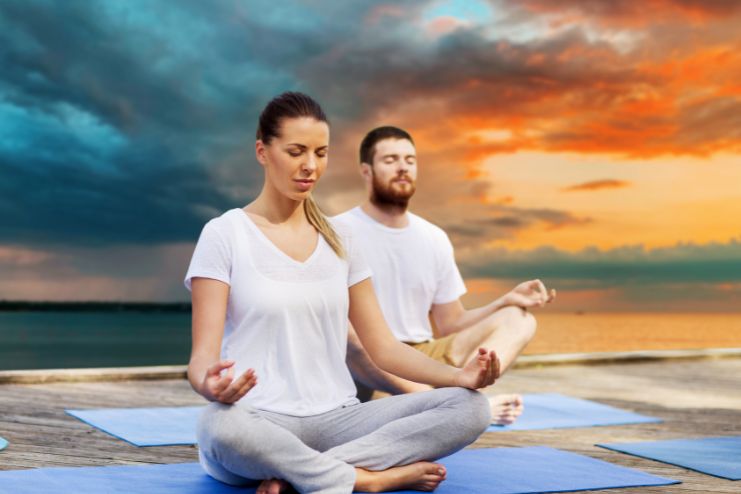
In today’s age, when stress and chaos tend to rule our everyday existence, it is more vital than ever before to seek out those precious moments of peace and harmony. Enter Padmasana, or the Lotus Pose—a time-honored yoga posture celebrated for embodying both mental clarity and physical strength. By folding the legs into this contemplative pose, yogis cultivate stability and foster an inner sense of serenity.
Yoga, specifically Padmasana, isn’t about being flexible or strong; it’s about cultivating your overall physical and mental well-being. In this article, we will explore the life-changing advantages of Padmasana, its physical and mental benefits, and a few tips on how to master this ancient pose. Read on to learn more, as we discover how Padmasana can become a powerful foundation on your journey to wellness.
Read More: The Ultimate Guide to Yoga Blocks: 6 Options Reviewed
Benefits of Padmasana
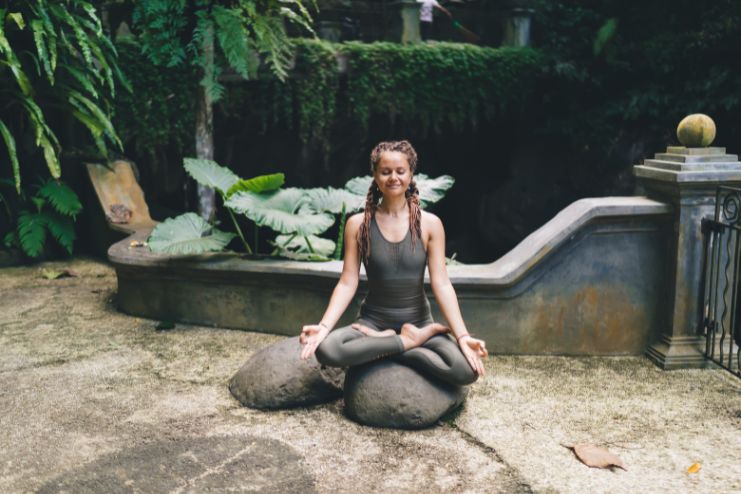
Improved Flexibility: Padmasana is a yoga pose known to improve flexibility, particularly in the hips and knees, and it is a beacon for improved flexibility. The pose involves deep, sustained stretching that slowly relaxes tight muscles and improves joint mobility. With regular practice, people experience increased suppleness and mobility in these vital areas. Such increased flexibility also aids improved posture, prevents injuries, and maximizes performance in other physical activities.

Stress Relief: Padmasana has fast become popular as an effective method for relieving stress in the hectic pace of life. To establish a grounded and stable foundation, practitioners sit with their legs crossed. Padmasana helps achieve a state of mind that is peaceful and centered by combining controlled breathing with focused awareness.
This pose has been shown to reduce cortisol levels and promote relaxation significantly. Performing this pose regularly relieves stress and aids in overall mental health.
Enhanced Concentration: Padmasana, which focuses on stillness and mindfulness, is a vital yoga pose that significantly improves focus. The body’s alignment and breathing exercises create an ideal environment for increasing concentration. Due to its numerous benefits, more people are opting for Padmasana. It not only promotes a focused state of mind during yoga practice but also helps maintain that focus off the mat as well.
Read More: Finding Balance: Yoga and Meditation for Seniors’ Physical and Mental Health
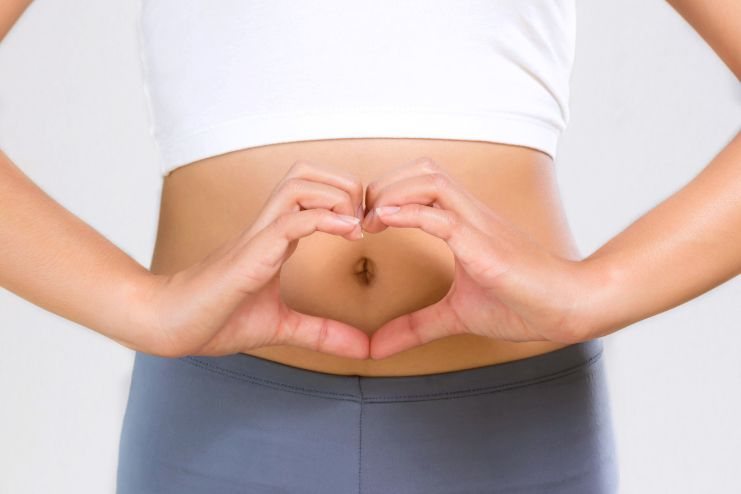
Stimulates Digestion: Padmasana naturally helps in healthy digestion by lightly stimulating the abdominal organs. When you sit in this cross-legged position with a straight spine and concentrate on slow, deep breathing, it produces a light internal massage effect. This soft pressure and movement can stimulate the digestive system, promoting improved circulation and stimulating the flow of digestive juices.
As a result, it can relieve common issues such as bloating, gas, and indigestion. With time, regular practice of Padmasana helps in smoother digestion and a healthier gut, thus making it an excellent inclusion in any physical routine for internal equilibrium and ease.
Opens the Hips: Padmasana aims at the hips—a region where physical and emotional tension tend to build up. The pose systematically invites the hips to open through deep and conscious stretching, loosening tightness, and increasing flexibility. In time, this increased mobility relieves stiffness, neutralizes the aftereffects of too much sitting, and enhances the overall range of motion in the body. Open hips also ensure improved posture, easier walking gait, and less strain on the lower back.
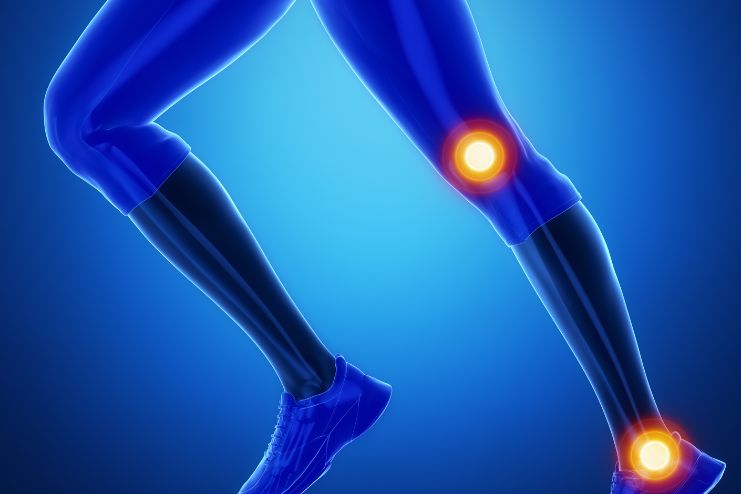
Strengthens Ankles and Knees: Padmasana poses, in addition to their meditative qualities, are known to strengthen the knees and ankles actively. The cross-legged position encourages stability and alignment, which, with regular practice, can promote joint health. As a result, practitioners may experience improved balance and a reduced risk of common lower-limb issues. It also aids in injury prevention and supports joint longevity as we age.
Promotes Good Posture: Padmasana is a pose that promotes healthy posture by assisting in the development of an upright and aligned spine. One of the core advantages of Padmasana is that it promotes spinal alignment and posture awareness. The pose naturally encourages an upright spine and gentle core engagement for stabilization.
With practice, individuals develop better posture habits, both on the mat and in everyday life, leading to reduced back tension and a more confident, aligned stance. This upright position promotes lung capacity, circulation, and overall energy flow.
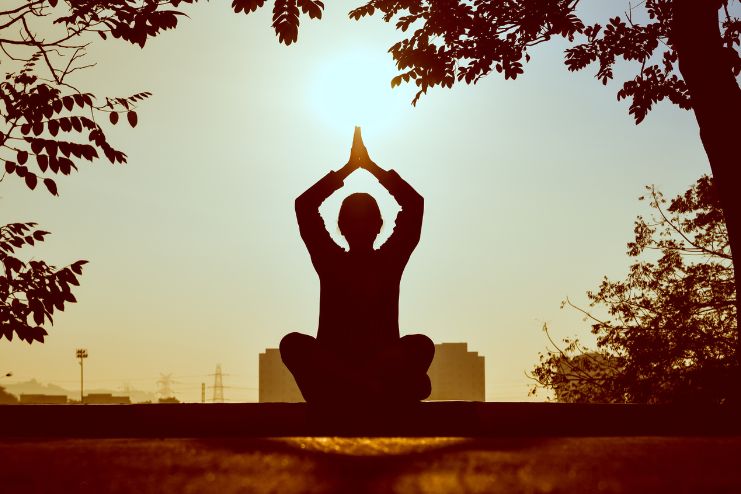
Spiritual Connection: Padmasana is a yoga pose that transcends the physical and offers a profound connection to the spiritual realm, firmly grounded in ancient traditions. Meditation and mindfulness have long drawn their strength from the stillness and stability of this seated posture.
By practicing the Lotus Pose, people learn to develop a connection with the spiritual realm. Padmasana isn’t merely a physical posture; it becomes an effective tool for self-awareness and inner quiet. People can move beyond external distractions and connect with a deeper sense of purpose, presence, and peace.
Step-by-Step Guide to Padmasana
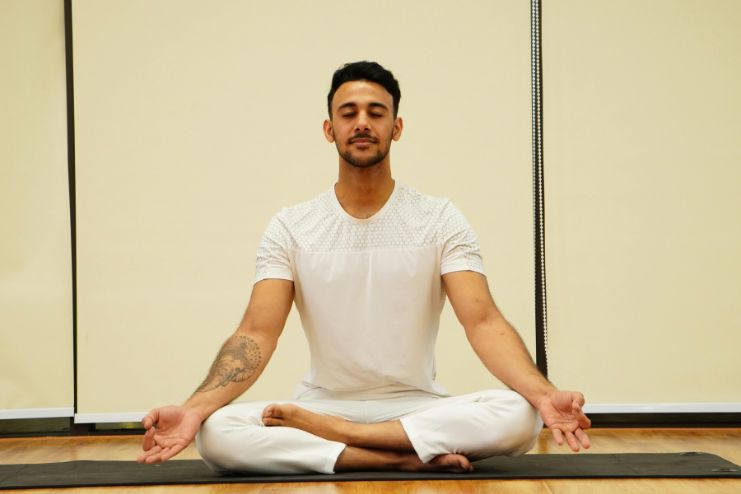
Preparation: Before you start your journey into Padmasana, it’s important to get your body and mind ready. Find a quiet, distraction-free area where you feel secure and not disturbed. Sit comfortably, allow yourself to settle. Take a few slow, deliberate breaths to center your awareness and ground your energy. As you exhale, let go of any physical or mental tension. By slowly listening to your body, you set up a peaceful, open foundation—one that is more conducive to a deeper presence and ease as you come into the practice.
Seated Position: Sit comfortably and align your spine from the base to the crown, allowing you to sit comfortably. Take a moment to ground yourself by placing your palms on your knees. Ensure that your shoulders are relaxed and your chest is open. While seated, a stable basis is established, paving the way for the elegant unfolding of Padmasana.
Leg Position: When entering the Lotus pose, it is necessary to take a slow and contemplative approach. To begin, position your right foot to rest on your left thigh. Put the sole of your right foot upward. The next step is to bring your left foot onto your right thigh, ensuring that both the soles of your feet are facing upwards. Proceed cautiously, and consider your body’s restrictions. Avoid putting pressure on the legs to get them into place, and put comfort first. When practiced regularly and over time, the Lotus pose will eventually come more naturally.
Read More: Sunday Stretch: Relaxing Recovery Yoga

Hand Placement: Always remember to place your hands consciously to maintain stability and balance. Place them on your knees with your palms facing either upward in a sign of receptivity or downward for grounding energy. Rest them on your knees. Alternatively, you could opt for the traditional mudras, such as the Gyan Mudra (which involves touching your thumb and index finger) or the Chin Mudra (which consists of making a circle with your thumb and index finger), which contribute to the meditative part of Padmasana.
Breathing: Try including conscious breathing into your practice to get a more profound experience from Padmasana. Maintain a focus on taking deep, steady breaths, allowing the inhalations to fill your abdomen and the exhalations to release any tension that may be there. While in this position, the breath syncs itself with the soothing rhythm of the pose. A serene mental state is developed via mindful breathing, which not only helps maintain the posture but also brings the body and mind into harmony with one another.
Duration: Pay attention to your body cues, and increase the time you spend practicing Padmasana piece by piece. As you become more comfortable and accustomed to the pose, gradually increase the time. For beginners, start with a few minutes. To get maximum benefits, practice it often, while naturally improving your capacity to maintain the Lotus position.
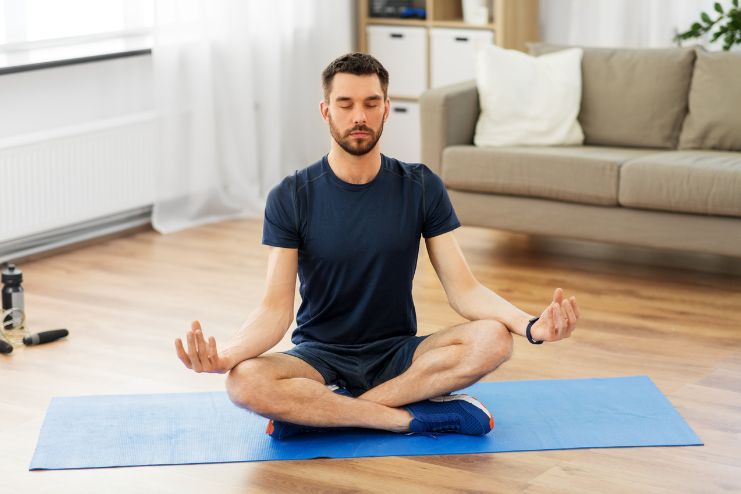
Release: As crucial as entering Padmasana is, exiting the pose securely is equally essential. Release the legs gently, and then return to a comfortable seated position. Readjusting your body before going on to other positions or finishing your practice is essential. You may safeguard your joints and maintain the advantages of Padmasana by practicing mindful releases, which will ensure that your yoga experience is both positive and sustainable.
The instruction guide of the Padmasana focuses on preparation, gradual progress, and deliberate participation in every step. Perform each step cautiously while syncing the unique path your body makes in the Lotus Pose. Padmasana evolves from a physical position to a life-changing practice that nourishes your overall well-being. This helps you integrate the components of breath, alignment, and time. Padmasana has become a go-to practice and has become more than just a physical exercise.
Read More: Daily Yoga Poses for Mindfulness and Strength
Conclusion

In summary, Padmasana offers powerful benefits for your body, mind, and spirit. From better flexibility and reduced stress to improved focus and a deeper spiritual connection. As you practice yoga, try to incorporate Padmasana into your daily routine and experience its soothing and strengthening effects. And don’t forget—Padmasana is only the starting point. Discover more yoga postures and mindfulness techniques to benefit your health and achieve long-term balance in your life.
Begin today—dedicate just a few minutes each day to Padmasana and feel the difference it can make to your overall health. Your path to a healthier, more balanced life starts with a single breath!
References
- https://greatist.com/fitness/padmasana-lotus-pose
- https://yogainternational.com/article/view/padmasana-perfecting-the-lotus-pose/
- https://www.tataaig.com/knowledge-center/health-insurance/health-benefits-of-padmasana
- https://www.yogajournal.com/poses/lotus-pose/
- https://www.artofliving.org/yoga/yoga-poses/lotus-pose-padmasana
- https://www.jagranjosh.com/articles/top-yoga-asanas-exercises-for-students-1687246019-1
- https://www.magneticmemorymethod.com/yoga-for-concentration-and-memory/
- https://www.onlymyhealth.com/benefits-of-doing-padmasana-daily-1664950431
- https://www.realsimple.com/health/fitness-exercise/stretching-yoga/yoga-poses-for-digestion
- https://timesofindia.indiatimes.com/life-style/health-fitness/fitness/doing-these-yoga-asanas-after-a-meal-can-help-in-digestion/photostory/104649574.cms
- https://www.yogajournal.com/poses/3-hip-openers-to-prep-for-lotus-pose/
- https://sattvayogaacademy.com/exploring-padmasana-comprehensive-guide-lotus-pose-enhanced-mindfulness-and-health
- https://www.bajajfinserv.in/insurance/health-benefits-of-padmasana
- https://www.godigit.com/health-insurance/exercise/padmasana
- https://www.tummee.com/yoga-poses/padmasana/benefits
- https://sattvayogaacademy.com/exploring-padmasana-comprehensive-guide-lotus-pose-enhanced-mindfulness-and-health
- https://medium.com/@apyogaindia/the-lotus-unfolds-journeying-deeper-into-padmasana-88a62ef16801
- https://yogavastu.com/v/preparing-the-body-and-mind-for-padmasana/
- https://yogainternational.com/article/view/padmasana-perfecting-the-lotus-pose/
- https://www.masterclass.com/articles/lotus-position-guide
- https://www.yoganatomy.com/padmasana-article/
- https://sattvayogaacademy.com/exploring-padmasana-comprehensive-guide-lotus-pose-enhanced-mindfulness-and-health
- https://yogainternational.com/article/view/5-tips-for-building-your-lotus-pose/
In this Article