














Pompe disease is a rare, genetic neuromuscular disorder that can change the way people live, move, and breathe. The result of a genetic mutation, the disease rapidly weakens the muscles, including those vital for breathing and movement. Despite the scary diagnosis, advancements in managing Pompe disease, including treatments and lifestyle modifications, are empowering people to lead active and fulfilled lives.
In this article, we will understand what to expect with Pompe disease. We will identify the initial signs and then discuss therapy choices. We will make it easier for you to understand ways to deal with life with strength, support, and resilience.
Read More: The Impact of Genetics on Diabetes Risk
What Is Pompe Disease?

Pompe disease is a glycogen storage disorder type II. It is caused due to a lack of the enzyme acid alpha-glucosidase (GAA). This enzyme is essential in digesting glycogen present in muscle cells. Without the enzyme, glycogen accumulates, leading to progressive muscle damage.
There are two main forms of Pompe disease:
- Infantile-Onset Pompe Disease (IOPD): In this form of Pompe disease, symptoms occur during the first few months of life. These appear and lead to severe weakness of the muscles, a large heart, and shortness of breath. If left untreated or delayed in treatment, IOPD can advance quickly.
- Late-Onset Pompe Disease (LOPD): In LOPD, symptoms can appear in childhood, the teenage years, or adulthood. It usually spares the heart but weakens the muscles in the trunk, limbs, and the ones required for breathing.
Read More: How to Manage Dysautonomia: A Guide to Symptoms and Treatments
Common Symptoms and What to Expect Over Time
- Infantile-Onset Pompe Disease
- Feeding issues
- Enlarged heart (cardiomyopathy)
- Respiratory issues
- Severe hypotonia of muscles (floppiness)
Infants usually need early diagnosis and enzyme replacement therapy (ERT) to avoid irreversible problems.
- Late-Onset Pompe Disease
Late-Onset Pompe Disease has some significant symptoms that include:
- Progressive weakness of muscles, especially in the hips, shoulders, and spine
- Excessive exhaustion
- Difficulty in walking, climbing stairs, or standing up from chairs
- Respiratory complications, such as shortness of breath with exertion or sleep
LOPD comes with a risk of nocturnal hypoventilation. As LOPD advances, patients will use mobility devices or respiratory assistance equipment to stay independent.
Diagnosis of Pompe Disease
Early and correct diagnosis is important in delaying the progression of the disease and improving the quality of life. Most patients, particularly those with the late-onset type, get delayed diagnoses because the condition overlaps with other muscular or respiratory illnesses. These illnesses include muscular dystrophy, ALS, and chronic fatigue syndrome.
Here’s the way Pompe disease is usually diagnosed:
- Clinical Evaluation:
Doctors start by looking for physical symptoms like muscle weakness, fatigue, or shortness of breath. Family history, growth patterns (in infants), and tolerance to exercise usually give the first sign of the disease.
- Enzyme Assay (Blood Test):
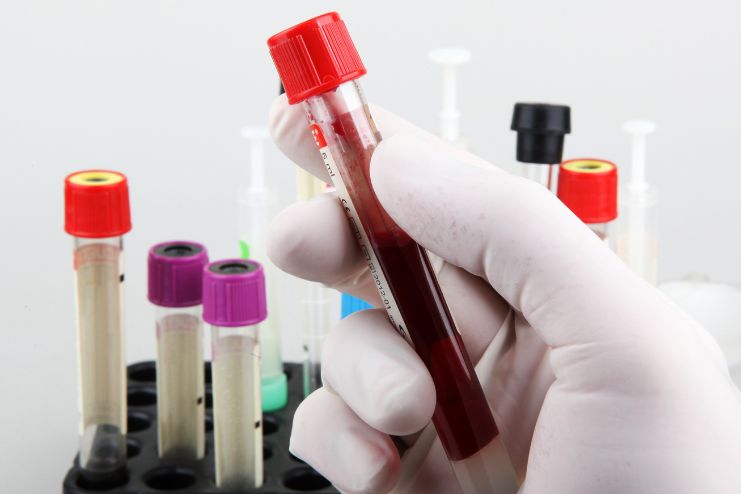
The most universal first test is a dried blood spot (DBS) that helps understand the activity of the GAA enzyme. Reduced or no activity is highly suggestive of Pompe disease and should be followed up with further investigation or tests.
- Genetic Testing:
A DNA test that detects mutations in the GAA gene confirms the diagnosis. It is also useful for distinguishing between infantile-onset and late-onset forms and is critical for family counseling and newborn screening follow-up.
- Muscle Biopsy:
Although less commonly used at present, a biopsy can still be taken to test for glycogen buildup in muscle tissue, especially in difficult or questionable cases.
- Newborn Screening:
Pompe disease is now screened in many U.S. states as part of newborn screening panels. Early identification in infants, before they even develop symptoms, helps in quick treatment with enzyme replacement therapy, significantly improving outcomes.
- Other Supportive Tests:
- Electromyography (EMG): Identifies electrical dysfunction in muscle activity.
- Pulmonary Function Tests: Evaluate respiratory involvement in the early course of the disease.
- Cardiac Assessments: Cardiac tests are particularly relevant in infantile-onset patients because of the risk of cardiomyopathy.
Since Pompe disease can disguise itself as another illness and progress rapidly, particularly in late-onset varieties, clinicians must be on high alert. Early diagnosis and genetic confirmation not only direct treatment but also offer clarity to patients who perhaps have spent years finding solutions.
Read More: Pompe Disease Treatment – Everything That You Need To Know
Treatment of Pompe Disease

Treatment of Pompe disease involves a multidisciplinary approach that includes medical therapies, physical therapy, nutritional changes, and respiratory support.
- Enzyme Replacement Therapy (ERT):
ERT is the foundation. FDA-approved treatments such as alglucosidase alfa (Myozyme or Lumizyme) substitute for the deficient GAA enzyme, retarding glycogen accumulation within cells.
- Effectiveness: Most effective when started early, before major muscle or respiratory damage.
- Infusions: Usually given as an IV every two weeks, after coordination with infusion centers or home care agencies.
- Limitations: Though ERT delays progression, it is not likely to reverse current damage, particularly in late-onset Pompe.
- Respiratory Support:

Since respiratory complications in Pompe are frequent and common, particularly in LOPD, the standard lung function tests are often prescribed.
- Supportive equipment includes CPAP or BiPAP machines, cough-assist devices, and chest physiotherapy.
- Vaccinations (influenza, pneumococcal) are highly recommended to minimize infection risk.
- Pulmonology management must be included in the care plan for best results.
- Physical and Occupational Therapy:

Independence and mobility are crucial in Pompe disease management.
- Personalized routines are created by therapists to maintain strength and reduce contractures.
- Assistive devices such as orthotic braces or walkers can help with mobility.
- Occupational therapists enable patients to adapt daily activities and maximize home and work accessibility.

- Nutritional Support:
Muscle fatigue and weakness can cause a loss of appetite and decreased calorie consumption. In some cases, people could gain weight due to less activity.
- Registered dietitians can provide advice for increasing energy intake without overburdening the body.
- Severe infantile cases could require feeding tubes because the patients face difficulty swallowing.
Family and Caregiver Involvement
The caregiver role, particularly for children or those with aggressive progression, is crucial in Pompe disease care.
- Daily care includes feeding, personal hygiene, transportation, respiratory support, and therapy exercises.
- Education and training enable caregivers to manage medical devices, track symptoms, and facilitate communication with healthcare professionals.
- Caregivers require help as well—respite care, counseling, and support groups are essential to prevent burnout.
- Genetic counseling can assist families with learning about inheritance patterns and discussing testing or family planning.
Advances in Research
Scientific research is giving us new hope to the Pompe community.
Newer ERTs focus on better delivery of the enzyme and less interference from the immune system.
Tests for gene therapy are in progress, hoping to find a possible one-time fix to reverse the root cause of GAA deficiency.
Research into muscle regeneration indicates the potential for repair via stem cells or growth factors.
Registries such as the Pompe Registry help researchers to collect long-term information and improve individualized treatment and accelerated drug development.
When to Get Help and Assemble a Care Team
Knowing when to ask for professional help is crucial. Here are a few signs that you need to get help:
- New or worsening fatigue, shortness of breath, frequent infections, or extreme trouble walking or swallowing are signs to look for.
- A multidisciplinary care team that includes a neurologist, pulmonologist, geneticist, physical therapist, dietitian, and mental health counselor provides all-around support.
- Most patients find relief from treatment at Pompe centers of excellence, which provide coordinated care and access to the newest clinical trials.
Active treatment has a beneficial effect, even with mildly or slowly progressive symptoms.
Final Thoughts

We understand that living with Pompe disease can be challenging. However, it’s manageable with the right care and support. Early diagnosis and treatments, which include enzyme replacement therapy, can slow the disease and improve overall quality of life and health.
In addition to the treatment plans, assistive tools and personalized care plans help patients live with independence and dignity. As more research is underway, there’s growing hope for more effective, long-term treatments.
Remember, you’re not alone. With the right information, support system, and a positive attitude, it’s possible to live a strong and empowered life with Pompe disease. The power lies within you, and no disease can make you fall apart!
References
- https://stemcellres.biomedcentral.com/articles/10.1186/s13287-022-02706-5
- https://pmc.ncbi.nlm.nih.gov/articles/PMC11074017/
- https://www.ncbi.nlm.nih.gov/books/NBK482178/
- https://pmc.ncbi.nlm.nih.gov/articles/PMC6642928
- https://www.dovepress.com/monitoring-and-management-of-respiratory-function-in-pompe-disease-cur-peer-reviewed-fulltext-article-TCRM
- https://pmc.ncbi.nlm.nih.gov/articles/PMC8579834/
- https://www.ncbi.nlm.nih.gov/books/NBK470558/
In this Article