














Living with Multiple Sclerosis (MS) means living with uncertainty. Some days may feel perfectly manageable, while others may be overshadowed by fatigue, mobility issues, or cognitive fog. This unpredictability can make even basic routines feel overwhelming. However, a few thoughtful adjustments in how you manage your day can make a tremendous difference in your comfort, safety, and energy.
You don’t need to overhaul your life to improve it. Small changes, like using a shower chair or planning your meals, can significantly reduce daily stress and physical strain. Many people living with MS find that focusing on adaptability rather than perfection helps them reclaim a sense of control. Whether you’re newly diagnosed or have been living with MS for years, building an MS-friendly routine is about working with your body, not against it.
This guide offers actionable tips and simple lifestyle hacks that can be incorporated into daily life. From mobility aids to brain fog strategies, this is practical, real-world advice for people living with MS, designed to help you navigate your days with more ease, less frustration, and greater independence.
Morning Routines That Set You Up for Success

How you start your morning shapes your mindset, energy, and resilience for the rest of the day. For those living with Multiple Sclerosis (MS), mornings can often bring unique challenges such as stiffness, fatigue, or cognitive sluggishness. But with a few intentional steps, you can transform your morning into a steady, supportive foundation.
Here’s how to design a routine that works with your body, not against it:
1. Prep the Night Before
Taking a few minutes in the evening can make mornings smoother and less stressful.
- Lay out your clothes and keep essentials like socks or mobility aids within arm’s reach.
- Pre-organize medication, prep breakfast items, and set out hydration reminders.
- Use visual checklists or timers to reduce decision fatigue when you wake up.
2. Use Adaptive Tools to Your Advantage
Small changes can make a big difference in energy conservation and ease.
- Opt for no-tie shoes, long-handled brushes, or dressing aids to simplify movement.
- Consider electric toothbrushes, slip-on clothes, or jar openers for added comfort.
- A shower chair or bath bench can enhance stability and reduce fatigue during bathing.
3. Start with Gentle Movement or Breathwork
Easing into the day helps signal your nervous system to “wake up” calmly.
- Begin with light bed stretches, mobility exercises, or gentle yoga poses to reduce stiffness.
- A 5-minute mindfulness, breathing, or gratitude practice can center your thoughts and lift your mood.
- Music, nature sounds, or aromatherapy can also add a grounding sensory element.
4. Pair Medication with a Nourishing Breakfast
Avoid energy dips by syncing your medication with smart nutrition.
- Take morning medications with a light, protein-rich meal, like eggs, Greek yogurt, or a smoothie.
- Include hydration and avoid sugary options that could lead to a mid-morning crash.
- If appetite is low, try small, frequent bites or a warm beverage to stimulate digestion.
5. Pace Yourself with Purpose
Don’t rush. Your mornings should serve you, not pressure you.
- Give yourself enough time to move slowly and mindfully.
- Structure your morning tasks based on energy flow, and start with what’s essential.
- Consider using timers, breaks, or “energy anchors” (like music or sunlight) to keep you steady.
Your morning doesn’t have to be perfect; it just has to work for you. By preparing ahead, supporting your body with adaptive strategies, and tuning into what feels good, you can turn your mornings into a moment of empowerment. It’s not just about getting through the day; it’s about starting with intention, grace, and self-care.
Energy Conservation Tips (aka “Spoon Theory” in Action)

Managing fatigue is one of the most important, and ongoing, parts of living well with Multiple Sclerosis (MS). One powerful metaphor that resonates with many is the “Spoon Theory,” which visualizes daily energy as a limited supply of spoons. Every task, big or small, uses up a spoon. When the spoons are gone, they’re gone, unless you rest and recharge.
Learning how to use your spoons wisely can help you navigate the day with more stability, confidence, and comfort. Here’s how to stretch your energy, protect your reserves, and get more out of your day:
1. Prioritize What Truly Matters
- Use a planner or digital calendar to outline your week in advance.
- Identify non-negotiables (e.g., medications, appointments) versus tasks that can be postponed.
- Schedule more demanding activities during the time of day when you feel most alert and energized.
2. Break Tasks into Manageable Steps
- Don’t try to do everything at once; space it out.
- Clean one room at a time, cook in stages, or divide long errands across multiple days.
- Set timers to remind yourself to take short, restorative breaks.
3. Sit When You Can
- Sitting reduces physical strain and helps conserve energy for later.
- Sit while brushing your teeth, folding clothes, or chopping vegetables.
- Place stools or supportive chairs in key areas like the kitchen or bathroom.
4. Embrace Energy-Saving Tools
- Use rolling carts for laundry, groceries, or moving household items with ease.
- Opt for lightweight, easy-grip cookware and utensils.
- Keep electric can openers, jar grippers, and adaptive tools within reach to simplify effort-heavy tasks.
Conserving energy isn’t about doing less; it’s about doing smartly. With a bit of planning and the right tools, you can make each “spoon” last longer and feel more in control of your time and energy. Listen to your body, pace yourself, and remember: rest is not a luxury, it’s a strategy.
Mobility and Safety Hacks at Home
Mobility challenges are common in Multiple Sclerosis (MS), and even the most familiar spaces can pose risks over time. But with a few thoughtful adjustments, your home can become a safer, more accessible, and empowering environment. You don’t need major renovations, just smart, strategic updates that make daily movement easier and reduce the chance of injury.
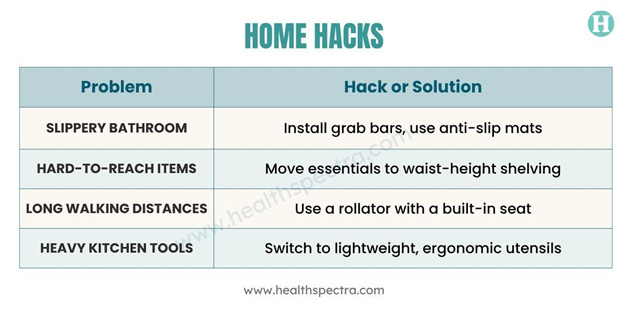 Additional Accessibility Tips
- Threshold ramps for easier wheelchair or walker navigation between rooms.
- Lever-style door handles instead of round knobs, easier to use for those with hand weakness.
- Smart lighting with motion sensors, remote control, or voice-activated assistants to minimize the need to fumble for switches.
- Nightlights in hallways and bathrooms for safer nighttime mobility.
Home safety doesn’t have to feel clinical or overwhelming. Small, affordable changes can create a space that’s both supportive and comfortable. The goal is not just safety, but ease, independence, and peace of mind.
Cognitive Clarity: How to Manage Brain Fog

“Brain fog” is one of the most frustrating and misunderstood symptoms of Multiple Sclerosis. It’s not simply forgetfulness; it’s a neurological kind of fatigue that affects memory, focus, and mental processing. While there’s no instant fix, there are practical strategies that can help you reclaim mental clarity and stay on top of daily life.
Smart Strategies for Sharper Thinking:
- Set Digital Reminders: Use tools like Google Calendar, Alexa, or phone alarms to help you remember appointments, medications, or tasks. External memory reduces mental clutter and gives your brain a break.
- Break Down Complex Tasks: Turn larger responsibilities into smaller, actionable steps. Instead of “make dinner,” list out: Chop vegetables, Cook rice, Set the table. These micro-steps help you stay focused and feel accomplished with each checkmark.
- Limit Multitasking: Focus on one task at a time. Constant switching between activities can lead to more cognitive fatigue and fewer results. Prioritize depth over speed.
- Train Your Brain Consistently: Just like the body, the brain thrives on regular exercise. Use apps like Lumosity or Elevate, or go analog with crosswords, word games, or Sudoku. Even 10 minutes a day can help maintain mental flexibility.
Managing MS Fatigue Like a Pro

Fatigue in MS goes far beyond feeling tired; it’s a deep, often overwhelming exhaustion that sleep doesn’t always resolve. It can affect both the body and the brain, impacting movement, motivation, and mood. While it may not be fully preventable, layering smart habits can help manage its intensity and frequency.
Everyday Habits to Reduce Fatigue:
- Power Naps, Strategically Timed: Keep naps short, 20 to 30 minutes, and aim for the earlier part of the day. This provides a gentle energy reset without interfering with nighttime sleep.
- Eat for Steady Energy: Choose small, frequent meals packed with fiber, protein, and healthy fats. Steer clear of refined sugars or carb-heavy snacks that spike blood sugar, only to crash it later.
- Hydration Without Overload: Stay well-hydrated throughout the day, but ease off caffeine and fluids in the evening to avoid nighttime bathroom trips. Dehydration can sneakily add to fatigue.
- Beat the Heat: Many people with MS are heat-sensitive. Use tools like cooling vests, neck wraps, or portable fans when temperatures rise. Avoid prolonged exposure to sunlight or hot showers, as overheating can trigger or worsen fatigue.
Fatigue and brain fog may be part of MS, but they don’t have to dictate your day. With a thoughtful mix of tools, pacing, and mental check-ins, you can stay more energized, clear-headed, and in control. Think of these strategies not as rules, but as supportive habits designed to work with your body, not against it.
Meal Prep and Nutrition Shortcuts

Eating well can help reduce inflammation and support energy levels, but cooking can be exhausting. Here are shortcuts that don’t sacrifice health:
- Batch Cook and Freeze: Prepare soups, stews, or grain bowls in bulk and freeze in individual portions.
- Use Kitchen Shortcuts: Pre-chopped veggies, frozen fruits, one-pan sheet meals, and slow cookers save time and energy.
- Keep Anti-Inflammatory Staples: Stock your pantry with olive oil, turmeric, flax seeds, and wild-caught salmon. Incorporate leafy greens, berries, nuts, and legumes where possible.
- Easy-Grab Snacks: Hard-boiled eggs, cut fruit, trail mix, or hummus with carrot sticks.
 Food is fuel, and smart shortcuts keep your tank full without draining your spoons.
Staying Social and Mentally Well

Isolation is a serious risk with chronic conditions like MS. Staying socially and emotionally connected can greatly impact mental health and resilience.
- Schedule Mini Check-Ins: A 5-minute phone call with a friend can uplift your mood and provide a valuable connection.
- Join a Support Group: Online forums (like Reddit’s r/MultipleSclerosis, MyMSTeam) or local MS Society chapters can be lifelines.
- Engage in Low-Energy Joys: Pick up hobbies such as journaling, nature walks, watching comedy shows, and playing with pets.
- Seek Counseling When Needed: Especially after relapses or major life changes. Telehealth options make therapy more accessible.
Mental wellness is part of MS self-care, not an afterthought, but a foundational pillar.
Tools and Tech That Can Help

Technology and adaptive tools can help you stay organized, mobile, and safe. Here’s a list worth exploring:
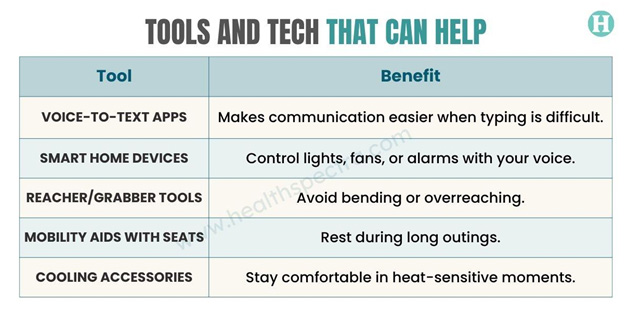
Other helpful tech:
- Medication reminder apps
- Grocery delivery services
- Smart pill organizers
The right tools can turn difficult moments into manageable ones, increasing autonomy and peace of mind.
Final Thoughts
Living with MS isn’t easy, but it’s not insurmountable either. While the condition brings challenges, it also reveals strength, resilience, and resourcefulness you may not have realized you had. Every routine adjusted, every habit reimagined, is an act of care and courage.
The goal of daily MS management isn’t perfection. It’s about reducing friction in your life, preserving your energy for what matters most, and adapting your environment to support your body’s needs. Whether it’s a better meal prep system, smarter tools, or a daily walk in nature, each choice you make is a step toward a greater quality of life.
You are not alone in this journey. There’s a growing community of individuals living with MS, innovating every day to make life easier, more joyful, and more connected. With the right support and strategies, life with MS can be more than manageable; it can be meaningful.
References
- https://oneida.extension.wisc.edu/morning-routines-that-set-you-up-for-success/
- https://zapier.com/blog/daily-routines/
- https://asana.com/resources/best-morning-routine
- https://medium.com/practice-in-public/morning-routine-sets-you-up-for-success-d3fda3fc114c
- https://smartcircle.com/morning-routines-that-set-you-up-for-success/
- https://redhotmindset.com/my-morning-routine/
- https://mobicrew.com/blog-details/creating-a-mobility-friendly-home-tips-for-safety-comfort-and-accessibility
- https://enhancedlifestyles.com.au/2024/05/10/everyday-lifestyle-hacks-for-people-living-with-mobility-issues/
- https://www.mobilitymart.com/blog/lifestyle/ten-life-hacks-people-disabilities-adaptive-equipment/b/mmls3/
- https://www.diythought.com/mobility-friendly-home-hacks-for-accessible-living/
- https://tristarpt.com/%F0%9F%8F%A0-ensuring-home-safety-with-occupational-therapy-tips-and-tricks/
- https://www.seniorhelpers.com/mn/burnsville/resources/blogs/2025-03-21/
- https://www.mssociety.org.uk/about-ms/signs-and-symptoms/fatigue/managing-fatigue
- https://pmc.ncbi.nlm.nih.gov/articles/PMC4163985/
In this Article