














Turning forty is not just a milestone; it’s a physiological change. After 40, your metabolism decreases, hormones change, and the chances of developing chronic conditions such as heart disease, diabetes, and high blood pressure increase. This decade will usually reveal the long-term effects of everyday choices. The simple choices such as what you eat, how you move, how long you sleep, and how you manage stress.
Research shows that midlife habits strongly predict how healthy and active you’ll be in your later years. In fact, people who adopt healthy lifestyle behaviors in their 40s are more likely to enjoy a longer lifespan and, more importantly, a healthier one.
This article explores the nine most important lifestyle pillars that determine long-term health and aging. We will also understand achievable, science-backed habits you can start doing today.
1. Prioritize Regular Physical Activity

Exercise is one of the greatest predictors of longevity. It improves heart health, blood sugar control, and overall metabolic balance while keeping the joints supple and the mind sharp. Regular exercise prevents sarcopenia (age-related muscle loss) and protects bone density, both critical to leading a life of independence in old age.
Experts recommend at least 150 minutes of moderate-intensity activity (including brisk walking or cycling) or 75 minutes of high-intensity exercise per week, along with two or more strength-training sessions.
Here are a few simple, long-term tips to boost physical activity:
- Daily 30-minute brisk walk
- Strength train for two times a week
- Stretch or do yoga regularly
- Move every hour if you work a sedentary job
Even small, frequent movements reduce the risk of chronic disease and support healthy aging.
Read More: Functional Fitness Over 40: Strength, Mobility, and Longevity
2. Follow a Balanced, Anti-Inflammatory Diet
Your diet during midlife directly affects how your body will age. Chronic, low-grade inflammation leads to diseases such as heart disease, diabetes, and dementia, and food is one of the best means to help keep it under control.
An anti-inflammatory diet is all about whole, unprocessed foods versus processed foods. It’s packed with antioxidants, healthy fats, fiber, and lean protein. All of which protect your cells and promote long-term health.
What to add:
- Bright, colorful vegetables and fruits
- Whole grains like oats, quinoa, and brown rice
- Legumes like beans and lentils
- Lean proteins like fish, eggs, or plant-based protein alternatives
- Healthy fats in olive oil, nuts, seeds, and fatty fish
What to cut back
- Sugary drinks and refined carbs
- Excessive processed meat and red meat
- Fried or highly processed foods
A whole-food, plant-based diet nourishes the heart, brain, and gut, reduces inflammation, and promotes longevity.
3. Protect Your Metabolic Health Early
In your 40s, subtle changes in your metabolism come into play and determine your future health. The majority of adults have signs of insulin resistance, raised blood sugar, or excess belly fat without even realizing it. If left untreated, these changes make you prone to diabetes, cardiovascular disease, and other metabolic diseases.
Healthy midlife habits for metabolic health:
- Monitor your blood sugar, blood pressure, and cholesterol annually
- Cut back on added sugars and refined carbohydrates
- Take a walk after meals. This can even be a short one that helps control blood sugar
- Sleep 7–8 hours per night
- Reduce stress through mindfulness or relaxation exercises
Taking care of metabolic health means fewer complications and more energy during your 60s and 70s.
Read More: Vaginal Dryness in Your 30s and 40s: Causes and Remedies
4. Develop and Sustain Muscle Strength

Muscle strength is the metabolic engine of your body. Starting at around age 40, muscle mass continues to decline slowly, weakening balance, metabolism, and physical strength. Gaining muscle is important for protecting against frailty, falls, and even diseases that affect the body after age 40.
Here’s how to gain muscle:
- Exercise with weights or resistance two or three times a week.
- Eat 0–1.2 grams of protein per kilogram of body weight per day.
- Include protein in every meal to promote repair and maintenance.
- Combine strength training with flexibility and balance exercises.
Stronger muscles lead to stronger bones, better posture, and more energy. These are the secrets to successful aging.
5. Prioritize Mental Health and Emotional Resilience
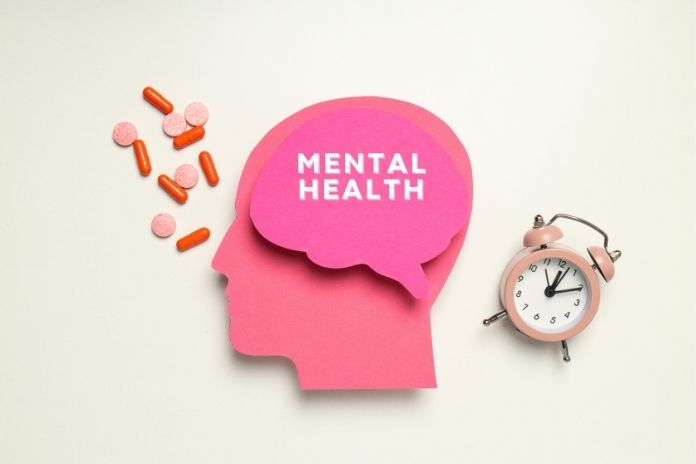
Emotional well-being is just as important as physical health. Chronic stress accelerates biological aging, disrupts hormone function, and triggers inflammation. All of which increase disease risk. Conversely, people with strong emotional resilience and social support live longer and healthier lives.
How to develop emotional well-being and strength:
- Practice deep breathing, journaling, or mindfulness
- Take therapy or counseling as needed
- Stay socially connected. Try to be a part of communities and forge true friendships
- Nurture purpose through volunteering, mentoring, or hobbies
- Spend time outdoors or in creative pursuits
Mindfulness and positive relationships alleviate stress and foster long-term well-being.
6. Sleep Like It’s Medicine

Sleep is perhaps the least discussed health aspect in midlife. Too little sleep raises the risk of obesity, diabetes, high blood pressure, and cognitive issues. It’s during deep sleep that your brain gets cleansed, your cells get repaired, and your hormones get regulated.
Sleep hygiene habits you can follow after 40:
- Try to sleep for at least 7–9 hours at night.
- Have a regular bedtime and waking time
- Don’t consume caffeine after lunch and restrict alcoholic beverages in the evening
- Remove screens and blue light from an hour before bedtime
- Make your bedroom dark, cool, and quiet
Prioritize sleep as non-negotiable. It’s just as important as nutrition or exercise during aging.
Read More: How Muscle Mass Affects Longevity — and How to Maintain It After 40
7. Steer Clear of Destructive Habits — Smoking, Excessive Alcohol, and Physical Inactivity

Certain behaviors accelerate aging more than others. These primarily include smoking, excessive drinking, and too much sitting for longer periods.
- Smoking: Stopping at any age gains years of life expectancy and reduces the risk of heart disease, cancer, and lung trauma.
- Alcohol: If you drink, do so in moderation. Try to stick to no more than one daily drink for women and two for men, or less if you can.
- Sedentary Lifestyle: Prolonged sitting increases mortality, even among active people. Take regular movement breaks. You can stand, stretch, or walk every 30–60 minutes.
Swapping unhealthy habits with healthier ones significantly improves long-term results.
8. Be Proactive With Preventive Screenings
Preventive care in your 40s helps you identify potential problems before they become serious. Regular visits and screenings offer a glimpse into your future health and help you take early action.
Here’s a list of important midlife screenings:
- Blood pressure, cholesterol, and blood sugar checks each year
- Colonoscopy around age 45 (earlier if the doctor advises it)
- Mammograms, Pap tests, or prostate exams as your doctor recommends.
- Bone density scans, eye tests, and dental visits are crucial too.
Early detection is life-saving. Take vaccine boosts as recommended. It often prevents conditions from becoming too serious.
9. Build Healthy Social Relationships

As surprising as it may sound, loneliness and isolation have also been linked to higher risks of heart disease, depression, and even premature death. On the other hand, those with strong social connections live longer, healthier, and happier lives. Don’t let this midlife crisis make you feel sad and alone. Make the most of it with a few easy tips.
“It’s not about pretending you’re young, but keeping a spirit that says, ‘I’m not done discovering things,’” clarifies Dr. Sanam Hafeez, Psy.D., a neuropsychologist and director of Comprehend the Mind. “Youthfulness shows up in how you laugh, how you adapt, and how you connect with new people or ideas.
A few tips on creating meaningful connections:
- Prioritize time with friends and family
- Join a club, volunteer group, or community organization
- Keep connected through mentoring, hobbies, or religious activities
- Invest in worry-free relationships that bring joy
Social connection is excellent medicine. It stimulates immunity, lessens stress, and keeps a healthy brain with age.
Key Takeaway
Your 40s are the prep decade. This is the decade to set things up for your 70s and beyond. What you do now in terms of movement, nourishment, sleep, stress, and social health sets up as the template for your future well-being.
You cannot keep from growing older, but you can certainly manage how you do it. Every good choice you make today is an investment in decades of energy, autonomy, and peace of mind.
FAQs on Midlife and Long-Term Health
-
What are the biggest health mistakes that people make in their 40s?
Forgetting strength training, eating too much processed food, skipping preventive tests, skimping on sleep, and ignoring mental health are a few of the frequent mistakes.
-
How much physical activity do I require to age well?
Aim for 150 minutes of moderate exercise and two strength-training sessions every week. Mix in flexibility and balance exercises.
-
Can I reverse unhealthy habits at 40?
Yes. Research shows that a healthier diet, quitting smoking, exercise, and stress reduction can reverse early risk factors for disease and promote longevity — even at midlife.
-
What is the best diet for longevity?
The entire, well-balanced, anti-inflammatory eating pattern based on plants, whole grains, lean proteins, and healthy fats is always connected with healthy aging.
-
How does stress in midlife influence aging?
Chronic stress accelerates aging by increasing cellular damage and inflammation. Therapy, mindfulness, and a strong support network can reverse its effects.
In this Article