











Fat loss supplements or magic potions have rapidly taken over the internet and our minds. People who wish to get fit and slim experiment with various such products. But, how effective are these products, really?
When we walk into any supplement store, we’ll likely see bottles of L-carnitine promoted as powerful fat burners. Athletes, fitness enthusiasts, and even casual gym-goers often turn to it, hoping for that extra push in their weight-loss journey. But how much of the hype is backed by science?
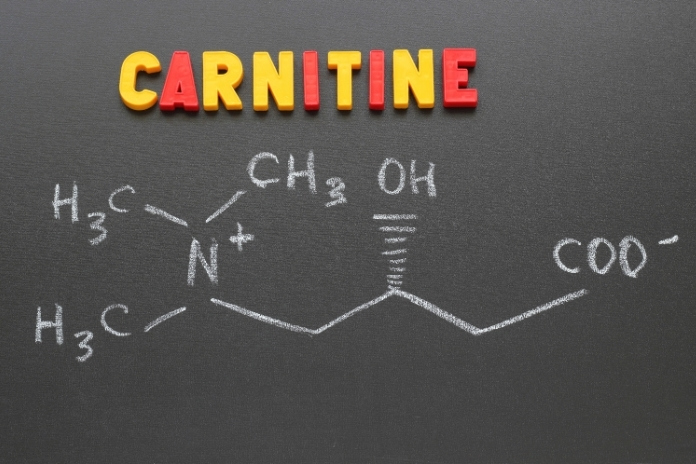
L-carnitine is not a man-made miracle drug. It is, in fact, a naturally occurring chemical within the body, and it’s at the center of energy production. Specifically, it enables the transport of fatty acids into the mitochondria, where they’re burned as fuel. For this reason, it’s such an attractive option for anyone who wishes to maximize fat burning and improve exercise performance.
In this article, we’ll break down the science-backed benefits of L-carnitine for weight loss, potential side effects, and the best dosage strategies. By the end, you’ll have a clear picture of whether this supplement deserves a spot in your routine.
Read More: Top Branched-Chain Amino Acid (BCAA) Supplements: Fuel Your Gains and Recovery
What Is L-Carnitine?
L-carnitine is generally grouped along with the amino acid supplements, though it’s actually an amino acid–sounding substance, but not an actual amino acid. It’s manufactured in the body from the essential amino acids lysine and methionine with the help of Vitamin C.
Its primary function? Acting as a “fat shuttle.” L-carnitine carries long-chain fatty acids into the mitochondria. It is the energy-generating powerhouses of your cells, where they can be oxidized (burned) to fuel your energy needs. Without adequate L-carnitine, this fat-shuttling process is hindered.
Dietary sources include red meat, poultry, fish, and milk foods, with lower amounts in plant foods. This means vegetarians and vegans often have lower levels of L-carnitine. They are available in capsule, tablet, or liquid form and can be used by athletes or to address deficiencies.
For others, a guide to an L-carnitine supplement helps find the right kind and amount. Before running through supplement aisles, however, it is essential to understand how it actually works in terms of weight control.
How L-Carnitine Works for Weight Loss
Essentially, L-carnitine helps in fat metabolism. By bringing fatty acids into the mitochondria, it gives your body access to stored fat as energy. In theory, this should enhance fat-burning capacity and lead to weight loss.
But the reality is more complicated than that. Research suggests that although L-carnitine by itself will not significantly reduce fat, it does help build exercise endurance and improve performance. With more strength, you may be able to exercise for longer durations and burn off more calories, which helps in weight loss.
So is L-carnitine a weight loss tool? Yes, but with a caution: it’s not a magic pill. It works best when used in conjunction with a balanced diet and exercise plan. Think of it as an accessory, not a single fix to your weight issues.
Read More: Best NAD+ Supplements for Energy, Aging, and Cellular Health [2025 Edition]
Benefits of L-Carnitine
Here are a few known benefits of L-Carnitine:
Weight Management Support:

Various research suggests that L-carnitine for weight reduction can lead to significant benefits, especially in people who are obese or elderly individuals who generally have lower baseline values. It enhances your body’s ability to metabolize fat as energy by increasing fat oxidation.
For example, a 2020 meta-analysis in Clinical Nutrition ESPEN found that L-carnitine supplements caused overweight participants to lose more body weight and BMI compared to placebo controls. The results were modest but impressive when added to lifestyle changes.
Those with confirmed deficiencies, such as vegetarians, vegans, or individuals with certain genetic disorders, will most likely derive the most benefit since supplementation is returning to the normal pathways of fat metabolism.
Exercise Performance:

One of the most compelling reasons athletes consume pre-workout supplements containing L-carnitine is its ability to delay fatigue. Studies show that it can reduce muscle soreness, lower the indicators of exercise stress, and improve the recovery time.
For cycling or running strength, L-carnitine supplementation will allow you to perform longer before you tire. According to a study, carnitine supplementation increased the level of muscle carnitine and improved exercise performance with prolonged exercise.
It will not turn you into a steel-wrapped human, but it could be the difference between ending early and pushing through one more set or mile.
Energy Boost:

Since L-carnitine helps convert fat into energy, most users report a boost in energy while exercising. This is not the jittery “buzz” of caffeine but a more sustained sense of endurance.
For individuals who feel tired or hungry during a workout, adding L-carnitine may provide the energy boost needed to stay consistent. Although there is conflicting evidence regarding its energy-boosting effects, certain studies suggest its role in mitochondrial energy production.
Other Potential Health Benefits:

Other than weight loss, research shows L-carnitine can help with:
- Heart Health: Some studies suggest that it can improve survival rates for individuals with angina or heart failure by enhancing oxygen flow to the heart.
- Brain Function: Acetyl-L-carnitine, a form that readily crosses the blood-brain barrier, can enhance cognitive function, particularly in older adults.
- Regulation of Blood Sugar: Preliminary evidence suggests that it can aid in preserving insulin sensitivity and glucose metabolism, thereby helping to control diabetes.
Though more research is needed, these added benefits make L-carnitine a worthwhile supplement to watch.
Side Effects of L-Carnitine
Like any other supplement, L-carnitine is not without risks. Most people have no difficulty with it, but some have minor issues, such as:
- Nausea and stomach cramps
- Diarrhea
- Increased hunger
A rather odd side effect, a fishy body odor, results from the buildup of trimethylamine (TMA), a product of carnitine metabolism. Though harmless, it is unpleasant and may make many people avoid this supplement.
Some people worry about the potential link between excessive L-carnitine dosing and high levels of trimethylamine-N-oxide (TMAO), a molecule associated with cardiovascular risk. Human studies are inconsistent, but we must exercise caution when determining dosage.
Side effects of L-carnitine are, in general, minor, but people with pre-existing medical conditions should consult with a physician before starting supplementation.
Best Dosage and How to Take It

Finding the ideal L-carnitine dose depends on your health and wellness goals. Typical dosing is between 500 mg to 2,000 mg per day, taken two to three times daily.
L-carnitine exists in a variety of forms, each with certain benefits:
- L-carnitine L-tartrate (LCLT): Best for exercise and recovery, commonly found in pre-workout supplements.
- Acetyl-L-carnitine (ALCAR): Supports brain function and cognitive well-being.
- Propionyl-L-carnitine: May support circulation and cardiovascular function.
As for timing, the ideal time to take L-carnitine varies based on usage. When used for exercise performance, pre-workout dosing (typically 30–45minutes before activity) is ideal. If you are taking the supplement to lose weight, it must be taken around 30-60 minutes before exercise. For baseline metabolic support, dividing the dose with meals will provide sustained absorption.
Do not exceed 3,000 mg per day, as levels above this amount increase the risk of adverse effects while providing no additional benefits.
Who Should (and Shouldn’t) Use L-Carnitine?
L-carnitine is not for everybody, but it might be particularly beneficial for:
- Physically active individuals and athletes who require enhanced strength and recovery.
- Vegetarians and vegans, who, by their very nature, consume less L-carnitine from foods.
- Overweight or obese individuals who require mild weight loss support in addition to a balanced diet and regular exercise.
Use with caution for:
- Persons with heart disease or with high cardiovascular risk (due to TMAO issues).
- Those suffering from thyroid issues, since L-carnitine interferes with thyroid hormone absorption.
- Pregnant and nursing women, unless indicated specifically.
Always consult a doctor before adding L-carnitine to your supplement regimen.
Read More: When Supplements Backfire: Risks of Overdoing Vitamins and Superfoods
Conclusion
L-carnitine has gained attention as a supplement for enhancing fat metabolism and boosting energy. While it’s no miracle cure for obesity, it can bring real value to weight control, exercise performance, and overall health, especially for those with low starting levels.
The bottom line? L-carnitine, when used as a weight-loss supplement, works best when combined with a well-balanced diet, regular exercise, and a healthy lifestyle. Used responsibly in therapeutic amounts, it’s safe for nearly all users and a helpful addition to your health cache.
Before you stock up, however, always consult with your healthcare practitioner first to ensure it aligns with your fitness goals.
References
- https://www.geneticnutrition.in/blogs/genetic-life/when-is-the-best-time-to-take-l-carnitine-timing-for-optimal-benefits
- https://mydiagnostics.in/blogs/diet-weight-loss/l-carnitine-for-fat-loss-uses-dosage-benefits-and-side-effects
- https://www.geneticnutrition.in/blogs/genetic-life/when-is-the-best-time-to-take-l-carnitine-timing-for-optimal-benefits
- https://pmc.ncbi.nlm.nih.gov/articles/PMC5872767/
- https://pmc.ncbi.nlm.nih.gov/articles/PMC7551203
- https://pubmed.ncbi.nlm.nih.gov/21561431/
In this Article