











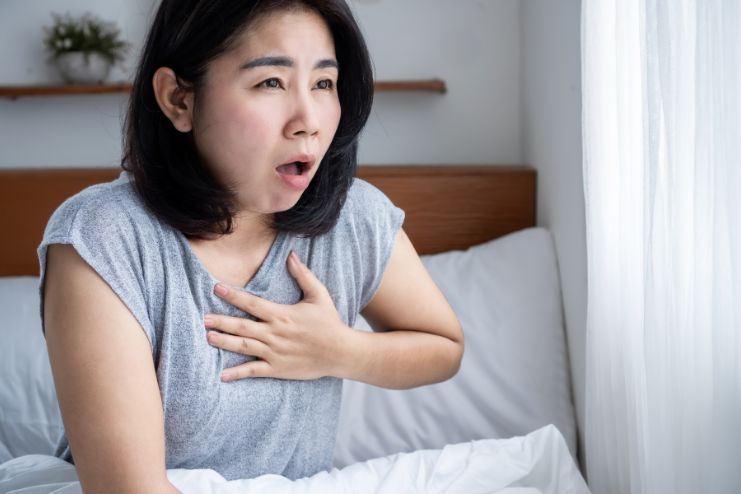
Shortness of breath, or dyspnea as it’s medically termed, is perhaps the most anxiety-inducing symptom a human being can have. That maddening feeling of not being able to breathe can be scary, particularly when you have no idea if it’s from fear or something worse, such as a heart or lung issue.
Although anxiety is a known reason for breathlessness, distinguishing it from physical conditions like asthma, pulmonary embolism, or cardiac failure is important. In this article, let’s discuss the ways anxiety impacts your breathing, why it’s different from medical conditions, and how you can get relief.
Read More: The Anti-Anxiety Diet: What to Eat (and Avoid) for a Calmer Mind
Why Anxiety Affects Your Breathing
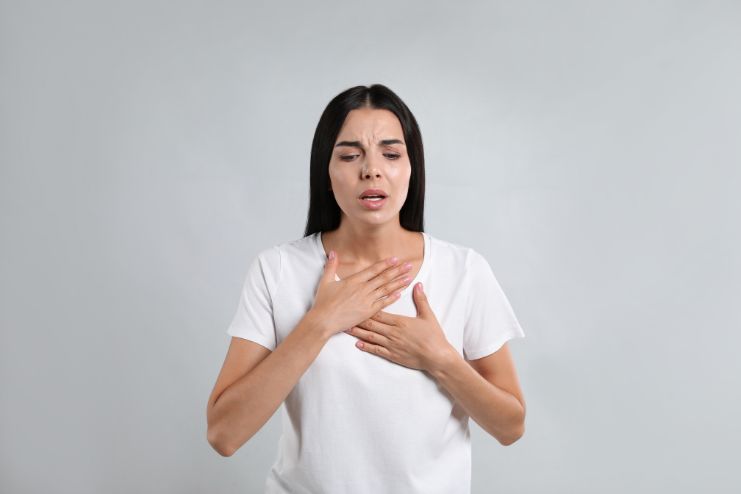
Most people are not aware of how much anxiety can influence breathing. You can feel like you’re catching your breath or cannot breathe at all, despite there being no medical issue. This occurs due to the way the brain and body respond to stress, particularly when one is panicking or chronically anxious. Here’s why anxiety affects your breathing:
Fight-or-Flight and the Respiratory System
When you’re panicking or anxious, your body activates the sympathetic nervous system—your fight-or-flight response. In this stress response:
- The heart pumps more quickly to deliver more blood.
- Muscles will tighten, ready to move.
- Breathing shallows and quickens to take in more oxygen.
However, this type of rapid, superficial breathing can lead to hyperventilation syndrome. Carbon dioxide is too low, and the imbalance leads to dizziness, chest constriction, tingling, and a sensation of suffocation, even with normal levels of oxygen.
Common Breathing Symptoms of Anxiety
Some typical breathing symptoms due to anxiety are:
- Chest constriction
- Trouble taking deep breaths
- Air hunger, so you feel like you cannot inhale completely
- Dizziness or lightheadedness
- Tingling or numbness in the fingers or lips
- Episodes that occur at rest rather than during physical exertion
These symptoms are frightening but typically not dangerous. They often resolve once the anxiety subsides.
Read More: Tapping (EFT) for Anxiety: Does It Really Work?
7 Ways to Tell if Your Shortness of Breath Is Due to Anxiety or Something Else
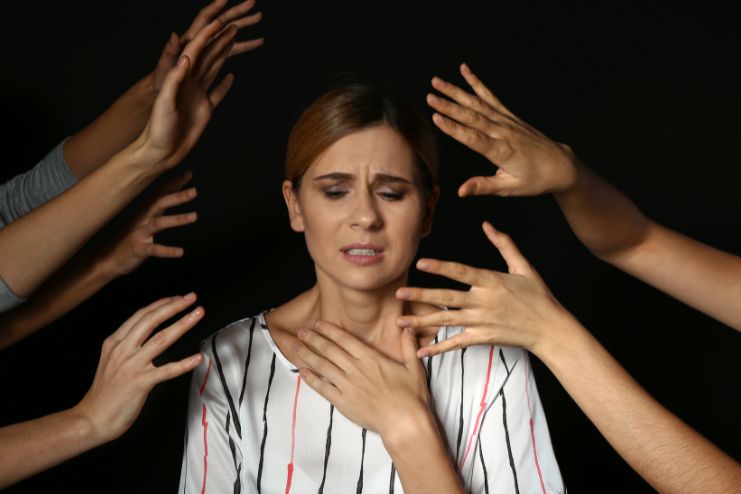
It’s not always easy to know whether your shortness of breath is due to stress or something more serious. But by deeply examining the symptoms, you can get some valuable clues. Here are seven significant signs that can help you determine if your shortness of breath is due to anxiety or if you need to seek out a medical cause
1. Does It Come On Suddenly During Stress?
Shortness of breath due to anxiety usually comes out of the blue and is triggered by panic attacks or emotional stress. It can occur during the middle of a peaceful experience, such as watching television or attempting to sleep.
Medical causes, in contrast, usually develop over time or are brought on by exercise. For instance, shortness of breath due to congestive heart failure may become progressively worse and be associated with exertion or recumbency.
2. Can You Breathe Normally While Distracted?
If your breathing gets better or is normal when you’re distracted—talking to someone, working on something, or watching something—this is a positive sign that anxiety is the cause. Anxiety-based symptoms tend to decrease when your focus is elsewhere.
With physical diseases, the feeling of breathlessness tends to be persistent and doesn’t change with your mental preoccupations.
3. Are There Other Symptoms Like Chest Pain or Cough?
Some associated symptoms may suggest something more grave than anxiety is occurring:
- Fever or chills (can be a sign of infection)
- Recurring or productive cough (inconsistent with a respiratory illness)
- Chest discomfort radiating to the jaw, arm, or back (typical of cardiac disease)
- Wheezing or blood-tinged cough
These are signs that breathlessness isn’t anxiety and requires urgent medical care.
4. Is It Worse During Exercise or at Rest?
Anxiety-induced shortness of breath typically happens when you’re at rest, as in lying in bed or sitting quietly. It can suddenly strike and appear unrelated to any physical need.
Medical dyspnea, as a result of asthma, COPD, or heart failure, usually worsens with exertion or exercise and improves with rest.
5. Does It Get Better With Grounding Techniques?
Anxiety breathlessness tends to resolve with grounding techniques like:
- Box breathing
- The 4-7-8 breathing exercise
- Mindfulness and body scan
- Speaking with someone who supports
If these methods can ease your breathlessness, then it is probably anxiety. Conversely, physical causes are not typically responsive to mental relaxation techniques.
6. Is It Accompanied by Palpitations or Dizziness?
Palpitations or dizziness can be caused by both anxiety and cardiac conditions. Nevertheless, anxiety episodes usually involve:
- Numbness or tingling in the extremities
- Detachment from reality (derealization)
- Sensation of doom or panic
- Physical conditions, on the other hand, can involve severe fatigue, syncope, or chest pain that is not relieved by distraction.
7. Have You Had a Recent Physical Exam?
You’ve had recent tests such as:
- An ECG
- A chest X-ray
- Pulse oximetry
- Spirometry
If all the above tests and exams were all normal, then it is more and more probable that anxiety is what is causing your symptoms. Even so, a medical examination must be done to eliminate any underlying condition.
Read More: What Is High-Functioning Anxiety? Signs You May Be Overlooking
Red Flags That It Might Be Something Else
Although anxiety is a common cause of breathlessness, some of these signs are highly indicative that there might be some underlying physical or medical problem involved. These red flags cannot be ignored as they can indicate heart, lung, or systemic disease that must be addressed immediately by a physician.
- Worsening Breathlessness: If your breathlessness becomes worse when you exercise or perform everyday activities such as climbing stairs or carrying grocery bags, it could be a sign of a cardiac or respiratory problem like heart failure, asthma, or chronic obstructive pulmonary disease (COPD)
- Unresolved Symptoms: Symptoms of anxiety usually occur in waves. If your shortness of breath is worsening gradually over weeks or days without obvious triggers, it’s a strong indication to be screened for something worse.
- Coughing Up Blood: You’re coughing up blood or have chest pain that spreads to the arm/jaw: These are potential signs of a heart attack, pulmonary embolism, or other serious conditions. Chest discomfort radiating to other parts of the body is not typical of anxiety and requires urgent evaluation.
- Bluish Fingers: A bluish color (cyanosis) indicates that your blood might not be receiving enough oxygen, and this can be the result of respiratory or circulatory issues. Simply being anxious does not tend to impact blood oxygenation levels.
- History of Ailments: If you are already suffering from asthma, COPD, or heart disease, new or worsening symptoms must never be linked to anxiety alone. Even if you think you’re right about the stress factor, it’s crucial to rule out the worsening of the disease or complications.
If you find yourself experiencing any of the above, visit an emergency room or talk to a physician right away.
What to Do If You’re Not Sure
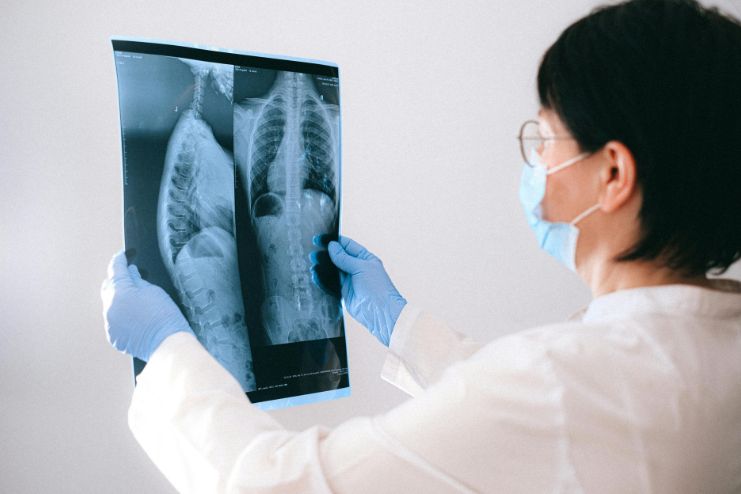
If you’re not sure whether your breathlessness is due to anxiety or a medical condition:
- Take up medical tests. Simple tests such as ECG, chest x-rays, and spirometry can exclude serious illness.
- Keep a symptom journal. Document when symptoms develop, what you were doing, how severe they are, how long they last, and what eases them.
- Record your triggers. Is it always in high-stress environments? Do breathing exercises work?
Don’t dismiss symptoms. Although anxiety is prevalent, it’s worth excluding a heart or lung problem rather than risking ignoring something critical.
Managing Anxiety-Related Shortness of Breath

Here are a few effective methods that can reduce anxiety and also the shortness of breath caused by it:
1. Box Breathing or 4-7-8 Technique:
These breathing exercises stimulate the parasympathetic nervous system:
- Box breathing: Breathe in for 4 seconds, hold for 4, breathe out for 4, hold for 4.
- 4-7-8 breathing: Breathe in for 4 seconds, hold for 7, exhale slowly for 8.
These calm down the brain and balance oxygen/CO2 levels.
2. Regular Movement & Cardio
Taking regular light to moderate aerobic exercise:
- Increases lung capacity
- Alters the condition of the heart and muscles
- Decreases overall sensitivity to anxiety
Even simple daily walking or yoga can work.
3. Therapy for Health Anxiety or Panic Disorder
Therapy is as effective as medications. Certain therapeutic approaches you can try include:
- Cognitive Behavioral Therapy (CBT)
- Somatic Therapy
- Exposure Therapy
These therapies help in reducing anxiety-breathlessness by addressing the underlying thought processes and fears that drive it.
4. When to Consider Anti-Anxiety Medications
When anxiety symptoms occur frequently and interfere with daily functioning, medications can be beneficial. These include:
- SSRIs (e.g., sertraline, escitalopram)
- SNRIs (e.g., venlafaxine)
- Short-term benzodiazepine use under a doctor’s supervision
Medication is always to be discussed with a primary care physician or psychiatrist.
Final Thoughts

Shortness of breath is frightening, but not necessarily harmful. Anxiety can masquerade as a life-threatening illness, but it progresses along familiar pathways. Knowing how to differentiate anxiety, shortness of breath, vs cardiac issues places you in control of your response.
Begin with a medical work-up. Once all tests return negative, target anxiety management methods. With time, equipment, and support, it is possible to control anxiety-related dyspnea and win back your breath—and your sanity.
References
- https://medlineplus.gov/ency/article/007198.htm
- https://www.who.int/news-room/fact-sheets/detail/chronic-obstructive-pulmonary-disease-(copd)
- https://www.hopkinsmedicine.org/health/treatment-tests-and-therapies/pulse-oximetry
- https://www.webmd.com/heart-disease/what-causes-heart-palpitations
- https://medlineplus.gov/ency/article/007198.htm
- https://www.health.harvard.edu/staying-healthy/understanding-the-stress-response
In this Article