














Most homes are louder than we think. For example, appliances that buzz and traffic outside your window. Researchers suggest that this noise isn’t simply troublesome, but it can also hurt your health in unexpected ways.
Studies have found that constant noise makes the body react to stress, which raises cortisol levels and can, over time, increase the risk of anxiety, high blood pressure, and even heart problems. Noise pollution also makes it difficult to sleep by disrupting the natural sleep pattern.
Even sounds that don’t wake you up completely can keep you from having a deep, peaceful sleep, which can make you exhausted and cranky the next day. This lack of good sleep can hurt mental health over time, making depression and anxiety disorders more likely.
Experts say that living with loud noise all the time is as bad for your health as smoking or drinking too much. Additionally, small things, such as using thick curtains, quieter appliances, or designating quiet hours, can make your house more tranquil and keep you healthy.
Read More: Lying in Bed for Hours and Unable to Sleep?
Quick Take (Scannable Box)

Constant background noise at home might seem harmless, but research shows it can quietly harm sleep, raise stress hormones, and even affect heart health. Understanding noise pollution’s impact and learning simple ways to reduce it can protect your well-being.
What Is Noise Pollution and Why It’s More Than Just an Annoyance
Noise pollution includes unwanted or harmful sounds in your environment, such as traffic, construction, loud appliances, or barking animals. It’s not just a nuisance.
Our brains keep listening for danger even when we are asleep, so noises, even small ones, can keep us awake.
How Noise Disturbs Sleep
Noise can make it harder to fall asleep and disrupt the structure of sleep, especially reducing REM and deep sleep, the stages most essential for feeling refreshed. Even noise that doesn’t fully wake you can still fragment your sleep.
Anxiety, Stress, and Physical Health Risks
When your environment is noisy all the time, your body treats that noise like stress. Stress hormones like cortisol go up, resulting in anxiety, irritability, and feeling constantly “on edge.” Over time, noise exposure is linked to a higher risk of high blood pressure (hypertension) and even heart disease. Physical problems such as headaches, hearing damage, and even more serious effects in vulnerable groups (like children and pregnant people) can also occur.
Loud noises can signal to the auditory system that something is wrong, triggering a fight-or-flight response, and flooding the body with stress hormones that cause inflammation, leading to disease, said Peter James, associate professor in the Department of Environmental Health at Harvard T.H. Chan School of Public Health.
Even Low Noise Levels Matter
You don’t have to hear loud jets or beating drums for damage to take place. Even low to moderate noise, in the range of 30-40 decibels, such as the hum of a refrigerator or distant traffic, can disrupt sleep cycles and subtly raise stress.
Simple Ways to Reduce the Noise in Your Home
- Soundproof windows and doors: Use double or triple-paned windows; ensure gaps are sealed so that sound from the outside can’t be heard inside.
- Insulation and curtains: Thick curtains, rugs or carpets, and good insulation in walls/ceilings absorb sound.
- Quiet time scheduling: Try to have periods during the day (evenings) when you reduce loud device usage, avoid noisy chores, or turn off appliances. Helps the body and mind wind down.
- White noise/masking sounds: Using a fan, a white noise machine, or soft background sounds to mask disruptive noises. But keep volumes safe.
- Replace or repair noisy appliances: Older machines or poorly maintained ones often make loud noises during use. Sometimes replacing or fixing them reduces the overall noise load.
Read More: This One Nighttime Habit Changed My Sleep and Sleep Stress
What Counts as Noise Pollution at Home?
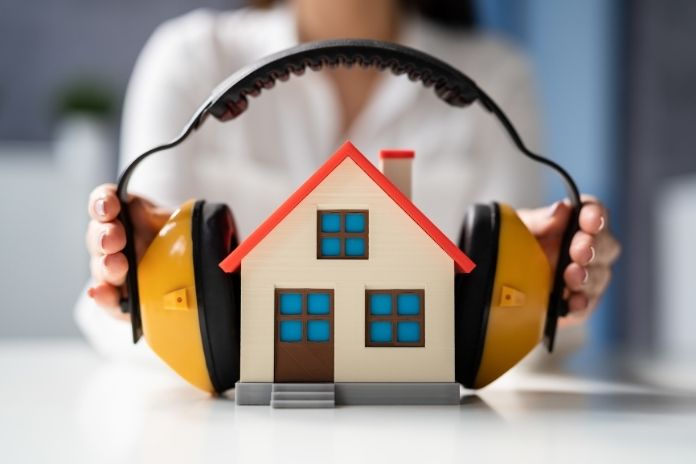
Living with continuous noise creates stress. The brain treats sounds as possible threats, even if we don’t consciously notice them. Noise triggers stress hormones like cortisol. Over time, this can increase anxiety and irritability and lead to more serious health outcomes.
In cities, traffic, sirens, neighbors, and construction are common noise sources, especially at night. Studies show that urban nighttime noise above ~40 dB is strongly linked with difficulty falling asleep, waking up during the night, and lighter (less deep) sleep. Poor sleep then weakens overall health, the immune system, mood, and even heart function.
Traffic, Neighbors, Construction
Outside noise sources are major contributors to home noise pollution. Car horns, traffic, airplanes, trucks, construction, and even loud neighbors can all bring unwanted noise into your home. These noises tend to be irregular and sometimes loud, which makes them especially disturbing.
Indoor Sources: TVs, Appliances, Constant Notifications
Inside the home, many everyday devices add up. Televisions or radios turned loud, air conditioners, dishwashers, electric fans, vacuum cleaners, and hair dryers all produce continuous or intermittent noise. Also, frequent phone alerts, alarms, or notifications from devices create a background hum that never quite stops.
Explain Decibel Levels (WHO: >40 dB at Night Can Affect Sleep)
We measure the loudness of noise in decibels (dB). According to the WHO and environmental studies, noise levels above 40 dB at night (outside the bedroom) are enough to disturb sleep. Even lower levels, around 30-40 dB, can cause waking hums, restlessness, or light sleep stages rather than deep, restorative sleep. When noise regularly crosses this threshold, it adds up to more serious effects on health (sleep disturbance, stress, etc.).
Read More: 5 White Noise Machines for Tranquil Nights
How Noise Affects Sleep
Noise at night not only bothers people, but it also makes it harder to sleep, hurts mental health, and raises long-term health risks.
Light vs. Deep Sleep Disruption → Fragmented Rest
Not only does noise pollution wake you up, but it also impacts how you sleep. Background noise can keep you in lighter phases of sleep, even if you stay asleep. These stages are not as restorative as deeper stages.
This causes sleep to be disrupted or shallow, making it hard to get enough rest. Research indicates that individuals subjected to nocturnal noise experience increased awakenings, regardless of whether they subsequently recall them.
Reduced REM Sleep, Grogginess the Next Day
Rapid Eye Movement (REM) sleep is essential for memory, learning, and mental wellness. Noise pollution at night, whether it’s from traffic, neighbors, or things in your own home, keeps you from getting enough REM sleep.
You can feel sleepy, unfocused, or irritated the next day if you don’t get enough REM sleep. This can have an effect on mental health and overall health over time.
Study Highlight: Subtle Noise Linked to Insomnia
Studies have shown that even low-level noise in the surroundings, such as distant traffic or a humming appliance of around 30-40 decibels, can cause insomnia and other sleep issues.
Your body stays awake instead of going into deep sleep when noise makes stress chemicals like cortisol or adrenaline rise. These changes in hormones can also increase your heart rate and blood pressure, which can lead to long-term health problems like anxiety, depression, and heart disease.
Noise Pollution, Sleep Problems, and Mental Health
Constant noise that keeps you from sleeping well isn’t just about being weary. It makes you more likely to have mental health problems, including anxiety and sadness. When the brain doesn’t receive enough restorative sleep, it can’t control its emotions as well, and stress levels remain high.
Experts say that the health hazards due to sound pollution are similar to those of other long-term stressors, indicating how noise and lack of sleep in cities may be bad for both mental and physical health.
Read More: Why Body Temperature Drops at Night and How it Affects Sleep?
How Noise Fuels Stress and Anxiety
Noise at night not only annoys individuals but also makes it more difficult to sleep, damages mental well-being, and increases long-term health threats.
Light vs. Deep Sleep Disruption → Fragmented Rest
Not only does noise pollution affect the way you sleep, but it also affects your health. Background noise may keep you in lighter stages of sleep, even if you remain asleep.
These stages are less restorative than deep stages. This makes sleep fragmented or shallow, making it difficult to get adequate rest. Studies show that people exposed to nighttime noise have heightened awakenings, regardless of later recall.
Reduced REM Sleep, Grogginess the Next Day
REM sleep is essential to memory, learning, and emotional health. Nighttime noise pollution from traffic, neighbors, or objects in your home prevents you from having adequate REM sleep.
You might feel tired, drowsy, or irritable the following day without adequate REM sleep. This will have implications for mental and overall health in the long term.
Study Highlight: Subtle Noise Linked to Insomnia
Research has indicated that even low-level noise in the environment, like distant traffic or a humming machine of about 30-40 decibels, could lead to insomnia and other sleep disorders.
Your body remains alert rather than being in deep sleep when noise causes stress chemicals such as cortisol or adrenaline to increase. These hormonal changes may also increase your heart rate and blood pressure, which, over time, can cause health issues such as anxiety, depression, and heart disease.
Dr. Abhinav Singh, MD, MPH, FAASM (Sleep Medicine Physician, Indiana Sleep Center) explains that environmental noise (traffic, vehicles, buses, etc.) worsens the quality of sleep by increasing lighter stages of sleep and reducing deep (slow wave) sleep and REM sleep. This leads to feeling less rested, more irritable or anxious, and with poorer mental health over time.
He also points out that even when noise doesn’t fully wake someone, the brain processes it subconsciously, boosting stress hormones (e.g., cortisol, adrenaline) and increasing the risk of long-term health impacts.
Noise Pollution, Sleep Problems, and Mental Health
Regular noise that prevents you from sleeping soundly is not simply about feeling tired. It makes you vulnerable to mental health issues like anxiety and depression. When the brain is not getting restorative sleep, it is unable to regulate its emotions and remains stressed.
According to experts, the health risks of sound pollution are comparable to other chronic stressors, showing how noise and sleep deprivation in urban areas can be detrimental for both mental and physical well-being.
Read More: How Moon Phases May Affect Your Mood and Sleep
Beyond Sleep and Anxiety: Broader Health Risks
Sleep disruption from noise isn’t just about feeling tired or anxious. Research shows it can increase the risk of heart disease, impair memory and focus, and even slow learning in children, making noise pollution a serious public health concern.
Links to Cardiovascular Disease (Hypertension, Stroke)
Not getting enough sleep doesn’t just make you tired; it increases your risk of serious heart problems. Sleep deficiency is associated with high blood pressure (hypertension), heart disease, and stroke.
When the body doesn’t get enough rest, stress hormones remain elevated, your blood vessels stay constricted, and your heart has to work harder. Over time, these changes raise the chance of cardiovascular disease.
Cognitive Impacts → Reduced Focus, Memory Issues
Sleep loss harms how the brain works. You may have trouble concentrating, slower reaction times, difficulty paying attention, and poor decision-making. Working memory (holding and using information in mind for short-term tasks) becomes weaker.
Long-term memory formation can also suffer. Even a few nights of partial sleep loss can lead to noticeable declines in learning, processing speed, and mental sharpness.
Children Exposed to Chronic Noise Show Slower Learning Outcomes
For children, chronic exposure to loud or frequently disrupted sleep (for example, due to noise pollution) can be especially damaging.
Poor sleep quality or insufficient sleep is linked to slower cognitive development, poor performance in school, and trouble focusing. Over time, children may lag in learning skills, memory, and emotional regulation. Early-life sleep deprivation can also affect brain structure and long-term behavior.
How These Risks Tie Together with Noise Pollution and Health
“Noise pollution and health” are connected: unwanted sound at night → sleep problems → daytime stress & elevated hormones → long-term harm.
When noise repeatedly wakes or disturbs sleep, it can lead to sleep deprivation, which itself carries risks of cardiovascular disease, poor mental health, and cognitive decline.
Read More: 7 Best Comforters for a Cozy Night’s Sleep
Who’s Most at Risk?
Not everyone experiences noise pollution the same way. Urban residents, shift workers, children, older adults, and people with high noise sensitivity face the greatest risks, from anxiety and sleep loss to serious long-term health problems linked to constant noise exposure.
Urban Residents, Shift Workers, Thin-Walled Apartments
People living in busy cities are among the most exposed to noise pollution and health risks. Traffic, planes, trains, and general urban bustle make quiet nights rare. People in thin-walled apartments have little protection, and even moderate outside noise seeps in easily.
Shift workers also suffer: their sleep is misaligned (daytime sleep, nighttime wake), making them more sensitive to interruptions, light, and noise, which worsen sleep problems and stress.
Highly Sensitive Individuals or Those with Pre-Existing Anxiety
Some people are much more sensitive to noise than others. If you have anxiety, stress disorders, or something like noise sensitivity disorder, even small or intermittent sounds—alarms, notifications, neighbors—can trigger stress responses.
Your body may stay on alert more often, making it harder to relax or sleep well. For these people, noise pollution and anxiety are tightly linked, and they are at a higher risk of having health issues.
Children and Older Adults
Children and older adults are especially vulnerable. Children spend more time asleep, are still developing, and may have less ability to control their environment.
Noise that disrupts children’s sleep or learning, such as from traffic, schools, or noisy neighborhoods, can impair concentration, delay speech, and harm academic performance. Older adults often have more fragile health, and noise disturbances can worsen cardiovascular and metabolic issues, sleep disorders, and anxiety.
Why These Groups Face Greater Risk
- Noise pollution and anxiety: For sensitive individuals, noise can trigger anxiety, which in turn increases stress hormones, making noise pollution-related sleep problems worse.
- Noise sensitivity disorder: Some people have low thresholds for noise; what’s just “background noise” for one might be deeply disturbing for another.
- Cumulative effects: These vulnerable groups often experience repeated or long-term exposure, so even moderate noise can be detrimental to their health.
Read More: 6 Top Weighted Blankets for Deeper, Restful Sleep
Practical Ways to Reduce Noise at Home

The best outcomes come from using a mix of strategies. For instance, you could use heavy drapes and block the holes in the windows, or you may put down area rugs and operate a white noise machine.
These noise-canceling home solutions reduce noise pollution and help you sleep better, feel less stressed, and stay healthy overall.
Soundproofing Hacks: Rugs, Curtains, Draft Stoppers, Door Seals
- Thick rugs or carpets help a lot because they absorb sound instead of letting it bounce off hard floors. Putting rug pads under the rugs is more useful.
- Heavy or lined curtains, especially over windows, don’t allow outside noise to be heard inside. The fabric should be as thick and dense as possible.
- Draft stoppers under doors help in closing the gap at the bottom, blocking outside noise.
- Seal the edges of doors and windows with weather stripping or acoustic caulk to block outside noise. Even little fissures are important.
Tech Solutions: White Noise Machines, Noise-Canceling Headphones
- Use fans or white noise devices to have a steady sound in the background. This helps cover up abrupt noises so they don’t seem so bad.
- Noise-canceling headphones or earplugs can help you get some peace, such as while you’re trying to sleep or work, especially if you can’t adjust the room’s layout.
Lifestyle Strategies: Quiet Hours, Limit Device Alerts, Mindful “Digital Silence”
- Set aside calm times in your home, like after a specific time in the evening, when noisy appliances, music, or TV volumes are turned down. This helps create a routine that creates less noise pollution.
- At night, turn off or lower alerts on phones, watches, or other devices that aren’t necessary. Even minor notifications and buzzing can keep you from getting enough sleep.
- Be careful about digital noise. You can put your devices on silent or have “digital silence” times. Even little sounds build up.
Read More: Magnesium Before Bed: TikTok’s Favourite Sleep hack
When to Seek Professional Help
Noise pollution can often be so bad for your health that simple changes like using earplugs or white noise devices may not help. If you have trouble sleeping or have been suffering from mental health for weeks, you need to see a professional.
Chronic Insomnia Despite Changes
If you’ve tried making your home quieter, soundproofing rooms, using sleep aids, and cutting back on screen time before bed, but you still have trouble falling or staying asleep, you might have chronic insomnia.
Not getting enough sleep regularly can damage your mood, your immune system, your heart health, and reduce your energy levels in general. Polysomnography and other testing can help sleep specialists figure out if noise is causing insomnia or if another sleep problem is at play.
Severe Noise Sensitivity or Hyperacusis
Some people get hyperacusis, which makes even normal noises feel excruciatingly loud or stressful. Being on high alert all the time can make stress worse, raise your heart rate, and cause noise pollution and anxiety disorders.
Mental health specialists, especially those who know how to do cognitive behavioral therapy (CBT), can show you how to deal with problems. In some circumstances, sound treatment or desensitization training could be suggested.
Noise and Mental Health Links
Studies indicate a significant correlation among noise pollution, sleep disturbances, and anxiety disorders. People who are around loud noises for a long period may start to show signs of chronic stress, such as irritation, headaches, and even depression.
If you feel anxious or panicked when you hear noise, a psychologist or psychiatrist can help you learn how to deal with stress and, if necessary, give you medicine for anxiety or insomnia.
Next Steps with Professionals
- Sleep clinics: Find out if environmental noise is causing sleeplessness or sleep apnea.
- Audiologists: Look for hyperacusis or other hearing issues.
- Experts in mental health: Get help for anxiety, despair, or stress that is caused by noise.
- Cardiologists: Check blood pressure and heart health in cases that last a long time.
Getting aid early makes sure that health problems caused by noise don’t last.
Read More: 7 Side Effects of Sleeping Pills
Conclusion
Noise pollution may seem like just another part of busy modern life, but research shows it’s much more than a minor annoyance. Constant exposure to traffic, construction, or even household appliances doesn’t just disturb peace; it impacts sleep quality, mental well-being, and long-term health.
Studies link everyday noise to fragmented sleep, higher stress hormone levels, and increased risks of heart disease and anxiety disorders. Even relatively low sound levels at night can keep the brain in a state of alertness, stopping it from reaching the deep, restorative stages of sleep.
The takeaway is clear: a quieter home means better health. Simple steps such as adding floor rugs, sealing windows, using white noise machines, or setting family “quiet hours” can make a real difference. If noise continues to disrupt your life despite these efforts, consulting sleep or mental health professionals can help identify underlying problems early.
So, here’s your action step: audit your home’s noise levels this week. Try one change, like soundproof curtains or limiting late-night gadget alerts, and see how it transforms your sleep and peace of mind. A calmer environment today can protect your health for years to come.
References
- https://www.iberdrola.com/sustainability/what-is-noise-pollution-causes-effects-solutions
- https://www.nature.com/articles/s41370-024-00642-5
- https://pmc.ncbi.nlm.nih.gov/articles/PMC4608916/
- https://www.medicalnewstoday.com/articles/noise-pollution-health-effects#summary
- https://www.windowworld.com/blog/ways-to-reduce-noise-pollution
- https://www.vedantu.com/english/noise-pollution-essay
- https://www.amaru.com.au/blog/how-to-instantly-reduce-noise-pollution-in-your-home
- https://www.findmyhia.org.uk/blog/what-are-the-common-types-of-domestic-noise-pollution
- https://www.windowworld.com/blog/ways-to-reduce-noise-pollution
- https://pmc.ncbi.nlm.nih.gov/articles/PMC4608916/
- https://hsph.harvard.edu/news/noise-pollution-can-lead-to-sleep-issues-chronic-health-problems/
- https://www.sciencedirect.com/science/article/pii/S1984006314000601
- https://www.nhlbi.nih.gov/health/sleep-deprivation
- https://www.ncbi.nlm.nih.gov/books/NBK19961/
- https://health.clevelandclinic.org/happens-body-dont-get-enough-sleep
- https://www.dormeo.co.uk/blog/sleep-health/how-noise-pollution-impacts-sleep
- https://www.sciencedirect.com/science/article/abs/pii/S0048969710006625
- https://pmc.ncbi.nlm.nih.gov/articles/PMC4608916/
- https://www.who.int/europe/news-room/fact-sheets/item/noise
- https://www.windowworld.com/blog/ways-to-reduce-noise-pollution
- https://raleighrealty.com/blog/soundproofing-tips
- https://moderncastle.com/home-resources/cheapest-way-to-soundproof-a-room/
- https://www.soundcore.com/blogs/earbuds/how-to-block-out-noise-when-sleeping
In this Article