













Your heart doesn’t just keep you alive; it works nonstop, sending out vital signals about your health with every beat. One of the simplest, yet most revealing of these signals is your heart rate. It’s more than just a number; it’s a window into how your body is functioning. From the way your nervous system is balanced to how efficiently your blood circulates, your heart rate can provide early clues to your overall well-being.
When your heartbeat is steady and within a normal range, it usually means things are running smoothly under the surface. But when your heart rate becomes irregular, either racing too fast or dropping too low without reason, it could be a sign that something deeper needs attention. Many serious conditions, such as heart disease, thyroid issues, or even chronic stress, can first show up as subtle changes in your pulse.
It’s also important to know that fluctuations in your heart rate are completely natural. For instance, your heart pumps faster when you’re exercising, feeling anxious, or even excited, and it slows down when you’re resting or asleep. However, persistently abnormal readings, too high, too low, or erratic, shouldn’t be ignored. These could be your body’s way of waving a red flag before more serious symptoms appear.
So what exactly counts as a “normal” heart rate? What do the numbers mean for your health? And how can you monitor it accurately at home? Most importantly, how do you know when it’s time to speak to a healthcare provider?
Let’s break it all down so you can better understand what your heart is telling you and how to keep it beating strong for years to come.
What Is a Normal Heart Rate?
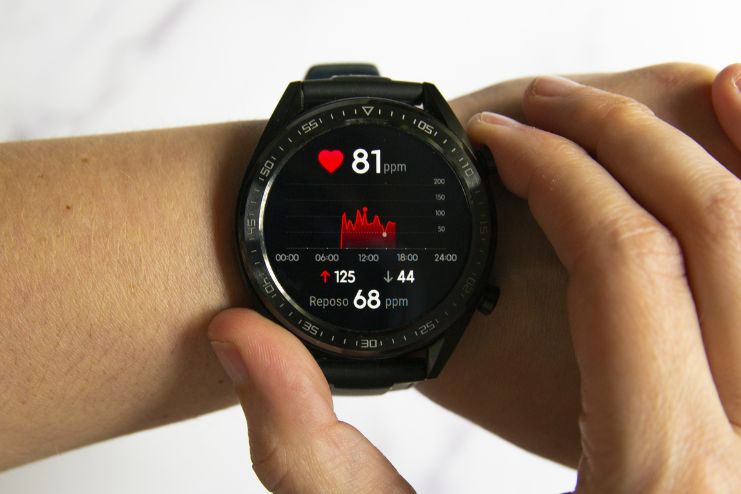
For most adults, a normal resting heart rate (RHR) falls between 60 and 100 beats per minute (bpm). This range is supported by decades of cardiovascular research, which shows that consistent readings outside of this window may point to underlying health issues, especially if accompanied by other symptoms like dizziness or fatigue.
Your resting heart rate is best measured when you are completely relaxed, ideally, first thing in the morning, before you get out of bed. This gives a true picture of your heart’s baseline performance, unaffected by movement, food, stress, or temperature.
- An RHR below 60 bpm is common among well-trained athletes or highly fit individuals. Their hearts pump blood more efficiently, needing fewer beats per minute to do the same job.
- A heart rate close to or above 100 bpm at rest, however, may suggest your heart is working harder than it should, potentially due to stress, dehydration, illness, or an undiagnosed condition.
Factors That Can Influence Heart Rate
Many factors, both short-term and long-term, can influence your heart rate:
- Age: As we get older, the maximum heart rate we can reach during exercise declines naturally.
- Fitness Level: More aerobically fit people tend to have a lower resting heart rate, as their hearts become more efficient over time.
- Medications: Certain medications, like beta-blockers, lower your heart rate, while stimulants, including some cold medicines or ADHD drugs, can raise it.
- Emotions: Strong feelings like stress, anxiety, excitement, or fear can temporarily spike your heart rate due to increased adrenaline.
- Fever or Illness: When you’re sick, especially with a fever, your heart may beat faster to meet higher metabolic demands.
Even hydration levels, caffeine intake, and room temperature can subtly influence your heart rate on any given day.
Resting vs. Active Heart Rate
It’s also important to distinguish between your resting and active heart rate. During exercise, your heart rate naturally increases to supply your muscles with more oxygen-rich blood. This is expected and healthy.
What truly reflects your heart’s health is how quickly your heart rate returns to normal after exercise. A faster recovery typically indicates better cardiovascular fitness and a more resilient heart.
When Is Your Heart Rate Too High? (Tachycardia)

A resting heart rate consistently above 100 beats per minute (bpm) is referred to as tachycardia, and it may be a sign that your heart is working harder than it should when you’re at rest. While a temporary increase in heart rate is typically harmless, especially after exercise, caffeine intake, or during moments of stress, persistent or unexplained elevations warrant attention.
It’s normal for your heart to beat faster during physical activity, in hot weather, or when you’re emotionally charged. But if your resting heart rate stays elevated without any clear reason, or if it spikes unpredictably and frequently, it could point to an underlying health problem that needs medical evaluation.
Common Causes of Tachycardia
Several factors, some benign, others more serious, can lead to tachycardia:
- Fever and infection: Your body’s demand for oxygen increases, prompting your heart to pump faster.
- Dehydration: Low fluid levels reduce blood volume, forcing the heart to beat more rapidly to maintain circulation.
- Anxiety or panic attacks: Surges of adrenaline can temporarily send your heart rate soaring.
- Excess caffeine or stimulants: Energy drinks, pre-workout supplements, and certain medications can overstimulate your heart.
- Hyperthyroidism: An overactive thyroid increases metabolism and heart rate.
- Heart conditions: Including arrhythmias, congestive heart failure, or structural issues like valve problems.
- Anemia: A reduced number of red blood cells limits oxygen delivery, causing your heart to compensate by beating faster.
Warning Signs to Watch For
A fast heart rate isn’t always dangerous by itself, but when it’s accompanied by other symptoms, it could be a sign of cardiovascular strain or dysfunction. You should seek medical help if you experience:
- Heart palpitations: A fluttering, pounding, or racing feeling in your chest.
- Shortness of breath: Especially if it occurs at rest or with minimal activity.
- Dizziness or fainting: Could mean your brain isn’t getting enough oxygen-rich blood.
- Chest discomfort: Pain, pressure, or tightness can signal a serious issue like a heart attack.
These signs may indicate that your heart isn’t pumping efficiently, which can increase your risk of stroke, cardiac arrest, or other serious complications. Early evaluation and treatment can make a significant difference.
When Is Your Heart Rate Too Low? (Bradycardia)
A resting heart rate below 60 beats per minute (bpm) is referred to as bradycardia. While it may sound alarming, bradycardia isn’t always a medical emergency. In fact, many endurance athletes, such as long-distance runners or swimmers, regularly have resting heart rates in the 40s or 50s. This is a sign of excellent cardiovascular efficiency, where the heart is strong enough to pump blood with fewer beats.
However, for individuals who are not highly athletic, a consistently low resting heart rate, especially when paired with symptoms, may point to an issue with the heart’s electrical system or other underlying health conditions.
Common Causes of Bradycardia
Several factors can contribute to a slower-than-normal heartbeat:
- Aging: As we get older, the heart’s natural pacemaker and electrical pathways can degrade, causing slower or irregular rhythms.
- Hypothyroidism: A sluggish thyroid results in a slowed metabolism, which can, in turn, slow your heart rate.
- Sleep or vagal stimulation: It’s normal for the heart rate to drop during deep sleep or during activities that stimulate the vagus nerve (like holding your breath or bearing down during a bowel movement).
- Heart block or sinus node dysfunction: These are electrical conduction disorders where signals in the heart are delayed or blocked, preventing it from beating properly.
- Medications: Drugs such as beta-blockers, digoxin, and certain sedatives or sleep aids can reduce heart rate too much, especially when dosed improperly or combined with other medications.
Symptoms to Look Out For
Bradycardia becomes a concern when it interferes with the brain and body’s ability to get enough oxygen-rich blood. Seek medical advice if you notice:
- Fatigue: Feeling drained or exhausted, even after getting enough rest.
- Lightheadedness or dizziness: Feeling like you’re about to faint or experiencing mental fogginess.
- Exercise intolerance: Struggling with physical tasks that once felt easy, like climbing stairs or walking briskly.
- Fainting episodes (syncope): Passing out is a serious warning sign that your brain may not be receiving enough blood flow.
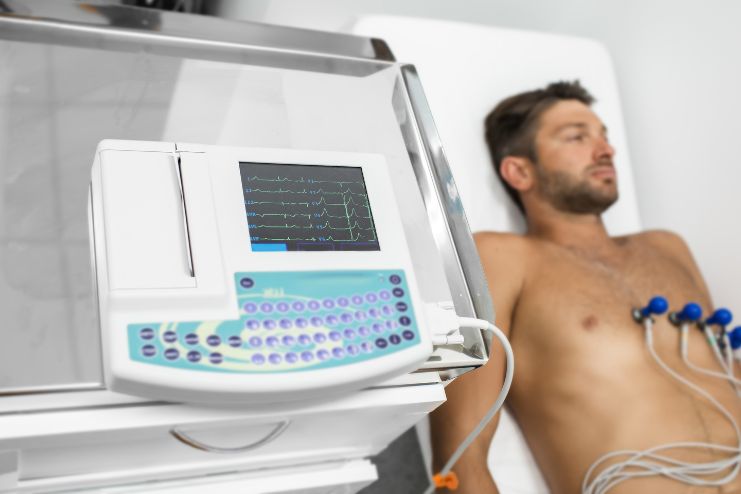
While bradycardia isn’t always dangerous, especially if you’re an athlete or otherwise healthy, it should be evaluated if you’re experiencing unexplained symptoms. In some cases, untreated bradycardia can lead to low blood pressure, heart failure, or the need for a pacemaker. If you’re unsure, a simple ECG or wearable heart monitor can help identify the cause and guide the next steps.
How to Check Your Heart Rate Accurately

Monitoring your heart rate is a simple yet powerful way to keep tabs on your cardiovascular health. The best part? You don’t need specialized medical equipment, just a few minutes and either your fingers or a fitness device.
Manual Pulse Check
You can check your heart rate manually by following these steps:
- Locate your pulse using your index and middle fingers (never your thumb, as it has a pulse of its own).
- For the radial pulse, place your fingers on the inside of your wrist, just below the base of your thumb.
- For the carotid pulse, gently press on either side of your neck, next to your windpipe.
- Count the beats you feel for 30 seconds, then double the number to get your heart rate in beats per minute (bpm).
- Make sure you’re relaxed and seated or lying down when taking your resting heart rate, preferably first thing in the morning before any physical activity or caffeine.
Smartwatches and Fitness Trackers
Modern wearables like the Apple Watch, Fitbit, Garmin, and others use optical sensors to monitor your heart rate continuously. These devices:
- Provide real-time data throughout the day and night.
- Allow you to track trends over time (e.g., how stress, sleep, or workouts affect your heart).
- Some even alert you to unusual spikes or drops in heart rate, helping detect potential issues early.
For people with specific health concerns or athletes tracking performance, wearables offer unmatched convenience and insights.
When and How Often to Monitor
- Frequency: Check your resting heart rate once a day, ideally in the morning, when you’re most calm and your heart is at baseline.
- Consistency: Always measure under similar conditions, same time of day, same body position, to get reliable data.
- Track patterns: A one-time high or low reading may be meaningless, but trends over days or weeks can tell a fuller story.
- Take note of symptoms: If you experience dizziness, chest pain, fatigue, or palpitations, record your heart rate at that moment. This information can be useful during medical evaluations.
When to See a Doctor

While occasional changes in heart rate are normal, you should contact a healthcare provider if:
- Your resting heart rate is consistently below 50 bpm or above 100 bpm without an obvious explanation.
- You experience dizziness, fainting, chest pain, or shortness of breath.
- Your heart rate fluctuates wildly or feels irregular.
Doctors may use diagnostic tools like:
- Electrocardiogram (ECG or EKG): A quick, painless test to check your heart’s electrical activity.
- Holter monitor: A portable device worn for 24-48 hours to record your heart’s rhythm.
- Stress tests: Exercise-based tests that evaluate how your heart responds to exertion.
These tests can uncover arrhythmias, heart block, or other issues that could be contributing to abnormal heart rates.
Tips to Maintain a Healthy Heart Rate

- Regular aerobic exercise: Activities like walking, jogging, cycling, or swimming strengthen your heart and improve its efficiency. Even 30 minutes of moderate exercise five days a week can lower resting heart rate over time.
- Stress management: Chronic stress keeps your heart rate elevated. Techniques like deep breathing, yoga, or guided meditation can help bring it down.
- Stay hydrated: Dehydration thickens the blood and makes your heart work harder.
- Limit caffeine and stimulants: Excess coffee, energy drinks, or certain medications can cause your heart rate to spike.
- Avoid smoking and excessive alcohol: Both damage your cardiovascular system and can contribute to irregular heart rhythms.
Medical Support
Sometimes, lifestyle changes aren’t enough. Seek professional help if you:
- Have underlying conditions like thyroid disease or hypertension that affect heart rate.
- Need medications to manage arrhythmias or other heart conditions.
- Might benefit from a pacemaker if your heart’s electrical system isn’t working correctly.
Final Thoughts
Your heart is more than just a muscle; it’s the rhythm of your life. Each beat is a signal, a story, a clue to your overall well-being. While daily fluctuations are normal, persistent changes, especially when unexplained, should never be brushed aside.
Regularly checking your heart rate is one of the simplest, most accessible ways to stay in tune with your body. It doesn’t take much time, but it can make a world of difference. A steady, healthy heartbeat reflects balance, strength, and resilience, qualities your body depends on.
So listen closely. Pay attention. Support your heart with movement, nourishment, rest, and care. And if something feels off, trust your instincts and seek guidance. Because your heart doesn’t just keep you alive, it keeps you going. And it deserves your full attention, every single day.
References
- https://www.health.harvard.edu/heart-health/what-your-heart-rate-is-telling-you
- https://www.mayoclinic.org/healthy-lifestyle/fitness/expert-answers/heart-rate/faq-20057979
- https://www.maxhealthcare.in/blogs/normal-vs-dangerous-heart-rate
- https://www.bhf.org.uk/informationsupport/heart-matters-magazine/medical/ask-the-experts/pulse-rate
- https://my.clevelandclinic.org/health/articles/17644-women-and-heart-rate
- https://emedicine.medscape.com/article/2172054-overview
- https://www.medicalnewstoday.com/articles/235710
- https://www.mayoclinic.org/diseases-conditions/bradycardia/symptoms-causes/syc-20355474
- https://my.clevelandclinic.org/health/diseases/17841-bradycardia
- https://www.massgeneralbrigham.org/en/patient-care/services-and-specialties/heart/conditions/bradycardia
- https://my.clevelandclinic.org/health/diseases/22108-tachycardia
- https://www.mayoclinic.org/diseases-conditions/tachycardia/symptoms-causes/syc-20355127
- https://www.heart.org/en/health-topics/arrhythmia/about-arrhythmia/tachycardia–fast-heart-rate
- https://www.medicalnewstoday.com/articles/175241
- https://www.sciencedirect.com/science/article/pii/S0735109712055180
- https://www.healthdirect.gov.au/tachycardia
In this Article