









Shredded wheat has long had that “healthy cereal” reputation, plain, fibrous, and often sitting quietly in the back of the pantry while flashier boxes steal the spotlight. But in a world full of protein-packed granolas, oat milk cartons, and low-carb everything, it’s fair to wonder: does shredded wheat still hold up?
The answer isn’t black and white, let’s dig deeper.
This article cuts through the marketing claims and dives into the real nutritional profile of shredded wheat, what it offers, what it lacks, and how it fits into a balanced diet. Whether you’re trying to lose weight, lower your cholesterol, stabilize blood sugar, or just avoid sugary breakfast traps, we’ll break down the facts so you can decide if shredded wheat deserves a spot in your bowl.
What Is Shredded Wheat?
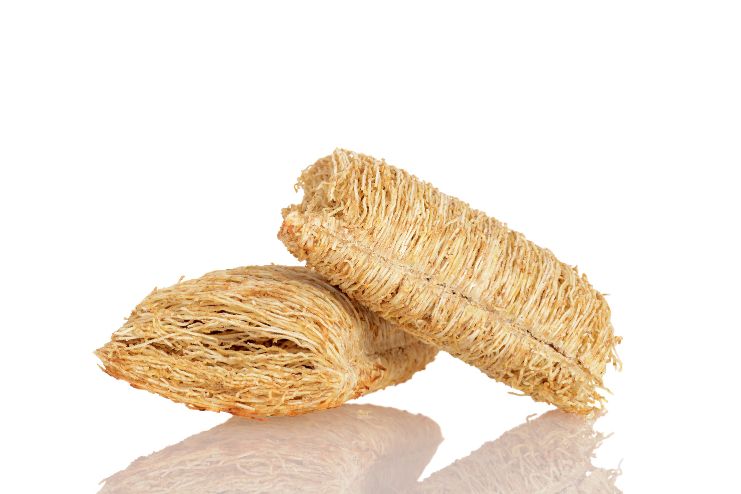
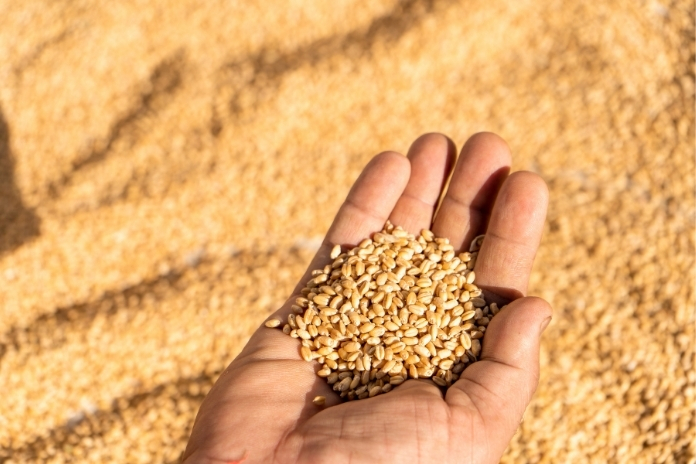
At its core, shredded wheat is about as straightforward as cereal gets. It’s typically made from just one ingredient: whole wheat kernels. These kernels are steamed, shredded into thin strands, formed into pillow-like biscuits, and baked until dry and crispy. That’s it, no added sugars, no salt, no preservatives, no artificial flavoring. Just 100% whole grain in a ready-to-eat form.
This simplicity is one of shredded wheat’s biggest strengths. In a grocery aisle full of cereals with complicated ingredient lists, shredded wheat stands out for what it doesn’t contain. It’s unprocessed, minimally altered, and relies entirely on the natural nutrition of whole wheat.
Over time, the classic version has evolved into a few different forms to meet changing tastes and convenience:
- Original Large Biscuits – These thick, crunchy blocks are often softened with warm milk or broken into chunks for easier eating.
- Bite-Sized Shredded Wheat – Smaller and more convenient, perfect for quick bowls or even dry snacking.
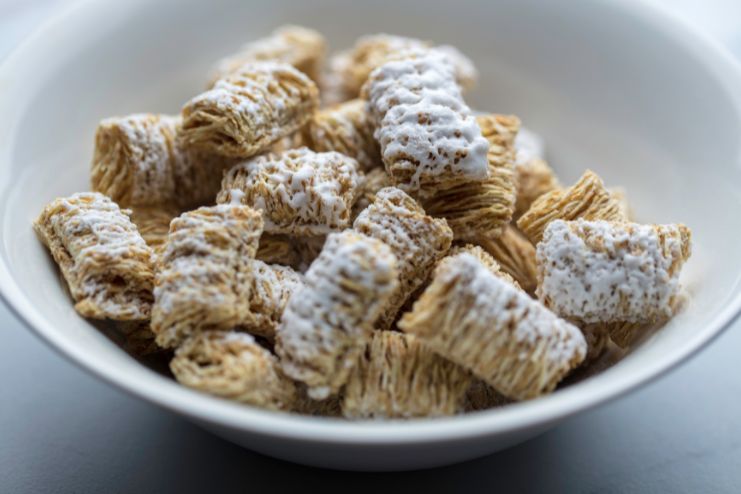
- Frosted Mini-Wheats – A sweeter spin, coated with a sugar glaze to appeal to those who find the original too plain.
While newer varieties may add flavor or texture, the original version remains a favorite for those seeking a clean, whole-food breakfast. Whether you dress it up with fruit, yogurt, or nut butter, or eat it as-is with milk, it’s a blank canvas built on a wholesome foundation.
According to experts at Mayo Clinic, “Whole‑grain foods help control cholesterol levels, weight and blood pressure, and lower the risk of diabetes, heart disease, and other conditions.”
Shredded Wheat Nutrition Facts (Per Serving)
Let’s get into what actually makes shredded wheat a nutritional standout. A standard serving, about 60 grams of original bite-sized shredded wheat, packs a punch in terms of whole grain goodness:
- Calories: ~210
- Protein: 6–7 grams
- Carbohydrates: 40–44 grams
- Fiber: 6–7 grams
- Sugar: 0 grams (for the plain, unsweetened version)
- Fat: 1 gram (mostly unsaturated)
- Sodium: 0–5 mg
- Iron: ~10–15% of your daily value
- Magnesium, Zinc, and B Vitamins: Present in moderate amounts, thanks to the whole wheat content.
The fiber content is what really sets shredded wheat apart. You’re getting about a quarter of your daily fiber needs in just one bowl, which supports digestion, keeps blood sugar more stable, and helps you feel full longer.
And here’s the big win: zero added sugar. That’s a rarity in the cereal aisle. Most so-called healthy cereals sneak in some form of sweetener, even granola or high-fiber flakes. With shredded wheat, the ingredient list is often just one word: wheat.
Compared to:
- Cornflakes? Lower in fiber, often fortified with sugar and salt.
- Granola? Higher in calories and sugar, thanks to added oils, sweeteners, and mix-ins.
- Oat-based cereals? Healthier, sure, but many still include additives for texture or flavor.
If you’re looking for a low-glycemic, nutrient-dense, and digestion-friendly breakfast base, shredded wheat delivers. It’s a clean slate that you can dress up without compromising its health benefits.
Why Shredded Wheat Deserves a Spot in Your Diet

When it comes to choosing a genuinely healthy breakfast cereal, it’s easy to get misled by colorful packaging, vague health claims, or sneaky sugar content. Shredded wheat, however, is refreshingly simple: just whole wheat, minimally processed, and packed with nutrients that actually matter.
It’s the kind of cereal that does more than just fill your stomach; it supports long-term health goals. Here’s how shredded wheat delivers real benefits, backed by both nutrition science and common sense.
1. High in Fiber
Fiber is the backbone of a nutritious cereal, and shredded wheat delivers in spades. One serving contains around 6–7 grams of dietary fiber, which is about a quarter of the daily recommended intake. Here’s what that fiber does for you:
- Supports digestion by promoting regular bowel movements and feeding healthy gut bacteria.
- Keeps you full longer, which helps curb mindless snacking.
- Stabilizes blood sugar levels by slowing the absorption of carbohydrates.
- Lowers cholesterol, especially LDL or “bad” cholesterol, thanks to its soluble fiber content.
The bottom line? This cereal isn’t just roughage, it’s a powerful ally for your gut and heart.
NHLBI Framingham Offspring Study (18-year follow-up) found that adults consuming ≥3 servings of whole grains daily, including whole-grain cereals, had smaller increases in waist circumference, blood pressure, and blood sugar, compared to low whole-grain consumers
2. Promotes Heart Health
Shredded wheat ticks off several boxes for heart health:
- It’s made from whole grains.
- Contains no added sugars.
- It is virtually sodium-free.
These qualities align perfectly with dietary guidelines from major health organizations like the American Heart Association. Eating three or more servings of whole grains daily has been linked to a 30% reduction in heart disease risk. With shredded wheat, you’re making it easy to hit that target.
3. No Added Sugar (Seriously)
Most cereals, even the ones marketed as “healthy”, sneak in added sugars. Shredded wheat stands out because it contains zero grams of added sugar in its original form. Why that matters:
- Helps maintain stable energy levels throughout the morning.
- Lowers the risk of insulin resistance and type 2 diabetes.
- Supports weight management by avoiding sugar crashes and cravings.
Pair it with naturally sweet toppings like berries, bananas, or a drizzle of honey if needed, but you’re starting from a clean slate.
4. Supports Healthy Blood Pressure
Excess sodium is a common issue in packaged foods, especially breakfast cereals. But shredded wheat contains 0–5 mg of sodium per serving, which is as low as it gets. That’s a big deal for people managing hypertension or simply looking to reduce their salt intake.
Read More: How Stress Hormones Spike Blood Pressure and 6 Strategies to Reduce Stress for Heart Health
5. Aids Weight Loss and Long-Lasting Satiety
Thanks to a combo of complex carbs and fiber, shredded wheat digests slowly, providing sustained energy and a longer-lasting feeling of fullness. That reduces mid-morning hunger pangs and late-night fridge raids. For even better satiety, pair it with:
- Greek yogurt (for protein)
- A handful of nuts or seeds (for healthy fats)
- Fresh fruit (for natural sweetness and volume)
It’s not a magic diet food, but it’s a smart tool in any weight-loss or maintenance plan.
In a systematic review of breakfast cereals, researchers found that high-fiber, wheat-based cereals significantly improve bowel function, including increasing stool frequency and reducing transit time.
Potential Downsides to Consider
Even healthy foods have their blind spots, and shredded wheat is no exception. It checks a lot of nutritional boxes, but depending on your needs or preferences, there might be a few trade-offs to keep in mind. Here’s where it might fall short:
- Bland Taste: It’s unsweetened and earthy, which some find too plain without fruit, honey, or flavoring.
- Texture Issues: Dry and fibrous, it can feel rough or chewy unless soaked well in milk.
- Sweetened Versions Are a Trap: Frosted Mini-Wheats can have over 10g of added sugar, nearly half your daily limit.
- Not Gluten-Free: Made from whole wheat, it’s off-limits for anyone with celiac disease or gluten sensitivity.
- Low in Protein: With only 6–7g per serving, it won’t hold you over long unless paired with nuts, seeds, or yogurt.
- Very Low in Fat: While that might sound good, some fat is essential for satiety and nutrient absorption.
- Not a Standalone Breakfast: Without add-ons, it lacks the balance needed for sustained energy.
- Can Spike Hunger Later: Despite the fiber, the low-fat-protein combo can lead to mid-morning hunger.
Best Ways to Eat Shredded Wheat (Healthy Serving Ideas)
To get the most out of shredded wheat, you’ve got to dress it up right. Alone, it’s high in fiber, but low in fat, protein, and flavor. The good news? That makes it the perfect canvas for building a better bowl. Here are some ways to make it more filling, nutritious, and tasty:
- With Milk or Plant-Based Alternatives: Dairy milk gives you calcium and protein, while soy milk adds a comparable protein boost for plant-based eaters. Oat or almond milk can soften the texture and add subtle sweetness.
- Add Greek Yogurt: A scoop of plain or vanilla Greek yogurt adds creaminess, protein, and gut-friendly probiotics. It also helps shredded wheat hold up longer without getting soggy.
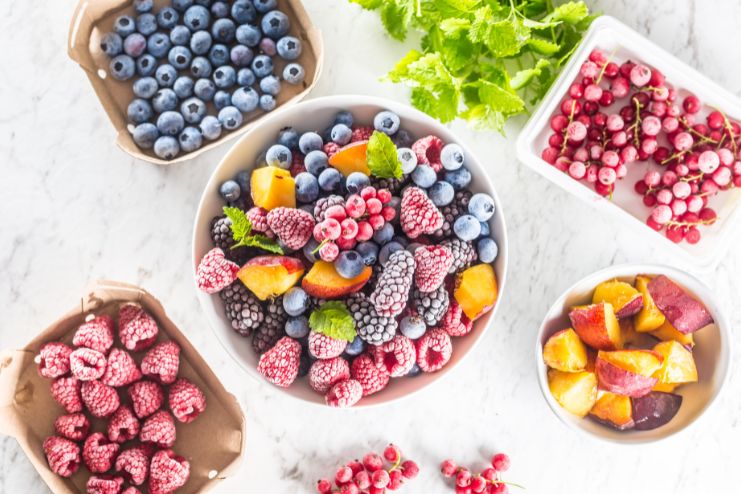
- Top with Fresh or Frozen Fruit: Berries, banana slices, apple chunks, or even mango can cut through the blandness and bring antioxidants, fiber, and flavor.
- Mix in Nuts or Seeds: Chopped walnuts, sliced almonds, pumpkin seeds, or chia add crunch and healthy fats that keep you fuller longer.
- Sprinkle on Cinnamon or Cocoa Powder: A pinch of cinnamon, unsweetened cocoa, or nutmeg adds depth without adding sugar. It’s a great hack for spicing things up.
- Drizzle Natural Sweeteners Sparingly: If you miss the sweetness of Frosted Mini-Wheats, try a touch of honey, maple syrup, or date syrup. You control the portion, so it’s still lighter on sugar than pre-sweetened cereal.
- Use as a Crunchy Topping: Crush plain shredded wheat and use it on top of yogurt bowls, smoothie bowls, or even baked apples for a high-fiber crunch.
- Pair with Protein-Rich Foods: Try it alongside a hard-boiled egg, scrambled tofu, or a protein shake to make your breakfast more balanced and keep mid-morning hunger at bay.
Want to take it even further? Turn shredded wheat into snack bites by mixing it with nut butter, seeds, and a little honey, then shaping into clusters. It’s a solid fiber-packed grab-and-go option.
Who Should Consider Eating Shredded Wheat?
Shredded wheat might look plain on the surface, but for many people, it’s a smart addition to the breakfast lineup. It’s not just what’s in it, whole grain wheat, fiber, plant-based protein, but also what’s not in it: no added sugar, no artificial preservatives, and no sketchy ingredients. If your health goals align with simplicity, here’s who may benefit most from making shredded wheat part of the routine:
1. Individuals with High Cholesterol
Thanks to its high soluble fiber content and whole grain profile, shredded wheat can support efforts to lower LDL cholesterol when paired with other heart-healthy foods.
Read More: Food Swaps to Manage High Cholesterol Without Sacrificing Taste
2. People Watching Their Blood Sugar
Because it contains no added sugar and has a relatively low glycemic index (compared to refined cereals), it’s a good option for people with prediabetes or Type 2 diabetes.
3. Dieters Seeking Satiety
High-fiber foods like shredded wheat delay stomach emptying, meaning you’ll likely feel full longer, especially important for those managing appetite and calorie intake.
4. Reducing Processed Foods
Original shredded wheat is as close to “whole food” as boxed cereals get. With just one ingredient, it appeals to people cutting out artificial flavors, preservatives, or processed carbs.
How It Fits into a Balanced Diet
Shredded wheat checks a lot of nutritional boxes on its own, but where it really shines is when you treat it as a starting point, not the whole story. Think of it less like a complete meal and more like a canvas you can build on.
1. Pair It with Protein and Healthy Fats
A bowl of shredded wheat with milk isn’t bad, but it’s not balanced either. To keep your energy steady and avoid mid-morning crashes, combine it with protein-rich sides like Greek yogurt, a handful of almonds, or boiled eggs. Even adding a spoonful of nut butter or some pumpkin seeds to your bowl can round out the meal and keep you fuller longer.
2. Rotate with Other Whole Grains
Just because shredded wheat is a smart choice doesn’t mean it should be your only one. Variety matters. Swapping it out now and then for other whole grains like oats, muesli, quinoa flakes, or amaranth can expose you to different textures, flavors, and nutrients, without overloading on wheat alone.
3. Works for Omnivore and Plant-Based Diets
Whether you eat everything or stick to plants, shredded wheat is a safe and adaptable base. Top it with berries and almond milk for a vegan breakfast, or add sliced bananas and cottage cheese for something more protein-dense. It bends to your eating style without any fuss.
4. A Great Base for Nutrient Additions
The beauty of shredded wheat’s simplicity is how well it carries other flavors. It won’t overpower anything you add, whether that’s a scoop of protein powder, a sprinkle of cinnamon, or a dash of cocoa nibs. Want to up the fiber? Toss in flax or chia seeds. Need more crunch? Go for walnuts or sunflower seeds. You’re in control, and there’s no wrong way to build your bowl.
Common Mistakes People Make with Shredded Wheat
Shredded wheat may be healthy on its own, but how you eat it matters just as much. Here’s where people often go wrong:
1. Adding Too Much Sugar or Sweeteners
Because shredded wheat is plain, many people load it up with sugar, honey, flavored yogurts, or sweetened milk. That cancels out the benefits of its zero-added-sugar profile. If you want sweetness, opt for whole fruit like banana slices or berries; these add fiber and nutrients, not just sugar.
2. Thinking It’s Automatically High in Protein
While it’s fiber-rich, shredded wheat is not a significant source of protein. A bowl on its own won’t keep most people full for long. That’s why pairing it with Greek yogurt, a handful of nuts, or a protein smoothie is key to turning it into a more complete meal.
3. Ignoring Portion Sizes
It’s easy to overdo it, especially when eating out of a box. While shredded wheat is healthy, oversized portions still mean extra carbs and calories. Stick to the serving size or measure it out if you’re tracking intake for weight loss or blood sugar control.
4. Assuming All Varieties Are Equal
Some shredded wheat products come with frosting, added flavors, or extra ingredients. Always check the label. The healthiest version typically lists only one ingredient: whole wheat.
Conclusion
So, is shredded wheat healthy? For most people, the answer is a confident yes.
Its one-ingredient simplicity, high fiber content, and lack of sugar or sodium make it a standout in the cereal aisle. It supports heart health, aids digestion, and keeps hunger at bay, especially when paired with nutritious additions.
That said, it’s not for everyone. Gluten-sensitive individuals or those who prefer sweeter breakfasts may need to look elsewhere or get creative with toppings.
At the end of the day, shredded wheat is a flexible, budget-friendly, and genuinely healthy breakfast choice when eaten as part of a balanced, varied diet. Whether you’re watching your weight, managing cholesterol, or just seeking a cleaner breakfast routine, it’s a cereal that lives up to its wholesome reputation.
References
- https://www.nestle-cereals.com/uk/brands/shredded-wheat/original
- https://www.mynetdiary.com/food/calories-in-2-shredded-wheat-125ml-semi-skimmed-milk-bowl-4111149-0.html
- https://www.weightlossresources.co.uk/calories-in-food/breakfast-cereals/nestle-shredded-wheat.htm
- https://www.fatsecret.com/calories-nutrition/usda/shredded-wheat-cereal-(sugar-and-salt-free-spoon-size)
- https://www.quora.com/What-are-some-benefits-of-shredded-wheat
- https://www.vively.co.uk/post/is-shredded-wheat-healthy
- https://www.mayoclinic.org/healthy-lifestyle/nutrition-and-healthy-eating/in-depth/whole-grains/art-20047826
- https://checkyourfood.com/ingredients/ingredient/979/shredded-wheat-unfortified
- https://www.healthline.com/nutrition/wheat-bran
- https://www.nestle-cereals.com/uk/brands/shredded-wheat
- https://www.journee-mondiale.com/en/day/shredded-wheat-day-july-31-2024
- https://www.nutritionletter.tufts.edu/healthy-eating/health-benefits-of-whole-grains-2
- https://www.medicalnewstoday.com/articles/325150
- https://www.weightlossresources.co.uk/healthy_eating/breakfast-prebiotic-effect.htm
- https://www.bhf.org.uk/informationsupport/heart-matters-magazine/nutrition/breakfast-cereals-ranked-best-to-worst
In this Article