











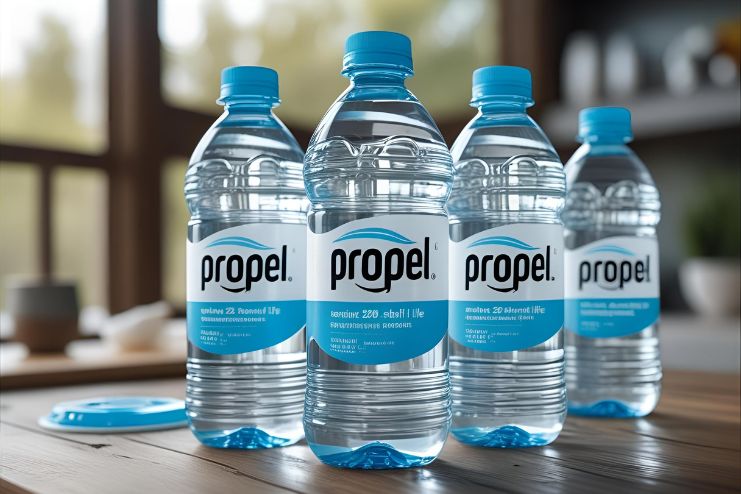
You’ve just returned from an intense workout, and instead of reaching for plain water, you grab a bottle of Propel—zero calories, zero sugar, but packed with electrolytes. It sounds like the smart choice. But is it?
Propel Water has built its reputation as an exercise-friendly hydration option. With promises of vitamins, electrolytes, and clean-tasting flavors without added sugars, it appears to offer the best of both worlds. However, beneath the marketing lies a blend of artificial sweeteners and preservatives that may not align with everyone’s health goals.
In this comprehensive analysis, we’ll examine whether Propel Water is a good choice for you by breaking down its ingredients, electrolyte content, caffeine levels, sweeteners, and how it compares to other hydration alternatives. If you’ve ever wondered whether Propel deserves a regular spot in your hydration routine, this guide will help you decide.
Read More: The Rise of Smart Hydration Trackers: Are They Worth It for Busy Professionals?
What Is Propel Water?

Introduced in 2002 by Gatorade (a PepsiCo brand), Propel Fitness Water expanded Gatorade’s lineup to include a zero-calorie, electrolyte-infused water alternative.
It’s marketed as a sugar-free, electrolyte-enhanced fitness water designed for active individuals, offering vitamins and antioxidants without added calories
Propel is available in flavors such as Berry, Kiwi-Strawberry, Lemon, Grape, Peach-Mango, and others, in both bottle and powder packet forms
Propel Water Ingredients: What’s Really Inside?
A standard bottle of Propel includes the following:
- Water
- Electrolytes: sodium chloride, sodium citrate, potassium citrate
- Sweeteners: sucralose and acesulfame potassium
- Preservatives: calcium disodium EDTA, potassium sorbate
- Vitamins: vitamin C, vitamin E, niacinamide (B3), pantothenic acid (B5), and pyridoxine hydrochloride (B6)
Other than the above, flavoring agents (natural flavors) and citric acid (as an acidulant and flavor enhancer) are also present.
Differences Between Bottled Propel And Powder Stick Packs:
Both types carry the same ingredients, although powder stick packs list slightly higher amounts when concentrated to compensate for water-diluted flavor. The basic vitamin and electrolyte content remains unchanged.
Artificial Sweeteners:
Propel relies on two FDA-approved artificial sweeteners:
- Sucralose: Approximately 600 times sweeter than sugar
- Acesulfame Potassium (Ace-K): Around 200 times sweeter than sugar
While these provide the sweet taste without calories, they may cause stomach issues for some users and have raised ongoing concerns about long-term effects on metabolism and gut health.
Preservatives and Additives:
Propel Water contains potassium sorbate and calcium disodium EDTA to preserve shelf life and inhibit microbial growth. Citric acid and sodium hexametaphosphate contribute to flavor and mineral stability but could lead to sensitivity in certain people.
Different Propel products may have slightly different ingredient lists. Verify the current preservative list, as formulations can change.
Does Propel have Electrolytes?
Yes – sodium, potassium, and occasionally magnesium. Propel Water has approximately 270 mg of sodium and 70–75 mg of potassium in a 20-oz bottle. These are the major electrolytes responsible for hydration, muscle function, and fluid balance.
Electrolytes replenish what is lost through sweat and exercise. Propel seeks to be a replenishing product for hydrating athletes and fit people.
In contrast to standard Gatorade, which includes sugar and carbs to support endurance activity, Propel offers electrolytes without added sugars or calories. It is functionally comparable to Gatorade Zero or Powerade Zero but less heavy in flavor and devoid of sugar.
Read More: Top 10 Popular Myths About Hydration Busted!!
Does Propel Contain Caffeine?
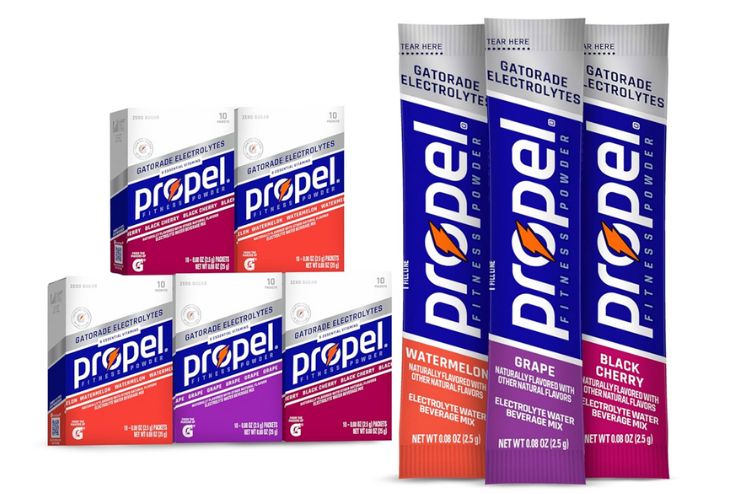
Standard Propel: No Caffeine
The classic Propel product line has no caffeine, making it a healthy choice for hydration without the stimulating effect.
Most of the newer Propel variants, such as Immune Support or Vitamin Boost, remain caffeine-free. However, it’s always best to double-check the label if caffeine sensitivity is a concern.
Propel water is a good choice for caffeine-sensitive people. For those avoiding stimulants due to sleep issues, anxiety, or medical conditions, Propel provides a clean hydration option without jittery side effects.
Does Propel Water Have Sugar?
Propel water has no added sugar, substitutes artificial sweeteners. Propel is sweetened with sucralose and acesulfame potassium, so it has zero grams of sugar and zero calories per serving.
The calorie count of propel water is 0 to very low. Most Propel products are zero-calorie, although some flavored versions or vitamin-enhanced ranges contain up to 5–10 calories per serving. Even these amounts, however, are insignificant compared to the usual soft drinks or sports drinks that contain added sugars.
Pros And Cons Of Artificial Sweeteners
Pros:
- Do not raise blood glucose levels
- Help reduce overall calorie intake
- Well-suited for diabetics and low-carb diets
Cons:
- May disrupt gut microbiota
- Can trigger cravings for sweet foods
- Potential metabolic effects of long-term use
Even though these sweeteners are FDA-approved, ongoing study indicates moderation is best.
Is Propel Water Good for You? Pros and Cons
Let’s understand if propelling water is a good choice.
Pros:
- Electrolyte Replenishment: Particularly beneficial after exercise or hot-weather exercise
- Zero Sugar: A better alternative to sugary sports drinks
- Added Vitamins: Includes several B vitamins and antioxidants like vitamin C and E
- Convenient and Flavorful: Encourages hydration among those who dislike plain water
Cons:
- Artificial Sweeteners: Long-term health effects remain controversial
- Unnecessary for Casual Drinkers: If you’re not active or sweating often, plain water is sufficient
- Not A Complete Source of Nutrition: Does not contain the synergistic advantages of actual fruits and minerals
In essence, Propel is effective for some individuals in particular circumstances, but not a universal health need.
Read More: Overhydration – Symptoms, Causes, Treatment And Prevention
Propel vs Other Electrolyte Drinks
Here’s how Propel water is different from other electrolyte drinks:
Propel vs Gatorade:
Gatorade has sugar, calories, and is designed to restore carbs and electrolytes for intense exercise or sports. Propel is calorie-free and only addresses hydration and electrolytes, so it is more appropriate for light to moderate activity or for general hydration purposes.
Propel vs Powerade:
Powerade Zero is closest to Propel. Both are calorie-free and artificially sweetened. Propel contains a lighter flavor and supplemental vitamins, whereas Powerade contains a stronger taste and frequently added magnesium.
Propel vs LMNT/Nuun:
LMNT and Nuun are usually thought of as cleaner electrolyte products. They’ll usually contain very small amounts of sweeteners (such as stevia) or no sweeteners at all, and no preservatives or artificial ingredients. They’re more appropriate for individuals who want a more natural way of hydrating.
Who Should Drink Propel Water?
Ideal Candidates:
- Active Individuals: Athletes and people with demanding physical routines who consistently engage in endurance sports, high-intensity training, or prolonged outdoor activities can benefit from Propel’s electrolyte replenishment.
- Heavy Sweaters: Individuals who sweat excessively or live in hot climates lose electrolytes more rapidly. Propel can support recovery and hydration, particularly during summer months or in tropical environments.
- Sugar-Conscious Consumers: For people with diabetes or those following low-carb/ketogenic diets, Propel provides hydration and electrolyte support without impacting blood sugar levels.
When to Avoid:
- Kidney Disorders: The electrolyte content may strain kidney function in individuals with renal impairment.
- Artificial Sweetener Sensitivity: Some people experience bloating, headaches, or digestive discomfort from artificial sweeteners.
- Children: Generally unnecessary unless medically recommended or for extremely active children; water and whole foods typically provide superior hydration and nutrition.
Healthier Propel vs Alternatives (If You Prefer Natural Options)
Here are a few healthier alternatives to Propel water that you can try:
- Coconut Water: A natural provider of potassium, magnesium, and trace amounts of sodium, frequently without added sweeteners
- Homemade Electrolyte Water: A combination of water, lemon juice, a dash of salt, and a spoonful of honey can be a clean, at-home alternative
- Electrolyte Tablets: Companies like Nuun or SaltStick provide low-sugar, additive-free choices that dissolve in water for a tailor-made electrolyte hit
Final Verdict: Should You Make Propel a Daily Drink?
Propel Water serves as an effective functional beverage for specific situations—post-workout hydration, hot weather recovery, or sugar-free electrolyte supplementation. However, it’s not intended to replace your primary hydration source.
Use Propel strategically when your body genuinely needs electrolyte replenishment. For general daily hydration, filtered water combined with a balanced diet remains the healthiest long-term approach. Always read labels carefully, particularly with flavored or enhanced Propel varieties that may contain additional additives.
FAQ Section

Is Propel healthier than water? Plain water remains the gold standard for hydration. Propel only provides advantages when you need additional electrolytes from sweating or exercise.
Can I drink Propel every day? While safe in moderation, daily consumption exposes you to more artificial sweeteners and preservatives than necessary. It’s best used occasionally rather than as your primary beverage.
Is Propel keto-friendly? Yes, Propel contains no sugar or carbohydrates, making it compatible with ketogenic diets.
Does Propel cause bloating or stomach upset? Some people experience bloating, gas, or mild discomfort, possibly due to artificial sweeteners or citric acid. If you’re sensitive, start with smaller amounts to assess tolerance.
References
- https://drinklmnt.com/pages/ingredients
- https://www.youtube.com/watch?v=Jx3XmBIBYpA
- https://www.sciencedirect.com/topics/food-science/sports-drink
- https://honehealth.com/edge/is-propel-water-good-for-you/
- https://www.pepsicoproductfacts.com/Home/Product?formula=93521*01*09-01&form=RTD&size=20#:~:text=More%20Information&text=Product%20formulation%2C%20packaging%20and%20promotions,ice%2C%20and%20fountain%20equipment%20performance
- https://www.pepsico.com/our-stories/press-release/propel-fitness-water-and-michael-b-jordan-launch-propel-your-city-project-to-sup07122023
- https://honehealth.com/edge/is-propel-water-good-for-you/
In this Article