










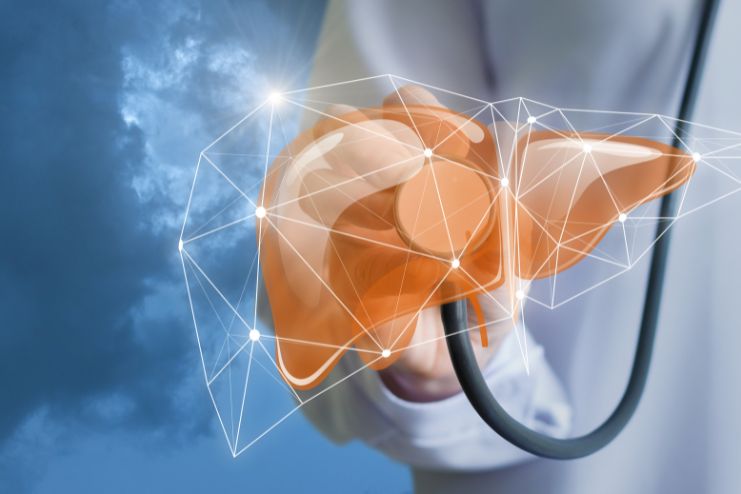
Non-Alcoholic Fatty Liver Disease (NAFLD) has quietly become the most common chronic liver condition in the world. It affects nearly one in four adults globally, yet most people have no idea they have it. Often dubbed a “silent” condition, NAFLD develops when excess fat builds up in the liver in people who drink little to no alcohol. In its early stages, it rarely causes symptoms, no pain, no warning signs, no immediate red flags.
But if left undiagnosed and unmanaged, it can silently progress to more serious issues like liver inflammation, scarring (fibrosis), cirrhosis, and even liver cancer. The growing prevalence of NAFLD is closely tied to the rise in lifestyle-related conditions such as obesity, type 2 diabetes, high blood pressure, and high cholesterol. It’s not just a liver problem; it’s a metabolic warning signal.
Here’s the good news: NAFLD doesn’t have to become a life-altering diagnosis. If caught early, the liver has an incredible ability to heal. Even in more advanced stages, the progression of the disease can often be slowed, or even halted, with the right lifestyle adjustments and medical interventions. Unlike many chronic diseases, there’s no need for costly procedures or a long list of medications to get started.
Some of the most effective treatments begin right in your kitchen and your daily routine. In this article, we’ll break down what NAFLD is, how it progresses, and what science says about reversing fatty liver naturally. We’ll also explore practical steps you can take, such as diet and exercise to manage sleep and stress, to support your liver and overall health.
What Is NAFLD?
Non-Alcoholic Fatty Liver Disease (NAFLD) is a condition where excess fat builds up in the liver cells without any significant alcohol consumption. It is strongly associated with metabolic health issues. People who are overweight, insulin resistant, or have high blood pressure are more likely to develop this condition.
NAFLD is not just one disease but a spectrum of liver conditions that vary in severity:
- Simple Steatosis (NAFL): This is the mildest and most common form. It involves fat buildup in the liver without inflammation or liver cell damage. Many people with this stage never progress to more serious liver problems.
- Non-Alcoholic Steatohepatitis (NASH): At this stage, the liver becomes inflamed, and liver cells begin to get damaged. NASH can gradually lead to more serious issues if not addressed.
- Fibrosis: Continued inflammation causes scar tissue to form in the liver. While the liver can still function relatively well at this point, the damage is becoming more serious.
- Cirrhosis: This is advanced liver scarring where the structure and function of the liver are permanently disrupted. Cirrhosis increases the risk of liver failure and liver cancer.
Knowing where you fall on this spectrum is extremely important. Early stages of NAFLD are often reversible. On the other hand, once the disease reaches cirrhosis, the damage is usually permanent.
The Importance of Early Detection
Early detection of NAFLD is key because most people do not experience noticeable symptoms until the disease has significantly progressed. Identifying the condition in its early stages can open the door to lifestyle changes and medical support that may prevent long-term damage.
According to the American Liver Foundation, early diagnosis of NAFLD, along with following medical advice, can reduce a person’s chance of the disease progressing to NASH and cirrhosis.
Furthermore, a study published in the National Center for Biotechnology Information emphasizes that early detection of NAFLD may be useful to identify those with potentially silent progressive fatty liver disease.
Recognizing Early Signs
While NAFLD often lacks symptoms in its early stages, some individuals may experience:
- Persistent Fatigue: Due to impaired liver function
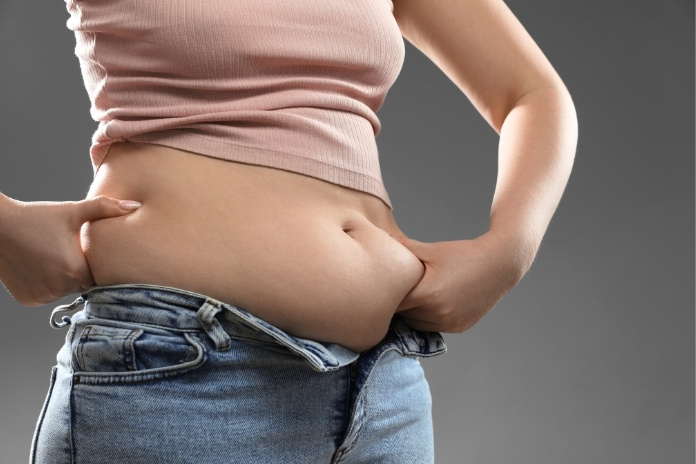
- Excess Abdominal Fat: A common physical indicator
- Darkened Skin Areas (Acanthosis Nigricans): Particularly around the neck or armpits
- Elevated Triglyceride Levels: Detected through blood tests
- Unexplained Weight Gain or Difficulty Losing Weight: Despite diet and exercise efforts
- Elevated Liver Enzymes (ALT and AST): Found during routine lab tests
Recognizing these signs and seeking medical attention can prevent serious liver damage.
Read More: Prolonged Exposure To Antioxidant Proteins Might Cause Fatty Liver Disease, New Study Suggests
Is NAFLD Reversible?
The answer is yes, NAFLD is often reversible, especially when it is detected early. In the initial stages, such as simple steatosis or mild non-alcoholic steatohepatitis (NASH), lifestyle changes can have a powerful impact. Making improvements in diet, increasing physical activity, and managing weight can help reduce liver fat and inflammation.
Here are some key points to understand about NAFLD reversibility:
- Early-stage NAFLD responds well to lifestyle interventions.Studies show that losing 7 to 10 percent of body weight can significantly reduce liver fat and inflammation.
- Addressing root causes is crucial.Factors such as poor diet, insulin resistance, and obesity must be managed to promote liver healing.
- Fibrosis may be partially reversible.Even if some scarring has developed, research suggests that fibrosis can improve over time with proper treatment and lifestyle changes.
- Cirrhosis limits reversal possibilities.Once NAFLD progresses to cirrhosis, extensive scarring impairs liver function, and reversal becomes unlikely. At this point, treatment focuses on managing complications and preserving existing liver function.
Dr. Arun Sanyal, an expert in liver diseases, highlights: “Preventing progression to cirrhosis is key. Early diagnosis and sustained management can keep patients from reaching irreversible stages.”
In conclusion, NAFLD is a condition that can often be reversed or improved if caught early and managed properly. The liver’s remarkable ability to regenerate means positive lifestyle changes and medical support can make a significant difference in outcomes.
What Science Shows About Reversing NAFLD

Research clearly shows that weight loss is the single most effective way to reverse Non-Alcoholic Fatty Liver Disease. Losing just 7 to 10 percent of your body weight can significantly reduce fat buildup in the liver, lower inflammation, and even reverse early liver scarring or fibrosis in some cases. This isn’t just theory; clinical trials have proven it.
Beyond shedding pounds, improvements in insulin sensitivity also play a crucial role. Since insulin resistance drives fat accumulation and inflammation, reversing it helps the liver recover. The gut microbiome is another important factor; restoring a healthy balance of gut bacteria reduces inflammation and oxidative stress, supporting liver healing.
Doctors track liver health by monitoring enzymes like ALT and AST in the blood. These enzymes tend to normalize as the liver repairs itself with lifestyle changes. Imaging tests like ultrasound and FibroScan can measure liver fat and stiffness, often showing noticeable improvements within months of starting treatment.
Here are the key takeaways from science on reversing NAFLD:
- Weight loss of 7–10% body weightreduces liver fat, inflammation, and early fibrosis.
- Improved insulin sensitivityhelps slow or reverse liver damage by reducing fat buildup.
- Balanced gut microbiotadecreases inflammation and oxidative stress, aiding liver recovery.
- Liver enzymes (ALT, AST)often return to normal levels as liver function improves.
- Imaging tools (Ultrasound, FibroScan)track liver fat and stiffness, showing measurable progress in months.
A notable study published in Hepatology confirmed that patients achieving 7% weight loss had significant histological improvements, and those with 10% weight loss showed even greater reversal of fibrosis.
In short, NAFLD can be reversed when lifestyle changes target weight, metabolism, and gut health. The liver’s ability to heal is impressive if given the right conditions.
Dietary Changes
Diet is at the heart of NAFLD reversal. Two dietary approaches have shown particular promise: the Mediterranean diet and low-carbohydrate diets.
The Mediterranean diet emphasizes whole foods, fruits, vegetables, legumes, whole grains, olive oil, fish, and nuts. It’s rich in antioxidants and healthy fats, which help reduce liver inflammation and improve insulin resistance.
Low-carb diets can also help reduce liver fat by promoting faster weight loss and better blood sugar control. However, it’s essential to choose high-quality fats and avoid highly processed foods.
What to eat more of:
- Leafy greens and non-starchy vegetables
- Fatty fish like salmon and sardines
- Nuts, seeds, and olive oil
- Whole grains like quinoa and brown rice
- Berries, citrus fruits, and avocados
What to cut back on:
- Added sugars and refined carbohydrates
- Sugary beverages like soda and juice
- Red meat and processed meats
- Trans fats and hydrogenated oils
- Excess sodium and fried foods
Even small dietary improvements can lower liver fat within weeks.
Read More: A Saviour’s Guide To Fatty Liver Diet – One Can Do to Overcome!!
Supplements and Emerging Therapies (Use Caution)
When it comes to managing NAFLD, supplements and experimental therapies often exist in a gray zone. While some show early promise, most require further validation through large-scale studies. Caution and medical guidance are crucial.
Vitamin E
This antioxidant has shown potential in reducing liver inflammation, particularly in non-diabetic individuals with NASH (non-alcoholic steatohepatitis). However, long-term use of high doses may increase the risk of prostate cancer or hemorrhagic stroke, so it should only be taken under medical supervision.
Omega-3 Fatty Acids
Found abundantly in fish oil, omega-3s can help lower triglyceride levels and modestly reduce liver fat. They’re generally safe and may benefit overall cardiovascular health, a key concern in NAFLD patients.
Coffee (Black)
Surprisingly, moderate consumption of black coffee (without sugar or cream) is associated with decreased liver fibrosis and inflammation. Its antioxidant compounds may offer protective effects, but moderation is key.
Important: Not all “natural” supplements are safe. Some herbal remedies can interact with medications or even worsen liver damage. Always consult your healthcare provider before starting any supplement.
Emerging Drug Therapies
While there’s no FDA-approved medication specifically for NAFLD yet, several pharmaceutical candidates are under clinical investigation, especially for advanced NASH:
- GLP-1 Receptor Agonists(e.g., Semaglutide): Originally for diabetes, these drugs show promise in reducing liver fat and body weight.
- FXR Agonists(e.g., Obeticholic Acid): Target bile acid metabolism to reduce inflammation and fibrosis.
- PPAR Agonists, THR-β Agonists, and others: Target different pathways involved in fat metabolism, inflammation, and fibrotic progression.
Note: These treatments are still under trial or limited use. They may be prescribed in specialized settings, mainly for patients with confirmed NASH and significant fibrosis.
When Reversal Isn’t Possible
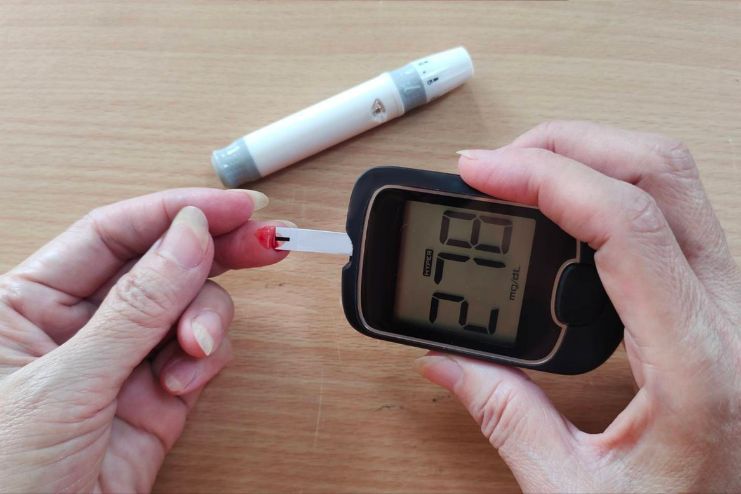
Sometimes, NAFLD progresses silently. By the time it’s detected, the liver may already show signs of advanced fibrosis or cirrhosis, changes that can’t be undone.
But irreversible doesn’t mean unmanageable.
Even at this stage, there is a lot you can do to slow the damage, prevent complications, and protect your quality of life.
What Changes and What Doesn’t
- Reversal may no longer be possible, but progression can still be stopped.
- Your focus shifts from healing the liver to preserving its function and avoiding further harm.
- The same lifestyle tools – nutrition, exercise, routine checkups are still powerful. They just have a different purpose now: protection.
Your Priorities Going Forward
1. Prevent Further Liver Damage
- Say a strict no to alcohol.
- Avoid unnecessary or risky medications, especially herbal or over-the-counter pills without doctor approval.
- Follow a liver-supportive diet and maintain a healthy weight.
2. Control What You Can
- Keep blood sugar, blood pressure, and cholesterol in check.
- These conditions directly impact how fast liver damage can worsen.
3. Stay Monitored, Stay Ahead
Routine monitoring can catch complications early:
- Imaging tests (ultrasound, elastography) to track liver structure.
- Blood tests for liver function, clotting ability, and early warning signs.
- Cancer screening (like AFP tests and ultrasounds) is especially important in cirrhosis cases.
If the Liver Fails: What’s Next?
In some cases, despite best efforts, liver function declines. If the damage reaches a critical point, liver transplantation becomes a possible path, not a guarantee, but a lifeline.
It’s a complex process, but for many, it’s the beginning of a second chance.
When to See a Doctor or Specialist

Don’t wait for symptoms. NAFLD is often silent until serious damage has occurred. If your liver enzymes (ALT or AST) are consistently elevated, or you have metabolic risk factors like obesity or type 2 diabetes, talk to your doctor.
Other warning signs may include:
- Fatigue or weakness
- Mild pain in the upper right abdomen
- Unexplained weight gain or loss
- Dark urine or pale stool
A hepatologist or gastroenterologist can order imaging tests and blood work to assess liver fat and scarring. In some cases, a liver biopsy may be needed to confirm NASH or fibrosis.
Conclusion
Non-alcoholic fatty liver disease may be silent, but its consequences can be loud, painful, and life-altering if ignored. The good news is that NAFLD isn’t a fixed fate; it’s a condition that responds incredibly well to lifestyle changes, early intervention, and consistent medical care. Whether you’re at the earliest stage or facing advanced fibrosis, there is always something you can do to regain control.
The most effective medicine right now is your own commitment to change, guided by the right information and support.
Remember, your liver does a lot for you, often without complaint. It’s time to listen, act, and respond before the silence turns into damage. Early awareness, timely checkups, and steady lifestyle shifts can not only protect your liver but also transform your entire life from the inside out. The best time to care for your liver was yesterday. The next best time is today.
References
- https://www.mayoclinic.org/diseases-conditions/nonalcoholic-fatty-liver-disease/symptoms-causeycs/s-20354567
- https://www.niddk.nih.gov/h-informaealthtion/liver-disease/nafld-nash/definition-facts
- https://www.nhs.uk/conditions/non-alcoholic-fatty-liver-disease/
- https://www.hopkinsmedicine.org/health/conditions-and-diseases/nonalcoholic-fatty-liver-disease
- https://www.uofmhealth.org/conditions-treatments/digestive-and-liver-health/fatty-liver-disease-non-alcoholic
- https://www.healthline.com/health/nonalcoholic-fatty-liver-disease-reversible
- https://pmc.ncbi.nml.nih.gov/articles/PMC9884828
- https://www.uchicagomedicine.org/forefront/gastrointestinal-articles/2022/december/how-one-woman-reversed-her-fatty-liver-disease-due-to-obesity
- https://pmc.ncbi.nlm.nih.gov/articles/PMC6380172/
- https://www.nccih.nih.gov/research/blog/approach-dietary-supplements-with-caution
- https://www.sciencedirect.com/science/article/pii/S1043661820312251
- https://theconversation.com/dietary-supplements-and-protein-powders-fall-under-a-wild-west-of-products-that-necessitate-caveats-and-caution-220536
In this Article