













Raising a child with food allergies means living in a continual mode of awareness of ingredients, cross-contact risks, hidden allergens, and being prepared for emergencies. Many parents adopt habits such as reading labels, managing school lunches, and preparing travel snacks to manage their child’s allergies. Ultimately, a time comes when you might wonder, ‘Is my child ready to self-manage their food allergies?’ If you are one of them, read on!
Developing child food allergy independence is not just a milestone; it’s a critical aspect of long-term safety. Pediatric allergists indicate that children who are gradually taught to manage their allergies avoid more accidental exposures and respond effectively during emergencies.
Self-management also builds confidence, reduces anxiety, and prepares them for real-life situations when adults may not be watching closely.
However, not all children mature into these skills at the same rate. Readiness is based on age, maturity, communication skills, emotional regulation, and the severity of their allergies. Some children are cautious and alert, whereas others might be impulsive or shy. This impacts their safety and ability to handle food situations.
A teen with years of experience may still take unnecessary risks, while a younger child with strong self-awareness may already exhibit early signs of food allergy readiness.
The following article breaks down in detail everything you need to know. We will discuss what self-management really means, the developmental abilities involved, and the necessary child allergy safety skills. Let us also learn about realistic age guidelines, school and social factors, red flags, and step-by-step ways parents can safely build these skills.
Read More: Foods That May Trigger Hives and What to Eat Instead
Understanding Readiness: What “Self-Management” Really Means
True readiness is more than a child being able to say, ‘I’m allergic to peanuts.’ To self-manage food allergies, a child must be able to carry out multiple safety tasks under pressure, even in unpredictable social situations.
Self-management includes:
- Knowing what their allergens clearly are, and the ability to communicate them to adults and peers.
- Avoiding unsafe foods, even when they look tempting or when peers offer them.
- Reading and interpreting food labels, understanding advisory warnings, and recognizing hidden forms of allergens.
- Understanding cross-contact, especially in shared spaces like bakeries, school cafeterias, potlucks, and parties.
- Recognizing early signs and symptoms of an allergic reaction, however mild they appear to be.
- Deciding to use epinephrine quickly, even if symptoms seem negligible.
- Knowing how to remain calm, seek assistance, and follow emergency steps.
- Self-advocating in particular, at schools and restaurants.
It is observed that most of the children follow some sort of shared-responsibility model wherein parents are always overseeing, but the child is practicing making decisions. Full independence comes with older teenagers, and even then, support systems remain necessary.
Developmental Signs Your Child May Be Ready
Let us look at the psychological, emotional, and practical food allergy readiness signs that your child is moving towards safely managing food allergies.
Knowledge about Their Allergies
Children ready for more independence should be able to:
- Name all allergens: ‘I’m allergic to peanuts and eggs’.
- Know where allergens commonly hide: in baked goods, sauces, snack bars, and ice cream.
- Recognize that allergens can be found in unexpected sources.
- Realize that even ‘just a bite’ or touching contaminated surfaces can cause a reaction.
Studies indicate that children who cannot consistently name their allergens are at significantly higher risk during social events or school activities. True independence starts with full awareness.
Ability to Identify Unsafe Situations
High levels of caution, without fear, are strong indicators of “developmental readiness.”
Children displaying good judgment can:
- Decline food politely when the ingredients are not clear.
- Avoid food prepared in shared spaces.
- Notice risk zones like buffets, bake sales, potlucks, or dessert counters.
- Know that touching food can also cause a reaction.
- Say ‘no thank you’ even when pressured.
Many accidental exposures result from underestimating cross-contact. Children need to be able to identify danger even before it reaches their plate.
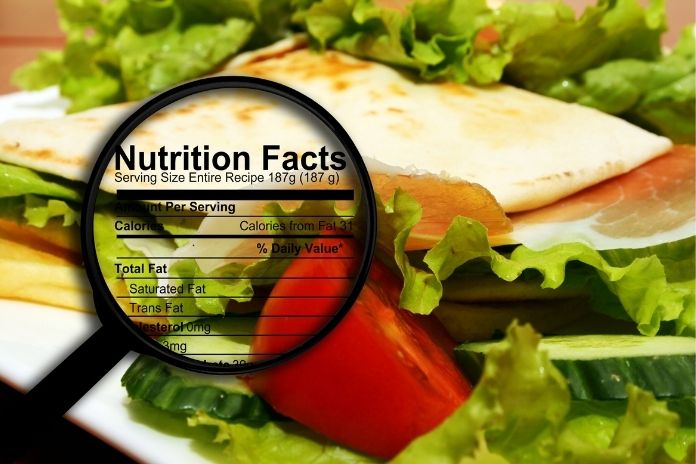
Reading & Understanding Food Labels
This means that reading labels requires patience, literacy, and some knowledge about ingredients.
A child ready for self-management can:
- Check allergen statements that have words such as ‘contains…’
- Interpret advisory labels, including ‘may contain’ and ‘shared facility’
- Know that labels change and must be rechecked
- Identify hidden ingredients, such as casein is a protein found in dairy, albumin found in egg whites, and marzipan contains almonds
The skill improves with practice, with reliability around the ages of 8-11 years. Although, some younger children show early signs of “developmental readiness”.
Identifying Early Signs of a Reaction
Identifying symptoms early allows for quicker intervention, which is key because delays in using epinephrine can increase the risk of allergic reactions.
Children should be able to identify:
- Hives, itching, or redness
- Abdominal distress
- Swelling of the lips or eyes
- Tightening of the throat
- Difficulty breathing
- “Feeling off” of dizziness
Children who wait too long for symptoms to resolve on their own may not be ready for independent management.
Communication Clarity
Stronger allergy communication skills can help navigate food environments.
Ready children can:
- Tell adults and peers about their allergies without embarrassment.
- Explain what they can or cannot eat.
- Ask questions before trying new foods.
- Inform someone immediately when symptoms begin.
One of the strongest predictors of safe self-management is communication.
Emotional Preparedness
Everything ties together with emotional maturity. Children show emotional readiness when they:
- Stay calm when judging new foods.
- Don’t panic during mild symptoms.
- Understand the severity of their allergy.
- Not taking risks just to fit in socially.
- Are willing to ask for help.
If your child tends to freeze, panic, or hide symptoms, they may need more guidance.
Read More: Allergic to Touch? Understanding Dermatographia (Skin Writing Hives)
Skills That Children Should Master Before Managing Allergies Alone
Using an Epinephrine Auto-Injector
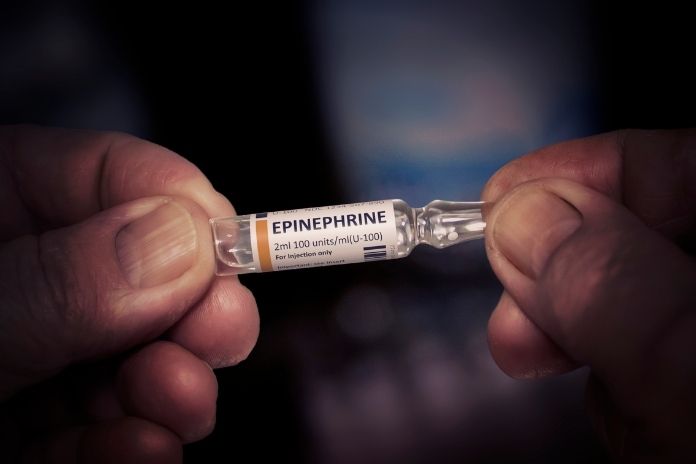
Children need to be comfortable with epinephrine. Epinephrine is considered the first-line treatment for anaphylaxis, and studies consistently demonstrate that delays increase risk.
Epinephrine training for children should include:
- Practicing with a trainer pen until the movements become automatic.
- Understanding epinephrine is safe and not scary.
- Recognizing when to use it. Look for symptoms such as breathing, swelling, or multiple body systems.
- Knowing they have to inform an adult right after its application.
- Calling emergency services.
- Staying still and remaining with an adult.
Competence in this skill is necessary for successful self-management.
2. Safe Eating Behaviors
Children should show signs of:
- No food sharing
- Washing hands before and after eating.
- Avoid sharing utensils and serving spoons.
- Choosing packaged foods over homemade.
- Knowing high-risk food categories: baked goods, desserts, sauces, and fried foods.
Safe habits can protect a child even when they’re distracted or excited.
3. Asking Questions Before Eating
A ready child will naturally ask:
- ‘What’s in this?’
- ‘Can I see the label?’
- ‘Was this prepared separately?’
- ‘Were nuts, dairy, or eggs used anywhere nearby?’
Children who are introverted or hesitant in speaking may have a hard time in actual situations, for example, in restaurants.
Emergency Response Steps
During an allergy emergency, a prepared child can:
- Use epinephrine immediately
- Inform an adult
- Call emergency services
- Stay with an adult
- Stay calm and wait for help
These steps have to be practiced repeatedly so they become instinctive.
Read More: Hives in Children: Causes, Symptoms, and Safe Treatments
Age Guidelines: What’s Realistic at Each Stage

These age groups reflect typical developmental readiness. Children, however, do vary widely.
Ages 4–7: Early Elementary
Children at this age can:
- Recognize dangerous foods with reminders.
- Say ‘no’ to foods offered without labels.
- Understand basic symptoms.
- Tell teachers about their allergy.
But they still need:
- Constant supervision
- Adult verification for each food
- Help in carrying epinephrine
This is the stage of repetition and foundation.
Ages 8–11: Middle Childhood
This is the age of “skill-building.” Children often can:
- Read labels with supervision
- Communicate clearly with teachers and peers.
- Carry epinephrine responsibly.
- Decline foods that are unsafe without being asked to do so.
- Help prepare allergy-safe meals at home.
Parents still provide oversight, especially in restaurants and during travel.
Ages 12+: Preteen & Teen
By now, most children can:
- Manage most aspects of their allergy
- Ask for elaborations at restaurants
- Read labels independently
- Handle school lunches and parties with confidence
However, teens also have the highest risk of severe reactions due to:
- Peer pressure
- Risk-taking
- Forgetting to carry epinephrine
- Ignoring symptoms to avoid embarrassment
Even if your teenager seems independent, supervision is still important.
Read More: How to Reduce Angioedema Swelling: Home Remedies and Medical Treatments That Help
School, Social Events & Real-Life Situations: Can They Handle It?
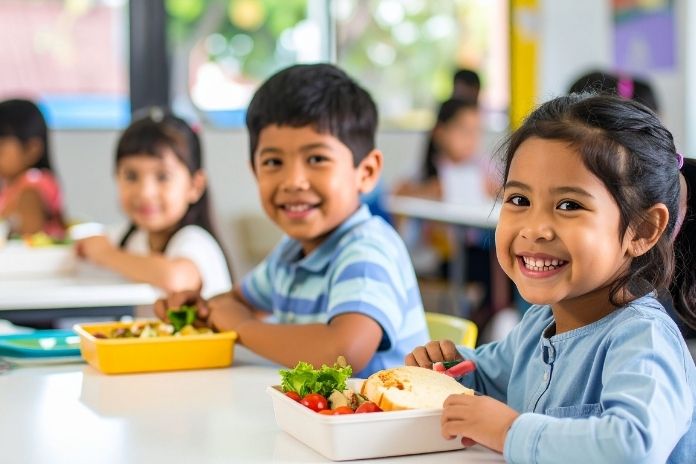
At School
A child ready for independence shows strong school allergy management skills:
- Bringing epinephrine daily
- Asking teachers about treats
- Managing lunch safely
- Informing the nurse immediately when symptoms appear
- Avoid sharing foods, and materials containing allergens
Teachers can encourage and support, but the child needs to communicate.
Playdates & Birthday Parties
Readiness to self-manage allergies in a child looks like:
- Declining unsafe foods politely
- Checking labels
- Explaining allergies to other parents
- Identifying high-risk foods, such as cupcakes, ice creams, and chocolates
- Bringing their own safe snacks
If your child hides their allergy or tries to ‘fit in’, they’re not ready.
Restaurants & Travel
Restaurant safety needs care and involves:
- Asking servers clearly
- Understanding risky cuisines
- Avoid foods that are fried using oil that is shared with other foods
- Declining desserts prepared in shared spaces
- Carrying safe snacks when unsure
If your child is hesitant or depends on you, they need more practice.
Red Flags of Your Child Not Being Ready Yet
There are a few red flags that might signal that your child is not ready to self-manage their allergies yet. Instances such as when the child:
- Feels embarrassed to talk about allergies
- Takes food risks
- Depends solely on adults
- Does not recognize early symptoms
- Assumes ‘one bite is okay’.
- Shuts down when stressed
- Doesn’t read labels carefully
Any of these behaviors means that independence for allergy management needs to be delayed.
How Parents Can Safely Build These Skills
Practice at Home
Try:
- Label-reading games
- Restaurant ordering practice:
- Practice with the epinephrine trainer every week
- Scenario drills. For instance, ‘what if your friend offers you a cookie, then what do you do?’
- Children improve dramatically with repetition.
Gradual Independence
Move slowly through stages. These stages include:
- Parent-led decisions
- Child participates with supervision
- The child makes low-risk choices
- Child copes with moderate settings
- Child handles restaurant or social situations
The goal is consistency, not the speed with which they learn.
Team Approach With Doctors & Schools
Approach allergies by teaming with doctors and the child’s school. You can follow these tips:
- Opt for annual allergy check-ups
- Keep an updated allergy action plan handy
- Have an open communication with teachers, coaches, relatives, and babysitters
- Practice emergency drills
- Do consistent training with epinephrine
A strong support system keeps your child safe while gaining independence.
Quick Summary
Readiness is based on maturity, communication, and symptom recognition. Essential skills include label reading, epinephrine use, and self-advocacy.
Children learn through practice and the ability to be independent with all activities. Teens may seem confident, but may still take risks. Red flags are a signal that more parental oversight is needed. With consistent guidance and real-life practice, every child is capable of developing the skills necessary for safe and confident self-management of food allergies.
References
- https://www.allergyuk.org/resources/supporting-independence-in-children/
- https://www.hopkinsmedicine.org/health/conditions-and-diseases/food-allergies-in-children
- https://kidshealth.org/en/parents/allergy.html
- https://www.kidshealth.org/SeattleCH/en/parents/allergy-emergency.html
- https://doi.org/10.1016/j.waojou.2019.100080
In this Article