












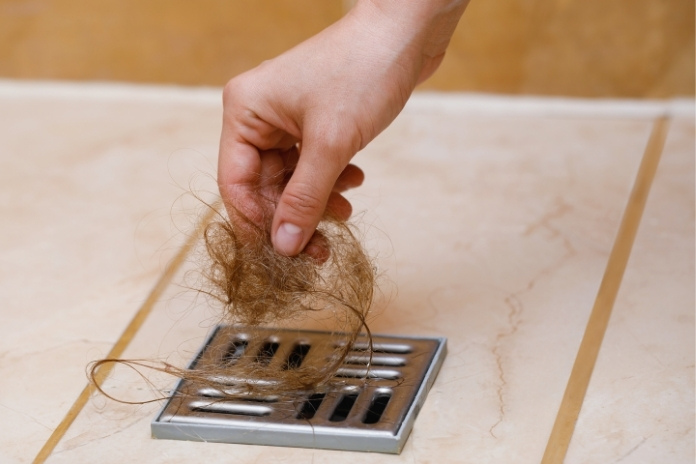
I once hated washing my hair. Not for the tangles or the time it took, but for what I’d see in the drain afterward: strands of hair, at times more than a few, bunched together. With every shampoo, I’d silently freak out, questioning, “Is this normal?”
It’s completely normal to have hair strands that stick to your fingers or notice a slight clump of hair in the shower drain after washing your locks. However, if you notice more strands than usual, we understand that it can be scary. So, how do you determine what’s normal and what isn’t when it comes to hair loss while showering?
In this article, we’ll understand what normal hairfall is, discuss why you may notice more hair in your shower drain, and explain to you how to identify signs that may signal an underlying issue. Whether it’s a normal phase of the hair growth cycle or a sign of something more serious that needs to be checked, knowing why you are losing hair during a shower matters.
Read More: Healthy Hair, Happy You: Top 8 Hair Growth Supplements for Stronger Locks
How Much Hair Loss Is Normal?
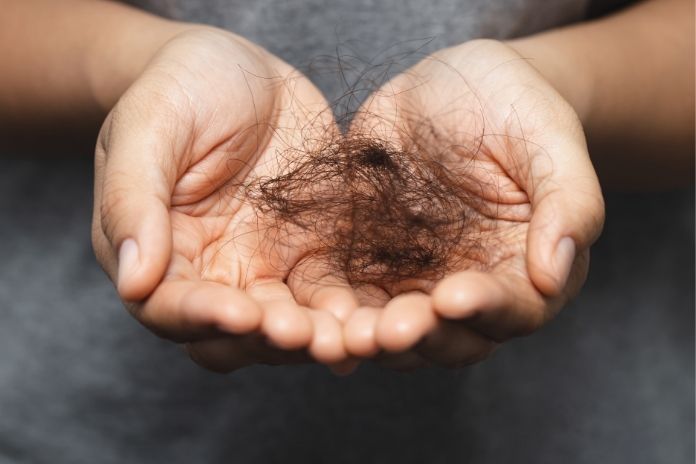
Most people lose, on average, 50 to 100 hairs each day. This is the normal cycle of hair growth, which consists of the growth (anagen), transition (catagen), and shedding (telogen) phases. Shedding hair through this process is normal.
- You may also experience more shedding in the shower because:
- Shampooing and conditioning release dead hair that was already prepped to be shed
- Scalp massaging and water rinsing cause mechanical friction, which can remove loose hairs.
- Washing and detangling, particularly for curly or long hair, loosens hairs that have been in your brush or on your scalp for days.
In short, the shower collects several days’ worth of shed hair if you brush little or wash your hair daily.
Read More: Signs of Hard Water Damage on Hair (And How to Fix It)
Why You Lose Hair in the Shower
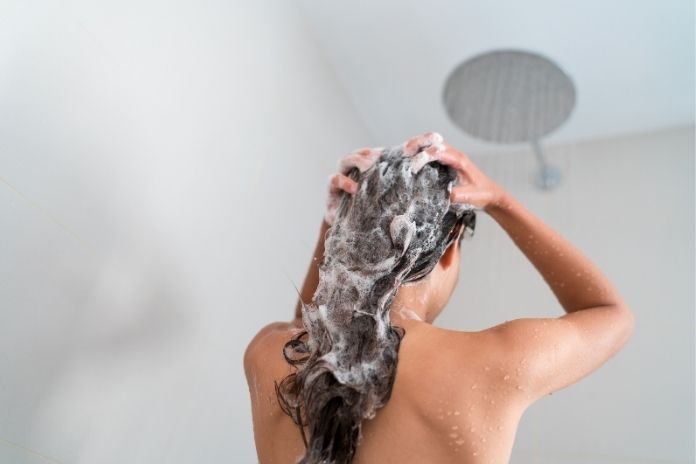
To see hair go down the drain is scary, but there are some typical reasons why:
- Telogen Phase: Hair in the telogen (resting) phase will fall out naturally. 10–15% of your hairs on your scalp are in this cycle at a time.
- Build-Up from Non-Brushed Hair: If you don’t brush your hair daily, particularly with long or curly hair textures, you won’t notice your normal shedding until it all washes out at once when you shampoo.
- Long Hair Appears to Be More Hair: Longer hair makes your hair fall look drastic. This makes you feel like you’re losing a lot more than you are. It’s an optical illusion; the amount could be typical, but the length creates an illusion of more volume.
Yes, then, shedding hair in the shower is normally okay, particularly if it’s not accompanied by other signs and symptoms such as thinning and scalp problems.
When to Worry: Signs of Excessive Hair Loss
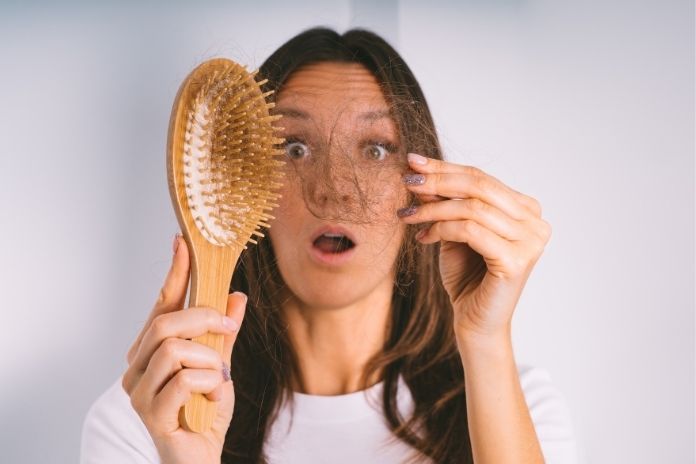
It is natural to be worried about the hairfall in the shower. But remember, regular hairfall is different from excessive hair loss in the shower. You will want to begin noticing if:
- You’re losing clumps of hair with each shower, not single strands.
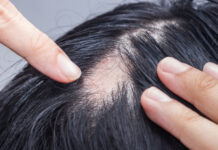
- You see noticeable thinning on your part line or crown region.
- Bald spots begin to develop suddenly.
- Your pillow, hairbrush, or shower drain routinely gets full of clumps of hair.
- You feel like your hair isn’t growing back over time or is growing finer than before.
If these signs sound familiar, your hair loss may be more than just regular shedding. It could point to a medical, hormonal, or nutritional issue that requires intervention.
Common Causes of Excess Hair Loss
Let’s break down the most common hair fall reasons when loss becomes excessive:
Stress and Illness (Telogen Effluvium):

Stress, both physical and emotional, can interfere with the normal cycle of hair growth. This can shed more hair than normal into the telogen phase, resulting in shedding that can be seen in the shower. Frequent culprits include:
- Serious illness or infection
- Surgery or trauma
- Extreme emotional stress (e.g., death of a loved one, job-related stress)
- Post-COVID hair loss
This is known as telogen effluvium, and it usually begins 2–3 months following the stressor.
Hormonal Changes:
Hormones have a huge influence on hair health. Abrupt hormonal changes can put hair into the resting phase. These include:
- Thyroid disorders (hyperthyroidism or hypothyroidism)
- PCOS (Polycystic Ovary Syndrome)
- Menopause
- Postpartum, as most women have “postpartum shedding” 3–4 months post-delivery.
Nutritional Deficiencies:

Your hair grows with the help of protein, vitamins, and minerals. Without these vital nutrients, your locks may weaken or fall out prematurely.
- Low iron (particularly in women with heavy periods)
- Vitamin D deficiency
- Protein restriction or crash dieting
- Zinc deficiency
Thinning of the hair due to nutrient deficiencies usually develops slowly but is eventually noticeable.
Scalp Conditions:
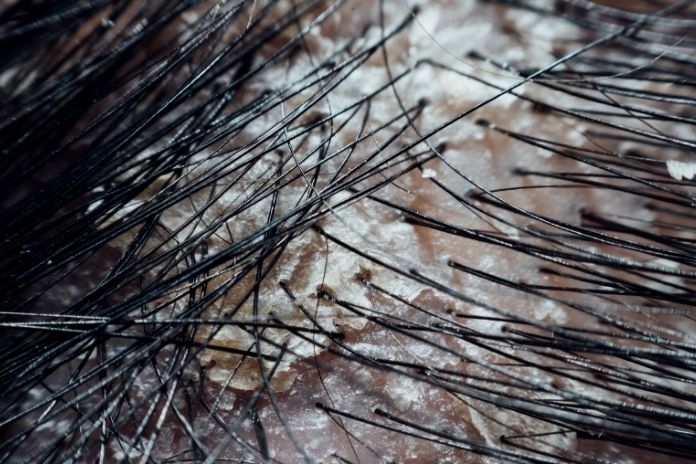
If your scalp is not healthy, your hair will not be healthy either. Conditions such as:
- Dandruff or seborrheic dermatitis
- Psoriasis
- Fungal infections (such as ringworm)
These can lead to inflammation and itching, which damages the follicles and causes hair loss. Usually, conditions such as psoriasis or fungal infections need treatment from a dermatologist.
Read More: Top 7 Psoriasis Shampoos: Gentle Hair Care Products for Scalp Relief
Product Overuse or Harsh Ingredients:

We all use products on our hair. However, overuse often leads to trouble. Excessive use of sulfates, alcohol products, or regular heat styling dries and damages the hair shaft, causing breakage. Breakage isn’t actually shedding at the root, but it’s similar to hair loss and can cause your hair to appear thinner over time.
How to Minimize Hair Loss When Showering

If you find more hair than normal going down the shower drain, there are simple things that you can do to reduce it. Daily routines play a bigger role than you realise. This is how to cut hair fall when washing:
- Use a mild, sulfate-free shampoo. This is because harsh sulfate shampoos remove natural oils from your scalp, leaving hair dry and more susceptible to breaking. Sulfate-free shampoos preserve the moisture barrier of the scalp and minimize irritation, particularly in sensitive or dry scalps.
- Detangle hair before getting into the shower. Wet hair is weaker and more susceptible to snapping. Brushing your hair lightly prior to washing loosens loose hairs ahead of time and averts extensive tangling that might result in excessive breakage during shampoo.
- Use lukewarm water, not hot. Hot water may irritate the scalp, dehydrate hair shafts, and over-open cuticles, making your hair more susceptible. Lukewarm water cleanses the scalp without weakening your hair.
- Avoid aggressive scrubbing as rubbing too vigorously can push out healthy hair that’s not yet ready to fall. Use your fingertips with gentle circular movements instead. This circulates blood without damaging it.
- Condition from mid-length to end. A conditioner is not a luxury. The conditioner smooths hair cuticles, removes friction, and prevents breakage during rinsing. On longer hair, comb gently through with your fingers to tease out tangles while wet and conditioned.
- Limit hair washing frequency if possible. Washing your hair daily may strip natural oils, especially for those with dry or curly hair types. Try to wash 2–3 times per week if your scalp allows.
- Use microfiber towels or air dry. Traditional towels can be rough on wet hair. Instead, use a microfiber towel to blot gently or let your hair air dry whenever possible to reduce post-shower damage.
According to Dr. Nithin Reddy, a USA-based dermatologist, “Hair loss can be triggered by a variety of factors. Identifying the type and underlying cause of hair loss is essential for determining the most effective treatment. If you are experiencing hair loss, make an appointment with a board-certified dermatologist to accurately diagnose and address your specific needs.”
When to Consult a Dermatologist or Trichologist

Now and then, shedding hair in the shower indicates more than normal shedding. If you are not sure if it’s “normal,” then it is time to see a professional.
Here is when to go for expert advice:
- Hair loss continues for over 3 months. Temporary hair loss (such as due to stress or illness) usually corrects within 2–3 months. Continuous loss can suggest chronic conditions such as androgenic alopecia or telogen effluvium.
- You see scalp redness, inflammation. Redness, flaking, bumps, burning, or itchiness are all symptoms of underlying scalp conditions (such as seborrheic dermatitis or psoriasis) that can lead to hair loss.
- Visible thinning, expanding parts, or bald patches appear. These are patterns of hair loss or autoimmune diseases, such as alopecia areata. Treatment at an early stage can halt or even reverse the condition.
- There’s a family history of baldness or thinning. Genetic predispositions play a significant role in hair loss. If there is early thinning in the family, meeting a trichologist beforehand might save your hair for a longer time.
- You feel anxious, embarrassed, or emotionally distressed. Hair loss may profoundly influence self-esteem and mental health. If it involves your confidence, professional advice, both psychological and dermatological, is in order.
- Scalp health can be assessed by dermatologists and medication (e.g., minoxidil or finasteride) is prescribed, whereas trichologists may advise on hair restoration via treatments such as microneedling, LED therapy, and nutritional supplements.
Final Thoughts
It’s normal to find a few strands of hair in your hands or on your shower wall. It’s a good sign that your hair growth cycle is normal. But if the shedding is more than normal, such as handfuls of hair, clumps down the drain, or continuous thinning, it’s time to take notice.
Look for changes in volume, texture, and frequency of loss. Monitor your scalp health as inflammation can be a warning sign. Assess lifestyle changes such as stress, nutrition, and sleep. And, most importantly, don’t delay getting help, as treating earlier makes a big difference.
Understanding what’s normal and what’s not can enable you to take prompt, effective action. Loss of hair is normal, but it is not always permanent or unavoidable. With proper care, many of these can be reversed or well-treated. And, remember, any excessive hair loss must be treated by a certified dermatologist, to understand and get to the root cause (quite literally)!
In this Article