








A startlingly high percentage of women report experiencing unexpected sadness, irritation, or emotional lows in the first half of their cycle, particularly right before ovulation, even though most women identify mood swings with the days before their period.
Hormone fluctuations happen naturally during your cycle, but they can also alter other hormones like dopamine and serotonin (both of which contribute to depression). A lot of women say they feel “moody” when they ovulate.
Women reported glommy symptoms during the early and late follicular phase (before ovulation) than in the mid-luteal phase (the time after ovulation).
What’s happening, then? Is this a typical pre-ovulation feeling, or is your body indicating something more serious? The hormonal changes that occur during the follicular phase, the reasons why they may cause mood swings for certain women, and the times when you should think about consulting a healthcare professional are all covered in this article.
Read More: Effective Ovulation Tracking: Top Tools and Methods for Conception
Understanding the Menstrual Cycle: The Follicular Phase Explained
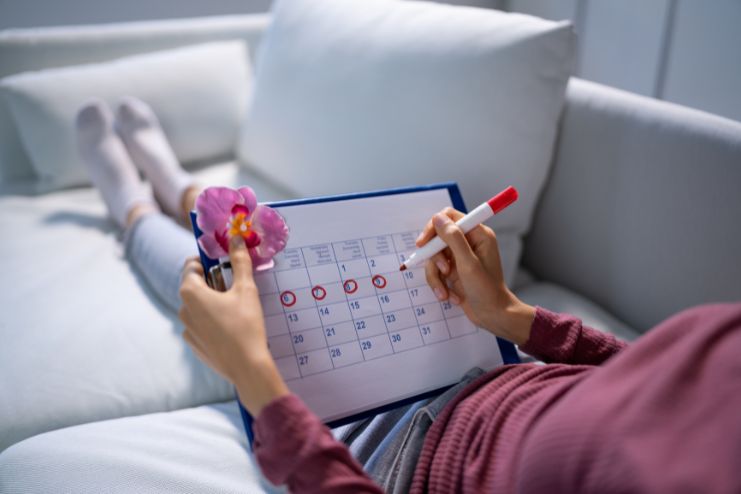
Ovarian follicles mature throughout the follicular phase of the female menstrual cycle, getting ready to be released during ovulation. The endometrium undergoes numerous changes during the follicular phase, which is why it is referred to as the proliferative phase.
A normal menstrual cycle typically lasts 28 days; however, it can range from 21 to 35 days. Doctors refer to infrequent periods with menstrual cycles longer than 35 days as oligomenorrhea and frequent periods with cycles shorter than 21 days as polymenorrhea.
Notably, while the luteal phase is typically consistent and lasts 14 days, the duration of the follicular phase can fluctuate based on the overall length of the cycle. The follicular phase of a 28-day cycle begins on day 0 of the menstrual cycle and ends on day 14 when ovulation begins.
Early Stage:
Progesterone and estrogen levels are low at the start of your period. Follicle-stimulating hormone (FSH) and luteinizing hormone (LSH) are produced in the pituitary gland, which is part of the brain.
FSH stimulates egg development in the follicles. Subsequently, these follicles produce estradiol, a derivative of estrogen. During this period, other hormones, including inhibin A and inhibin B, are also produced.
The Middle Stage:
Many follicles will develop to the antral stage, where the follicle next to the egg has a fluid-filled cavity. Estradiol synthesis rises due to the granulosa cells surrounding the follicles proliferating. Both FSH and LH levels decrease because this rise in estrogen negatively impacts the pituitary gland.
Late Phase:
A dominant follicle appears, which continues to produce more inhibin A and estrogen.
The ovaries produce growth factors in response to FSH, which increases the number of LH receptors in the ovary. The follicle produces these growth factors in anticipation of ovulation, or the release of the egg, and the possible implantation of a fertilized embryo.
Read More: Why Your Periods Might Stop: Understanding Amenorrhea
Why You Might Feel Depressed Before Ovulation
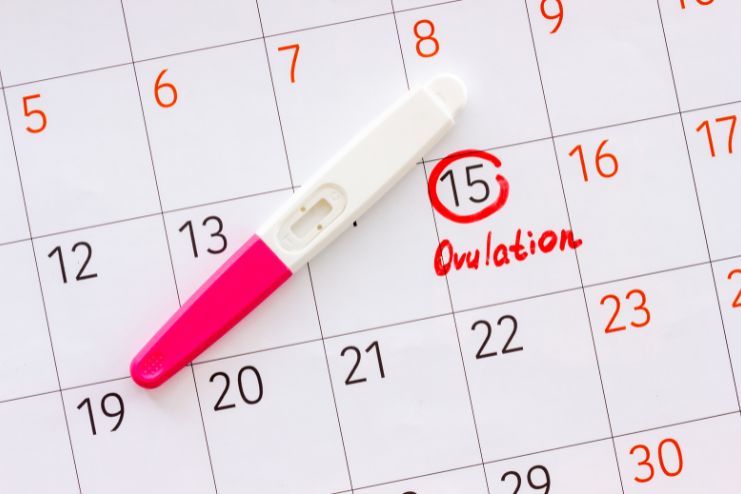
1. Estrogen Sensitivity
The reproductive system, bones, skin, and brain are just a few bodily systems impacted by the sex hormone estrogen. A woman’s ovaries start releasing estrogen in tandem throughout each regular menstrual cycle when she reaches adolescence.
Ovulation, or the release of an egg, is caused by a spike in the estrogen level in the midst of the cycle.
And then they drop as fast. Estrogen levels fluctuate steadily throughout the remainder of the month.
Estrogen plays a crucial role in mood regulation. It has an impact on every part of the body, including the parts of the brain responsible for controlling our emotions. Estrogen boosts the brain’s serotonin receptor count and the mood-altering neurotransmitter serotonin.
2. Low Progesterone
One hormone that is crucial to your reproductive system is progesterone. Chemical messengers called hormones instruct your body on how to function. Progesterone prepares the uterus for pregnancy and aids in menstruation.
In addition to affecting your general health, decreased progesterone levels can cause irregular menstruation and make it more difficult to maintain a pregnancy.
The two primary sexual hormones in the human body, progesterone and estrogen, work in tandem.
For optimum health, you must maintain the proper proportions of the two. Estrogen takes over when progesterone levels are low, which can result in a variety of issues.
Your progesterone levels fall when fertilization is unsuccessful, which causes an imbalance in your sexual hormones. You can feel more agitated, nervous, and prone to mood fluctuations during this time. This imbalance may be familiar to you as PMS or premenstrual syndrome.
Read More: Understanding Hormonal Imbalance and Its Impact on Fertility
3. Pre-ovulatory Inflammation
Inflammation typically occurs in the ovarian follicle during the ovulation process, known as pre-ovulatory inflammation. It is an essential, controlled process that promotes oocyte maturation, follicle growth, and ovulation. However, these processes can be adversely affected, and infertility can be exacerbated by dysregulated or excessive inflammation.
This process may bring on systemic symptoms like exhaustion, brain fog, depression, or irritability for some women, especially those who tend to develop inflammatory diseases or histamine sensitivity.
Temporary emotional or mental anguish can result from inflammatory cytokines’ ability to penetrate the blood-brain barrier and affect mood-regulating neurotransmitters.
4. Underlying Mental Health Triggers
Ovulation might be accompanied by physical signs such as breast tenderness, bloating, and Mittelschmerz (ovulation pain). Some people may experience health-related worry due to these symptoms, particularly if the physical discomfort is more pronounced than usual.
Hormonal changes throughout the menstrual cycle can increase emotional sensitivity in people with mood disorders, anxiety, or depression.
Individuals who are more sensitive to changes in their bodies could experience more anxiety in response to these feelings. Hormonal changes and physical discomfort can exacerbate health concerns, creating a vicious cycle of worry.
5. Cycle-Related PMDD Variant
Premenstrual dysphoric disorder (PMDD) is the more severe form of the premenstrual syndrome (PMS). Every menstrual cycle produces both mental and physical symptoms in a week or two leading up to menstruation.
Hormonal changes have a huge impact on mood disorders, including depression. Premenstrual dysphoric disorder (PMDD) likely affects approximately 5% of women between the ages of 12 and 52 and is considered a more severe illness. Although anyone can be affected by PMDD, those who suffer from anxiety and mood disorders are far more likely to experience it.
Although medical professionals do not regard PMS as a mental health condition, they do recognize PMDD as one and use the DSM-5 to diagnose it. A key component of controlling PMDD is embracing a holistic way of living. A healthy diet, regular exercise, and sufficient sleep can improve overall health and reduce some of the symptoms of PMDD.
Read More: Holistic Menstrual Health: Comprehensive Strategies for Easing Menstrual Discomfort
When It’s Not Normal
The ovary releases an egg during ovulation, typically in the middle of your cycle. An abrupt increase in luteinizing hormone (LH) and estrogen levels triggers ovulation. Even if having a child is not your goal, this is the time in your cycle when the body is ready to produce one.
When estrogen returns to its pre-ovulation peak, some people may experience a brief decline in mood. However, this is usually only temporary, as it rises again a few days after ovulation.
Researchers believe hormonal changes influence premenstrual symptoms, and most studies on cycles and mood focus on the period and the days leading up to it.
Healthcare professionals advise seeing a doctor if severe, cyclical mood swings interfere with daily functioning, especially during the luteal phase—the time leading up to ovulation. Premenstrual dysphoric disorder (PMDD) and other hormonal imbalances that impact mental health may be the cause of these mood swings.
What You Can Do to Feel Better
Ovulation is the central event of your menstrual cycle, signaling not only fertility but also hormonal well-being. Without ovulation, conception or even menstruation would not occur, making it a key marker of reproductive health. While some people feel energized and uplifted during ovulation due to the surge in estrogen—a hormone associated with improved mood and vitality—it’s not always a blissful experience.
Some studies link greater estrogen levels to a good mood. Dr. Jenna Beckham, an OB-GYN and expert in complex family planning at WakeMed Health and Hospitals and Planned Parenthood South Atlantic in North Carolina, USA, explains that “increased energy and a more upbeat mood” are the most common feelings experienced before ovulation.
At this time, your estrogen levels can peak, and this increase boosts serotonin, the body’s “happy hormone.”
For others, ovulation may feel emotionally overwhelming, leading to mood swings, irritability, or even a sense of detachment. These emotional shifts highlight the importance of hormonal balance, which can be supported through a balanced diet and a healthy lifestyle.
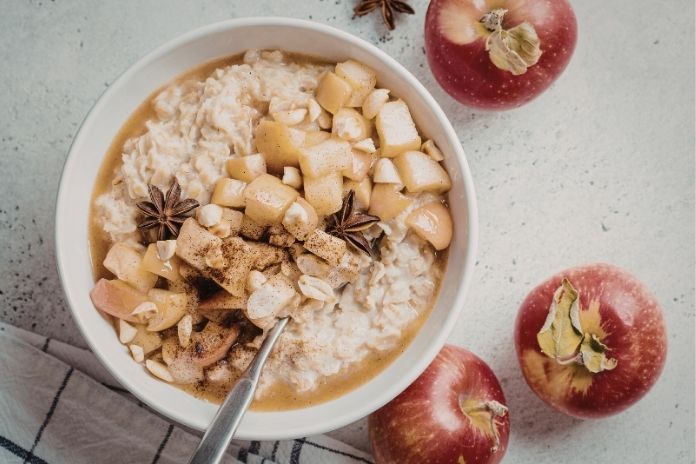
Nourishing your body with the right foods can help create a stable environment for ovulation. Healthy fats play a major role in hormone production and reducing inflammation. Including foods like avocados, olive oil, nuts, and seeds can provide essential fatty acids necessary for hormone balance. Similarly, lean proteins such as chicken breast, eggs, tofu, and fish support ovulation by providing amino acids crucial for tissue repair and hormonal health.
For those following a plant-based diet, options such as quinoa, lentils, chickpeas, and edamame provide nutrient-dense support for reproductive function. Cruciferous vegetables—such as broccoli, Brussels sprouts, cauliflower, and cabbage—are rich in fiber, antioxidants, and minerals like calcium and folate that are beneficial for ovulation and overall reproductive health.
Alongside proper nutrition, maintaining a supportive lifestyle is vital. The hormonal shifts and increased metabolic activity that occur during ovulation can place extra stress on the body. Incorporating antioxidant-rich foods, such as berries, citrus fruits, leafy greens, carrots, and red peppers, can help counteract oxidative stress and support egg quality.
Equally important are rest, hydration, and light physical activity, such as yoga or walking, which help manage stress without overwhelming the body. If emotional fluctuations during ovulation become intense, journaling or seeking guidance from a therapist can offer clarity and emotional stability. These mindful adjustments, both nutritional and lifestyle-based, collectively nurture a balanced and healthy ovulatory cycle.
Read More: What Does Your Menstrual Cycle Say About Your Health? 12 Interesting Facts!
Conclusion
Pre-ovulation depression is not “just in your head.” Even during the follicular period, known as the “feel-good” phase, hormonal changes, particularly the dramatic increase in estrogen, can substantially impact your mood. Your body may be telling you that you need more emotional support or better hormonal balance if you’re feeling depressed, anxious, or irritable just before ovulation.
The secret is to pay attention to your body, monitor your symptoms, and make lifestyle decisions that support natural hormone regulation. Emotional tools like journaling or therapy, stress reduction, moderate exercise, and nutritional support can all significantly impact your well-being. Many women experience similar emotional swings and benefit from being more aware of their cycles.
References
- https://www.yourcounselling.ca/depression-near-ovulation/
- https://www.ncbi.nlm.nih.gov/books/NBK542229/
- https://my.clevelandclinic.org/health/body/23953-follicular-phase
- https://flo.health/menstrual-cycle/health/follicular-phase
- https://elara.care/hormones/follicular-phase/
- https://progyny.com/education/fertility-101/follicular-phase/
- https://www.webmd.com/women/estrogen-and-womens-emotions
- https://my.clevelandclinic.org/health/diseases/9132-premenstrual-dysphoric-disorder-pmdd
- https://adorefertility.com/ovulation-fatigue-described/
- https://naturalwomanhood.org/low-progesterone-is-a-big-problem-pms-pmdd-infertility-miscarriage-postpartum-depression-2020/
- https://my.clevelandclinic.org/health/diseases/24613-low-progesterone
- https://ovarianresearch.biomedcentral.com/articles/10.1186/s13048-025-01606-5
- https://flo.health/menstrual-cycle/health/ovulation/emotional-during-ovulation
- https://averylanewomensrehab.com/your-hormonal-cycle-and-how-it-interacts-with-your-mental-health/
- https://bellehealth.co/anxiety-during-ovulation/
- https://www.everydayhealth.com/womens-health/how-your-menstrual-cycle-affects-your-behavior.aspx
- https://helloclue.com/articles/emotions/mood-changes-and-the-menstrual-cycle
- https://drbrighten.com/how-hormones-affect-mood-throughout-menstrual-cycle/
- https://www.wakemed.org/provider/jenna-beckham-md-msph-facog-ob-gyn
In this Article