











Hormone Replacement Therapy (HRT) is a treatment commonly prescribed to alleviate symptoms of menopause by replacing the hormones that the body no longer produces naturally. Primarily, HRT involves the administration of estrogen alone or in combination with progesterone, and in some cases, testosterone.
For decades, HRT has provided relief for millions of women dealing with the often-debilitating effects of menopause, including hot flashes, night sweats, vaginal dryness, and mood swings. However, the story of HRT has been anything but linear. In the 1990s and early 2000s, studies, particularly the Women’s Health Initiative (WHI), raised alarms about potential links between HRT and health risks such as breast cancer, stroke, and cardiovascular disease.
This sparked widespread fear and confusion, leading to a significant decline in HRT usage. In the years since, newer studies and reviews have provided a more nuanced understanding of HRT’s risks and benefits, prompting experts to revisit previous conclusions.
Today, the question of HRT’s safety isn’t just medical — it’s deeply personal. Women navigating menopause are faced with a complex web of information, risk assessments, and lifestyle factors. This article unpacks the current science and expert recommendations around HRT to help you make informed decisions about your health.
What Is Hormone Replacement Therapy (HRT)?
Hormone Replacement Therapy (HRT) is a medical treatment used to alleviate the symptoms of menopause by replenishing hormones that naturally decline during this stage of life, primarily estrogen and progesterone, and occasionally testosterone. These hormones play vital roles in regulating numerous bodily functions, including reproductive health, mood stability, bone strength, sleep quality, and cardiovascular wellness.
When hormone levels drop, many women experience disruptive symptoms that can interfere with daily functioning. HRT aims to restore hormonal balance, easing these symptoms and supporting long-term health.
Types of Hormones Used in HRT
- Estrogen: The core component in most HRT regimens. It helps reduce hot flashes, supports vaginal health, and protects against bone loss.
- Progesterone or Progestin: Often prescribed alongside estrogen for women with an intact uterus. It helps counter the risk of endometrial cancer caused by unopposed estrogen.
- Testosterone: Less commonly used, but may be added to improve libido, energy, and mood in women who do not respond fully to estrogen alone.
Forms of Hormone Replacement Therapy
HRT can be delivered in several formats, allowing personalization based on preference, symptoms, and medical history:
- Oral Tablets– Common and convenient, but may carry a slightly higher risk of blood clots.
- Skin Patches– Transdermal options that release hormones steadily and may be safer for women with certain cardiovascular risks.
- Topical Creams and Gels– Applied directly to the skin, offering targeted absorption with fewer systemic effects.
- Vaginal Rings or Tablets– Primarily used for local relief of vaginal dryness, irritation, or discomfort.
- Injections or Hormone Pellets– Long-acting methods that deliver steady hormone levels over time.
Common Uses of HRT
HRT is prescribed for a range of menopause-related symptoms and preventative health benefits, including:
- Relief from hot flashes and night sweats.
- Treatment of vaginal dryness, itching, and painful intercourse.
- Prevention of osteoporosis and bone fractures.
- Improved mood, sleep quality, and cognitive clarity.
In essence, Hormone Replacement Therapy is not just about symptom relief—it’s about restoring a sense of balance, energy, and well-being during a transformative phase of a woman’s life. As with any medical treatment, HRT should be carefully tailored to your needs through consultation with a qualified healthcare provider.
How HRT Works in the Body

Estrogen and progesterone are more than reproductive hormones—they influence multiple systems throughout the body. As these hormone levels decline during menopause, many women experience a cascade of physical and emotional changes that can significantly affect their quality of life.
Hormone Replacement Therapy (HRT) helps to restore hormonal balance, easing these transitions and supporting the body’s natural functions.
What Happens During Menopause
Menopause marks the end of a woman’s reproductive years, typically occurring between the ages of 45 and 55. During this phase, the ovaries slow their production of estrogen and progesterone, leading to a hormonal imbalance that disrupts key regulatory systems, particularly those related to temperature regulation, mood, bone turnover, and tissue integrity.
How HRT Provides Relief
By reintroducing estrogen and, when necessary, progesterone, HRT helps to stabilize fluctuating hormone levels and alleviate common symptoms of menopause.
Symptom-Specific Benefits of HRT
- Hot Flashes and Night Sweats: Estrogen directly influences the hypothalamus, the brain’s thermostat. Replenishing estrogen helps recalibrate this temperature control center, reducing the intensity and frequency of vasomotor symptoms.
- Vaginal Dryness and Discomfort: Declining estrogen causes thinning and dryness in vaginal tissues, leading to pain during intercourse and increased risk of infection. Hormonal treatments restore moisture, elasticity, and blood flow, improving comfort and sexual health
- Sleep Disturbances: Hormonal fluctuations can disrupt REM cycles and lead to nighttime awakenings. Stabilized estrogen levels help promote more restful, uninterrupted sleep.
- Mood Swings and Irritability: Estrogen has a known effect on neurotransmitters such as serotonin and dopamine. By supporting hormone balance, HRT may ease symptoms of anxiety, depression, and emotional reactivity.
Broader Physiological Benefits of HRT
Beyond symptom relief, HRT supports long-term health by influencing key body systems:
- Bone Health: Estrogen plays a critical role in maintaining bone density. Its decline accelerates bone loss, increasing the risk of osteoporosis and fractures. HRT helps preserve bone mass and reduce the risk of fractures, especially in the spine and hips.
- Urinary Tract Function: Hormonal changes can weaken pelvic floor tissues, leading to urinary urgency, frequency, or infections. Estrogen therapy may strengthen the urogenital tract and improve bladder control.
- Skin and Tissue Elasticity: Estrogen contributes to collagen production and skin hydration. Some women report firmer, more resilient skin with HRT.
- Cardiovascular Support: Emerging research suggests that starting HRT early—ideally within 10 years of menopause onset—may offer heart-protective effects by improving cholesterol levels, reducing arterial stiffness, and supporting blood vessel health.
HRT: Benefits for Women Going Through Menopause

Hormone Replacement Therapy can provide profound relief for women experiencing severe menopausal symptoms. For many, it improves functionality, mood, and overall quality of life.
Top Benefits of HRT:
- Symptom Relief: Significant reduction in hot flashes, night sweats, vaginal dryness, and mood swings.
- Bone Health: Estrogen preserves bone mass, reducing the risk of fractures.
- Cardiovascular Protection: For women under 60 or within 10 years of menopause onset, HRT may offer heart health benefits.
- Improved Sleep and Mood: Hormonal balance can result in more stable emotions and better rest.
- Cognitive Function: Some studies suggest HRT may protect against cognitive decline when started early.
These benefits, however, must be weighed against individual risk factors, which we’ll explore in the next section.
HRT: Potential Risks and Side Effects

While HRT offers relief for many, it isn’t risk-free. Understanding the potential side effects and long-term risks is critical to making an informed choice.
Cancer Risk
- Breast Cancer: The WHI study indicated a slight increase in breast cancer risk with combined estrogen-progestin therapy. Risk increases with duration of use.
- Ovarian Cancer: Some studies have shown a potential small increase in risk, especially with estrogen-only therapy.
- Uterine Cancer: Estrogen-only therapy increases risk unless paired with progesterone in women with a uterus.
Cardiovascular Health
- Heart Disease:HRT started more than 10 years after menopause may increase cardiovascular risks. However, when initiated earlier, it may be cardioprotective.
- Stroke and Blood Clots:There is a small elevated risk, particularly with oral forms of HRT.
Other Potential Risks
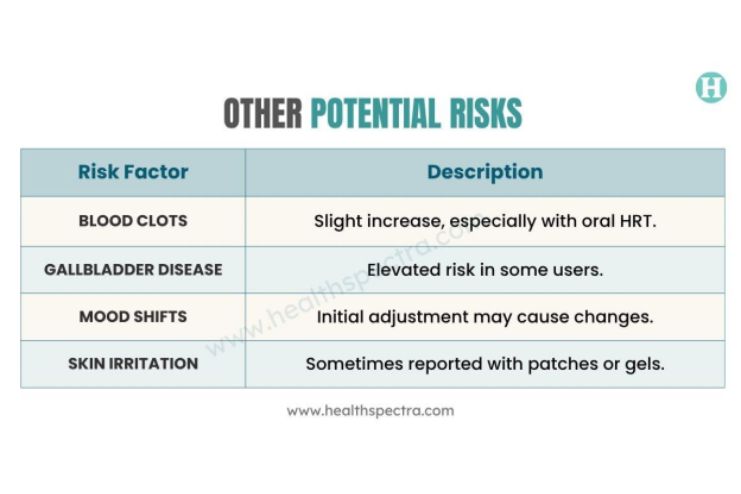 Key Considerations:
- Personal and family history of cancer
- Smoking status
- Weight and overall cardiovascular health
Who Should Consider HRT?
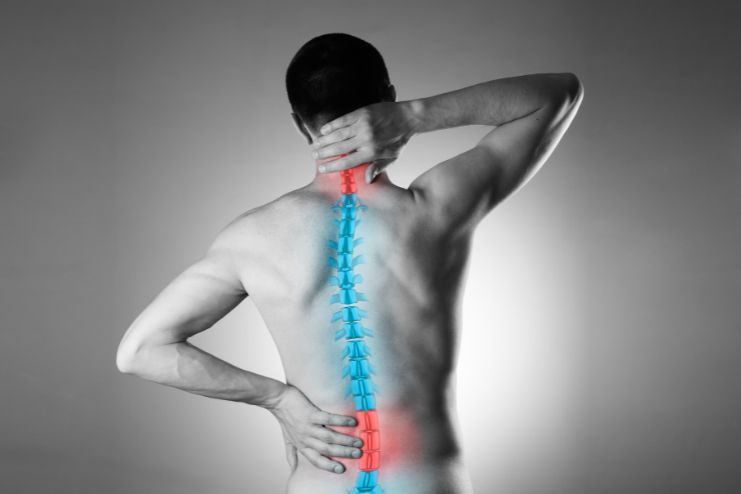
Not every woman is a candidate for hormone therapy. Decisions should be made based on individual health profiles and symptom severity.
Ideal candidates:
- Women in their 40s or 50s, or within 10 years of menopause onset.
- Those with moderate to severe menopause symptoms impacting quality of life.
- Women with no history of breast cancer, heart disease, or clotting disorders.
Women who may benefit the most:
- Experiencing early or surgical menopause.
- Dealing with significant sleep disturbances or mood changes.
- At risk of osteoporosis and related fractures.
Always consult a healthcare provider for personalized risk-benefit evaluation.
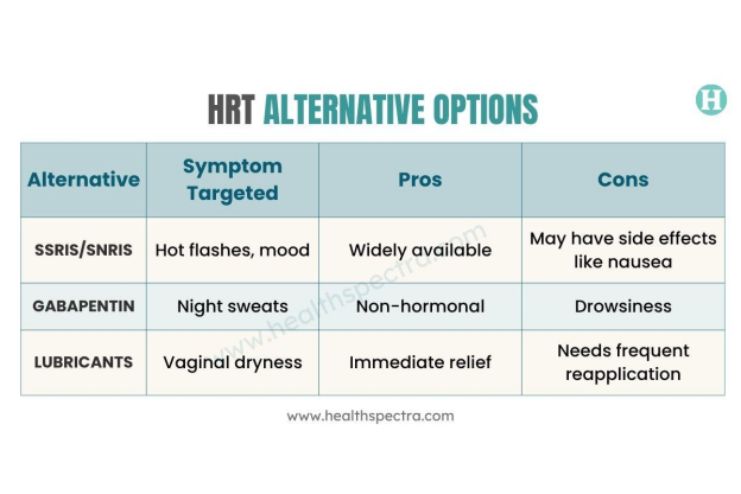
HRT Alternatives: What Are the Options?

For women who cannot or choose not to use HRT, several alternatives exist.
Non-hormonal medications:
- SSRIs and SNRIs (e.g., paroxetine, venlafaxine): Effective for hot flashes and mood swings.
- Gabapentin and clonidine: May reduce hot flashes and improve sleep.
Lifestyle adjustments:
- Regular exercise
- Balanced diet rich in phytoestrogens (e.g., flaxseed, soy)
- Meditation, yoga, and breathing techniques
Natural and complementary therapies:
- Acupuncture
- Black cohosh or evening primrose oil (limited evidence, but used by some)
Vaginal symptom management:
- Non-hormonal lubricants and moisturizers
- Localized vaginal estrogen (considered low-risk and effective)
 How to Minimize the Risks of HRT
While HRT comes with potential risks, there are ways to reduce them through smart usage and close monitoring.
Best practices for safe HRT use:
- Use the lowest effective dose for the shortest duration necessary to relieve symptoms.
- Choose transdermal forms (patches, gels) over oral tablets to reduce the risk of blood clots.
- Get regular health screenings:
- Mammograms
- Blood pressure and cholesterol checks
- Bone density scans
Partner with your healthcare provider:
- Tailor the type, dose, and duration of HRT to your profile.
- Schedule annual reviews to reassess need and monitor side effects.
The Debate: Is HRT Safe for Long-Term Use?
The long-term safety of HRT remains a subject of debate, primarily due to mixed findings from various studies.
Arguments in favor of long-term HRT:
- May continue to prevent bone loss.
- Improves the quality of life for women with persistent symptoms.
- Potential cognitive benefits when started early.
Arguments against long-term HRT:
- Increased cancer and cardiovascular risk with prolonged use.
- More caution is required for women over 60 or with comorbidities.
Expert consensus:
- Short-term use (5 years or fewer) is generally considered safe for healthy women.
- For long-term use, the decision should be individualized and closely monitored.
Current Guidelines and Recommendations for HRT Use

Major health organizations have updated their recommendations to reflect a more balanced view of HRT.
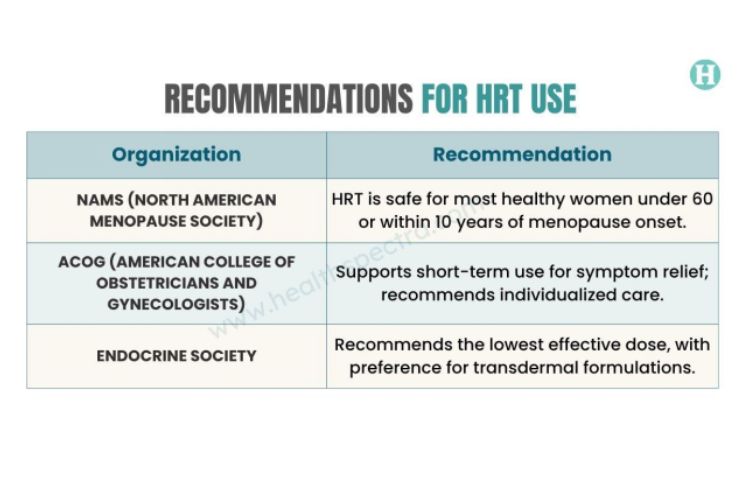 Key points:
- Timing matters — earlier initiation generally lowers risk.
- Routine checkups are essential to monitor safety.
- Not intended for disease prevention in all women — symptom management is the primary goal.
What to Discuss With Your Doctor Before Starting HRT
Before beginning HRT, it’s crucial to have an in-depth conversation with your healthcare provider.
Important topics to cover:
- Severity and type of menopause symptoms.
- Personal and family medical history.
- Preferred form of HRT (oral, patch, etc.).
- Plans for follow-up and symptom monitoring.
Questions to ask:
- Are there non-hormonal options that could work for me?
- What are the potential side effects, and how will we monitor them?
- How often should I revisit this treatment plan?
A shared decision-making approach helps ensure that your treatment aligns with your health goals and risk profile.
Conclusion: Is HRT Safe for You?
Hormone Replacement Therapy can be a powerful tool for managing menopause symptoms and improving quality of life, but it’s not a one-size-fits-all solution. The safety of HRT depends on a range of factors, including your age, time since menopause began, personal health history, and the specific formulation used.
For many women, especially those under 60 and within a decade of menopause onset, the benefits of HRT outweigh the risks. These may include symptom relief, stronger bones, and improved emotional well-being. However, it’s essential to weigh these advantages against the potential for serious side effects, including cancer and cardiovascular complications.
Ultimately, the decision to use HRT should be made with guidance from a knowledgeable healthcare provider who can tailor the approach to your unique needs. With the right oversight, HRT can be used safely and effectively, helping you transition through menopause with comfort and confidence.
References
- https://en.wikipedia.org/wiki/Hormone_replacement_therapy
- https://my.clevelandclinic.org/health/treatments/15245-hormone-therapy-for-menopause-symptoms
- https://www.nhsinform.scot/tests-and-treatments/medicines-and-medical-aids/types-of-medicine/hormone-replacement-therapy-hrt/
- https://www.ncbi.nlm.nih.gov/books/NBK493191/
- https://www.nhs.uk/medicines/hormone-replacement-therapy-hrt/types-of-hormone-replacement-therapy-hrt/
- https://www.healthdirect.gov.au/hormone-replacement-therapy
- https://www.nhs.uk/medicines/hormone-replacement-therapy-hrt/benefits-and-risks-of-hormone-replacement-therapy-hrt/
- https://my.clevelandclinic.org/health/treatments/15245-hormone-therapy-for-menopause-symptoms
- https://pubmed.ncbi.nlm.nih.gov/10408735/
- https://hillman.upmc.com/cancer-care/medical-oncology/hormone-therapy/side-effects
- https://www.imsociety.org/2021/05/26/how-to-reduce-possible-risks-of-hrt/
- https://www.ncbi.nlm.nih.gov/books/NBK493191/
In this Article