













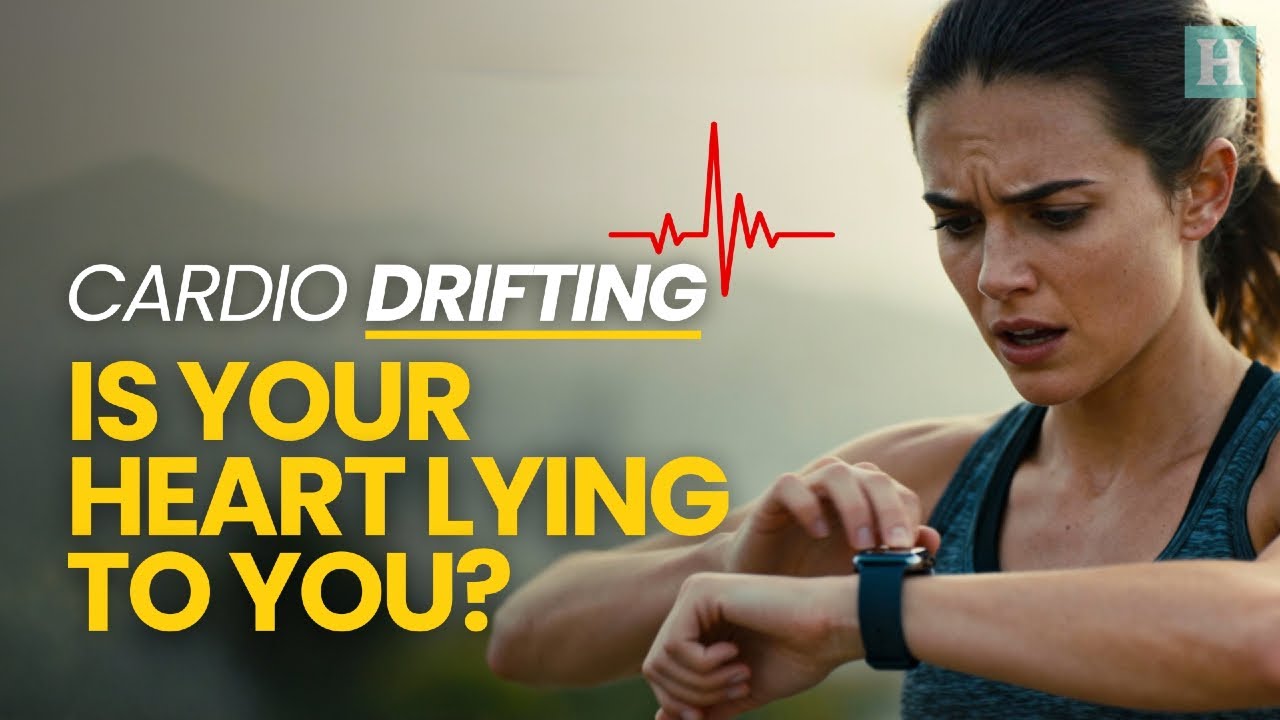
Ever felt your heart rate increase during a lengthy, sustained bout of exercise, despite maintaining a constant speed? That’s no glitch on your fitness. This phenomenon is known as cardio drifting—or more precisely, cardiovascular drift—a subtle yet significant physiological change that can affect performance, fat-burning efforts, and your ability to sustain exercise.
Whether you’re performing steady-state cardio, marathon training, or working out in your fat-burning zone, you can benefit by knowing heart rate drift and training smarter, rather than harder.
Read More: How to Use Heart Rate Zones to Optimize Your Workouts
What Is Cardio Drifting?

Cardio drifting is the gradual build-up of your heart rate during sustained exercise, without any rise in workload. In the majority of instances, it begins after roughly 10–15 minutes of steady, moderate-intensity exercise, particularly in hot or moderately warm conditions.
Significant Signs of Cardio Drifting:
- Heart rate increases without adjustment in pace or resistance.
- You sense that you are exerting yourself more, even if the effort remains consistent.
- There’s a gradual shortness of breath.
- Higher sweating rate, an indicator of more internal heat.
All of these happen due to changes in blood distribution and internal body temperature regulation during extended workouts.
Read More: Monitoring Heart Health at Home: 7 Essential Devices You Need
Reasons Behind Cardio Drifting

Here are a few major reasons behind cardio drifting:
Physiological Triggers:
- Dehydration: Even slight fluid loss decreases blood volume, causing your heart to beat more rapidly to maintain cardiac output.
- Body Temperature Increase: In hot temperatures, increased blood flow to the skin for cooling reduces venous return to the heart.
- Glycogen Exhaustion: As your energy reserves dwindle, your body makes up for it with an increased heart rate.
- Electrolyte Imbalance: Minerals lost in sweat can disrupt muscle function, including the heart.
This shift happens primarily in aerobic exercises such as running, cycling, or rowing, but can affect aerobic and anaerobic performance equally by inducing unnecessary fatigue.
Why Cardio Drifting Can Reduce Workout Efficiency
If you’re depending on heart rate zones to guide your training (especially Zones 2 and 3), cardio drift can quietly impact your efforts.
How It Impacts Your Efficiency:
- Increased Perceived Exertion: You’ll feel more fatigued at the same intensity.
- Reduced Fat Oxidation: As your body switches from aerobic to anaerobic pathways, fat-burning becomes less efficient.
- Performance Plateaus: Endurance athletes may hit a wall sooner than expected.
- Deceptive Fitness Tracking: You might believe you’re working harder when your body is simply compensating for internal stress.
When not accounted for, cardio drift can kick you out of your desired training zone, making your “easy run” feel like a tempo session.
Read More: Fitness Challenges to Push Your Limits and Transform Your Body
How to Prevent or Reduce Cardio Drifting

The bad news? You can’t eliminate cardio drift, but the good news is that you can reduce its impact with intelligent strategies that maintain your cardiovascular system at steady levels during prolonged workouts.
Cardio Drifting Prevention Strategies
Hydration Techniques:
- Hydrate well with water and electrolytes before extended sessions.
- Include electrolyte beverages during exercise lasting longer than 45–60 minutes.
- Strive for little, periodic sips rather than big gulps.
Temperature Management:
- Exercise during cooler parts of the day (mornings or evenings).
- Dress in light, moisture-wicking attire.
- Use cold towels or fans indoors if necessary.
Training Modifications:
- Replace steady-state cardio with interval training to re-establish cardiovascular load.
- Insert rest or active recovery breaks within lengthy endurance sessions.
Heart Rate Monitoring:
- Use fitness trackers to monitor live heart rate drift.
- Remain calm and don’t freak out at an increasing heart rate. Change the intensity to make it better.
Balanced Nutrition:
- Carb up 60–90 minutes before an intense strength session.
- Opt for intra-workout nutrition for sessions lasting over 90 minutes.
These methods help stabilize your stroke volume, maintain cardiac output, and reduce perceived effort, allowing you to stay longer in your fat-burning zone or maximize endurance gains.
If you wish to track your heart rate and overall fitness, check out this Smart Watch, Fitness Tracker with Heart Rate Monitor.
When Cardio Drifting Isn’t a Bad Thing

Surprisingly, cardio drifting isn’t always your enemy.
When It’s Beneficial:
- Adaptation for Endurance Training: A subtle, controlled drift can help your cardiovascular system acclimatize to extended stress, improving aerobic efficiency with time.
- Real-World Race Simulations: Cardio drift ensures that your body is conditioned for competition situations, where hydration and heat have genuine effects.
- Understanding Body Signals: Knowing how your heart rate varies under varying conditions enhances intuitive pacing and self-preservation.
In trained athletes, a small amount of heart rate drift is expected and can be used as a performance metric (like in heart rate drift tests explained by Uphill Athlete).
Read More: Cycling vs. Running: Which One Burns More Calories?
Final Verdict: Should You Worry About Cardio Drifting?

Cardio drifting is not a fluke of your physiology—it’s your body speaking when it’s stressed. The heart rate can increase 10–20 beats per minute with sustained exercise, even when maintaining the same effort and pace. If neglected, this drift can interfere with fat-burning effectiveness and misalign your training zones. But if interpreted, it can be a valuable training ally.
By pairing it with good hydration, cooling measures, and a sense of pace, you not only avoid performance loss but also optimize results. Over time, learning to manage cardio drift sharpens endurance, improves cardiovascular adaptation, and helps you train with surgical precision.
The bottom line? Don’t dread the drift. Master it—and make every workout smarter and more goal-oriented.
In this Article