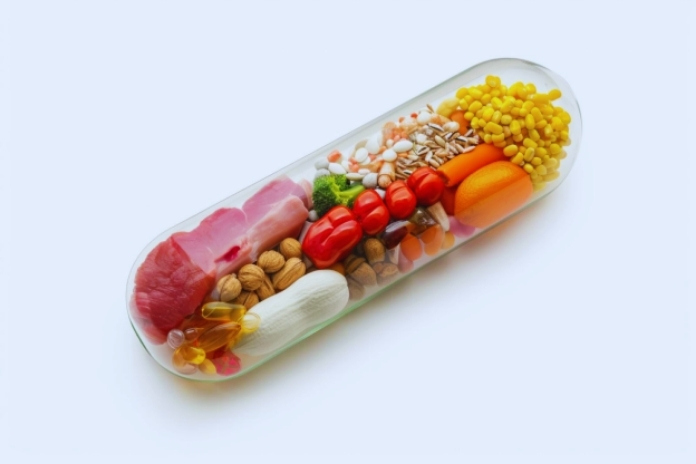














Burrata cheese is an Italian treat that is winning hearts and plates all over the world. It has a delicate outer shell and a creamy, luscious core. Its rich texture and mild flavor make it a favorite with everyone, whether it’s on gourmet salads or charcuterie boards.
But as it gets more popular, a lot of people are starting to wonder if burrata is healthy for you. Burrata is definitely a treat, but it also has some surprising health benefits. It has calcium, protein, and vitamin B12, which are good for your bones and your health in general, much like many other types of cheese.
Burrata, on the other hand, has more fat and calories than fresh mozzarella since it has a creamy inside. So, is it a good decision for your health or just a guilty pleasure? We’ll talk about its nutritional worth, health advantages, and how it stacks up against other cheeses in this post. This will help you decide how it fits into your diet.
Read More: How Cottage Cheese is a Nutritional Powerhouse?
What Is Burrata Cheese?
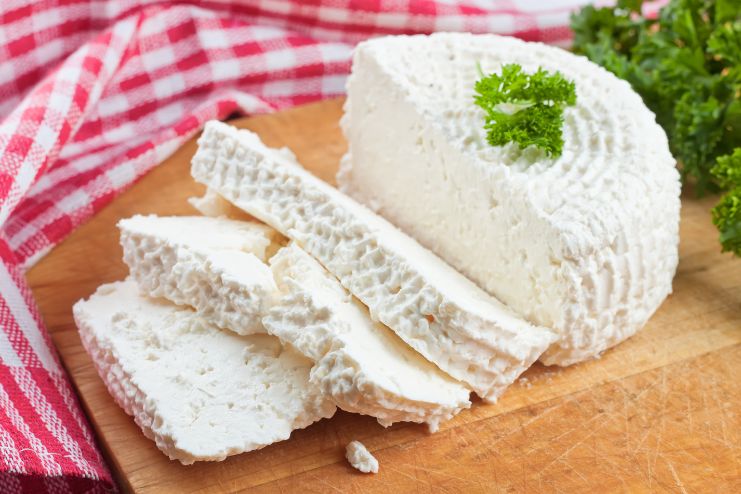
Burrata tastes best when it’s at room temperature. It goes great with tomatoes, olive oil, herbs, and crusty bread.
It makes salads, spaghetti, and appetizers taste better and look more elegant. Burrata is one of the most popular Italian cheeses, and is very tasty too.
A Creamy Italian Delight
Burrata is a rich, silky Italian cheese that is fresh and very good. It appears like fresh mozzarella on the outside, but there’s more to it. Burrata has a thin layer of mozzarella on the outside and stracciatella on the inside.
Stracciatella is a mix of cream and shredded mozzarella curds. The creamy middle spills out as you cut it open, which makes it one of the most decadent Italian cheeses available today.
Burrata vs Mozzarella: What’s the Difference?
People commonly mix up burrata with mozzarella, although they are very different. Mozzarella is stiffer and stretches more. It is often used on pizza or in caprese salads.
Burrata, on the other hand, has a soft, creamy inside that makes it taste better and feel better. Both are created from cow’s or buffalo’s milk, but burrata has more cream in it, which makes it richer in fat. Burrata is more decadent than mozzarella, which is a thinner, everyday cheese.
Where Does Burrata Come From?
Burrata first appeared in Southern Italy, mostly in the Apulia (Puglia) region, in the early 1900s. At first, it was made as a clever method to use up leftover mozzarella and cream, but it quickly became a popular dish. Today, it’s one of the best Italian cheeses because of its unique taste and texture.
Creamy Cheese Health Benefits
Burrata is rich and creamy, but it also has certain health benefits. It has calcium, protein, and vitamin B12, which are beneficial for your bones and provide you with energy, much like other creamy cheeses.
But because it has a lot of fat, you should only eat it in small amounts. These creamy cheese health benefits are noteworthy, especially when eaten in moderation as part of a balanced diet.
Read More: Top 7 Healthy Snacks on the Go
Burrata Cheese Nutrition Facts
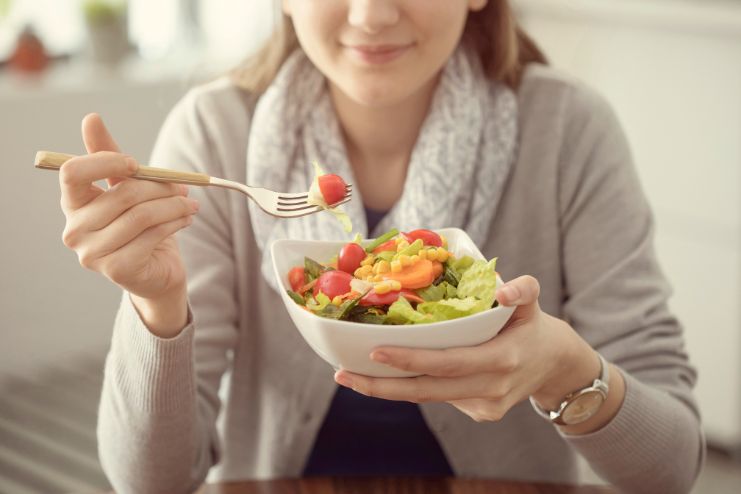
Burrata is hard to beat when it comes to taste and texture. Burrata is rich in essential elements like calcium and protein, but it also has a lot of calories, fat, and cholesterol, so it’s recommended to eat it only once in a while as part of a healthy diet.
Serving Size and Calories
A normal serving of burrata cheese is about 100 grams, which is about the size of a tiny ball. Depending on how much cream is added during production, the calories in burrata can range from 350 to 400. It’s a rich cheese that should be eaten in limited amounts, especially if you’re trying to monitor your calories.
Protein in Burrata
Burrata’s protein content is one of the most important health benefits of the food. A 100g portion has roughly 12–15 grams of protein, which is a good amount of this key nutrient. Protein in burrata helps repair muscles, build tissue, and keep your hunger satisfied for a long time.
Fat and Saturated Fat in Cheese
The high-fat content of burrata gives it a creamy texture. There are roughly 30–35 grams of total fat in every 100 grams, and about 20 grams of that is saturated fat. Because saturated fat in cheese might elevate cholesterol levels if you eat too much of it, it’s recommended to eat burrata in moderation.
Cholesterol
Burrata has more cholesterol than other cheeses, with roughly 100–110 mg per 100g. People who are watching their cholesterol levels should remember this and eat it with other low-cholesterol foods.
Calcium and Other Nutrients
Burrata cheese nutrition has a lot of calcium, about 300–400 mg per 100g, which is good for your teeth and bones. It also has vitamin A, which is good for vision and the immune system, and vitamin B12, which helps in the functioning of nerves and also aids in the production of red blood cells.
Lactose Content
Burrata contains lactose; therefore, people who are lactose intolerant should be careful. Some people with mild sensitivity can handle tiny amounts, but others may want lactose-free options instead.
Read More: 8 Breakfast Mistakes That Could be Slowing Your Metabolism
Health Benefits of Burrata Cheese

Burrata cheese is rich and creamy, but it is also full of minerals that are good for your bones, heart, and immune system.
Burrata cheese is good for you since it has protein, calcium, vitamins, and the ability to satisfy cravings in small amounts. It can be a tasty and healthy part of your diet.
1. Good Source of Protein and Calcium
- One of the benefits of burrata cheese is that it has a lot of protein and calcium, which are essential for bone and muscle strength.
- Protein strengthens muscles, boosts metabolism, and repairs tissues.
- Calcium makes the bones stronger, lowers the chance of breaking them, and helps the heart and nerves work better.
- Burrata has a fuller taste than other soft cheeses like fresh mozzarella or ricotta, but it has the same amount of protein. This makes it both healthy and filling.
2. Rich in Fat-Soluble Vitamins
- Burrata is also a natural source of fat-soluble vitamins such as K2, A, and D.
- Vitamin A helps your immune system and vision stay healthy.
- Vitamin D helps the body absorb calcium better, which is good for bone health.
- Vitamin K2 helps calcium absorption by the bones instead of the arteries, which is good for heart health in a roundabout way.
- The creamy texture of burrata helps your body absorb these vitamins better since they are better absorbed with fat.
3. Better Satiety and Flavor in Small Portions
- One more benefit of burrata cheese is that even small servings can be filling.
- Its rich taste and creamy texture promote fullness, which may help curb snacking or overeating.
- You don’t need a lot of burrata to make your dinner taste better and be healthier. You can add it to salads, crostinis, or grain bowls.
Read More: The Power of Macronutrients to Understand Your Diet
Potential Downsides and Health Concerns

Burrata is tasty and good for you, but you shouldn’t eat too much of it, especially if you’re trying to lose weight, keep your heart healthy, or follow a special diet.
You can enjoy food more consciously by choosing smaller portions and looking for vegetarian options on the labels.
1. High in Saturated Fat
- One major concern with burrata is its high saturated fat content. A 100g serving can contain up to 20g of saturated fat, which is significantly higher than many other cheeses.
- High intake of saturated fat has long been associated with increased cholesterol levels and a greater risk of heart disease.
- However, recent studies offer a more nuanced view of cheese and heart health. Some research suggests that saturated fats in dairy products like cheese may not be as harmful as previously believed and might even have a neutral or slightly protective effect on cardiovascular health when consumed in moderation.
- Still, it’s best to be cautious and limit intake if you have existing heart conditions or high cholesterol.
2. High Calorie Density
- Burrata has a lot of calories, about 350–400 per 100g, mostly from fat and cream.
- Because of its smooth, creamy texture, it’s easy to consume more than you mean to, especially when you eat it with bread or spaghetti.
- If you eat this a lot or in big amounts, you could end up eating too many calories and gaining weight.
- To eat it in a healthy way, serve it with small amounts of fresh vegetables, nutritious grains, or lean proteins.
3. Not Suitable for Vegan or Dairy-Free Diets
- Burrata is prepared from cow’s milk, which means it has lactose in it. This might cause discomfort in the stomachs of people who are lactose intolerant.
- Also, conventional burrata is produced using animal rennet, so vegetarians can’t eat it unless it says it’s vegetarian-friendly (it uses microbial or plant-based rennet).
- It also isn’t vegan because it has both milk and cream in it.
Read More: Debunking Myths About Vegan and Vegetarian Diets
Is Burrata Healthier Than Other Cheeses?
When it comes to choosing cheese, taste often takes the spotlight, but health factors like calories, fat, and protein matter too. Here’s how burrata compares with other popular soft cheeses:
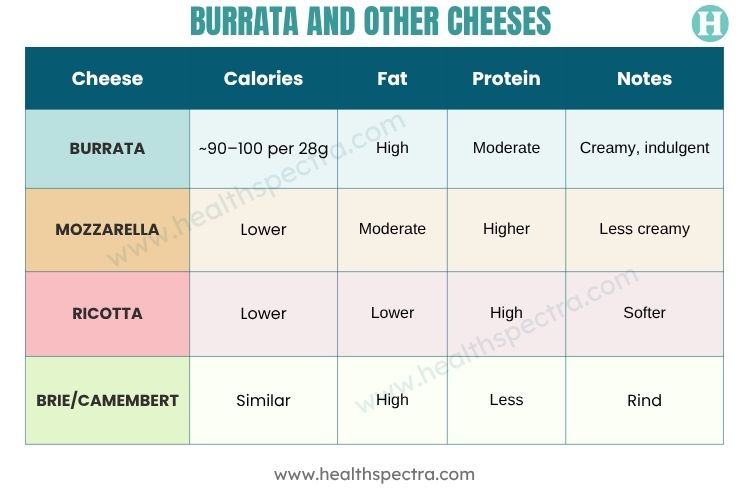 Best Enjoyed in Moderation
Burrata is a delicious, creamy cheese that adds a rich touch to many dishes, but when it comes to health, it’s best enjoyed in moderation. While it offers calcium, protein, and vitamins, it also comes with a higher fat and calorie count compared to many other cheeses.
Like most indulgent foods, burrata can be part of a balanced diet when eaten in reasonable portions. It’s not necessarily unhealthy, but it isn’t the lightest option either. If you’re aiming for a lower-fat or lower-calorie cheese, you may want to enjoy burrata occasionally rather than daily.
Views of a Diet Expert
Dietician Neha Shirke explains that burrata made from raw milk may contain natural probiotics that support gut health by improving digestion, enhancing nutrient absorption, and boosting immunity.
However, she adds that most commercial burrata is pasteurised, which reduces probiotic content. In such cases, its gut health benefits come more from its overall nutrition rather than live cultures.
Burrata vs Mozzarella: What’s the Difference?
Burrata and mozzarella may look similar on the outside, but they’re quite different in both taste and nutrition.
- Texture and Taste: Mozzarella is firm and stretchy, perfect for slicing or melting. Burrata has a solid outer layer of mozzarella, but its inside is filled with stracciatella—a mix of shredded cheese and cream—giving it a richer, softer, and more luxurious texture.
- Fat and Calories: Burrata is higher in fat and calories than fresh mozzarella due to its creamy center. While a 100g serving of mozzarella might have about 280 calories, the same amount of burrata can have 350–400 calories, with significantly more saturated fat.
- Usage: Mozzarella is a staple in pizzas, pastas, and everyday cooking. Burrata is typically served fresh and used in gourmet dishes, often as a centerpiece—like on salads, crostini, or with tomatoes and olive oil.
In terms of health, mozzarella is usually considered the better choice for everyday meals. It is lower in calories and fat and still provides a good amount of calcium and protein. Burrata, however, is a great treat when you want something more indulgent and flavorful.
Read More: Gut Health and Diet for a Healthy Digestive System
Tips for Eating Burrata the Healthy Way
Burrata is a rich and tasty cheese, but you should eat it mindfully. Stick to small servings, use fresh, complete foods, and don’t add extra greasy or fried sides.
Burrata can be part of a healthy cheese option if you eat it in moderation with other cheeses that taste good but aren’t too much.
1. Recommended Serving Size
- Burrata is indulgent, so a small portion is best, about 28–50 grams (1–2 ounces).
- Sharing one burrata ball between several people keeps calorie and fat intake in check.
- This helps you enjoy its rich texture without overdoing it.
2. Pair with Fresh Veggies and Whole Grains
- Pair with colorful vegetables like tomatoes, arugula, cucumbers, and roasted peppers to boost fiber and nutrients.
- Whole grain options like quinoa, brown rice, or whole wheat toast make it more filling and balanced.
- Add healthy toppings like herbs, lemon juice, or a light drizzle of olive oil instead of processed meats or salty sides.
3. Avoid Heavy Dressings or Fried Sides
- Skip creamy sauces, fried appetizers, and heavy dressings, which can double the calorie count.
- Opt for light seasoning, fresh basil, black pepper, or balsamic glaze, which work well without overpowering the cheese.
- Remember: burrata is flavorful on its own—keep the rest of the dish simple.
4. Use as a Treat, not a Daily Habit
- Burrata isn’t something you need to eat every day. It’s best enjoyed as a special treat, on the weekend, at dinner parties, or to elevate a simple meal.
- Rotate it with other healthy cheese options like fresh mozzarella, ricotta, or cottage cheese, which are lower in fat and calories.
- This gives you variety without overloading on rich, creamy cheese too often.
Read More: Delicious Recipes to Lower Cholesterol
Who Should Avoid or Limit Burrata?

While burrata is a delicious and creamy cheese, it’s not suitable for everyone. Its rich texture comes from a combination of mozzarella and cream, which also means it’s high in fat, calories, and lactose. Here’s who should consider limiting or avoiding burrata:
People with Heart Disease or High Cholesterol
- Burrata is high in saturated fat, which can raise LDL (bad) cholesterol levels.
- For individuals with heart disease or high cholesterol, eating too much saturated fat may increase the risk of clogged arteries and other heart-related issues.
- Since cheese and heart health are closely linked, those with cardiovascular conditions should either limit burrata to small portions or choose lower-fat cheese options like cottage cheese or ricotta.
Lactose-Intolerant Individuals
- Burrata is made from cow’s milk and contains lactose, a sugar that can be hard to digest for people with lactose intolerance.
- Consuming burrata may lead to bloating, cramps, or an upset stomach for those who are sensitive to the cheese.
- While some people with mild intolerance may handle a small portion, it’s best to proceed with caution or opt for lactose-free cheeses.
Those on Low-Fat or Calorie-Restricted Diets
- With around 350 – 400 calories and 30g of fat per 100g, burrata is a high-calorie, high-fat food.
- If you’re following a low-fat or weight-loss diet, burrata might not be the best everyday choice.
- Instead, consider cheeses that are lower in fat and calories, such as fresh mozzarella or low-fat ricotta, which provide similar taste benefits with fewer nutritional drawbacks.
Additional Note for Pregnant Women
- Unless labeled as pasteurized, burrata should be avoided during pregnancy due to the risk of listeria, a harmful bacterium that can affect the baby’s health.
- Always check the label and consult with a healthcare provider before including soft cheeses in a pregnancy diet.
- According to dietitian Marika Day, pregnant women should avoid unpasteurised dairy and soft cheeses like burrata due to the risk of listeria infection, which can harm the baby. She recommends choosing hard cheeses and pasteurised options instead, as they are generally safer and less likely to carry harmful bacteria during pregnancy. She also recommends always checking the label for safety.
Read More: Benefits of Adding Fermented Foods to Your Daily Meals
Final Verdict: Is Burrata Cheese Healthy?

Burrata cheese is a rich, creamy delight that tastes great and is good for you in some ways. It has protein, calcium, and fat-soluble vitamins like A and B12, which are good for your bones and your immune system.
But it also has a lot of saturated fat, calories, and cholesterol, so it’s not the best food to eat every day, especially for people with heart problems, lactose intolerance, or weight problems. Burrata isn’t a “superfood,” but you can still eat it as part of a healthy diet if you don’t eat too much of it.
Adding fresh veggies, whole grains, and light dressings to it can help make a meal that is filling and full of nutrients. If you love cheese but want to eat healthier, it’s a good idea to switch out burrata for lighter cheeses like fresh mozzarella or ricotta. Mindful eating is the most important thing in the end.
Enjoy the taste, watch the size of the meal, and make every mouthful matter. Want to eat burrata without feeling bad? Start by making a balanced dish today.
References
- https://www.healthshots.com/healthy-eating/superfoods/health-benefits-of-burrata-cheese-and-ways-to-eat-it
- https://burratahouse.com/whats-the-difference-between-burrata-and-fresh-mozzarella
- https://www.health.com/healthiest-cheese-8605589
- https://www.wisconsincheese.com/about-cheese/what-is-burrata-cheese
- https://www.allrecipes.com/article/what-is-burrata/
- https://www.foodnetwork.com/how-to/packages/food-network-essentials/what-is-burrata
- https://cheesescientist.com/science/burrata-nutrition-facts
- https://burratahouse.com/burrata-calories-properties-and-nutritional-values
- https://www.snapcalorie.com/nutrition/burrata_cheese_nutrition.html
- https://sofiasitalianrestaurant.com/welcome/f/5-burrata-cheese-facts-to-keep-you-smiling
- https://www.healthshots.com/healthy-eating/superfoods/health-benefits-of-burrata-cheese-and-ways-to-eat-it
- https://www.classpop.com/magazine/burrata-cheese
- https://www.tarladalal.com/calories-for-burrata-cheese-and-cherry-tomato-crostini-41671
- https://ndpublisher.in/admin/issues/IJFFv9n1b.pdf
- https://www.cheese.com/q-and-a/is-burrata-vegetarian
- https://pmc.ncbi.nlm.nih.gov/articles/PMC10509445
- https://www.cheese.com/burrata/
- https://www.bbcgoodfood.com/health/nutrition/top-10-healthiest-cheeses
- https://burratahouse.com/whats-the-difference-between-burrata-and-fresh-mozzarella
- https://www.tasteofhome.com/article/how-to-eat-burrata
- https://www.wikihow.com/Eat-Burrata
- https://www.epicurious.com/ingredients/10-delicious-ways-to-eat-burrata-article
- https://www.medicalnewstoday.com/articles/317222
- https://www.aia.com.au/en/health-and-wellbeing/health-and-wellbeing-hub/eat-well/marika-day-foods-to-avoid-during-pregnancy
- https://www.classpop.com/magazine/burrata-cheese
In this Article