














We live in a time when skincare has become both a ritual and a trend. Shelves are overflowing with serums, retinols, vitamin C creams, and overnight masks. TikTok and Instagram feeds showcase endless morning and night routines, promising the elusive “glass skin” glow. Skincare has never been this visible, this popular, or this celebrated.
And yet, in the middle of this booming industry, the one product dermatologists across the globe unanimously call non-negotiable is also the one most often skipped: sunscreen.
It’s a strange contradiction. We’ll layer three different serums, debate niacinamide percentages, or spend thousands on professional facials, but many still treat SPF like an afterthought, something optional, something for the beach, something that “doesn’t really matter today.”
On forums like Reddit’s/SkincareAddiction, the topic comes up again and again. People confess that even though they know sunscreen prevents premature aging and lowers skin cancer risk, they still can’t stick with it. Some say the formulas feel greasy or leave a white cast. Others assume SPF isn’t necessary indoors or on cloudy days. And then there are the stubborn myths, like the belief that darker skin tones don’t need sunscreen at all.
This article unpacks that contradiction. Why do so many people skip the one step that truly protects long-term skin health? Why do myths around sunscreen persist, even when the science is so clear? And most importantly, how can we reframe SPF, not as an optional cosmetic product, but as a simple, daily health habit, just like brushing your teeth or drinking water?
The Proven Benefits of Sunscreen
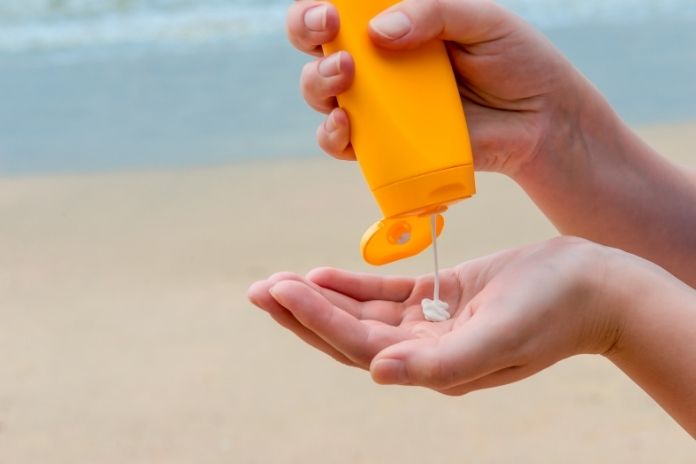
Sunscreen isn’t just another cosmetic step; it’s preventive healthcare in a bottle. Dermatologists consistently emphasize that no serum, cream, or treatment can match its protective power. Here’s what the science says.
1. Protection Against UV Damage and Skin Cancer
Ultraviolet (UV) radiation from the sun damages skin on multiple levels.
- UVB rays burn the skin’s surface, causing visible redness and peeling.
- UVA rays penetrate deeper, silently causing DNA mutations, immune suppression, and the breakdown of collagen and elastin.
The American Academy of Dermatology (AAD) calls sunscreen one of the most effective tools for lowering skin cancer risk, including basal cell carcinoma, squamous cell carcinoma, and melanoma.
The statistics are sobering: the CDC reports that 1 in 5 Americans will develop skin cancer by the age of 70. Regular sunscreen use dramatically reduces that risk, making it a true form of preventive medicine, not just skincare.
2. Slows Premature Aging
Beyond cancer risk, sun exposure is the leading cause of visible aging, a process known as photoaging. This includes fine lines, wrinkles, sagging, enlarged pores, and dark spots.
A landmark 2013 study published in Annals of Internal Medicine found that people who applied sunscreen daily had 24% less skin aging compared to those who used it irregularly. In other words, sunscreen acts as the most effective anti-aging product available, far outperforming expensive creams or facials.
3. Supports Overall Skin Health
The benefits of SPF go well beyond cancer prevention and wrinkle reduction:
- It reduces flare-ups of inflammatory conditions, such as rosacea and melasma.
- It helps prevent persistent redness, blotchiness, and post-acne pigmentation.
- It protects the skin barrier function, allowing other skincare products to work more effectively.
As Elizabeth K. Hale, MD, of the Skin Cancer Foundation, puts it: “The truth is that your face and your entire body need sunscreen every day to safeguard against sun damage and skin cancer.” Pair that habit with the RCT showing daily sunscreen users had 24% less photoaging than discretionary users.
Bottom line: Sunscreen is not optional. It’s your best defense against cancer, premature aging, and daily skin damage. Think of it not as “extra skincare” but as essential healthcare.
Why People Still Skip Sunscreen

With all the science stacked in its favor, sunscreen should be a no-brainer. Yet, surveys and online forums show many people still resist making it part of their daily routine. The reasons usually fall into two categories: misconceptions (myths) and practical barriers.
Common Myths That Keep People From SPF
Myth 1: Sunscreen Is Only for Sunny Days.
Clouds don’t protect you. Up to 80% of UV rays penetrate cloud cover, according to the Skin Cancer Foundation. UVA rays also pass through glass, meaning even on rainy days or when you’re sitting by a window, you’re still at risk.
Myth 2: Darker Skin Tones Don’t Need SPF.
Many people assume darker skin doesn’t need sunscreen. “There’s a false belief that melanin is more protective than it really is,” says dermatologist Dr. Jeanine Downie. The fix is simple: daily SPF and habits that limit cumulative UV exposure.
This delay in diagnosis makes sun protection just as crucial for deeper skin tones.
Myth 3: Makeup With SPF Is Enough.
A tinted moisturizer or foundation labeled SPF 15 isn’t a substitute. To actually get that level of protection, you’d have to apply seven times more product than most people realistically use. Dermatologists stress the need for a standalone sunscreen of at least SPF 30.
Read More: Sunscreen Myths Debunked: Protecting Skin Under Changing Climate
Practical Barriers That Get in the Way
Barrier 1: Texture and Finish. For years, sunscreens had a bad reputation: they were often associated with greasy textures, chalky white casts, or breakouts. This was especially discouraging for people with oily or darker-toned skin. While newer formulas are lighter, sheer, and more elegant, the old stigma still lingers.
Barrier 2: Forgetfulness and Habits. Unlike a serum that makes skin glow or a moisturizer that feels instantly hydrating, sunscreen works behind the scenes. It prevents, rather than corrects, which makes it harder for people to prioritize. Without visible “instant results,” it’s easy to forget or skip.
Barrier 3: Cost vs. Perceived Necessity. When money is tight, sunscreen often feels optional compared to other skincare steps. But dermatologists push back: sunscreen is one of the most cost-effective products you can own, because it saves you from pricier treatments for hyperpigmentation, wrinkles, and even skin cancer down the line.
Bottom line: The resistance to sunscreen isn’t about the science; it’s about perception, habit, and old myths. Once people reframe SPF as an everyday health essential, not a cosmetic luxury, these barriers start to fall away.
Types of Sunscreen: Chemical vs. Mineral
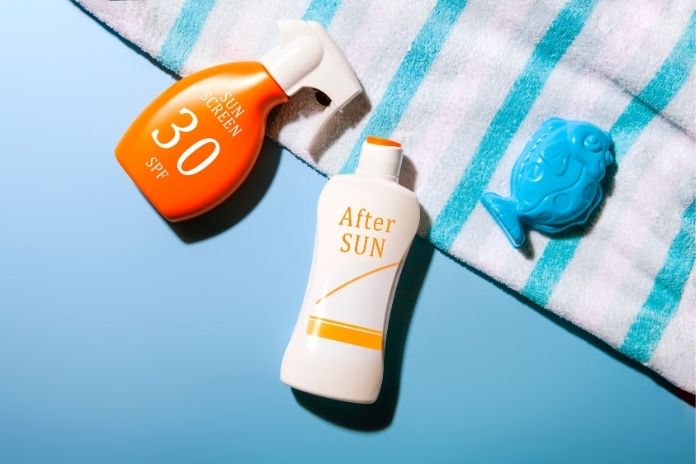
Not all sunscreens are created equal, and knowing the difference can help you choose one you’ll actually enjoy wearing. The two main categories, chemical and mineral, work in different ways, and each comes with unique benefits.
Chemical Sunscreens
These formulas contain active ingredients such as avobenzone, octocrylene, or oxybenzone. Instead of sitting on the surface, they absorb UV rays and convert them into harmless heat before the rays can damage your skin.
- Pros:Lightweight textures, no visible residue, often easier to layer under makeup.
- Cons:Can sometimes cause irritation in sensitive skin, and older formulas have a bad reputation for stinging eyes.
Mineral (Physical) Sunscreens
These products use ingredients like zinc oxide or titanium dioxide. Instead of absorbing UV rays, they act like tiny mirrors that reflect them away from the skin.
- Pros:Gentle on sensitive or acne-prone skin, effective immediately after application, less likely to cause irritation.
- Cons:Can leave a white cast, though newer tinted or micronized versions have largely solved this problem.
Which Should You Choose?
It depends on your skin and lifestyle. If you want something invisible and comfortable under makeup, a chemical sunscreen might be your best bet. If you have sensitive skin, rosacea, or want extra reassurance for kids, a mineral formula is worth trying. Many people even keep both on hand, one for everyday wear and the other for beach days or when their skin feels reactive.
Dermatologists agree on one thing: the best sunscreen is the one you’ll actually wear consistently. Formula matters less than habit.
Read More: 10 Recommended Sunscreens for Women’s Daily Protection
How to Apply Sunscreen Correctly

Here’s the biggest secret about sunscreen: most people use it wrong. Studies show that the average person applies only 25–50% of the recommended amount, which drastically lowers the protection level. A sunscreen labeled SPF 30 won’t perform like SPF 30 if you use half as much; it may drop to the equivalent of SPF 10 or less.
How Much to Use
- For your face and neck: about two fingers’ length of product (index and middle finger).
- For the body: around one ounce, roughly a shot glass worth, to cover all exposed areas.
Application Tips
- Apply sunscreen as the final step of your skincare routine, right before makeup.
- Don’t forget commonly missed spots: ears, eyelids, lips (use SPF lip balm), back of the neck, hands, and tops of feet.
- Reapply every 2 hours if you’re outdoors, sweating, or swimming. Indoors, reapplication is less frequent but still smart if you’re near windows.
Layering With Makeup
Makeup with SPF is not a substitute, but it can act as a booster. For touch-ups during the day, consider powder sunscreens, setting sprays with SPF, or portable sticks. These make reapplication realistic without ruining your look.
Timing Matters
Chemical sunscreens should be applied about 15–20 minutes before sun exposure to allow absorption. Mineral sunscreens work immediately, but applying them in advance ensures even coverage and prevents that rushed, streaky look.
The Takeaway
Think of sunscreen like insurance: you want enough coverage to protect what matters truly. If you’re only dabbing it on, you’re not getting the full benefit. The right amount, applied the right way, makes all the difference between “kind of protected” and genuinely shielded.
What Dermatologists Suggest
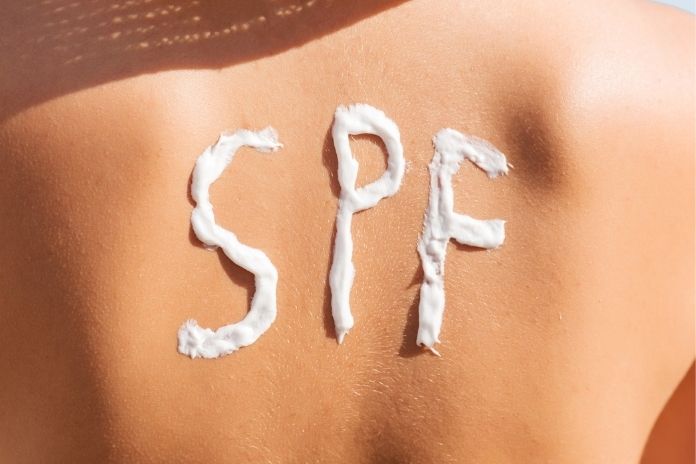
So how do you move from “I know I should” to actually applying sunscreen every day? Dermatologists recommend focusing on practicality, habit-building, and finding formulas you’ll actually enjoy using.
1. Choose Broad-Spectrum SPF 30+
Not all sunscreens are created equal. “Broad-spectrum” means you’re covered against both UVA (aging rays) and UVB (burning rays). SPF 30 blocks about 97% of UVB, while SPF 50 blocks 98%. The difference may seem small, but consistency matters more than chasing numbers.
2. Explore Modern Formulas That Fit Your Skin
The days of thick, greasy creams are over. The market now offers:
- Lightweight gels for oily or acne-prone skin.
- Mineral-tinted formulas that blend seamlessly into deeper tones.
- Invisible chemical options with no white cast.
The variety is huge, so if one product doesn’t work, try another.
3. Make It Part of Your Morning Routine
Sunscreen works best when it’s automatic. Apply it as the final skincare step: Cleanse, Treat, Moisturize, SPF. Linking it to habits you already do (like brushing teeth) makes it harder to skip.
4. Rethink Reapplication
Sun protection fades after two hours, but reapplying doesn’t have to be messy.
- SPF sprays or sticks glide over makeup without smudging.
- Powder SPFs double as a setting powder for touch-ups on the go.
5. Focus on Wearability
Choosing a sunscreen is simple, really. First things first, choose one that you actually like. “If you like the way it feels and looks, you’ll wear it,” says Dr. Mona Gohara, MD, board-certified dermatologist and associate clinical professor of dermatology at the Yale School of Medicine. It’s important to wear sunscreen every day, so you might as well enjoy it. Think of it as the last step of your morning skincare routine or the first step of your makeup routine.
The takeaway: Sunscreen isn’t about discipline, it’s about design. Pick the right product, tie it to your routine, and make reapplication effortless. When it feels simple and enjoyable, SPF becomes second nature.
The Mindset Shift: From “Optional” to “Essential”
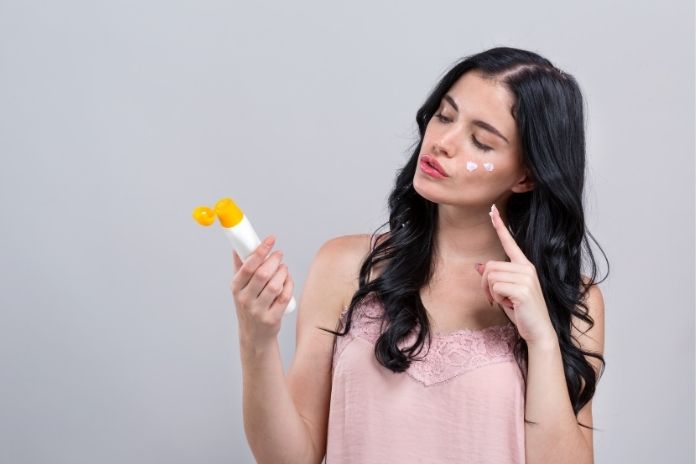
The most powerful change isn’t about formulas or reapplication hacks, it’s about how you think about sunscreen. When SPF moves from being an afterthought to a non-negotiable step, everything else clicks into place.
Sunscreen = Skincare, Not Just Sun Care
Too many people still think of sunscreen as a beach-day product. Dermatologists want you to reframe it: SPF is a core skincare step, right alongside cleansing, moisturizing, and treating. Moisturizer hydrates. Retinoids repair. Sunscreen protects. Without protection, everything else you do, serums, peels, facials, has reduced impact because sun damage undoes your progress.
Think of It Like Brushing Your Teeth
You don’t brush only when you see cavities forming; you brush daily to prevent them. Sunscreen works the same way. You won’t notice dramatic results overnight, but decades down the line, the difference between consistent users and non-users is unmistakable: fewer wrinkles, less pigmentation, and lower risk of skin cancer. Prevention may be invisible, but it’s powerful.
The Visible Payoff
Here’s the part many people overlook: daily sunscreen doesn’t just protect your future, it also improves your present.
- Brighter tone: People often notice less dullness and pigmentation within a few months.
- Smoother texture: By shielding collagen, SPF helps skin stay firm and even.
- Fewer flare-ups: Sunscreen reduces sun-triggered breakouts and redness, especially in acne-prone or sensitive skin.
In fact, a 2016 study in Dermatologic Surgery found that participants who adopted daily sunscreen use reported clearer, more even-toned skin compared to those who used it inconsistently.
Stories That Stick
Scroll through skincare forums or TikTok, and you’ll see countless before-and-after posts from people who made SPF their daily ritual. Their testimonials echo the same message:
- “My hyperpigmentation faded faster.”
- “My skin looks calmer and less irritated.”
- “I wish I had started earlier.”
The consistency becomes a habit, and the habit becomes an investment, one that pays off every single day.
Bottom line: Sunscreen isn’t an “extra.” It’s the foundation that makes every other step in your routine work better, and it’s the single most effective product for both health and beauty.
Conclusion
Sunscreen isn’t just another bottle on your shelf; it’s the single most proven, dermatologist-backed tool for protecting your skin. Decades of research show its power: it reduces the risk of skin cancer, slows visible aging, and preserves overall skin health. No serum, cream, or trendy treatment comes close to matching what consistent SPF use delivers.
And yet, despite all the evidence, many still skip it. Some blame the texture. Others fall for myths about weather, skin tone, or makeup with SPF. Often, it’s just forgetfulness. But here’s the truth: these excuses come at a cost. Every unprotected day adds up; sun damage is cumulative, and it shows later as fine lines, pigmentation, or worse, skin cancer.
The bottom line: sunscreen isn’t optional, it’s essential.
If you care about your skin, whether it’s for health, confidence, or aesthetics, SPF should be the first product you reach for every morning. Think of it not as an inconvenience, but as an investment: a few seconds today for years of healthier, stronger, more resilient skin tomorrow.
Start now. Find a formula that feels good on your skin, make it as automatic as brushing your teeth, and treat sunscreen as non-negotiable. Because the truth is, your future self won’t remember the days you skipped, but your skin will.
References
- https://www.goodrx.com/health-topic/dermatology/should-you-wear-sunscreen-everyday
- https://www.nivea.in/advice/mindful-reasons-to-use-sunscreen-every-day
- https://www.health.harvard.edu/staying-healthy/the-science-of-sunscreen
- https://www.hopkinsmedicine.org/health/wellness-and-prevention/sunscreen-and-your-morning-routine
- https://txhospitals.in/benefits-of-sunscreen-healthy-skin/
- https://www.fda.gov/drugs/understanding-over-counter-medicines/sunscreen-how-help-protect-your-skin-sun
- https://www.kaya.in/blog/benefits-of-sunscreen-for-skin
- https://www.webmd.com/drugs/2/drug-366/sunscreen-topical/details
- https://www.neutrogena-me.com/beauty-and-skincare-tips/skincare/five-benefits-of-sunscreen
- https://pubmed.ncbi.nlm.nih.gov/24891063/
- https://www.cerave.com/skin-smarts/skin-concerns/sun-protection/mineral-vs-chemical-sunscreen
- https://www.garnier.in/skin-care-tips/types-of-sunscreens-and-formulations
- https://www.lorealparis.co.in/beauty-magazine/skin-care-blogs/identify-the-different-types-of-sunscreen-and-choose-the-right-one
- https://www.fda.gov/drugs/understanding-over-counter-medicines/sunscreen-how-help-protect-your-skin-sun
- https://www.heydayskincare.com/blogs/skin-deep/the-core-four-sunscreen
In this Article