














Certain feelings are too hard to explain, and I have been going through this lately. At first, I thought it was work stress, but even on weekends, I didn’t feel like myself. That’s when I realized there’s more to this feeling of unease.
“I don’t feel like myself anymore.” can be a weird feeling, as this does not have a definite answer. The causes can be many, but how do you know the root one? In this article, let’s understand this issue on a deeper level. We hope that this helps you overcome the feeling, if you’re sailing in the same boat as me!
It’s not something you shout from the rooftops, but rather a hushed whisper you catch in your mind when you’re brushing your teeth, staring at your reflection, or lying awake at night, wondering where the real you got lost.
You’re still going through life. You’re getting to work, returning texts, checking off your lists. But things feel. wrong. You feel different recently. Distant from yourself. Like you’re in someone else’s skin.
If that sounds like you, understand this: you’re not broken, and you’re not alone. There’s a reason for this feeling. And even if you can’t put your finger on it yet, there’s a way back to clarity and connection.
Read More: 6 Myths about Mental Health You Need to Stop Believing
What Does It Mean to Not Feel Like Yourself?
It’s difficult to describe and more difficult to acknowledge. It’s not sadness, not stress. It’s as if your sense of self has gone a few steps away from you.
Perhaps you:
- Can’t recall the last time you felt completely present
- Have trouble enjoying things that previously sparked you
- Gaze at old photos of yourself and ask, “Where did she go?”
- Feel like you’re pretending to get through the day
- Have lost touch with your thoughts, reactions, or desires
It’s not the same as a bad week. It’s deeper, more disorienting. And that’s what makes it so disturbing that you feel like a stranger in your own life.
Why Do I Feel So Different Lately?
There is no single answer, but here are the most frequent reasons individuals experience a loss of sense of self.
1. Your Mental Health May Be Speaking:
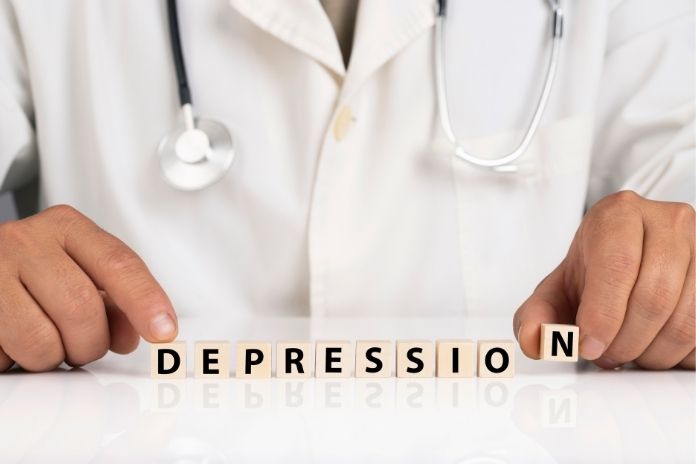
Your mood plays a massive role in how you feel. When your mental health changes, it tends to manifest as a sense of disconnection first.
- Depression may present as a fade-out. It may leave you with less energy, reduced pleasure, and diminished enthusiasm for things that once brought you joy. Even leaving bed may feel like scaling Mount Everest.
Dr. Carlos Zarate, M.D., chief of the Mood Disorders Research Unit at the National Institute of Mental Health in Bethesda, Maryland, expresses her views on depression. “Many people with depression complain of headache, stiff neck, backache, fatigue, bowel problems, and changes in sleep and appetite, and in some people, those issues are the primary complaints,” Dr. Zarate says. “It affects the whole body, from your immune system to your pain tolerance,” he adds.
- Anxiety makes it difficult to feel grounded. You may be overthinking, catastrophizing, or in a state of hypervigilance all the time.
- Dissociation tends to show up during and/or after trauma, excessive stress, or burnout. You feel like you’re watching life happen rather than experiencing it. It’s as if you’re hovering above your body, observing things from a different angle.
When your brain works in survival mode, it’s more difficult to feel connected to yourself.
2. Burnout, Life Transitions, and Emotional Exhaustion:
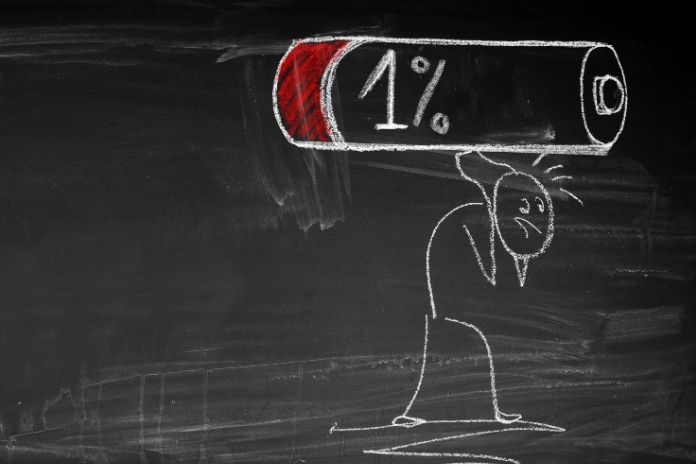
You may not have a clinical diagnosis, but you may still feel emotionally drained.
- Are you caregiving, parenting, or managing multiple roles with no downtime? That constant giving can drain your emotional reservoir.
- Did you just go through a significant life transition? This can be a move, a break-up, becoming a parent, or the loss of a loved one. Big changes often involve identity changes.
Sometimes it’s not what’s going on around you, but what’s not going on in you. You lose joy, creativity, connection, and rest.
You’re not lazy or unmotivated. You’re exhausted on a level most people can’t see. And that level of exhaustion has a way of erasing the parts of you that used to feel like you.
3. Your Body May Be Sending Signals Too:

Physical and hormonal changes can affect your mental state.
If you have thyroid problems, perimenopause, or postpartum hormonal changes, those chemical shifts can wreak havoc on everything: your mood, concentration, and even your sense of being emotionally present.
- Vitamin D, B12, magnesium, or iron deficiency can also cause brain fog, low energy, and a lack of emotional connection.
- Imbalances in gut health, autoimmune disorders, or chronic illness can also lead to a “foggy,” disconnected feeling.
You may sense you’re off emotionally, but the underlying cause may be biological.
Read More: The Power of Third Places: How Spaces Beyond Home & Work Boost Mental Health
4. Sleep Deprivation and Chronic Fatigue:

Bad sleep isn’t just strange; it can wreck your schedule and impact your lifestyle in more ways than you can imagine.
When you don’t have the rest your brain requires to sort through emotions, you may:
- Struggle to be clear-headed
- Snap at others for no reason
- Forget who you were when you were less worried and better rested
Over time, lack of sleep can lead to emotional numbness, mental slowing, and depression-like symptoms. You no longer feel grounded in your own body, and it becomes more difficult to be yourself when your mind feels muddled.
5. Grief, Trauma, and Unprocessed Emotions:

This one tends to go unnoticed. Particularly if you are the type who continues to push forward.
- Perhaps you went through a loss that you never actually mourned.
- It could also mean something awful happened, and you ignored it or suppressed it.
- Perhaps you’ve been numb for so long that you’ve forgotten what it even feels like to feel anything.
Grief does not always manifest in tears. Sometimes it simply appears as silence, numbness, or the feeling that something has been missing from inside of you. And when we do not integrate what we have lived through, it begins to present as emotional disconnection.
Signs It’s More Than Just a Phase

It’s okay to feel “off” now and then. But if this has been lingering for weeks or months, it’s time to pay closer attention. Here are a few red flags that suggest something deeper might be going on:
- You’ve lost interest in the things that used to bring joy
- You feel emotionally numb or overwhelmed most of the time
- You’re constantly tired, foggy, or forgetful.
- You don’t feel attached to your relationships, or even to yourself
- You’ve had ideas of self-harm, or feeling like you’re vanishing from your life
If any of these resonate with you, please know this: you deserve help. You don’t have to hit rock bottom to seek it.
Read More: Rewilding for Mental Health: Why Spending Time in Nature Heals the Mind
How to Start Feeling Like Yourself Again

This isn’t about “getting back to normal.” It’s about reconnecting with yourself, carefully, slowly, and gently.
- Start Checking In With Yourself:
It all starts with ‘you. You must stop and ask yourself, “What do I need today?”
- Not what your family needs. Not what your boss needs. But what do you need?
- Write it down
- Say it out loud
- Sit still and pay attention to what your body’s trying to tell you
- Even a few moments of reflection can make you realize that you’re still present here.
- Reclaim What Once Grounded You:
Think and remember about yourself. Who felt complete? What did they enjoy? What they laughed at, what made them unwind, what made them feel alive?
- Was it painting? Drives with the music turned up?
- Did you enjoy sitting by the river or making a favorite dish?
- Hanging with certain folks or friends who ground you?
- Choose one thing and bring it into your life this week. That tiny step is you reconnecting with yourself.
- Say What You’ve Been Holding Back:
Unspoken emotions become emotional baggage that does not go away. They linger in your chest, stomach, and mind. To do this, you can:
- Write a letter you never sent
- Cry in the shower
- Dance out the frustration
- Talk to someone who will hear you
You don’t need to tell them everything. You just need to quit hiding it from yourself.
- Talk to a Therapist:
We all think and assume that therapy is a last resort. Whereas it isn’t just for when everything breaks down. It’s also for when you’re lost and want to find your way again.
- A therapist can help you untangle emotional tangles
- They can help you in restoring your sense of self after trauma, loss, or burnout
- Most of all, they’ll remind you that who you are is still with you—even if it feels difficult to feel that way now
Remember, asking for assistance isn’t a weakness. It’s a sign of self-respect.
When to Ask for Help

If this sense of disconnection continues for more than two weeks, or you notice you’re retreating from your own life, it’s time to speak with someone. Particularly if:
- You’re not doing as well as you used to
- You’re withdrawn or pushing others away
- You’re emotionally unsteady, spaced out, or numb
- You’re considering harming yourself
- You don’t have to be in crisis. The fact that you feel this way is sufficient.
Final Thoughts

This is not just a feeling. This lost, fuzzy, not-quite-you sensation is your system requesting something? Rest. Care. Change. Attention. Healing.
It may not be gone tomorrow. But over time, as you become curious about what lies beneath it, you will begin to sense the edges of yourself again.
The reality is, you may never become the person you used to be. You may find someone even more profound on the other side of this.
You have not lost yourself. You just need to find ways to feel more like you!
References
- https://mhanational.org/resources/science-behind-therapy/
- https://www.healthline.com/health/mind-body/how-to-release-emotional-baggage-and-the-tension-that-goes-with-it
- https://timesofindia.indiatimes.com/life-style/health-fitness/health-news/vitamin-b12-and-brain-fog-the-connection-that-is-more-common-than-you-think/photostory/122116448.cms
- https://www.anxietycentre.com/anxiety-disorders/symptoms/dont-feel-like-yourself/
- https://psychcentral.com/blog/when-you-dont-feel-like-yourself
- https://www.anxietycentre.com/anxiety-disorders/symptoms/dont-feel-like-yourself/
In this Article