










Pregnancy is full of surprises, including fatigue, mood swings, crazy cravings. However, my biggest surprise was my OB’s response to my bloodwork at 28 weeks.
She read the numbers, hesitated, and said, “Whatever you’re doing—keep doing it. These are the best mid-pregnancy labs I’ve seen all week.”
What I was doing was simple: I’d been following an anti-inflammatory diet throughout pregnancy. It was not some trendy cleanse or limiting protocol, just a nutrient-dense way of eating that favored whole foods and gut-soothing options. This individual change, motivated by early symptoms and a hope for a more comfortable prenatal experience, proved to be one of the wisest things I did.
Here’s precisely why I decided on this route, what it was like in action, and what you need to know if you’re interested in giving it a shot.
Read More: Best Anti-Inflammatory Foods To Counter Inflammation
What Is an Anti-Inflammatory Diet — and Is It Safe During Pregnancy?

An anti-inflammatory diet is not a structured plan, but rather a nutritional strategy aimed at decreasing chronic inflammation with whole foods. The core consists of:
- Fiber-rich fruits and vegetables that include leafy greens, berries, and sweet potatoes
- Healthy fats such as olive oil, avocados, nuts, and seeds
- Lean proteins like salmon, lentils, and eggs
- Spices and herbs such as turmeric (in moderation), ginger, garlic
- Limited intake of sugar and processed foods
Is It Safe During Pregnancy?

Yes, with some adjustments. Certain herbs (such as excessive amounts of turmeric or licorice root) may not be suitable during pregnancy. Raw seafood or deli meats are best avoided for food safety reasons.
But the focus of the anti-inflammatory diet—whole, nutrient-rich foods—is entirely consistent with what is best for a healthy pregnancy diet. Indeed, studies published in Current Diabetes Reports focus on the link between chronic inflammation and complications during pregnancy, particularly in cases of gestational diabetes and preeclampsia.
An anti-inflammatory diet has been shown to reduce CRP levels in pregnancy. This emphasizes increasing the intake of fiber and specific nutrients that help in fetal growth.
Read More: 6 High-Quality Maternity Products Every Expecting Mother Needs
Benefits I Noticed While Eating This Way
Here are a few benefits I noticed after starting an anti-inflammatory diet during my pregnancy:
More Stable Energy and Fewer Cravings:
One of the first things I noticed? I wasn’t crashing mid-afternoon or fixating on sugary treats. By balancing my meals with fiber, protein, and healthy fat, I was keeping my blood sugar stable, which helped regulate both my energy and mood. No more grabbing crackers every two hours.
Less Bloating and Digestive Discomfort:
Pregnancy can wreak havoc on your digestive system, bonjour, heartburn, and constipation. But when I focused on anti-inflammatory foods (such as leafy greens, fermented yogurt, and chia seeds), I saw a huge difference in digestion. Nourishing my gut resulted in less bloating and a more relaxed belly, even when my belly expanded.
Healthy Weight Gain and Better Sleep:
This was not a restricted diet—it was a choice one. I gained weight at a steady, OB-approved rate and slept better, particularly when I had omega-3-enriched salmon or magnesium-laden greens for dinner.
Improved Lab Results:
This was the big one. My second-trimester glucose screen came back clean, despite a strong family history of diabetes. My blood pressure was low, and my iron and vitamin D levels were normal. These results mirrored my experience—calm, steady, and nourished.
My OB’s Reaction (and What Surprised Her Most)

When I went in for my 28-week checkup, my OB checked my labs and asked me what I’d been doing differently. When I told her about my anti-inflammatory dinners, she said, “It’s not often that we see such uniform lab results without supplements.”
She was particularly impressed with my low fasting blood sugar and slight swelling, both of which she mentioned were more typical in patients who emphasized nutrient-rich, anti-inflammatory foods. She confessed that although prenatal nutritional recommendations provide the essentials, personalized dietary quality can be a real game-changer.
Read More: Choosing the Right Birthing Plan: Exploring Your Options
What My Typical Day of Eating Looked Like
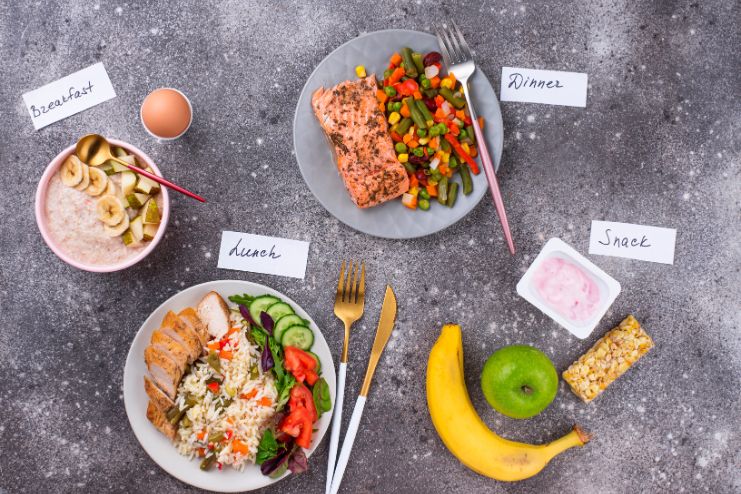
Here’s what a typical day on this pregnancy diet was like for me:
- Breakfast:Spinach smoothie with frozen blueberries, chia seeds, almond butter, and unsweetened oat milk
- Lunch:Roasted sweet potatoes, zucchini, kale, chickpeas, and tahini dressing quinoa bowl
- Snack: Greek yogurt and walnuts or an apple and almond butter
- Dinner:Baked salmon or lentil stew with steamed broccoli and olive oil on the side
- Hydration: Lemon water first thing in the morning, ginger tea with meals, plenty of filtered water throughout the day
I found this to be effective for keeping me focused—and full.
Challenges I Faced While Sticking to This Diet

No diet is ideal, and I experienced some hiccups along the way:
- Social events usually involved picking over buffet tables groaning under trays of creamy pasta or sugary treats. I discovered that bringing a dish or snacks before events I helped me feel more prepared.
- Third-trimester cravings were real, too—particularly for salty foods. I swear by roasted seaweed and avocado toast.
- Meal prep burnout was real, too. Pre-shopping and planning saved me from late-night takeout orders.
And most of all, I reminded myself: this wasn’t about restriction. I still get to have a cookie or pizza slice here and there—because balance is better than perfection.
What Experts Say About Anti-Inflammatory Diets in Pregnancy
Medical research is starting to reflect what many moms intuitively sense: chronic inflammation is the root cause of several pregnancy complications.
According to a study in Current Diabetes Reports, excessive inflammation during pregnancy is associated with poor placental development, gestational diabetes, and preeclampsia. Reducing inflammatory markers through diet may offer real protective benefits.
Registered dietitians specializing in fertility and prenatal care highlight how anti-inflammatory foods support gut health, stable blood sugar, and hormone regulation, all of which are crucial in pregnancy.
Still, experts stress the need for personalized nutrition plans. What works for one mom may not work for another, especially in the presence of autoimmune conditions, food allergies, or nausea-related aversions.
Can You Try This Too? Tips for Pregnant Women
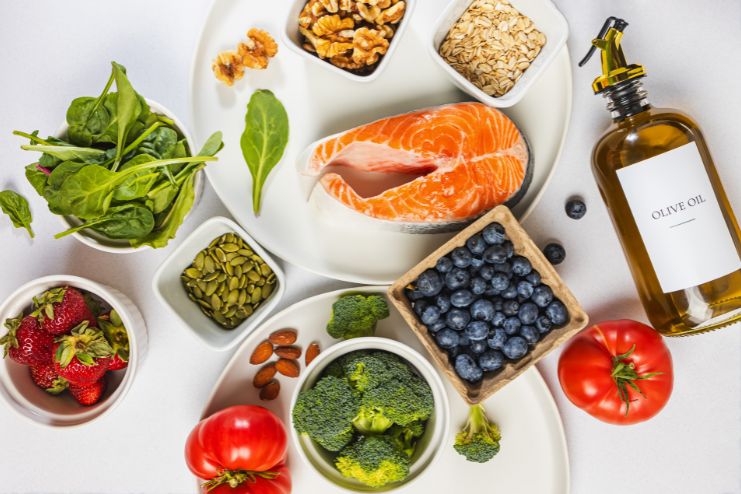
If this style resonates, here are a few kind starting points:
- Consult your OB or prenatal registered dietitian before making significant dietary adjustments.
- Begin small, for instance, replace white rice with quinoa, or soda with lemon water.
- Streamline by adding, not taking away, essential nutrients. For example, include berries for breakfast, greens for lunch, and whole foods for dinner.
- Emphasize healthy fats, including olive oil, avocado, and flaxseed.
- Hydrate well. Inflammation worsens with dehydration.
You don’t have to eat perfectly to reap the rewards of this strategy. It is consistency, not perfection, that makes lasting changes.
Key Takeaway

Selecting an anti-inflammatory diet while being pregnant wasn’t all about food. It was about trust—trusting my body, respecting my energy, and providing my baby with the best foundation I could.
The result? Reduced stress, greater stability, and a smoother pregnancy in general.
This way of eating might not be for everyone, but if you’re looking for a gentle, empowering way to support your prenatal health, it’s worth exploring. Just remember: work with your care team, start slow, and focus on nourishing—not restricting—yourself.
Remember, in pregnancy, every bite can be a gift to your future self—and your baby.
References
- https://pmc.ncbi.nlm.nih.gov/articles/PMC4466145/
- https://www.imrpress.com/journal/CEOG/52/2/10.31083/CEOG27065/htm
- https://www.sciencedirect.com/science/article/pii/S0022316623005655
- https://www.sciencedirect.com/science/article/pii/S0022316623005655
- https://www.webmd.com/diet/anti-inflammatory-diet-road-to-good-health
In this Article