













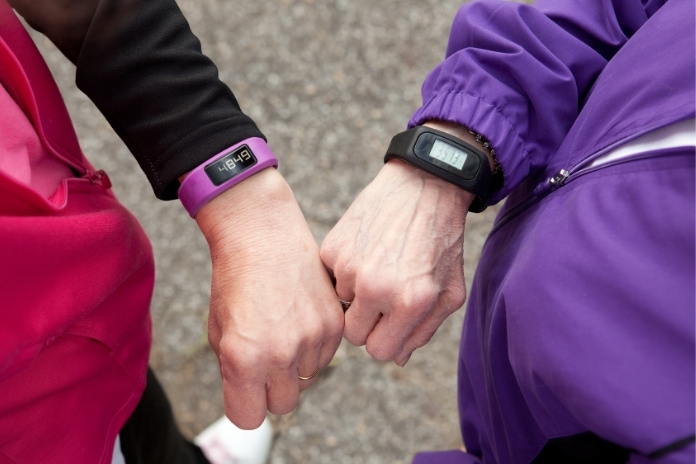
Step counting is no longer the only use for fitness trackers and smartwatches. These stylish gadgets have evolved over the past few years into effective wearable health monitoring instruments that provide information much beyond regular activities.
These days, they are becoming powerful instruments that can assist with real-time health monitoring and even the early detection of potential health issues.
A wearable app developed by Stanford University School of Medicine researchers aims to notify users when their bodies exhibit symptoms of fighting an infection, such as an accelerated heart rate. An algorithm that tracks variations in a person’s resting heart rate and step count powers the app.
Since many chronic disorders, such as diabetes, hypertension, or arrhythmias, develop quietly, early identification is crucial. But how reliable are they? Can these health wearables predict our health ahead of time? Let’s dissect that.
Read More: The Rise of Smart Hydration Trackers: Are They Worth It for Busy Professionals?
What Are Health Wearables?
Devices that enable people to track their vital signs during their everyday lives are known as health wearables. It also holds in healthcare situations, allowing the person to have as little discomfort and disruption to their activities as possible.
The goal of wearable medical technology is to give people more control over how they engage with healthcare professionals and manage their own health. Nowadays, it is common for people who already lead healthy lives to adopt wearable health technology.
People use wearable health gadgets in medical settings, for personal well-being, and to monitor the body. As a chronic disease becomes more prevalent and the population ages, developers have created wearable technology to track various aspects of health.”
The smartwatch, also known as a wristwatch, is one of the most popular wearable technologies. People use these gadgets to monitor physical levels, fitness, and activity. Heart rate, blood pressure, respiratory rate, blood oxygen saturation, blood glucose, skin sweat, and body temperature are among the vital indicators tracked by health wearable technology.
Contemporary wearables track a wide range of parameters beyond activity levels. Heart rate, blood oxygen saturation, stress levels, respiration rate, sleep patterns, and even blood sugar variations are all tracked via core features. Advanced trackers help spot health issues early on since they may detect abnormal changes in baseline measurements or send out irregular rhythm alarms.
Many organizations and insurance providers advocate the use of wearable technology as a tool for supporting good health and reducing potential risks. Some health plans offer incentives and rewards programs for individuals who use wearables to support healthier habits.
How Wearables Detect Health Problems Early
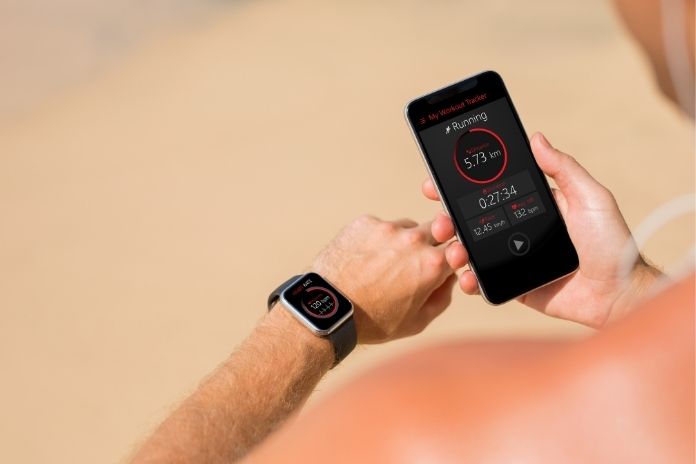
Sensors embedded in wearables track and record bodily information around the clock. In most cases, they keep an eye on the following:
- Heart Rate: Continuous monitoring can detect irregular heartbeats or atypical patterns that may suggest heart issues. You can do it by analyzing cardiac activity.
- Patterns of Sleep: Insomnia can be an early warning sign for various health disorders, including stress, exhaustion, and other illnesses.
- Activity Levels: To identify unexpected changes that may indicate disease, it is helpful to keep track of your daily activity levels.
- Blood Oxygen Levels: Low oxygen levels may be an indication of respiratory issues or early indicators of lung disorders.
- Monitoring of Stress and Temperature: Some of the most advanced wearables can monitor factors that indicate stress, as well as body temperature, which can aid in diagnosing infections or hormonal issues.
James Voos, MD, University Hospitals Chairman of Orthopedics and head team physician for the Cleveland Browns, says advances in wearable technology have the potential to help active people of every caliber – from professional to “weekend warriors” – exercise smarter and safer.
Read More: Top Smart Rings of 2025: Revolutionize Your Health with Cutting-Edge Tech
Benefits of Using Wearables for Preventive Health
It is not just the convenience of wearable technology that will drive the increase in smart devices; the real advantages of real-time, personalized monitoring for preventive care will also fuel consumer demand.
Aiding in Healthy Eating: Maintaining a food journal can assist you in recognizing both good and unhealthy eating patterns. Additionally, the American Heart Association states that individuals who track their diet tend to lose twice as much weight compared to those who do not.
You can record your meals, snacks, and water intake with wearable technology. It can measure how many calories you’re ingesting and the macronutrient makeup of those calories. Additionally, many food-tracking applications provide personalized meal suggestions and planning tools.
Heart Health Monitoring: Fitness monitors can measure exercise and resting heart rates. However, some can also measure heart rate variability (the interval between heartbeats) and blood pressure, which can help you forecast your risk of developing chronic illnesses.
Fall Detection and Prevention: Falls are a frequent occurrence and result in approximately 650,000 fatalities annually worldwide. Identifying a fall increases the likelihood of prompt medical attention and enables your healthcare professional to evaluate your fall risk to prevent falls in the future.
To detect falls, wearable technology utilizes accelerometers and gyroscopes that track various forms of movement. Insole-based devices are another technique to detect falls – sensors on the soles of your feet measure the pressure distribution.
Promote Healthy Sleep: Using a wearable device can help you track your sleep duration and provide insights into your overall sleep quality, including the frequency of nighttime awakenings. Be aware that the data related to the accuracy of wearable devices for sleep monitoring is inconclusive.
Wearable technology helps determine how much time you spend asleep; however, if you have concerns about waking frequently, it is essential to make sure you see a doctor, especially if it suggests obstructive sleep apnea.
Limitations and What Wearables Can’t Do

Even though smartwatches and tracking devices give useful insights, it’s important to be aware of what they can’t do.
Too much data, too little individualized direction: One of the drawbacks of wearable technology may be the large amount of data it collects and the subsequent lack of interpretation and assistance. Only when contextualized can detailed personal information be helpful, because the majority of trackers do not specify the next steps or provide concrete advice for advancement.
The device now links user motivation to itself instead of the desired behavior: It is easy to forget things due to the complexity of life. Many users fail to wear, charge, and sync these devices, which can cause issues with syncing or charging, and wearables can be easily lost. Moreover, for some people, the motivation to work out quickly diminishes when the data is lacking.
Fitness Technology: Wearable tech alone may not lead to lasting health improvements. While for some fitness customers, weight loss is the long-term goal, others use wearables to help them achieve their workout objectives. The most popular health objective among Americans is to lose weight.
Although consumers frequently track their physical activity levels, many people do not lose weight even when their activity levels rise. Loss of drive and internalized emotions of failure may result from this. Customizing the approach might bring back a sense of drive.
Inability to accommodate different bodies, histories, and health objectives: The majority of health objectives call for a mix of behavioral changes that go beyond merely keeping track of steps or taking heart rate readings. When there are no early indications of progress, disappointment may make it challenging to keep up the attempt.
For weight loss, for instance, a range of user-relevant habits—which may include eating, exercise, and restoration behaviors—are preferable to straightforward step counters.
Read More: Monitoring Heart Health at Home: 7 Essential Devices You Need
How to Use Wearables Effectively

You can improve your health with smart devices only when you use them wisely. For example, a health watch benefits you most when you pair its technology with a helpful habit.
- Your device works best with well-defined exercise goals. If you are trying to walk 10,000 steps each day? Or keep your heart rate consistent while doing cardio to improve your heart health? You will be using the information at its best and highest level when you have clear, measurable goals.
- Wearable technology provides great immediate feedback. That also means you need to focus on the information your technology is capturing while you exercise. If your cardio goal is to stay within a target heart rate, rely on your device’s feedback instead of overlooking the data—it helps ensure you’re working in the intended energy range.
- After every workout, consider taking a few minutes to review the information your wearable device has collected. Many devices can sync with your mobile app, which typically holds even more detailed information about your workout. Take some time to think about your data, recognize trends, and where you may need to improve, and adjust or change your workout plan if necessary.
- When it comes to fitness, recovery is just as crucial as activity, and many wearable devices now have capabilities that allow you to track your rest and recuperation. Sleep monitoring devices may provide you with information about how well you sleep, which is essential for general health and muscle regeneration.
- Wearable technology can help you maintain consistency by reminding you to move. When you haven’t used a tracker for too long, many of them will alert you to get up and stretch or go for a little stroll.
When to See a Doctor

Wearable health notifications are helpful, but no gadget can provide a complete picture of your health. Your body knows best; think of devices as helpful tools, not the ultimate authority.
- See a doctor if you feel fatigued, have difficulty breathing, or have an irregular pulse, even if your tracker says “normal.” Early evaluation can find problems that different sensors can miss.
- Regardless of your data, you should get medical help right away if you experience any of the traditional smartwatch health warning signals, such as chest discomfort, dizziness, visual problems, abrupt weakness, or severe headaches.
- Though they can’t rule out sickness, devices can assist in identifying patterns. They could misinterpret clues or overlook mild ailments, including early-stage malignancies, infections, or quiet cardiac issues.
Read More: What Your Blood Pressure Numbers Really Mean
Conclusion
As disruptive health tracking devices become more prevalent, everyday objects have demonstrated their true abilities for the general public. Wearables provide real-time feedback to the user and can detect health problems that may be consequential earlier than ever by tracking heart rate, sleep, glucose, and other indicators frequently. These technologies provide you with actionable information to assist you in adopting healthier behaviours, and provide an early warning for some risks you are unaware of.
Wearable preventative health devices do not work if you do not use them appropriately, however. Wearables should be considered a single source of guidance and should never replace the position of expertise in any domain of health care, nor should they supplement a professional view. A wristwatch may provide helpful information, but if you do not use the wristwatch constantly, that information may be harmful or even meaningless.
References
- https://pmc.ncbi.nlm.nih.gov/articles/PMC11461032/
- https://med.stanford.edu/news/all-news/2020/12/smartwatch-can-detect-early-signs-of-illness.html
- https://wou.edu/chemistry/chemistry-degree/student-activities-2/chemistry-corner/advancing-the-frontiers-of-medicine/health-wearables/
- https://www.uclahealth.org/news/article/7-ways-wearable-technology-can-help-you-reach-your-health
- https://www.athenahealth.com/resources/blog/wearable-health-devices
- https://www.ucsf.edu/news/2025/06/430166/your-fitness-tracker-could-help-doctors-spot-health-risks-early
- https://www.news-medical.net/health/How-Wearable-Tech-Is-Reshaping-Preventative-Health.aspx
- https://hnc.net/digital-health-and-wearable-technology-the-impact-on-preventive-medicine/
- https://www.tmasolutions.com/insights/wearable-technology-in-preventive-care
- https://760fitness.com/fitness-tips/how-to-implement-wearable-technology-into-your-routine/
- https://www.uhhospitals.org/doctors/Voos-James-1366600561
In this Article