







A healthy uterine lining, also known as the endometrium, is essential for successful implantation and early pregnancy. Whether you’re trying to conceive naturally or going through assisted reproductive techniques like IVF, hearing that your lining is too thin can feel like a major setback. It may spark worry, confusion, and frustration, especially when you’re already doing everything you can to optimize your chances of conception.
But here’s the encouraging part: the endometrial lining is dynamic and responsive. With the right medical guidance, lifestyle adjustments, and targeted therapies, it’s often possible to improve thickness and quality in a short span, even within 48 to 72 hours. Fertility experts regularly support patients in achieving these changes, especially during the critical window before embryo transfer.
In this evidence-based guide, we’ll dive into both clinical treatments and natural strategies that are used to enhance uterine receptivity and stimulate healthy endometrial growth. From hormonal therapies to blood flow-boosting practices, and from diet and supplements to acupuncture and stress management, we’ll cover a wide range of tools to support your fertility journey.
While results can vary depending on the underlying cause of a thin lining, these approaches are commonly recommended by reproductive endocrinologists and supported by emerging research and clinical experience. Whether you’re preparing for a transfer cycle or simply want to give your body the best chance to conceive, this guide is here to equip you with hopeful, science-backed options.
Why the Uterine Lining Matters for Fertility

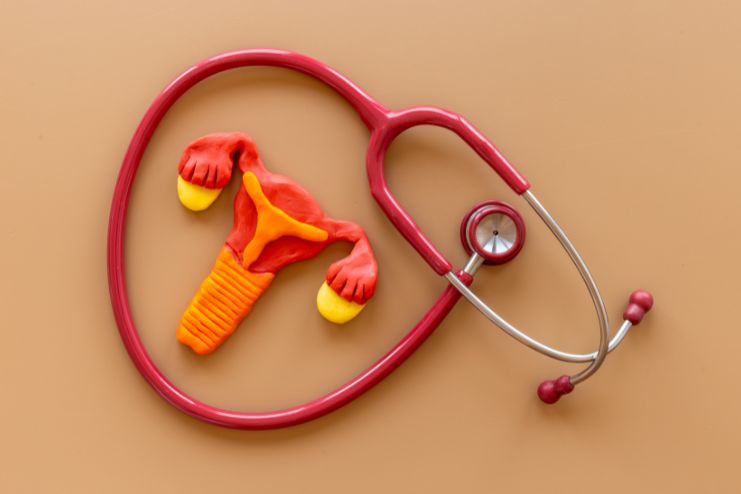
The endometrial lining is the innermost layer of the uterus, and its role in conception is vital. With each menstrual cycle, estrogen and progesterone stimulate the thickening of the uterine lining to create a nurturing environment for a fertilized egg. If conception is to occur, the embryo must implant into this soft, richly vascularized layer, a process that depends heavily on timing, hormonal balance, and uterine receptivity.
A “thin” uterine lining, generally defined as under 7 mm during the pre-ovulatory or pre-transfer phase, is often associated with reduced implantation rates, early pregnancy loss, and overall lower chances of successful conception. Most fertility specialists consider 8 mm or more to be ideal, with the best outcomes seen when the lining has a triple-line (trilaminar) pattern, indicating a receptive, well-differentiated structure on the ultrasound.
But what if you’ve been told your lining is too thin, and transfer or ovulation is just around the corner?
The question naturally arises: Can you thicken your uterine lining in just 48 hours?
The honest answer is: it depends. A dramatic transformation overnight may not be guaranteed, but many patients do see modest improvements in thickness and quality within a short window, especially when proactive, targeted strategies are employed. Whether it’s optimizing blood flow, enhancing hormonal support, or layering on complementary therapies like acupuncture or specific nutrients, there are ways to help the endometrium respond quickly when every millimeter matters.
What Causes a Thin Uterine Lining?

Before you can effectively treat a thin endometrial lining, it’s crucial to understand why it’s happening. Identifying the root cause not only helps guide immediate interventions but also informs your long-term fertility plan. Below are some of the most common (and clinically recognized) contributors:
1. Hormonal Imbalances
Estrogen is the key hormone that fuels endometrial growth in the first half of the menstrual cycle (the follicular phase). If estrogen levels are insufficient, due to ovarian insufficiency, pituitary dysfunction, or hypothalamic issues, the lining may remain too thin for successful implantation. In IVF cycles, inadequate response to stimulation protocols may also contribute.
2. Poor Uterine Blood Flow
Blood flow is the lifeline of the endometrium. It brings in oxygen, hormones, and nutrients while removing waste. Impaired circulation, often caused by chronic stress, lack of physical activity, high cortisol levels, or vascular constriction, can prevent the lining from receiving what it needs to grow and differentiate properly.
3. Uterine Damage or Scarring
A history of uterine trauma can result in physical barriers to endometrial development. This includes scarring from D&Cs, fibroid removals, cesarean sections, or pelvic infections. In some cases, the damage leads to Asherman’s syndrome, a condition where adhesions form inside the uterus, severely limiting the growth of healthy lining.
4. Medications
Certain fertility medications, especially Clomiphene citrate (Clomid), may paradoxically thicken cervical mucus while thinning the uterine lining in some women. Long-term or repeated use can desensitize estrogen receptors in the uterus, making it harder for the endometrium to respond effectively.
5. Age and Chronic Inflammation
As women age, both estrogen levels and endometrial receptivity naturally decline. Aging is also associated with reduced ovarian reserve and higher levels of oxidative stress. Meanwhile, chronic low-grade inflammation, from autoimmune issues, endometriosis, or poor gut health, can disrupt hormonal signaling and impair uterine health over time.
Identifying which of these factors is at play can help tailor your approach, whether you’re working with your fertility doctor on a treatment cycle or focusing on long-term uterine healing.
Medical Ways to Improve Uterine Lining Quickly
When time is limited, especially in the days leading up to ovulation or embryo transfer, medical intervention often offers the fastest and most reliable way to boost endometrial thickness and receptivity. These therapies are typically prescribed and monitored by fertility specialists and are tailored to your individual hormonal profile and cycle stage.
1. Estrogen Therapy (Oral or Vaginal)
Estrogen is the key hormone responsible for building a thick, healthy endometrial lining. When the lining measures below optimal levels, high-dose estradiol (usually in the form of Estrace or estradiol valerate) is commonly prescribed.
- Oral Estrogen: A standard route, though it may act more gradually. It’s often the first step in IVF preparation or for those with milder concerns.
- Vaginal Estrogen: Delivered via suppositories or tablets, this method offers faster and more localized absorption, bypassing liver metabolism. It’s often favored when quick results are needed or when oral estrogen alone hasn’t been effective.
Clinical Insight: Studies show that vaginal estrogen may lead to a more rapid and effective increase in endometrial thickness, especially in women with recurrent thin lining issues.
2. Sildenafil (Viagra) Vaginal Suppositories
Originally designed to treat erectile dysfunction, sildenafil works by dilating blood vessels, and when used vaginally, it can enhance blood flow to the uterus. Better circulation means better delivery of nutrients and hormones to the endometrial tissue, encouraging faster thickening.
- Typically used off-label in fertility medicine.
- Administered as vaginal suppositories 2–4 times daily during the follicular phase.
- Shown in several small clinical studies and case reports to improve outcomes in women with chronic thin lining.
Note: This is not a first-line treatment, but it’s becoming increasingly common in difficult or urgent cases.
3. G-CSF (Granulocyte Colony-Stimulating Factor) Intrauterine Infusion
G-CSF is a newer, investigational therapy that stimulates endometrial regeneration. It’s particularly used in women with refractory thin lining, meaning they haven’t responded to estrogen or blood flow enhancers.
- Administered directly into the uterine cavity.
- Typically used in conjunction with other therapies like estrogen or sildenafil.
- It may work by mobilizing stem cells and improving cellular repair of the endometrium.
Clinical Note: G-CSF is still considered an advanced or second-line option, but it’s showing promise in small trials and case studies, especially in IVF patients with poor lining history.
Important Reminder: All of the above medical interventions should only be used under the supervision of a reproductive endocrinologist or fertility specialist. Correct timing within your cycle and appropriate dosing are critical to their effectiveness and safety.
Natural and Lifestyle-Based Strategies

While natural methods may not trigger a dramatic 3–4 mm increase in endometrial thickness overnight, they play a crucial supportive role, especially when combined with medical treatment. Many of these strategies work by improving uterine blood flow, reducing inflammation, supporting hormonal balance, and creating a more receptive environment for implantation.
In fact, integrating lifestyle and holistic care can amplify medical results and help you feel more empowered and connected to your body during the fertility journey.
1. Boost Blood Flow to the Uterus
Good circulation is essential for nourishing the endometrial lining. It delivers oxygen and nutrients while removing cellular waste, key for healthy tissue growth.
- Gentle Movement: Activities like walking, light stretching, or restorative yoga (e.g., legs-up-the-wall, butterfly pose) help stimulate pelvic blood flow without overexerting the body.
- Warm Compresses: Applying a warm castor oil pack or heating pad to your lower abdomen for 20–30 minutes can enhance local circulation.
Note: Avoid this practice after ovulation or embryo transfer, as heat can disrupt early implantation.
- Acupuncture: A well-respected tool in integrative fertility care, acupuncture improves blood flow, modulates stress hormones, and supports ovarian function. Specific acupuncture points such as SP6, CV4, and Zigong are associated with endometrial receptivity and may promote thicker linings over time.
2. Anti-Inflammatory, Nutrient-Rich Foods
What you eat directly influences hormone production, inflammation levels, and cellular regeneration. A fertility-friendly diet nourishes the body on a cellular level and optimizes the internal environment for embryo implantation.
Focus on:
- Leafy Greens (spinach, kale): High in folate, magnesium, and antioxidants that support hormonal detox and tissue repair.
- Beets: Enhance nitric oxide production, which improves blood flow and vascular health.
- Pomegranate Juice: Traditionally used to enhance fertility, pomegranate juice may help improve endometrial thickness and blood circulation.
- Avocados and Nuts: Rich in healthy fats, Vitamin E, and L-arginine, all known to support reproductive health.
- Salmon and Chia Seeds: Packed with omega-3 fatty acids, which reduce inflammation and support hormone regulation.
Avoid: Excess caffeine, refined sugar, trans fats, and heavily processed foods, all of which can disrupt insulin sensitivity, inflame tissues, and interfere with estrogen metabolism.
3. Supplements That Support Endometrial Growth
Certain nutrients and compounds have been shown to support endometrial development, especially by enhancing circulation, cellular energy, or hormonal responsiveness.
- L-Arginine: An amino acid that boosts nitric oxide levels, helping dilate blood vessels and improve uterine perfusion. Often used in combination with Vitamin E.
- Vitamin E: When combined with estrogen therapy, Vitamin E has been linked to increased endometrial thickness and improved implantation rates.
- CoQ10 (Coenzyme Q10): Supports mitochondrial function and cellular energy, essential for both egg quality and uterine lining regeneration.
- Omega-3 Fatty Acids (DHA/EPA): Lower systemic inflammation and support hormone receptor function, improving the endometrium’s response to estrogen.
A Word of Caution: Always consult your fertility specialist before starting any supplement regimen, especially during an IVF or medicated cycle. While these nutrients are generally safe, dosages and interactions matter.
How to Track Endometrial Thickness
Monitoring your endometrial lining is a crucial part of fertility treatment and natural conception tracking. This is typically done using transvaginal ultrasound, which provides a clear and precise view of the uterus and allows fertility specialists to assess both thickness and structure.
Here’s what to keep in mind:
Ideal Thickness
An endometrial lining measuring 8 to 12 mm just before ovulation or embryo transfer is considered optimal. Thicker linings (within this range) tend to be associated with higher implantation and pregnancy success rates.
Triple-Line Pattern
Also known as the trilaminar pattern, this ultrasound finding shows three distinct lines across the endometrium. It’s considered a strong visual indicator of receptivity, as it reflects a well-organized and hormonally responsive lining.
Best Time to Measure
- Natural Cycle: Right before ovulation, usually around Day 12–14.
- IVF or FET Cycle: A few days before progesterone administration or embryo transfer, depending on your protocol.
Timing is key; measurements too early or too late in the cycle may not accurately reflect receptivity.
While thickness and pattern offer valuable insights, they’re just part of the larger picture. Endometrial receptivity also depends on factors like progesterone exposure, molecular markers, immune modulation, and timing of the implantation window. This is why some patients with thin linings still achieve successful pregnancies, and others with textbook-thick linings may not.
What Not to Do During This Period
To give your lining the best possible chance, avoid practices that counteract progress.
- No Smoking or Alcohol: Both reduce estrogen levels, impair circulation, and damage reproductive tissues.
- Avoid Excessive Exercise: While movement is beneficial, intense workouts may divert blood flow away from the uterus.
- Don’t Skip Medication: Estrogen and progesterone need to be taken exactly as prescribed.
- Avoid Unsupervised Supplements: Herbal remedies or hormone-altering products without medical oversight may do more harm than good.
Final Thoughts
Building a healthy uterine lining is a delicate balance, a symphony of hormones, blood flow, cellular health, and timing. And while 48 hours might feel like a race against the clock, meaningful progress is possible when you approach it with the right blend of intention and support.
By combining targeted medical treatments, like vaginal estrogen, sildenafil, or G-CSF, with thoughtful lifestyle choices such as anti-inflammatory nutrition, gentle movement, and circulation-enhancing techniques, you create conditions where your body can respond quickly and intelligently. This integrated approach doesn’t just build thickness, it nurtures receptivity.
But remember: progress isn’t always dramatic, and it doesn’t need to be. Even a shift from 6.5 mm to 7.5 mm can improve implantation potential. What matters most is consistency, timing, and communication with your fertility team.
Above all, know this: endometrial thickness is only part of the story. The true goal is to cultivate an inviting, receptive space, one capable of holding and nurturing new life.
References
- https://aveya.in/the-silent-symptom-what-causes-thin-endometrium-and-how-is-it-treated/
- https://www.artfertilityclinics.com/in/en/art-blog/thin-endometrium-causes-symptoms-and-treatment
- https://oasisindia.in/blog/thin-endometrium-causes-symptoms-and-treatment/
- https://kjkhospital.com/thin-uterine-lining/
- https://www.corionfertilityclinic.com/services/thin-endometrial-lining/
- https://risaaivf.com/understanding-thin-endometrium-causes-symptoms-treatment/
- https://www.scrcivf.com/how-to-improve-your-uterine-lining-to-prepare-for-ivf/
- https://www.volusonclub.net/empowered-womens-health/3-methods-for-increasing-endometrial-thickness/
- https://birdandbe.com/blogs/the-nest/how-can-i-make-my-uterine-lining-thick-and-embryo-ready-for-implantation
- https://onphospitals.com/blogs/increase-endometrial-thickness-for-ivf/
- https://www.energy.gov/eere/fuelcells/safe-use-hydrogen
- https://www.tno.nl/en/sustainable/industry/carbon-neutral-industry/clean-hydrogen-production/15-things-hydrogen/
- https://www.medicalnewstoday.com/articles/h2-blockers
- https://my.clevelandclinic.org/health/articles/h2-blockers
In this Article