












Why Knowing Ovulation Matters
When a mature egg is released from an ovary, it is referred to as ovulation. This is a very important process for understanding pregnancy. For most people, it happens around day 14 of a 28-day cycle, two weeks before their next period.
Whether you’re trying to conceive or simply tracking your cycle, knowing how to identify ovulation can be helpful. There are a few subtle signs of ovulation you can learn to recognize.
For example, the mucus in your cervix clears up and stretches out like raw egg whites. This makes it easier for sperm to move around. A mild pain or twinge may also appear in your lower belly, usually on one side. This is known as mittelschmerz.
Some other signs are sore breasts, light spots, a better sense of smell, or a sudden rise in sex drive. These signs, along with tools like ovulation predictor kits or calendar apps, can help you identify the days when you are most likely to get pregnant.
Read More: How to Track Ovulation Accurately
Physical Signs of Ovulation
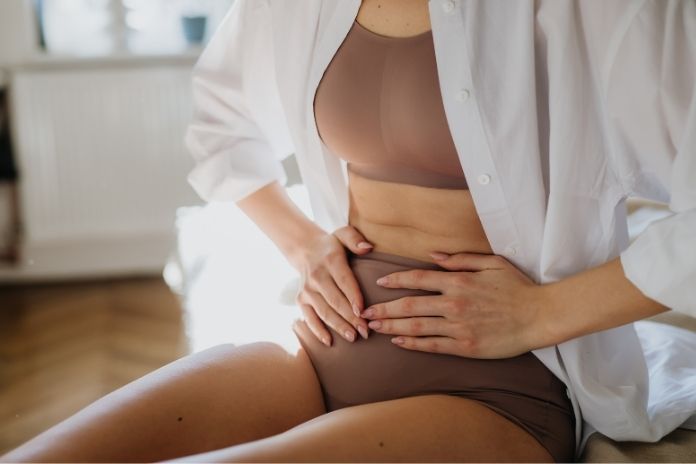
If you know how your body communicates, you can tell when you are most fertile and identify the signs of ovulation. In simple words, here are some common physical symptoms.
Cervical Mucus Changes
- Another clear sign of ovulation is a change in the ovulation discharge.
- As ovulation gets closer, your cervical mucus gets clear, slippery, and stretchy, like raw egg whites. Sperm can easily reach the egg through the cervix with the help of this fertile mucus.
- “Admittedly, ‘egg white discharge’ is kind of a weird phrase, but in medicine, we often use food analogies because they’re common and familiar to patients,” says Jenna Beckham, obstetrician, gynecologist, and family planning specialist, WakeMed Health and Hospitals, Planned Parenthood South Atlantic, North Carolina, US.
- Cervical fluid that is thicker, sticky, or creamy, such as in the days surrounding ovulation, is less favorable for sperm movement.
- You can get a better idea of when you are fertile by checking your cervical mucus every day.
Basal Body Temperature (BBT) Ovulation
- Your basal body temperature is the coolest point on your body. It is generally measured right after you wake up.
- When a woman ovulates, her progesterone levels rise, which causes her body temperature to rise by about 0.5°F (0.3°C).
- Rather than predicting ovulation, BBT is most reliable for confirming it after it occurs.
- Keeping track of your temperature every day for a few months can help you figure out the pattern of your cycle.
Ovulation Pain (Mittelschmerz)
- Some women feel minor cramps or a sharp twinge on one side of their lower abdomen during ovulation. This is called ovulation pain.
- Mostly, this pain, called mittelschmerz, lasts from a few minutes to a few hours.
- When the ovary releases an egg, it can happen on either side. Each month, the side that releases the egg may change.
- “Around ovulation, your cervix softens a little and opens up slightly to make way for sperm”, says Jessica Shepherd, M.D., an assistant professor of clinical obstetrics and gynecology and director of Minimally Invasive Gynecology at The University of Illinois College of Medicine at Chicago.
Breast/Nipple Tenderness
- After ovulation, changes in hormones can make the breasts or nipples feel painful or sore for a short time.
- This is because progesterone and estrogen levels rise after the release of the egg.
- Most often, the pain fades when your period starts or shortly afterward.
Light Spotting
- Not all women notice ovulation spotting, which is light bleeding or discharge with a pink or brown tint around the time of ovulation.
- This happens due to rapid changes in hormones or because the follicle releases the egg.
- Most of the time, it is lighter than a normal period and stops quickly.
Putting It All Together
To better understand your body’s ovulation signs, pay attention to ovulation discharge, ovulation spotting, changes in core temperature, cramps, and sore breasts. For more accurate cycle tracking, many women find it helpful to use more than one way, such as checking cervical mucus and keeping track of BBT.
These signs can help you figure out your fertile window and take care of your reproductive health naturally, whether you are trying to get pregnant or want to avoid getting pregnant.
Read More: Is it Normal to Feel Depressed Before Ovulation?
Behavioral and Hormonal Clues
Your body gives you vital ovulation signs through hormones and changes in your behavior, as well as through changes in your body, like cervical mucus and spotting.
In the days before you ovulate, these signs often show up that can help you figure out when you are most fertile.
Increased Libido
- When women ovulate, typically around the middle of their cycle, they often experience an increase in libido.
- This doesn’t happen by chance; your body is most fertile when the egg is released, and higher amounts of estrogen and testosterone are a big reason why you want to have sex more.
- Some people see this rise in libido as the strongest sign that ovulation is starting, while others may only notice a small change.
Heightened Senses
- Some studies show that when a woman ovulates, her senses, especially her smell and taste, become more acute.
- If you have a better sense of smell, you may be more sensitive to some smells, like pheromones, which can change how attractive you feel at this time.
- Some women may also notice a small change in their tastes, though this varies from person to person.
- Changes like these occur due to hormonal fluctuations that peak just before egg release.
Mood and Energy Boost
- The rise in estrogen levels before ovulation can make you feel better and give you more energy.
- Around mid-cycle, a lot of women feel happier, more confident, and more driven. They may even say this is when they feel like their “best selves.”
- This boost in happiness can also have an effect on relationships, social activities, and even work, which makes it a subtle but important sign of ovulation.
If you pay attention to these ovulation signs, like having more energy and a higher libido, you can get a better idea of when you are most likely to get pregnant.
Read More: Top Tools and Methods for Conception
Tracking Ovulation With Tools
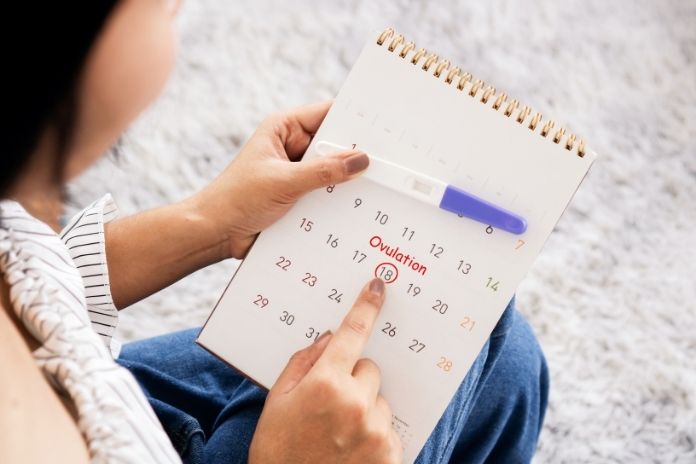
If you want to conceive or simply understand your cycle better, there are several modern tools that can help you track ovulation accurately. Along with noticing fertile window signs like cervical mucus changes, these methods give a clearer idea of when you are most likely to ovulate.
Ovulation Predictor Kits (OPKs)
- Ovulation Predictor Kits (OPKs) detect the luteinizing hormone (LH) surge in urine.
- When LH levels rise, it usually means ovulation will happen within 24-36 hours.
- These kits are simple to use, widely available, and especially helpful if your cycle length varies.
- By confirming the hormonal changes leading up to ovulation, OPKs make it easier to identify your fertile days.
Fertility Apps and Charting
- Fertility apps like Flo combine multiple tracking methods, such as cervical mucus changes, basal body temperature (BBT), and OPK results, to give more accurate predictions of your fertile window signs.
- Entering daily symptoms and test results helps the app analyze patterns across several cycles.
- This makes it easier to know when you are approaching ovulation and to plan for conception.
- For those who prefer a manual method, charting your cycle on paper is another option, though apps offer added convenience and reminders.
At-Home Hormone Tests
- At-home hormone tests, such as progesterone strips or advanced fertility monitors, give deeper insights into your cycle.
- Progesterone tests can confirm that ovulation has already happened, while fertility monitors track multiple hormones for more accuracy.
- These tools are optional but can be useful for women with irregular cycles or those who have been trying to conceive for a long time.
Combining OPKs, fertility apps, and optional hormone tests with awareness of fertile window signs, like cervical mucus changes, provides a more complete picture of your cycle.
While no method guarantees perfect accuracy, using these tools together helps you better understand your body’s rhythms and improves your chances of planning conception successfully.
Read More: How Soon Can You Get Pregnant After a Miscarriage?
When to Expect Ovulation
Knowing when ovulation usually happens during your cycle can help you get a better idea of when you’re most likely to get pregnant. Let’s look at a simple breakdown:
Generally occurs ~14 days before the next period
From the first day of your period to the end of your 28-day cycle, ovulation generally happens around day 14. According to an NHS study, this is the best time when you are most likely torelease an egg and become fertile.
Variations in cycle length = variation in timing
The 28-day plan doesn’t work for everyone. Others have cycles that last up to 35 days, while others have ones that last only 21 days. According to a study, this means that ovulation can happen earlier or later based on the length of your cycle.
Irregular cycles → more difficult, tracking is essential
Sometimes it’s hard to tell when you’ll ovulate when your cycle changes from month to month. Tracking tools and physical signs are useful in these situations. With the LH surge test, for instance, you can find the rise in luteinizing hormone that happens 24 to 36 hours before you ovulate.
You can also know about your fertile window by keeping an eye on the changes in your basal body temperature or the type of cervical mucus you’re producing (for example, clear, stretchy discharge).
Read More: Why Period Pain Gets Worse with Age?
When Ovulation Signs May Be Absent or Irregular
Some women have a hard time noticing ovulation signs like changes in cervical mucus or light cramping. Many factors can temporarily or permanently stop or delay ovulation.
A lot of women also get confused over ovulation symptoms vs PMS signs because both can include mood swings, light cramps, or sore breasts. The best way to tell them apart is to know when they happen in your cycle.
Common Conditions That Affect Ovulation
Polycystic ovary syndrome (PCOS), thyroid problems, high stress, and perimenopause (the stage before menopause) are all health problems that can throw off hormone rhythms. This can make ovulation cycles irregular or prevent them altogether, making it harder to predict fertile days.
Impact of Medications
Some medicines can hide signs of a healthy window. Birth control pills, for instance, are made to stop ovulation completely, while some antidepressants, like SSRIs, may affect hormonal balance or the frequency of your periods subtly.
Lifestyle and Other Factors
The hormonal cues needed for ovulation can also be messed up by sudden weight changes, eating disorders, too much exercise, or long-term illnesses.
When to Seek Medical Advice
If your cycle is very inconsistent, you haven’t had a period in months, or your LH surge test never comes back positive, you might want to see a doctor. If the goal is to get pregnant, fertility specialists can do hormone tests, ultrasounds, or talk to you about treatment choices to get your ovulation back to normal.
Early Evaluation Matters
If you’ve been trying to get pregnant for a year without luck (or six months if you’re over 35), you should see a doctor right away. Finding underlying problems early on makes it more likely to find a quicker solution.
Read More: Why Am I Getting Two Periods in a Month?
Conclusion: Listening to Your Body’s Fertility Signals

The process of recognizing ovulation indicators can initially seem overwhelming, but with awareness of what to look for, your body will provide clear signs. At times when you are most fertile, you may experience subtle changes such as the texture of your cervical mucus, mild cramping, or even a little temperature rise.
To confirm your viable window with greater precision, consider combining these signals with other resources, such as ovulation predictor kits or fertility apps.
Whether you are attempting to conceive or simply want to be aware of your reproductive health, you can better understand your cycle by integrating physical, behavioral, and tracking measures.
When you grow more familiar with the rhythm that is specific to your body, it becomes simpler to notice patterns and to recognize when something does not feel quite right. Seek the advice of a healthcare provider if you notice that your period is not regular or if you are not experiencing any symptoms.
The first step toward taking ownership of your fertility journey is to begin paying attention to the signs that your body is sending you.
References
- https://www.thebump.com/a/ovulation-symptoms-signs-of-ovulation
- https://www.betterhealth.vic.gov.au/health/conditionsandtreatments/ovulation
- https://my.clevelandclinic.org/health/articles/23439-ovulation
- https://www.cocoon.co.in/blogs/10-signs-your-body-gives-when-you-are-ovulating
- https://www.babycenter.com/getting-pregnant/ovulation/ovulation-symptoms-how-can-i-tell-when-im-ovulating_484
- https://craftivf.com/en/articles/important-physical-signs-that-you-are-fertile
- https://proactiveforher.com/blogs/fertility/exploring-ovulation-signs-and-methods-of-tracking/
- https://www.whattoexpect.com/getting-pregnant/fertility/five-ways-to-tell-you-are-ovulating.aspx
- https://www.starhealth.in/symptoms/ovulation-symptoms/
- https://flo.health/
- https://www.motherhoodindia.com/ovulation-calculator/
- https://www.hopkinsmedicine.org/health/wellness-and-prevention/calculating-your-monthly-fertility-window
- https://www.fcionline.com/article/am-i-ovulating-signs/
- https://www.pregnancybirthbaby.org.au/ovulation-and-fertility
- https://www.nhs.uk/conditions/periods/fertility-in-the-menstrual-cycle/
- https://www.mayoclinic.org/diseases-conditions/female-infertility/symptoms-causes/syc-20354308
- https://my.clevelandclinic.org/health/diseases/21698-anovulation
- https://proovtest.com/blogs/blog/how-to-know-when-youre-ovulating
In this Article