















You step outside, and the air smells heavy. Your eyes sting. By evening, your throat feels irritated, and you’re unusually tired. If you live in a large city, this probably feels familiar. And it often leads to one question: how do you actually strengthen immunity when the air you breathe works against you every day?
Living in polluted urban environments exposes your body to a constant stream of airborne toxins. Over time, this weakens respiratory defenses, fuels inflammation, and makes infections more likely. The good news is this: while you can’t eliminate pollution exposure completely, you can dramatically improve how your immune system responds to it.
This article explains how pollution affects immune health and outlines practical, science-backed ways to protect your lungs, reduce inflammation, and boost your immune system’s resilience to pollution through daily habits, nutrition, lifestyle changes, and targeted medical guidance.
Why Urban Pollution Challenges Your Immune System
Cities expose residents to higher levels of air pollutants, including:
- 5 and PM10 (fine and coarse particulate matter).
- Nitrogen dioxide from traffic emissions.
- Ground-level ozone.
- Sulfur dioxide and other industrial byproducts.
These particles are small enough to enter the lungs and, in some cases, the bloodstream.
According to the World Health Organization, long-term exposure to urban air pollution is linked to higher risks of respiratory infections, chronic lung disease, heart disease, stroke, and other serious health outcomes. Evidence also suggests that pollutants affect immune defenses by causing inflammation and oxidative stress throughout the body. This is why immunity in polluted cities requires more focused attention than in cleaner environments.
Pollution doesn’t just irritate your lungs. It creates chronic stress inside the body. That stress slowly chips away at immune function, especially if lifestyle habits don’t compensate for it.
The encouraging part is that daily choices, nutrition, and environmental upgrades can significantly strengthen your immune system, even in polluted settings.
How Pollution Affects Your Immune System
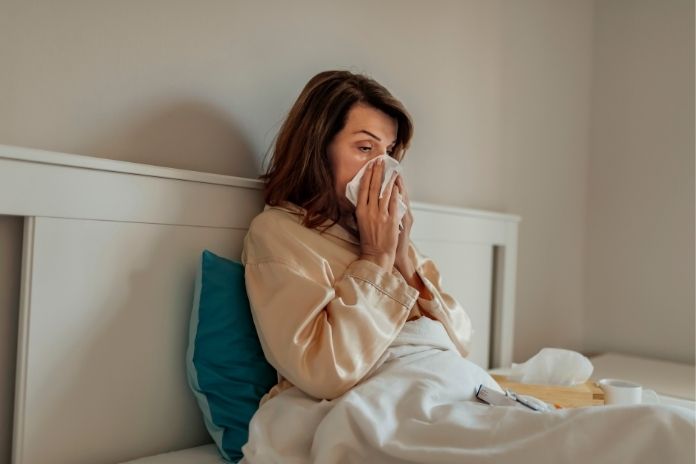
Air pollution isn’t just an environmental nuisance; it has direct effects on how your body defends itself. Understanding these mechanisms explains why certain habits, like nutrition, sleep, and air protection, can make a real difference in maintaining immune resilience.
Chronic Inflammation
When pollutants enter the lungs, your immune system reacts as though under constant attack. Over time, this creates low-grade, ongoing inflammation. Chronic inflammation:
- Diverts immune resources from fighting infections.
- Reduces immune precision, slowing responses to viruses and bacteria.
Harvard Health Publishing explains that chronic, low-grade inflammation keeps the body’s immune system in a constant state of alert, which, over time, can impair immune efficiency and make the body more vulnerable to illness and chronic disease.
Persistent inflammatory processes are linked with a host of health problems, from cardiovascular disease to metabolic disorders, because the immune system never fully resets, and healthy tissues remain under stress.
Oxidative Stress
Polluted air increases free radical production, unstable molecules that damage cells, proteins, and DNA. When your body’s antioxidant reserves are depleted, immune cells cannot function optimally. This is why a diet rich in antioxidants, such as fruits, vegetables, and polyphenol-rich foods, is particularly beneficial for those living in polluted areas.
Reduced Lung Defense Mechanisms
The lungs’ natural defenses, mucus, cilia, and immune cells, trap and remove pathogens. Pollution impairs this system by:
- Irritating airway linings.
- Thickening mucus, making it harder to clear.
- Slowing ciliary movement that sweeps out pathogens.
The Cleveland Clinic notes that poor air quality and airborne pollutants irritate the lungs and can inflame airway tissues, even in otherwise healthy people, increasing vulnerability to respiratory symptoms and infections because the pollutant-driven inflammation weakens respiratory defenses.
This underlying irritation and compromised lung function make it easier for viruses and bacteria to take hold and cause illness in people who might otherwise stay well.
Disrupted Sleep and Stress Response
Air pollution also impacts sleep quality. Nighttime exposure can reduce oxygen exchange and increase awakenings. Poor sleep elevates cortisol, a stress hormone that suppresses immunity and weakens immune signaling, making it harder to fight off infections.
By understanding how pollution undermines immunity, you can target habits that truly matter, like reducing exposure, improving sleep, managing stress, and supporting your body with proper nutrition, rather than relying on temporary fixes.
Read More: 7 Ways to Protect Yourself From Indoor Pollution: A Survival Guide for Healthy Living
Daily Habits to Protect Your Immunity in Polluted Cities
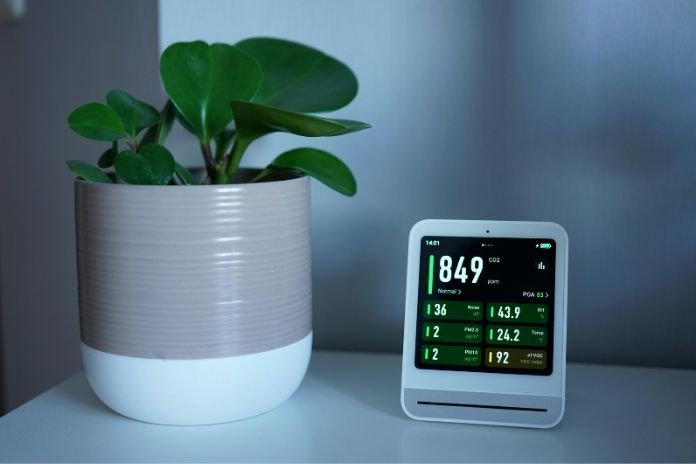
Living in a polluted city puts extra stress on your immune system, but consistent, practical habits can make a big difference. Focus on reducing exposure, supporting lung and nasal health, and keeping your body resilient.
Check the Air Quality Index (AQI)
- Avoid outdoor exercise when pollution spikes.
- Keep windows and doors closed during high-AQI hours.
- Schedule indoor workouts or errands.
Monitoring AQI helps you plan and minimize unnecessary exposure.
Wear a High-Quality Mask Outdoors
- N95 or KN95 masks effectively filter fine particles.
- Use masks while commuting, in traffic-heavy areas, or on smoggy days.
Masks are one of the simplest ways to reduce lung exposure.
Keep Indoor Air Clean
- Use HEPA air purifiers in key living spaces.
- Close windows during peak pollution.
- Use a HEPA-equipped vacuum to reduce dust and particulates.
Mechanical filtration is far more effective than relying on indoor plants alone.
Protect Your Airways
- Saline nasal rinses flush out pollutants and reduce inflammation.
- Hydrate frequently to keep mucous membranes moist and functional.
- Warm fluids like ginger or basil tea soothe airways naturally.
Support Your Body Internally
- Eat antioxidant-rich foods like berries, leafy greens, and nuts.
- Include omega-3 sources (fatty fish, flaxseed) to counter inflammation.
- Maintain adequate protein intake to support immune cells.
Prioritize Sleep and Stress Management
- Use purifiers and keep your bedroom clean for better sleep.
- Keep sleep spaces dark and cool to improve rest.
- Manage stress with meditation, breathing exercises, or light movement.
Good sleep and stress management strengthen immunity and reduce inflammation caused by pollutants.
Nutrition: Foods That Strengthen Immunity in Polluted Cities

While no food can fully block the effects of pollution, the right diet helps your body repair damage and maintain immune resilience. Target nutrients that support antioxidant defenses, reduce inflammation, and enhance overall immunity.
Focus on Antioxidant-Rich Foods
Pollutants generate free radicals that damage cells, proteins, and DNA. Antioxidants neutralize these molecules and reduce oxidative stress, protecting immune function. Include:
- Berries: Blueberries, strawberries, and raspberries are packed with vitamin C and polyphenols.
- Citrus Fruits: Oranges, lemons, and grapefruits provide vitamin C, a key immune-supporting nutrient.
- Tomatoes: Rich in lycopene, which fights oxidative damage.
- Leafy Greens: Spinach, kale, and Swiss chard supply vitamins A, C, and E.
- Cruciferous Vegetables: Broccoli, cauliflower, and Brussels sprouts contain sulforaphane, a compound that enhances detoxification pathways.
- Carrots and Orange Vegetables: High in beta-carotene, which supports mucosal immunity.
According to Nicole Hopsecger, RD, LD, of the Cleveland Clinic, “Antioxidants are naturally occurring chemicals in foods that can serve as a defense against free radicals. Free radicals are normal byproducts of metabolism that occur in our bodies or can be a result of environmental factors, like air contamination and smoke. The primary benefit of antioxidants is their ability to safely react with free radicals before damage can be done on a cellular level.”
Include Immune-Supporting Micronutrients
Pollution increases the burden on your immune system. Vitamins and minerals that help include:
- Vitamin D: Supports immune signaling; found in fortified foods, fatty fish, and sunlight exposure.
- Zinc: Critical for immune cell development; found in pumpkin seeds, legumes, and nuts.
- Selenium: Protects against oxidative stress; present in Brazil nuts, seafood, and whole grains.
Balance with Anti-Inflammatory Foods
Chronic exposure to pollution can trigger low-grade inflammation. Combat this with:
- Fatty Fish: Salmon, mackerel, and sardines provide omega-3s.
- Olive Oil and Avocado: Healthy monounsaturated fats that reduce inflammation.
- Herbs and Spices: Turmeric, ginger, and garlic contain anti-inflammatory compounds.
Read More: How to Build an Anti-Inflammatory Morning Routine
Hydration Matters
Adequate water intake helps flush inhaled pollutants and supports mucosal barriers in the respiratory tract. Herbal teas like basil or ginger also provide mild antioxidant benefits while soothing the airways.
Bottom Line: A diet rich in colorful fruits, vegetables, healthy fats, and essential micronutrients equips your body to handle the stress of urban pollution.
According to NIH-linked research and reviews, dietary antioxidants help protect immune cells from oxidative damage caused by reactive oxygen species, including those generated by environmental toxins, and contribute to better immune function.
Support Lung Health Specifically

Certain foods provide targeted support for the lungs, helping them cope with the added stress of pollution and environmental toxins. While these foods aren’t a cure, they enhance your respiratory defenses and overall immune function.
- Garlic and Onions: Rich in sulfur compounds and flavonoids, these vegetables support immune signaling and may reduce inflammation in the airways. Regular consumption can help the respiratory tract respond more efficiently to pollutants.
- Green Tea: Contains catechins, potent antioxidants that reduce oxidative stress in lung tissue. Studies suggest that catechins may help maintain lung cell integrity and support healthy immune responses in the respiratory system.
- Basil: Traditionally used in Ayurvedic medicine, and contains compounds that support respiratory resilience. It may help soothe airway irritation and enhance the body’s natural defense mechanisms.
- Other Supportive Foods: Incorporating foods like ginger, turmeric, and berries adds additional antioxidant and anti-inflammatory benefits that indirectly protect lung tissue.
Focusing on lung-supportive foods, alongside hydration and pollution-reducing habits, gives your respiratory system extra resilience. Over time, these dietary choices complement lifestyle measures, helping the lungs manage pollutants more effectively and maintain overall respiratory health.
Foods That Support Natural Detox Pathways
Supporting the body’s natural detoxification isn’t about trendy cleanses; it’s about giving your liver, kidneys, and cellular systems the nutrients they need to handle environmental stress effectively. Certain foods enhance the activity of detoxifying enzymes, promote antioxidant defenses, and support healthy elimination of toxins.
- Beetroot: Contains betalains and antioxidants that support liver function and help neutralize oxidative stress from pollutants. Beets also improve bile flow, which assists in processing and removing toxins.
- Lemon Water: Provides vitamin C, a key antioxidant that supports liver detox enzymes and helps reduce oxidative damage. Starting the day with warm lemon water can also aid digestion and hydration.
- Cruciferous Vegetables: Broccoli, kale, cabbage, and cauliflower are rich in compounds like glucosinolates, which enhance phase II liver detoxification enzymes. These vegetables help the body process environmental toxins more efficiently and support overall cellular health.
- Additional Supportive Options: Foods such as garlic, onions, turmeric, and green leafy vegetables provide further antioxidant and liver-supportive nutrients, helping the body manage the cumulative effects of pollution over time.
Incorporating these foods consistently helps strengthen your body’s natural detox systems, making it better equipped to process pollutants and maintain long-term health. This approach complements other protective habits, such as clean air strategies, hydration, and antioxidant-rich nutrition.
Read More: 9 Best Foods for Detoxification Backed by Science
Foods to Limit in Polluted Cities
While certain foods can help your body handle pollution, others can make it harder for your immune system to cope. Diets high in refined sugars, processed ingredients, and excess alcohol increase inflammation and oxidative stress, which can compound the damage caused by environmental pollutants.
Over time, this reduces immune efficiency and leaves the body more vulnerable to respiratory irritation, infections, and chronic health issues.
- Ultra-Processed Foods: Packaged snacks, ready-to-eat meals, and heavily processed items often contain additives, refined oils, and preservatives that promote inflammation. Frequent consumption can strain the liver and gut, limiting your body’s ability to handle pollution effectively.
- High-Sugar Meals: Excess sugar spikes blood glucose and triggers inflammatory pathways. It also impairs white blood cell function, which is key for fighting infections and neutralizing oxidative damage caused by airborne pollutants.
- Excess Alcohol: Alcohol depletes antioxidants, impairs liver detoxification, and disrupts gut and immune function. Even moderate intake can weaken resilience when combined with chronic exposure to pollution.
Reducing these pro-inflammatory foods is as essential as including antioxidant-rich and lung-supportive foods. Minimizing dietary stressors helps your body maintain balanced immune function and strengthens its ability to cope with pollution over the long term.
Supplements That May Support Immunity in Polluted Environments

While a balanced diet and healthy habits form the foundation of immune resilience, certain supplements can provide additional support, especially when exposure to pollution is high. These nutrients help reduce oxidative stress, support lung function, and enhance immune defense. However, supplements are not a replacement for good nutrition and lifestyle habits, and they should always be taken under medical guidance.
- Vitamin C and Vitamin E: Potent antioxidants that protect cells from oxidative damage caused by pollutants. Clinical studies indicate they support immune function and reduce inflammation.
- Omega-3 Fatty Acids: Help modulate systemic inflammation and support respiratory health. Evidence suggests they may reduce pollution-related inflammatory stress.
- Vitamin D: Many city dwellers are deficient due to limited sunlight. Vitamin D enhances immune regulation and helps defend against infections.
- N-Acetylcysteine (NAC): Supports glutathione production, a critical antioxidant in lung tissue, helping to combat oxidative damage from airborne pollutants.
- Zinc: Essential for immune cell development and antiviral defense. Should be taken with caution and under professional supervision.
Key Reminder: Supplements should complement, not replace, a nutrient-rich diet, regular hydration, and protective lifestyle practices. Always consult a healthcare professional before starting any new supplement, particularly if you have underlying health conditions.
Lifestyle Changes That Support Immunity in Polluted Environments
Daily habits play a major role in how well your body copes with pollution-induced stress. Prioritizing sleep, managing stress, exercising wisely, and avoiding harmful substances all help keep your immune system resilient. Simple, consistent actions often matter more than dramatic interventions.
- Prioritize High-Quality Sleep: Sleep is crucial for immune repair and regeneration. Using air purifiers in the bedroom can reduce pollutant exposure and improve sleep quality. The Mayo Clinic notes that chronic sleep disruption significantly weakens immune function.
- Exercise Smart, Not Blindly: Regular physical activity strengthens immunity, but outdoor pollution requires caution. Exercise indoors on high-AQI days, choose early mornings for outdoor activity, and avoid traffic-heavy routes. Moderate, consistent exercise is better than intense workouts in polluted air.
- Manage Stress Intentionally: Chronic stress increases inflammation and suppresses immunity. Practices like yoga, meditation, and controlled breathing help lower cortisol and maintain immune balance.
- Avoid Smoking and Vaping Completely: Tobacco products amplify pollution-related damage. The CDC highlights that combined exposure greatly increases risks to respiratory and immune health.
Key Reminder: Lifestyle adjustments are the foundation of immune resilience in polluted cities. Combining sleep, exercise, stress management, and smoke avoidance provides the strongest defense against environmental stressors.
Protecting Children, Older Adults, and Sensitive Groups
Some populations are more vulnerable to pollution and need extra precautions to safeguard their immune and respiratory health. Children inhale more air per body weight, increasing exposure. Older adults and those with asthma, COPD, or other chronic conditions have reduced respiratory reserves, making even moderate pollution more harmful.
- Purified Bedrooms: Use HEPA air purifiers to reduce indoor particulate exposure, especially while sleeping.
- Masking During Commutes: N95 or KN95 masks help filter fine particles when traveling in traffic-heavy or polluted areas.
- Indoor Activities on High-Pollution Days: Limit outdoor play or exercise during periods of poor air quality.
The World Health Organization emphasizes that vulnerable groups require stricter precautions to minimize pollution-related health risks. Consistent protective measures can greatly reduce exposure and support long-term immunity.
When Pollution-Related Symptoms Mean You Should See a Doctor
Living in a polluted environment often produces mild, manageable symptoms, but some signs indicate that your body may be struggling to cope. Persistent or worsening issues should prompt medical evaluation to prevent long-term complications and ensure proper treatment.
- Chronic Cough: Lasting more than a few weeks, not linked to a cold.
- Shortness of Breath: Especially during minimal exertion.
- Wheezing: May indicate airway inflammation or asthma exacerbation.
- Morning Headaches: Can be linked to poor air quality during sleep.
- Recurrent Respiratory Infections: Frequent colds, bronchitis, or pneumonia.
- Persistent Fatigue: Feeling unusually tired despite adequate rest.
- Skin Irritation or Allergy Flare-Ups: Rashes or exacerbated eczema linked to airborne pollutants.
Timely evaluation helps identify whether symptoms are pollution-related or indicate an underlying respiratory or immune condition.
Conclusion
Living in a polluted city undeniably places extra stress on your immune system, but it doesn’t mean you’re defenseless. The combination of smart nutrition, regular physical activity, quality sleep, and stress management can significantly bolster your body’s resilience.
Using practical tools such as air purifiers, masks during periods of high pollution, and careful planning for outdoor activities adds another layer of protection. Even minor adjustments, such as eating antioxidant-rich foods or staying hydrated, can make a measurable difference over time.
Medical guidance also plays a key role. Routine check-ups, vaccinations, and prompt attention to respiratory or immune-related issues help you stay ahead of potential health complications.
Ultimately, the goal isn’t perfection; it’s consistent, sustainable habits. Daily choices, practiced reliably, create a robust defense that allows you to live well, even amidst the invisible challenges of urban air pollution.
References
- Kent RO Systems Ltd. (n.d.). How does air pollution affect our immune system?
- Glencross, D. A., Ho, T. R., Camiña, N., Hawrylowicz, C. M., & Pfeffer, P. E. (2020).
- Airly. (n.d.). Air pollution and its effects on the immune system.
- European Environment Agency. (n.d.). How air pollution affects our health.
- Eureka Forbes. (n.d.). What impact does air pollution have on our immune system?
- Vedantu. (n.d.). Effects of pollution on human health.
- Zhang, X., et al. (2022). Impact of air pollution on immune system and inflammation.
- Liu, Y., et al. (2022). Air pollution exposure and immune dysregulation.
- ParentCircle. (n.d.). How pollution affects immunity in children.
- Frontiers in Public Health. (2024). Air pollution exposure and immune system responses.
- World Health Organization. (n.d.). Health impacts of air pollution.
- UNICEF. (n.d.). Air pollution and child health.
- Kim, K. H., Kabir, E., & Kabir, S. (2021).
- Tata 1mg. (n.d.). How air pollution is harming your health.
In this Article