














Starting (or restarting) a fitness journey can feel intimidating, especially if you’re out of shape, haven’t exercised in a long time, or have never stepped foot in a gym. You might be battling self-doubt, comparing yourself to others, or unsure where to even begin. But here’s the truth: everyone starts somewhere, and there’s no shame in being a beginner.
The great news? Your body is resilient, adaptable, and ready to change, no matter your age, weight, or past habits. The key is starting smart, staying consistent, and setting goals that match where you are right now, not where you think you “should” be.
This guide will help you take that all-important first step with confidence. You’ll learn how to set realistic, sustainable fitness goals, explore beginner-friendly workouts, find low-impact options that are easy on your joints, and avoid common mistakes that lead to burnout or injury. Whether your goal is to boost energy, lose weight, improve your health, or just feel stronger and more in control of your body, this is your starting line.
Let’s begin, one step, one rep, one day at a time.
Setting Realistic Fitness Goals for Beginners
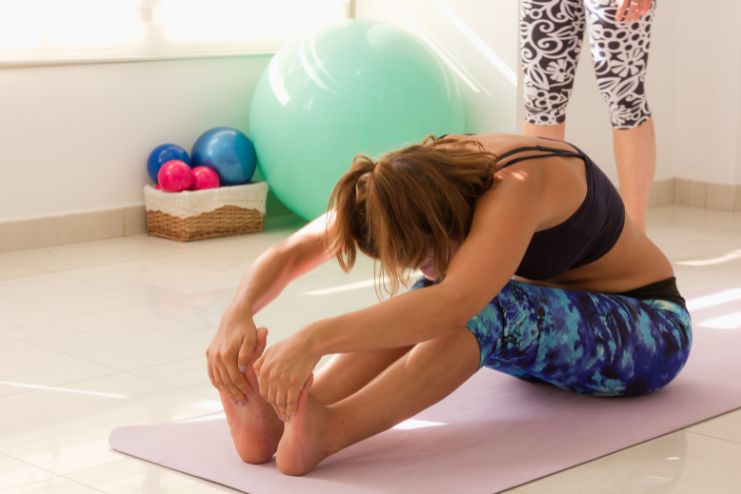
Before jumping into workouts, one of the most important steps is setting realistic goals. It’s easy to get caught up in excitement and aim too high too fast, but when you’re just starting out, the goal isn’t perfection or intensity. It’s consistency, sustainability, and building momentum. The right goals will keep you motivated, reduce the risk of burnout or injury, and help you build a habit that lasts.
Use the SMART Goal Framework
SMART goals aren’t just a corporate buzzword; they’re one of the most effective tools for beginners to stay focused and measure progress. Here’s what it means:
- Specific – Your goal should be clear and precise. Instead of saying “I want to get in shape,” say, “I’ll walk for 20 minutes on Mondays, Wednesdays, and Fridays.”
- Measurable – Track something you can count: minutes, repetitions, sessions per week, etc. This makes it easier to see progress and stay motivated.
- Achievable – Be honest about where you’re starting. A goal that pushes you just a little is far more effective than one that’s unrealistic.
- Relevant – Tie your goals to something meaningful. Maybe it’s about improving energy, reducing stress, or keeping up with your kids, not just losing weight.
- Time-bound – Set a deadline to check in on your progress. A timeframe, like four weeks, keeps your efforts focused and purposeful.
Examples of Realistic First-Month Goals
Your goals don’t need to be dramatic to be effective. In fact, small wins early on build confidence and consistency. Here are a few great beginner-friendly goals:
- Walk for 15–20 minutes, three times a week.
- Do 10 bodyweight squats daily in Week 1, and add five more each week.
- Complete a 10-minute beginner yoga or mobility video twice per week.
- Climb stairs instead of taking the elevator once per day for the first week.
- Stretch before bed for 5 minutes, three times a week.
These goals might seem simple, but they help create a routine and reduce the mental barriers that often come with starting from scratch.
Common Goal-Setting Mistakes to Avoid
Even with the best intentions, beginners sometimes fall into goal-setting traps. Here are some to steer clear of:
- Setting vague goals like “I want to get fit” without a specific action plan or timeline.
- Comparing yourself to others, especially on social media. Everyone’s starting point, body, and progress are different.
- Expecting instant results. Real, lasting change is gradual; celebrate the journey, not just the end.
- Ignoring your small wins. Did you show up for a walk even when you didn’t feel like it? That matters. Progress isn’t just physical, it’s mental and emotional, too.
Best Beginner Exercises When You’re Out of Shape
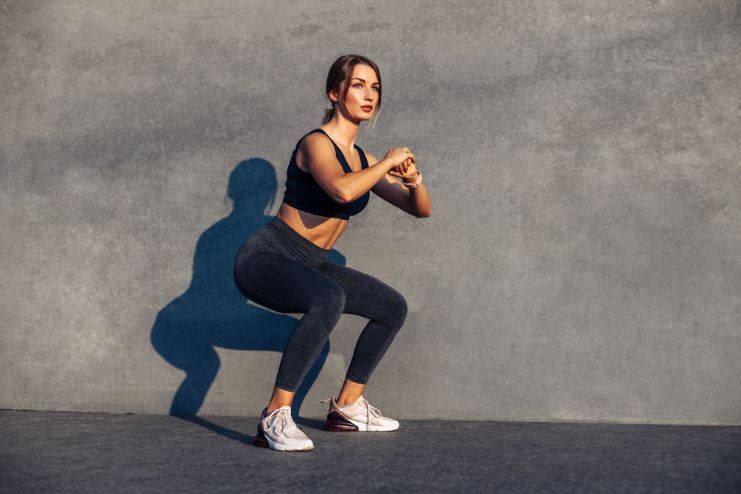
If you’re starting from scratch or returning after a long break, the key is to start small, go slow, and stay consistent. The goal isn’t to push yourself to the limit on day one; it’s to build a solid foundation and avoid injury or burnout.
The best exercises for beginners are those that use your body weight, improve balance and mobility, and gently raise your heart rate without overwhelming you.
Bodyweight Exercises
Bodyweight exercises are a safe, effective way to build strength and stability using nothing but your own body. Start with low-intensity versions of basic movements:
- Squats (Sit-to-Stand): Stand in front of a sturdy chair. Lower yourself as if you’re about to sit, then press through your heels to stand back up. Great for building leg strength and mobility.
- Modified Push-ups: Try wall push-ups or knee push-ups to build upper body strength without stressing your joints.
- Incline Planks: Use a wall or bench to hold a plank position at an incline. This engages your core while reducing strain.
- Glute Bridges: Lie on your back, bend your knees, and lift your hips off the floor to activate your glutes and lower back.
Start with 8–10 repetitions of each exercise and focus on quality over quantity. Rest when needed and gradually build up as your body adjusts.
The Benefits of Walking
Walking is often underestimated, but it’s one of the best and most accessible forms of exercise, especially for beginners.
- It’s low-impact, reducing strain on your joints.
- It improves cardiovascular fitness and supports heart health.
- It boosts your mood and energy levels, especially when done outdoors.
- It requires no equipment and can be done almost anywhere.
Start with 10–20 minutes at a comfortable pace, 3–5 times per week. Gradually increase your time by 5-minute increments weekly as it becomes easier.
In a study published in JAMA Internal Medicine (2019), researchers analyzed data from over 18,000 women and found that walking as few as 4,400 steps per day was associated with significantly lower mortality rates, and benefits increased with step count up to around 7,500 steps per day.
The study highlighted that even modest walking routines improve longevity, cardiovascular health, and functional capacity, making it a powerful form of low-impact exercise.
Chair Exercises for Limited Mobility
If standing or balance is a challenge, chair exercises allow you to stay active safely. They’re especially helpful for older adults or those recovering from illness or injury.
- Seated Leg Lifts: Sit upright, lift one leg at a time to strengthen thighs and improve mobility.
- Seated Marches: Lift one knee at a time in a marching motion to build coordination and circulation.
- Seated Arm Circles: Extend arms out and make small circles to increase shoulder mobility and upper body strength.
These moves can be done in short intervals, starting with 5–10 minutes and building from there.
Form First: The Basics of Safe Movement
Proper form is more important than speed or repetition count. Practicing good technique protects you from injury and builds lasting strength.
- Move slowly and with control; don’t rush through reps.
- Align knees over ankles during squats to protect your joints.
- Avoid locking your elbows or knees at full extension.
- Engage your core by gently tightening your abdominal muscles during each movement.
- Breathe steadily, inhale during the easier phase, and exhale during the exertion phase.
If you’re unsure about form, beginner-friendly videos or virtual trainers can be a great resource to guide you visually.
Read More: Daily Workout Routine For Beginners
How to Create Your First Workout Plan

When you’re just starting out, having a structured plan removes the guesswork and builds your confidence. A thoughtful beginner workout plan helps you stay consistent, avoid injury, and progress at your own pace. The key is to start slow, stay realistic, and listen to your body as it adapts.
Weekly Workout Structure for Beginners
Start with three workouts per week, with rest days or light movement in between. This gives your muscles time to recover while keeping your momentum steady.
Here’s a simple structure for your first few weeks:
- Day 1 – Strength Training: Focus on full-body moves like squats, modified push-ups, and planks.
- Day 2 – Rest or Gentle Stretching: Yoga, deep breathing, or light stretching helps promote recovery.
- Day 3 – Cardio Activity: Go for a brisk walk, ride a bike, or try low-impact movement like dancing.
- Day 4 – Rest Day: Let your body recharge fully.
- Day 5 – Combination Day: A short strength circuit followed by a walk.
- Days 6 & 7 – Active Recovery or Rest: You can stretch, do mobility work, or simply rest.
This flexible structure helps you build consistency without burning out.
Balancing Strength and Cardio
To improve your overall fitness, include both.
- Cardio exercises like walking, cycling, or swimming improve heart and lung function, burn calories, and build endurance.
- Strength training with bodyweight moves or light resistance improves posture, strengthens joints, builds muscle, and boosts metabolism, even at rest.
As a beginner, 15 to 30 minutes per workout is more than enough. Quality and consistency matter more than duration at this stage.
Sample Workout Schedule: Weeks 1–2
- Monday: 15-minute walk at a moderate pace.
- Wednesday: 10-minute bodyweight circuit (sit-to-stand squats, wall push-ups, incline planks).
- Friday: 20-minute beginner yoga or chair workout session.
Sample Workout Schedule: Weeks 3–4
- Monday: 20-minute walk or light jog.
- Wednesday: 15-minute strength circuit (repeat bodyweight exercises or add light dumbbells if ready).
- Friday: 20-minute swim, walk, or beginner dance workout.
Adjust timing, pace, or repetitions based on how your body feels. If something causes pain (not just soreness), stop and modify.
Equipment You May Want (Optional)
You can begin with no equipment at all. But a few affordable items can support your progress:
- Yoga mat – For comfort during floor exercises or stretches.
- Resistance bands – Light, portable, and great for gentle strength work.
- Light dumbbells – Start with 2–5 lbs to add resistance gradually as strength improves.
Remember: your own bodyweight is your best tool at this stage.
Low-Impact Workouts for Out-of-Shape Beginners

When you’re easing into fitness, especially after a long break or from a sedentary lifestyle, low-impact workouts are your best friend. They’re gentle on the joints, reduce injury risk, and are a sustainable way to build strength, endurance, and confidence. The goal isn’t to exhaust yourself, it’s to move consistently and comfortably.
Here are some of the best low-impact workouts to get started:
Swimming: Full-Body, Zero-Impact Movement
Swimming is one of the most forgiving yet effective workouts you can do, especially if you’re dealing with extra weight, joint issues, or stiffness.
- Why it works: The water supports your body, reducing strain on your knees, hips, and spine.
- What you gain: Cardio fitness, full-body muscle tone, and improved flexibility, all with a soothing, cooling effect.
- Start small: Even walking back and forth in the shallow end or joining a beginner water aerobics class can offer great results.
According to a meta-analysis in 2022, aquatic exercise significantly reduces pain and joint dysfunction while improving quality of life in individuals with osteoarthritis—often outperforming land-based exercise in key outcomes.
Cycling: Low Stress, High Payoff
Indoor or outdoor cycling is a powerful cardio workout without the pounding impact of jogging or aerobics.
- Why it works: You control the speed and resistance, so it can be as easy or challenging as you want.
- What you gain: Stronger leg muscles, better cardiovascular health, and improved endurance over time.
- Beginner tip: Start with 10–15 minutes at a light resistance and increase gradually.
Elliptical Machines: Walk Without the Impact
If you have access to a gym, the elliptical machine is a great starter cardio option.
- Why it works: It mimics walking or running but without your feet leaving the pedals, eliminating harsh impact on joints.
- What you gain: Increased heart rate, leg strength, and endurance, with minimal stress on knees, ankles, and hips.
- How to begin: Use low resistance and go for short intervals. Focus on posture and smooth movements.
Yoga and Tai Chi: Movement Meets Mindfulness
These mind-body workouts are ideal for beginners seeking a holistic fitness start. They improve balance, mobility, and mental clarity, especially helpful if you feel stiff or anxious about working out.
- Yoga: Gentle beginner flows help stretch tight muscles, activate the core, and calm the nervous system. Many routines can be modified to suit your current flexibility.
- Tai Chi: Often called “meditation in motion,” Tai Chi uses slow, controlled movements to enhance coordination, posture, and inner focus. It’s particularly great for reducing stress, which can be a barrier to building healthy habits.
Read More: Silent Workouts: Can Low-Impact Exercises Be Just as Effective?
How Often Should You Exercise When Starting Out?

When you’re new to exercise, or coming back after a long break, it’s tempting to go all in. But doing too much, too fast, can lead to burnout, injury, or simply giving up. The key to long-term success is consistency, not intensity. Start slow, listen to your body, and build momentum week by week.
How Often Is Enough in the Beginning?
For most beginners, aiming for 2 to 3 workout sessions per week is a great starting point. This gives your body time to adjust while still delivering real benefits. Think of it as laying the foundation for a habit, not hitting a peak right away.
As your endurance and strength improve, you can gradually work toward the CDC’s general recommendation:
- 150 minutes of moderate-intensity aerobic activity per week (e.g., walking, swimming, cycling).
- 2 or more days of strength training that targets all major muscle groups.
But this is not a race. Building healthy habits matters far more than hitting exact numbers early on. Even short, low-impact sessions are wins.
Why Rest Days Matter
Rest isn’t a break from progress; it’s part of it. Your body needs time to repair, rebuild, and recover.
- Muscle recovery: When you exercise, tiny tears form in your muscle fibers. Rest is when they heal and grow stronger.
- Injury prevention: Skipping rest can lead to overuse injuries, especially if your form breaks down from fatigue.
- Mental recharge: Exercise is as much mental as physical. Rest helps maintain motivation, especially if you’re new to the routine.
Plan at least one full rest day between workout days. Active recovery, like stretching or a gentle walk, can also help.
Warning Signs You’re Overdoing It
Pay attention to how your body responds. If you experience any of the following, it’s a sign to pull back:
- Soreness lasting longer than 2–3 days
- Persistent fatigue, low energy, or trouble sleeping
- A noticeably higher resting heart rate, even when you’re calm
- Mood changes, like irritability or lack of motivation
Overtraining can be discouraging, but it’s completely avoidable if you pace yourself and honor your body’s needs.
Common Mistakes to Avoid When Getting Back in Shape

Getting back into a fitness routine is exciting, but enthusiasm can quickly backfire if you fall into common traps. Whether you’re returning after a long break or starting for the first time, avoiding these mistakes can help you stay consistent, motivated, and injury-free.
- Doing too much too soon: Going from inactive to intense overnight can cause injuries or burnout. Start small and increase your workout duration or intensity gradually, about 10% per week is a safe rule.
- Ignoring proper form: Rushing through exercises or chasing reps with poor technique puts stress on your joints and muscles. Prioritize slow, controlled movements and master form before adding weight.
- All-or-nothing mentality: Missing a workout isn’t failure. Consistency matters more than perfection. Progress is built over time; even small steps count.
- Skipping warm-ups and cool-downs: Warming up prepares your body and prevents injury, while cooling down helps reduce soreness. Don’t skip them, they’re part of the workout too.
By steering clear of these common pitfalls, you’ll not only make your workouts more effective, but you’ll also protect your body, support your mental health, and build habits that stick.
When to Progress Your Workout Routine
As your workouts start feeling easier and recovery gets quicker, it’s a sign your body has adapted. If you’re no longer breaking a sweat, finishing sets with ease, and have minimal soreness, it’s time to level up.
Start small, add one new move (like lunges or standing rows) or increase your workout time by 5 minutes every week or two. For cardio, try light intervals like alternating 1 minute brisk walking with 2 minutes at a slower pace.
Ready for weights? If you can do 2–3 sets of 15 reps with good form and no pain, try adding light resistance to keep challenging your muscles safely.
Conclusion
Starting a workout routine when you’re out of shape isn’t just about changing your body; it’s about reclaiming your energy, confidence, and control over your health. The beginning may feel slow or even frustrating, but progress isn’t measured in perfection; it’s measured in consistency.
Set goals that challenge but don’t punish you. Listen to your body, celebrate small victories, and remember: it’s not about how fast you go, but how committed you stay. There will be sore days, off days, and days when you want to quit, but those are the exact moments that shape your resilience.
Your fitness journey is deeply personal and completely valid, no matter where you’re starting from. With time, patience, and self-compassion, not only will your body grow stronger, but so will your mindset.
References
- https://www.healthline.com/health/fitness-exercise/at-home-workouts
- https://www.verywellfit.com/six-weeks-fitness-absolute-beginners-4058708
- https://www.healthline.com/nutrition/how-to-start-exercising
- https://www.nerdfitness.com/blog/beginner-body-weight-workout-burn-fat-build-muscle/
- https://hydrow.com/blog/how-to-start-exercising-when-youre-out-of-shape/
- https://www.reddit.com/r/beginnerfitness/comments/12hkhsj/gym_routine_for_very_out_of_shape_beginner/
- https://www.livestrong.com/article/413331-exercise-plans-for-the-extremely-out-of-shape/
- https://4fstore.com/blog/post/light-exercise-at-home-for-those-out-of-shape
- https://www.health.harvard.edu/staying-healthy/stop-making-these-common-workout-mistakes
- https://www.henryford.com/blog/2018/02/7-common-workout-mistakes-avoid
- https://www.combinedinsurance.com/ca-en/corporate/the-blog/care-tips/10-biggest-mistakes-people-make-when-getting-int-working-out.html
- https://asitisnutrition.com/blogs/health/common-workout-mistakes-to-avoid
- https://fitbod.me/blog/getting-back-in-shape/
- https://blackdogfitness.com/top-4-mistakes-people-make-getting-back-in-shape/
In this Article