



Most men lack self-confidence due to their chest appearance. Puffy nipples are one of the most popular issues, where the areola-nipple area sticks out, making the chest look softer and less firm.
Although not medically harmful in most cases, it can lead to embarrassment, harm one’s self-esteem, and impact social life, particularly when swimming, exercising, or wearing tight-fitting clothing.
Though surgery is known as a “quick fix,” many men are understandably reluctant to resort to it. Fear of cost, recovery time, scarring risks, and even the social stigma of cosmetic surgery keep natural alternatives more desirable.
The good news? Depending on the underlying cause, the puffy chest appearance can be reduced and improved through lifestyle modifications, exercise routines tailored to this area, nutritional approaches, posture adjustments, and non-surgical treatments.
This article helps us understand the reasons behind puffy nipples, as well as effective workout and dietary regimens, natural treatments, and non-surgical procedures that can help you feel more confident without undergoing surgery.
As you’ll notice, each solution leads back to one main promise: you can take natural, long-term steps to improve your chest appearance while also enhancing your overall health.
Read More: How to Correct Chest Imbalance: Exercises to Improve Symmetry
Why Do Nipples Appear Puffy?
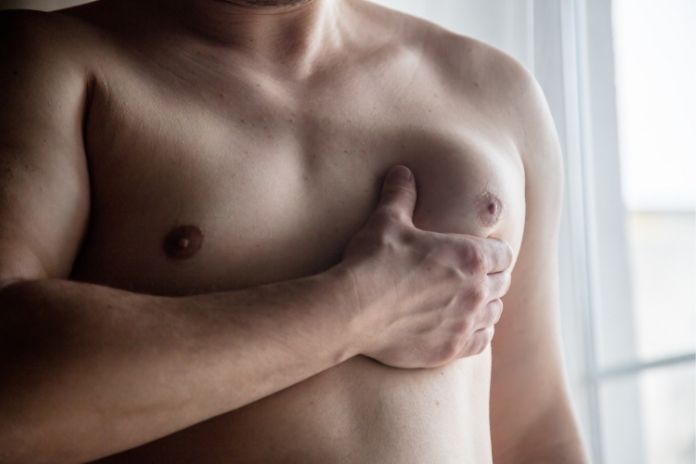 Puffy nipples don’t always indicate a medical problem, but understanding what’s behind them is the first step toward fixing them. By pinpointing the root cause, you’ll know which natural approach is most likely to work for you.
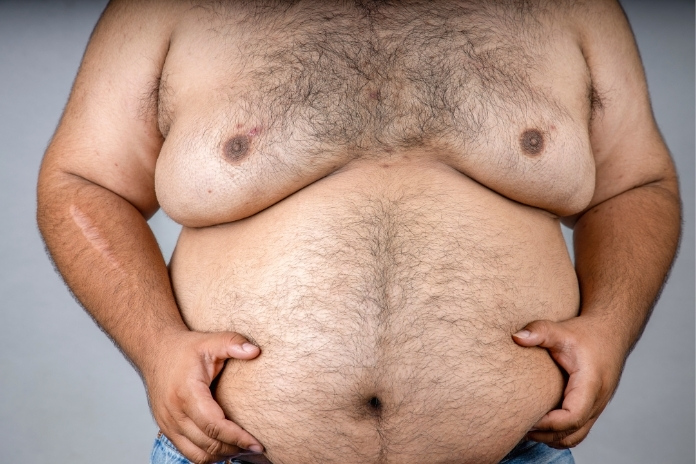
1. Excess Chest Fat (Pseudogynecomastia):
This is the most common cause. When the body stores fat unevenly, the chest can appear softer and more swollen.
Excess fat beneath the nipple-areola complex protrudes outward, creating a puffy appearance of the nipple.
Commonly associated with poor diet, lack of physical exercise, or general weight gain.
2. Mild Gynecomastia (Glandular Tissue Growth):
True growth of glandular breast tissue is referred to as Gynecomastia.
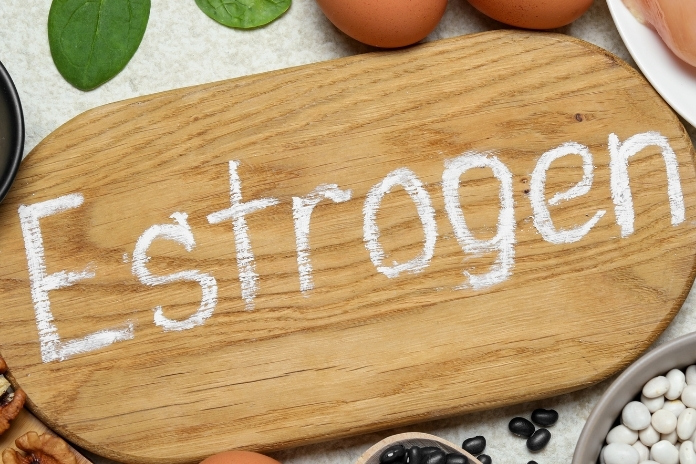
Generally results from a hormonal imbalance, particularly when estrogen levels are comparatively higher than testosterone.
Even minimal gland growth may protrude behind the nipple and appear swollen.
3. Hormonal Fluctuations:
Puberty, aging, obesity, and even some medications may lead to a temporary hormonal imbalance.
- In most adolescent boys, puffy nipples will go away once hormones settle.
- In adults, continuous imbalance may need lifestyle or medical treatment.
For most, puffy nipples are cosmetic, harmless. However, if painful, sudden in onset, or accompanied by discharge, medical assessment is necessary. Knowing causes helps you avoid wasting time on the wrong treatments.
Read More: Strength Beyond the Gym: Functional Exercises for Everyday Activities
Can You Repair Puffy Nipples Without Surgery?
Short answer: sometimes. It just depends on the cause of the puffiness.
- Fat-related Puffiness (pseudogynecomastia): Losing body fat overall, developing chest muscles, and correcting posture can significantly reduce chest fullness and minimize nipple protrusion.
- True Gynecomastia (glandular growth): More difficult to reverse naturally, as gland tissue doesn’t actually contract with fat loss. However, enhancing muscle tone and decreasing fat percentage can minimize its appearance.
- Hormonal Imbalance: May involve lifestyle adjustment, and in some instances, medical evaluation. In some instances, achieving hormone balance naturally through diet, exercise, and sleep may be possible.
Non-surgical treatments may not completely “cure” gynecomastia, but they can improve appearance and self-confidence by a tremendous amount. And because many of them promote overall health, they’re always worth attempting before resorting to surgery.
Dr Paul Rosenberg, MD, explains that “patients with true gynecomastia often require medical or surgical intervention to achieve the desired results. Exercise can certainly enhance the aesthetic outcome by improving muscle tone and reducing fat, but it won’t eliminate the glandular tissue responsible for gynecomastia.”
Lifestyle & Fitness Strategies
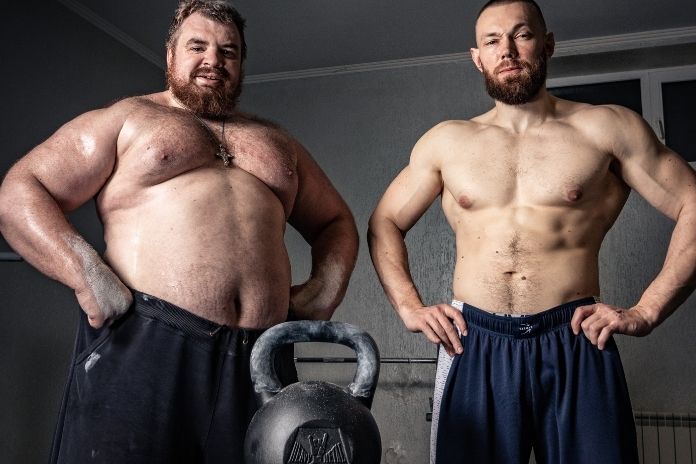
Exercise and lifestyle changes can significantly reduce chest size. They address both fat reduction and chest shaping. These are the two strongest methods possible without surgery. When practiced regularly, these methods not only shape your chest but also promote posture and overall conditioning.
Exercise to Target Chest & Fat Reduction:
Chest muscles, pectoralis major and minor, decide the appearance of the upper body. Strengthening them can completely transform the chest shape. Paired with fat-loss exercises, they reduce puffiness.
Best exercises for a perfect chest:
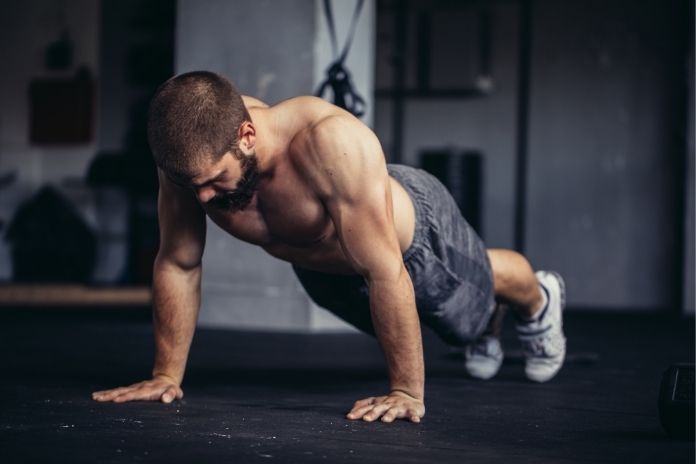
- Push-ups: A classic bodyweight exercise that develops basic chest strength. Basic push-ups work the chest, shoulders, and triceps, but variations such as decline push-ups emphasize the upper chest, and diamond push-ups target the inner chest for a more defined appearance. Regular practice tones the space under the nipples.
- Bench Press (dumbbell or barbell): The most efficient exercise for building the chest. Flat bench presses target mass in the middle chest, but dumbbells can offer more motion to engage stabilizer muscles. Regulated reps with correct technique increase muscle density and lessen puffiness.
- Incline Dumbbell Press: Pressing weights on an incline bench targets the upper chest. Building up this area provides the chest with a raised appearance, which can offset sagging tissue that causes nipples to look puffier.
- Dumbbell Flys: A chiseling movement that lengthens and shortens chest fibers. Doing flies with controlled speed and lighter weight isolates the pectorals, which assists in developing a more defined chest line and less softening of contours in the area around the nipples.
- HIIT Training: High-Intensity Interval Training involves alternating periods of intense exercise (such as sprints, burpees, or jump squats) with rest periods. This will increase calorie burn, boost fat loss, and, when combined with chest-specific strength training, hasten the elimination of excess chest fat that leads to puffiness.
Consistency is everything. A minimum of 3–4 days of chest and upper body strength training, plus 2–3 cardio or HIIT sessions per week, can physically reshape the chest over time. Combining these exercises with clean nutrition doubles the results.
Weight Management & Fat Loss:
Reducing overall body fat is often the biggest game-changer for men with puffy nipples. Even a 5–10% drop in body fat can slim down the chest area significantly.
Proven fat-loss strategies:
- Maintain a calorie deficit (burn more calories than consumed).
- Prioritize high-protein meals to support fat loss and muscle preservation.
- Avoid sugary drinks, excess alcohol, and heavily processed foods that promote fat storage.
- Add daily activity such as walking, cycling, or swimming to burn additional calories.
Weight control not only flattens the chest but also enhances overall health, testosterone levels, and energy. It is therefore one of the most powerful natural methods of addressing puffiness.
Improve Posture & Muscle Tone:
A slouching posture can promote chest puffiness, whereas an upright posture makes the chest look firmer and flatter.
Posture tips to correct:
- Engage upper back muscles with exercises such as face pulls and seated rows.
- Train standing up straight with shoulders set back and chest up a touch.
- Perform daily stretches for shoulder and chest flexibility to prevent rounding forward.
- Core-strengthening exercises such as dead bugs and planks facilitate improved body alignment.
Small daily tweaks matter; improved posture can make your chest look instantly different. And when combined with chest-strengthening exercises, the effect is even more.
Read More: Powerful Chest Workouts at Home: Build Strength with No Equipment
Nutrition & Hormonal Balance

Diet affects body fat storage and hormone balancing. By correcting eating habits, you address two of the most significant causes of puffy nipples. Foods aid in weight loss and help balance hormones, which is important if puffiness is caused by gynecomastia.
Diet to reduce chest size:
- Lean proteins like chicken, turkey, eggs, fish, and legumes help in building muscle and metabolizing fat.
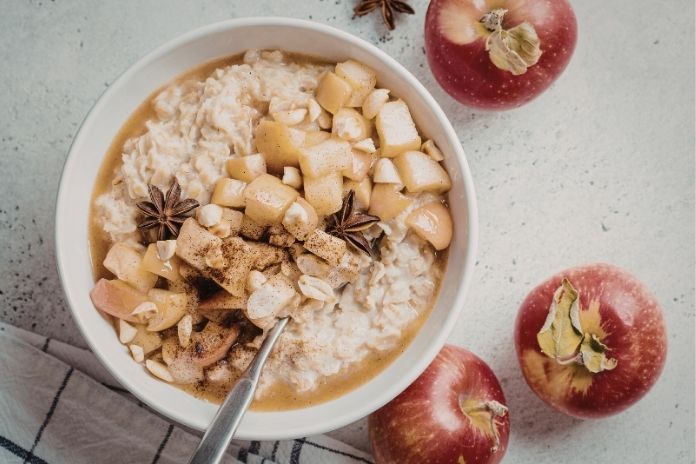
- Carbohydrate-rich fiber foods such as oats, quinoa, vegetables, and fruits balance appetite and digestion.
- Healthy fats, including nuts, seeds, olive oil, and avocados, balance hormones, including testosterone.
- Avoid processed sugar, refined carbohydrates, fried food, and excessive alcohol. These fuel fat storage and estrogen levels.
Micronutrients to Support Hormones:
- Zinc: Essential for the production of testosterone; can be found in seafood, pumpkin seeds, and red meat.
- Vitamin D: Associated with improved hormonal wellness; obtain from sunlight, fortified foods, or supplements.
- Magnesium: Helps in stress response and hormone balance; found in spinach, nuts, and dark chocolate.
Lifestyle Factors:
- Sleep: Sleep for at least 7–9 hours. Insufficient sleep lowers testosterone and raises cortisol (a fat-storing hormone).
- Stress Management: Constant stress throws hormones out of balance. Daily activities like meditation, yoga, or simply walking help level cortisol levels.
- Hydration: Adequate water intake aids metabolism and fat-burning effectiveness.
A balanced diet, combined with lifestyle modifications, creates an internal environment that supports a leaner chest and a healthier hormonal balance. This directly relates to naturally and effectively reducing puffiness.
Home & Medical Alternatives Short of Surgery
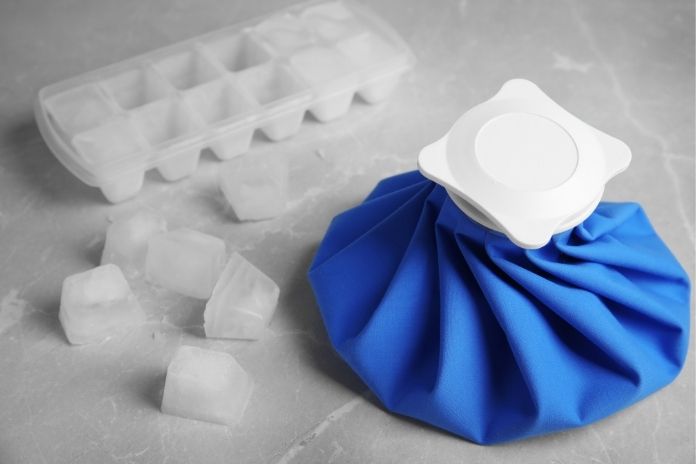
There are times when lifestyle modification isn’t enough, particularly if glandular tissue is involved. A couple of home and medical methods can further reduce puffiness and offer short-term confidence increases.
- Cold Therapy: Placing ice packs tightens the skin for a short period, making nipples appear flatter. Good for temporary cosmetic use.
- Compression Shirts: Compression shirts or garments are made to flatten the chest immediately. Good for confidence boosts during social interactions or at the office, but they do not solve the original problem.
- Over-the-Counter Creams: Certain creams are said to reduce puffiness or regulate hormones, but little evidence exists. Use with caution.
- Medical Evaluation: Endocrinologists can check hormone levels to determine if an imbalance is causing gynecomastia.
- Prescription Drugs: On specific occasions, physicians prescribe medications that suppress estrogen activity or trigger testosterone. These are situation-specific and not in regular use without medical need.
These steps prove most effective when combined with diet and lifestyle modifications, supporting the natural route rather than usurping it.
Conclusion
Puffy nipples are very prevalent in men, usually due to fat storage, minimal gynecomastia, or hormonal imbalance. While surgery is one option, it’s hardly the only one.
Through strength training, fat loss, posture correction, and balanced eating, most men notice a noticeable change in the appearance of their chest. Non-surgical treatments such as compression wear, cold therapy, and medical assessment offer further support when necessary.
To get rid of puffy nipples without surgery, begin with natural, long-term solutions. Not only will these enhance your chest shape, but they will also improve your overall health, vitality, and self-esteem. And if progress stalls, visiting a doctor guarantees you try safe next steps.
References
- https://origamicustoms.com/blogs/updates-1/the-ultimate-guide-to-chest-binding
- https://www.novacosmetic.in/blog/how-lifestyle-and-diet/
- https://www.eleganceclinic.in/mens-health-blog/causes-treatment-puffy-nipples-men/
- https://ancabreahna.com/blog/how-to-get-rid-of-puffy-nipples-in-men
- https://www.urbanaesthetic.in/posts.php?p=84
In this Article