













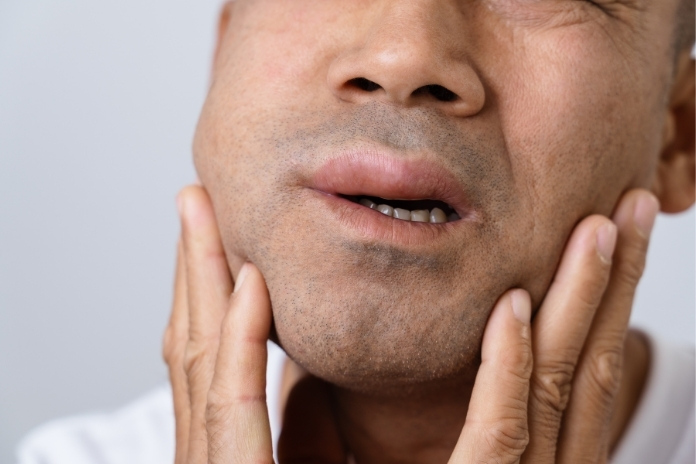
You must have observed that sometimes there is swelling right under your skin when you are in a particular environment or consume certain foods. This is quite common and is known as Angioedema. Happens to most of us and affects up to 20% of people in their lifetime. Sometimes, the causes aren’t identifiable. However, we have curated a list of a few effective home remedies and medical treatments that help with this condition.
Angioedema refers to a condition that is defined by acute, profound swelling below the skin, usually in the eyes, lips, throat, hands, or feet. It develops as a result of fluid that builds up in deeper layers of the skin and mucous membranes, and it is not the same as hives, which involve only the epidermis.
Angioedema can either be allergic or non-allergic, with the causes ranging from hereditary, idiopathic, to some medications. Mild swelling may resolve in a few hours, but severe angioedema, particularly airway obstruction, can be fatal and demands immediate attention.
In this article, let’s discuss the angioedema causes, symptoms, home remedies, and treatments for medical intervention to reduce angioedema
Read More: Foods That May Trigger Hives and What to Eat Instead
Common Reasons for Angioedema

Allergic Reactions:
Allergic angioedema is caused due to allergen exposure, leading to histamine release and rapid edema. Common causes include:
- Foods such as shellfish, nuts, dairy, and eggs.
- Medications, including antibiotics, NSAIDs, and ACE inhibitors.
- Insect stings, particularly bees or wasps.
- Environmental allergens could also be from latex, pollen, and pet hair.
Non-Allergic Causes:
Sometimes the causes can be anything but an allergy. Non-allergic angioedema may be due to:
- Hereditary Angioedema (HAE) is a genetic disease presenting with repeating episodes of edema.
- Drug-Induced Angioedema, which is frequently related to ACE inhibitors.
- Swelling can also be triggered by viral or bacterial infections.
- Stress, including physical or emotional stress, can cause episodes.
Idiopathic Angioedema:
When the cause is unclear, the condition is called idiopathic angioedema. It tends to be linked to chronic inflammation or autoimmune processes.
Symptoms to Watch For
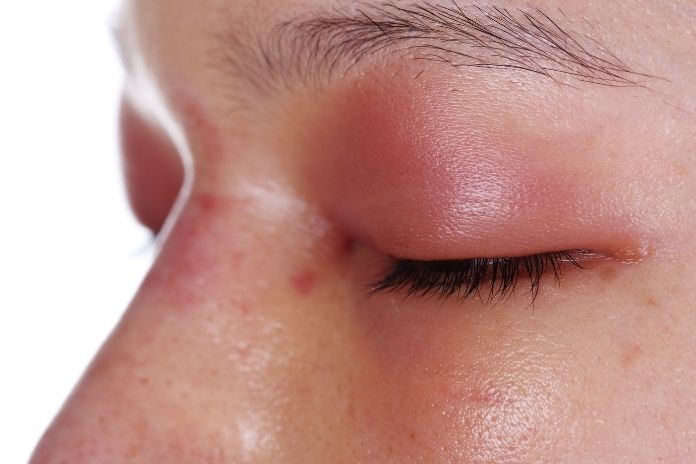
Angioedema has a variety of symptoms, which can become more severe depending on the cause:
- Sudden Swelling: The most prominent and common symptom usually occurs in the lips, eyes, face, hands, or feet. Swelling may occur within minutes to hours.
- Redness, Tightness, or Warmth: The swollen area may feel tender or tight and at times, look slightly red as a result of more blood flow.
- Severe Cases: Swelling of the tongue, throat, or airway that can compromise breathing and is a medical emergency. Such cases need prompt care.
- Associated Discomfort: Some patients also experience itching, tingling, or burning sensations in the swollen tissues.
- Different from Hives: Unlike the raised welts of hives on the skin surface, angioedema involves deeper tissue layers and may initially be invisible on the skin but produces visible puffiness.
Immediate Measures for Relief of Angioedema Swelling at Home

1. Find and Avoid the Causative Agent
Stop eating or totally avoid any suspected allergen right away. This can be food, medication, or environmental contact. Maintain a diary of symptoms and possible causes to present to your doctor for future management.
2. Use a Cold Compress
A cold compress may not just reduce swelling but also relieve pain. Use for 10–15 minutes at a time, repeating every hour initially.
3. Take Antihistamines (If Allergy-Related)
Over-the-counter antihistamines such as cetirizine or loratadine may reduce allergic swelling by preventing histamine effects. Avoid the sedating antihistamines if you have to drive or have responsibilities such as children or the elderly to attend to.
4. Raise the Affected Area
One of the easiest ways to reduce swelling is to lift the affected area. In cases of swelling in the hands, legs, or feet, raising the area above heart level can reduce fluid buildup and discomfort.
5. Rest and Stay Hydrated
Try to be properly hydrated. Good hydration and rest help the body in processing histamines and healing faster. It can reduce the time spent on swelling.
Read More: Allergic to Touch? Understanding Dermatographia (Skin Writing Hives)
Medical Treatments for Angioedema
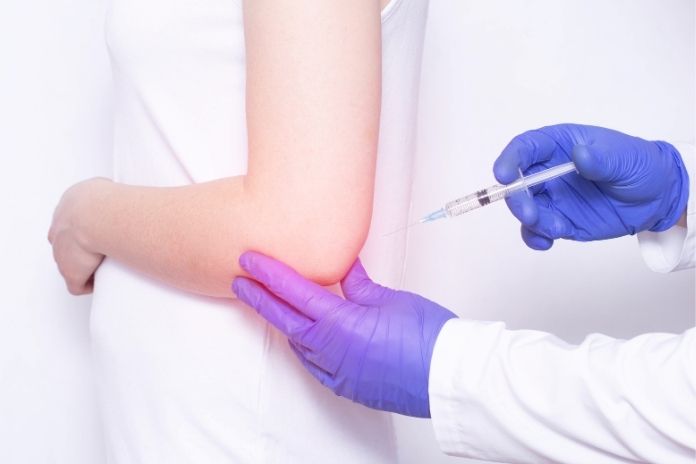
1. Corticosteroids
Corticosteroids like prednisone or methylprednisolone decrease inflammation and affect the immune system. They are usually prescribed for severe or recurring angioedema. Side effects can be high blood sugar, mood changes, or an increased likelihood of infection. It is therefore only to be taken under a doctor’s guidance.
2. Epinephrine Injection (in case of Severe Allergic Angioedema)
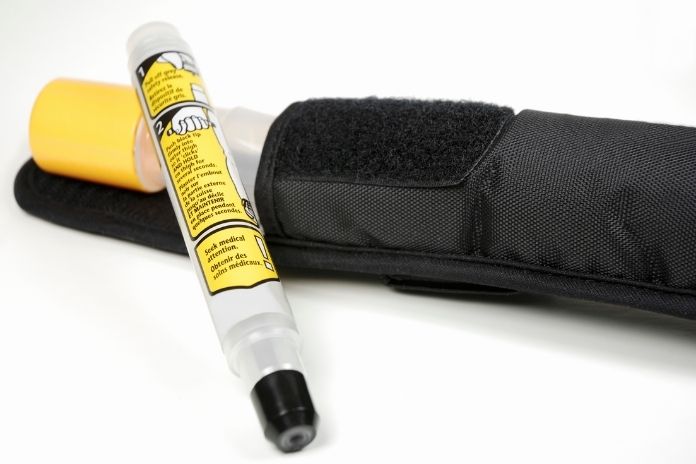
Epinephrine is used in emergency cases if swelling is present in the airways, affects breathing, or impacts blood pressure. It quickly reverses swelling and opens the airway. People with a known severe allergy should use an epinephrine auto-injector and should be well-trained about how to use it.
3. C1 Esterase Inhibitor or Icatibant (in the case of Hereditary Angioedema)
Hereditary angioedema caused by C1 inhibitor deficiency requires targeted therapy. C1 esterase inhibitors replace the missing protein to prevent swelling, while icatibant blocks bradykinin receptors to reduce fluid leakage. These treatments need to be administered under medical supervision and can effectively control acute episodes.
4. Stopping Trigger Medications
For drug-induced angioedema, particularly from ACE inhibitors, discontinuing the triggering medication is crucial. Your doctor may prescribe an alternative drug while monitoring for further reactions.
When to Seek Emergency Care

Call for emergency medical help if:
- You experience swelling on the tongue, lips, or throat that makes it hard to breathe or swallow.
- A few other symptoms, such as dizziness, fainting, or low blood pressure, occur and could be a sign of anaphylaxis.
- There is swelling that is spreading quickly, or hives appear.
- The swelling lasts longer than 48 hours and doesn’t get better.
Read More: Low-Histamine Recipes for People with Food Sensitivities
Preventing Future Angioedema Attacks
Here’s how you can prevent angioedema attacks in the future:
- Use a symptom diary to monitor triggers and patterns.
- Get allergy testing to determine specific allergens.
- Bring essential medications, for example, antihistamines or an auto-injector containing epinephrine, if serious reactions have happened in the past.
- Avoid known triggers, such as particular foods, medications, or environmental allergens.
- Preventive therapy and regular monitoring may also be advised by a healthcare provider for hereditary angioedema.
Key Takeaway
Mild angioedema usually can be treated at home with rest, hydration, antihistamines, and cold compresses. Swelling of the face, tongue, or airway, on the other hand, is a medical emergency. Knowing triggers, taking the right medications, and making quick movements can help avoid severe complications.
FAQs
- How long does swelling from angioedema last?
The duration depends on the cause. Allergic reactions will usually clear within a few hours, whereas hereditary angioedema attacks will last a few more without treatment.
- What’s the quickest way to minimize angioedema naturally?
Oral antihistamines and cold compresses can quickly reduce mild swelling and discomfort.
- Will angioedema clear up on its own?
Mild episodes can sometimes resolve on their own, but medical intervention can reduce the duration of symptoms and avoid complications.
- Is angioedema serious if it occurs repeatedly?
Recurrent attacks, especially those affecting the airway, are life-threatening and should be evaluated by a specialist.
- Do I need to have an allergist see me after an attack?
Seeing an allergist can diagnose triggering factors, create a prevention strategy, and decrease the chances of a future severe attack.
References
- https://www.nhsinform.scot/illnesses-and-conditions/skin-hair-and-nails/angioedema
- https://www.researchgate.net/publication/304555872_Hereditary_Angioedema_Caused_By_C1-Esterase_Inhibitor_Deficiency_A_Literature-Based_Analysis_and_Clinical_Commentary_on_Prophylaxis_Treatment_Strategies
- https://my.clevelandclinic.org/health/treatments/corticosteroids-glucocorticoids
- https://www.ncbi.nlm.nih.gov/books/NBK482266/
- https://www.metropolisindia.com/blog/preventive-healthcare/angioedema-causes-symptoms-treatment
In this Article