














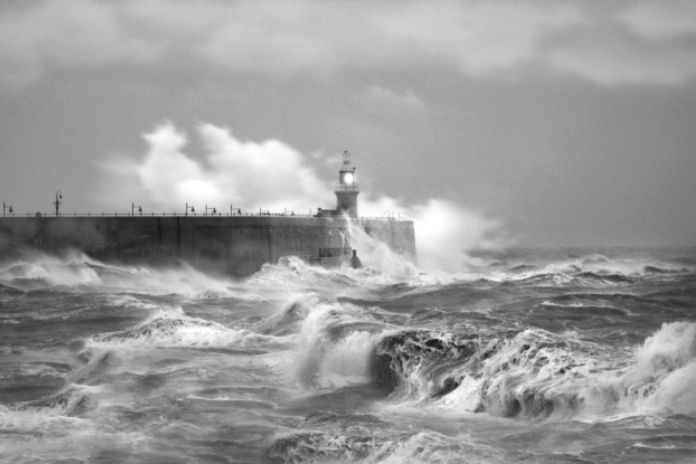
Introduction – Why Hurricane Preparedness Matters
Let’s be honest – most people only start thinking about hurricane preparation when they see the storm’s name trending on the news. By then, stores are empty, roads are jammed, and everyone’s panic-posting about flash floods.
Hurricane season isn’t a surprise. It comes every year –
- The Atlantic hurricane season: runs from June 1 to November 30
- The Pacific season: runs from May 15 to November 30
These months demand awareness, planning, and responsibility. And yet, millions remain unprepared. Hurricanes are unpredictable – sometimes giving days of warning, other times just hours. The difference between calm and disruption often comes down to one thing: preparation.
This guide breaks down everything – from building your family hurricane plan to setting up emergency supplies, safeguarding your home, and maintaining your mental well-being.
Here’s what you’ll take away:
- How to build a personalized hurricane plan
- What to pack (and what not to) in your emergency kit
- How to prepare your home and finances before disaster hits
- How to decide whether to evacuate or stay safe
- How to keep your body and mind stable through it all
Step 1 – Make a Family Emergency Plan

A solid family plan keeps you steady when everything else feels unpredictable.
1. Know Your Local Risks and Alerts
Before you prepare, know what you’re facing. Every area has different flood zones and evacuation routes. Don’t guess – check the Federal Emergency Management Agency (FEMA) Flood Map or your local municipality site.
Sign up for local weather alerts. Even WhatsApp community groups or radio stations can give faster updates than news channels during disasters.
Many people assume hurricanes only threaten coastal areas. Wrong. Even inland towns can face flooding, tornadoes, and can go weeks without power.
2. Communication Plan
Technology makes us overconfident. But when networks crash, panic spreads faster than the storm. Keep this simple strategy handy:
- Write down emergency contacts on paper.
- Share this list with family members, especially elders and kids.
- Choose one out-of-area contact everyone can message (“We’re safe” update).
- Pick a meeting spot if your family gets separated – not just one, but two(one near home and one outside your area).
- Keep one old-school, non-smart mobile phone charged; these basic phones hold battery power for days.
You’ll be surprised how quickly batteries, data, or signals die when the storm hits.
3. Evacuation or Shelter Decision
Waiting to see “how bad it gets” is how people get trapped. If your zone is ordered to evacuate, go early – roads flood in hours.
Know in advance:
- Where are the nearest shelters?
- Which ones accept pets? (Pet-friendly shelters fill up first.)
- Whom can you stay with inland, if needed?
- Your car should always have at least half a tank of fuel during hurricane months – it’s not paranoia, it’s practicality.
- If a family member has mobility issues, register them with local emergency assistance programs that prioritize rescue during storms.
Read More: Family Fitness Challenges: 10 Engaging Activities for a Healthier Household
Step 2 – Build an Emergency Supply Kit
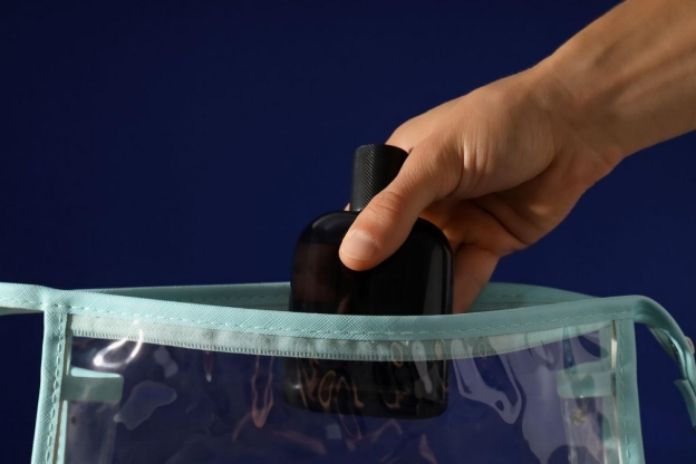
Skip the Pinterest-style “fancy preparation lists.” A hurricane supply kit is built, not bought. Gather items slowly and keep them accessible. This is what actually matters.
1. Basic Essentials
- Water: 1 gallon per person per day (for at least 3 days)
- Food: Non-perishable, ready-to-eat items: canned, dry snacks, and energy bars
- Flashlight and batteries
- First-aid kit
- Manual can opener
A storm doesn’t care about your diet plan – just get calories and hydration planned.
2. Important Add-Ons
- 7-day medication supply
- Copies of IDs, insurance papers, and bank cards (in a waterproof ziplock bag)
- Cash – ATMs often go offline
- Power bank or solar charger
- Masks, hand sanitizer
- Baby formula, pet food, sanitary pads, diapers, comfort items like a small toy for kids, if needed
“I’ll buy what I need when the storm warning comes.”
No, you won’t. Supermarkets get empty in hours. Buy early and store smart.
3. Health and Hygiene
Hurricanes often bring contamination. It doesn’t pause your medical needs. Stay clean to stay healthy. Keep:
- Soap, wipes, a toothbrush, and feminine hygiene items
- Prescription glasses, spare lenses, and hearing aids
- Painkillers, antiseptics, and bandages
Read More: Circadian Eating for Better Sleep and Digestive Health
Step 3 – Prepare Your Home and Property
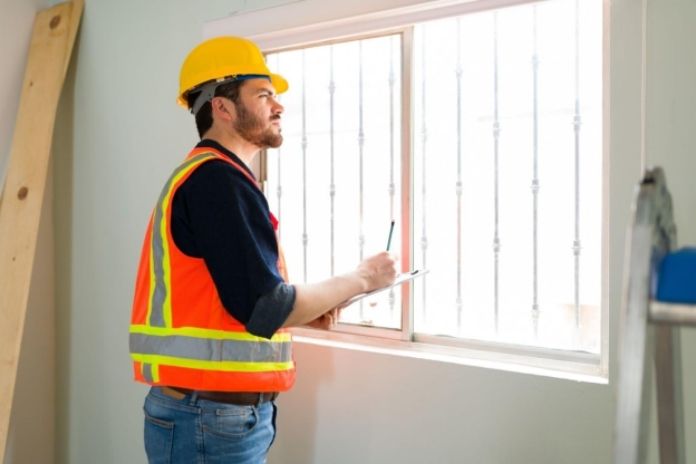
Your home can’t run, but it can be ready.
1. Secure the Exterior
Your home can either shield you or harm you during a storm.
- Secure windows or install hurricane shutters.
- Trim trees; remove loose branches.
- Bring inside anything that can fly – chairs, patio furniture,grills, and plants.
Small debris becomes dangerous when winds exceed 100 km/h.
2. Prevent Flooding
Flooding does silent damage.
- Clear gutters and street drains.
- Install “check valves” to stop sewage backup.
- Move valuables and electronics to upper floors.
- Line the bottom of doors with rolled-up towels or cloths inside – they slow down early seepage before sandbags fully take over.
Sandbags are very important – place them at entry points if flooding is common in your area.
3. Backup Power & Safety
- Test generators beforethe storm.
- Keep a carbon monoxide detector if you’re using a generator – it’s lifesaving.
- Keep fuel outside, lids tight.
- Unplug your electronics before the storm – saves you from surge damage later.
- Label your extension cords now so you don’t have to figure them out in the dark.
- And keep flashlights in each room; candles just create extra risk.
Most post-hurricane house fires are caused by improper generator use – either too close to walls or connected directly to outlets.
Read More: The Power of Third Places: How Spaces Beyond Home & Work Boost Mental Health
Step 4 – Evacuation and Travel Readiness
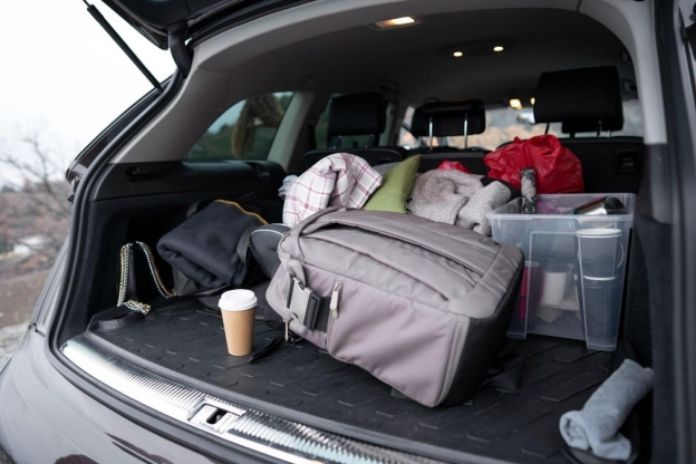
1. Before Leaving
Leave faster – traffic jams grow faster than storms.
- Fill your vehicle’s gas tank – pumps may lose power.
- Pack your “bug-out bag” (essentials, documents, medicines).
- Leave early if local authorities issue orders.
2. If You Stay Home
- Stay in a small, interior room with no windows.
- Move your basics there – food, water, phone, charger, power bank, flashlight, and radio.
- Rely on battery-powered alerts, not random posts on social media.
Step 5 – Financial and Insurance Preparedness
Storms get costly fast – even a few days away from home can drain money.
- Check your insurance and make sure it actually covers both flood and wind because many don’t.
- Take photos/videos of your property for future claims.
- Store policy copies digitally and physically.
- Keep a small envelope of cash for emergencies.
You don’t need to be rich to prepare – just aware.
Read More: Acute Mountain Sickness: Causes, Symptoms, and How to Prevent Altitude Sickness
Step 6 – Protect Your Health and Mental Well-Being

1. Physical Health
Hurricanes mess up systems – water, sanitation, and medical.
- Use boiled or bottled water; tap water after flooding is never reliable.
- Keep medications cool and dry.
- Avoid walking through floodwater – it’s usually mixed with sewage, oil, and other things you don’t want on your skin.
- Dispose of spoiled food immediately – food poisoning is common post-flood.
2. Mental Health
This part is often ignored. Survival isn’t just physical – it’s emotional. Hurricanes hit emotionally too, not just physically – especially for kids and older people. Stress and sleeplessness always jump.
- Stay in touch; even a quick message helps.
- Keep small routines going – meals, prayer, writing things down.
- Limit doom-scrolling – constant exposure to storm updates heightens panic.
- Give children simple “jobs” like holding the torch or organizing snacks – responsibility calms fear.
- If the anxiety or the sleepless nights just aren’t settling after a couple of weeks, reach out for help. Many hotlines and local centers give free support after storms.
Studies show post-disaster stress can trigger long-term heart and immune problems if ignored. Mental health preparation is survival, too.
After the Storm – Staying Safe and Starting Recovery
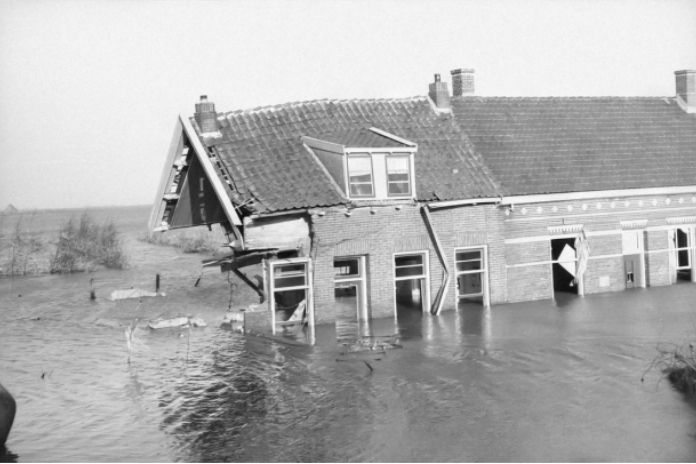
When the wind stops, don’t rush outside. Wait for an official “clearance.”
- Avoid floodwaters. They may hide potholes, snakes, or live wires.
- Take photos of damage before you start cleaning anything.
- Use gloves and boots when removing debris.
- Stay away from anything electrical that’s wet.
- Check in on neighbors if you can – especially older people or anyone who might need help.
Clean slowly. Move carefully. One injury after a storm can delay everything.
Read More: Doctors Warn: Climate Change May Be Putting Your Heart at Risk
Quick Recap
- Plan early, not during panic.
- Keep your family plan and basics ready most of the year.
- Protect people first, property second.
- The small preparation things actually add up.
- Staying calm really does help you think straight.
Final Thoughts
You can’t really do anything about the weather. But you can control how ready you are when it turns violent.
Preparing for hurricane season isn’t some dramatic thing – it’s self-respect. It’s what protects your family, your home, and your sanity when nature decides to test all three.
FAQs
1. How early should I prepare for hurricanes?
Honestly, don’t wait for the news to start yelling about a storm. If you can, get your basic things ready a month before the season begins. Once a year, just look through your kit and update whatever’s expired.
2. Should I tape my windows before a hurricane?
That’s one of those things people keep repeating, but it doesn’t actually help. If anything, the glass can break into bigger, sharper pieces. Proper shutters or even plywood are way better.
3. How do I keep my car safe during a hurricane?
Try to leave it somewhere a little elevated and not under trees. Before a hurricane, disconnecting the battery helps prevent electrical issues in the car.
4. Can I use candles if the power goes out?
Yes, but it’s not a safe option. Fire risk is high in storms. Use flashlights or battery-powered lanterns.
5. What’s the single most important thing to do before a hurricane?
Have a clear plan about where you’re going if you need to leave. Everything else is secondary.
References
- https://www.cdc.gov/hurricanes/safety/index.html
- https://www.fda.gov/consumers/consumer-updates/hurricane-season-be-prepared
- https://www.ready.gov/sites/default/files/2020-03/fema_how-to-prepare-for-hurricane.pdf
- https://pubmed.ncbi.nlm.nih.gov/36448792/
- https://www.weather.gov/safety/hurricane-plan
In this Article