












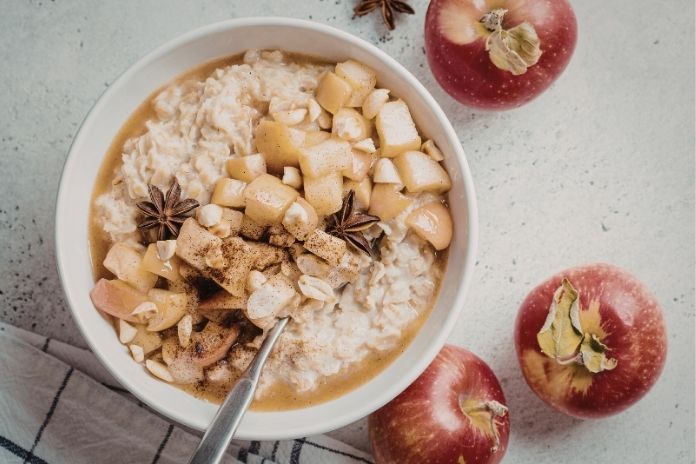


Although older adults often experience loss of appetite, they should not take it lightly. The urge to eat may diminish with age due to changes in metabolism, side effects of medications, or simple illnesses.
Researchers have established that physiological changes, psychological and social factors, acute or chronic illnesses, and medication play a role in hunger. The first level of support generally available for addressing changes in appetite in older adults is finding the most effective method to stimulate appetite.
It is imperative to identify proposed solutions that are both safe and effective, as an appetite change in older people can unintentionally lead to weight loss, malnutrition, and reduced energy.
If you are either establishing your own long-term well-being plan or managing the aging of your parents, it is crucial to monitor changes in appetite. Let’s review some primary causes of appetite changes and the best proposed management strategies.
Read More: 18 Foods That Suppress Appetite for Weight Management
Why Older Adults Lose Appetite

Many physical, physiological, and emotional factors may contribute to an older person’s loss of appetite. Seniors frequently experience a progressive decline in appetite. Many people think it’s normal.
People in their later years typically have less energy and engage in less physical activity than they did in their early years, which means they require fewer calories.
Selecting the best appetite stimulant for seniors requires an understanding of any underlying causes of this condition. Hormonal fluctuations, a reduced sense of taste or smell, or emotional reasons such as loneliness can all contribute to a diminished interest in eating.
Establishing a cozy and comfortable dining space is a good place to start if you’re seeing that your loved one isn’t eating enough. Additionally, you can begin to eat easier-to-manage meals more frequently and in fewer portions.
The following are some more causes of decreased appetite in older people:
- Difficulty swallowing or chewing
- The natural deterioration of taste buds and a diminished sense of smell impact the taste of food.
- Eating with regular silverware can be challenging
- Drug reactions
- Dehydration
- Dental problems
- Stomach discomfort
Signs That Appetite Loss Is a Concern
Persistent appetite loss in older adults might be significant when it begins to affect general health, while not all changes in eating patterns indicate a problem. It’s helpful to know the warning signs and symptoms of anorexia of aging if you’re providing care for an older loved one. These include:
- Not ingesting or refusing to eat altogether
- Ingesting less than prior
- Indicating an increased feeling of fullness
- Unforeseen weight loss
- Weakness and loss of energy
If you notice any of these in an older adult whom you care for, you must take action. If not addressed, it could lead to malnutrition, lower immunity, and an increased risk of infection or illness.
Do not forget that loss of appetite is not always attributed to aging. Although a sluggish metabolism comes with aging, ongoing non-ingestion of food or lack of interest in food can indicate a medical issue such as depression, medication side effects, or chronic illness. Addressing symptoms early leads to a more comprehensive medical evaluation, ensuring that older adults receive the nutritional support they need to promote healthy aging.
For caregivers, witnessing changes in their loved one’s eating habits can be alarming. But the more you know, the more you can do about it, says Gretchen Dueñas-Tanbonliong, MS, MPH, RDN, Associate Director of Health and Wellness at NCOA. “Understanding the barriers to eating well is the first step in helping the person you care for get adequate nourishment,” she explains.
Read More: 15 Foods to Eat When You’re Sick and Don’t Have an Appetite
Doctor-Approved Ways to Boost Appetite

Assess whether the lack of Appetite is due to any Medical Conditions: One of the first things you should do if you’re wondering how to increase your loved one’s appetite is to rule out any possible medical conditions that could be causing them to lose their appetite. For instance, a medicine may produce nausea or suppress appetite. Is it painful or challenging to chew food when wearing dentures that don’t fit properly?
Serve Smaller, More Frequent Meals: Try serving snacks and smaller, more frequent meals throughout the day rather than three large ones. For older adults with diminished appetites, this method may be less daunting and encourage them to consume more nutrients throughout the day. Try to eat five or six small meals or snacks throughout the day, evenly spaced out.
Encourage Socialization During Mealtime: One of the best ways to boost older adults’ appetites is to make mealtime a time for social interaction. Everybody likes to eat with friends. However, if you’re experiencing a lack of appetite, the thought of socializing can significantly enhance the appeal of mealtimes.
Enhance Food Flavors and Textures: It’s critical to make meals more enticing and delectable as people age since their taste and smell sensitivity changes. Make food more enticing by adding seasonings, herbs, and spices: Try a variety of tastes to see what your special someone likes. Common additions to recipes that can give depth include thyme, ginger, garlic, and rosemary.
Serve Nutrient-Dense Foods and Drinks: When your appetite decreases, you must make every bite count. To help your loved one maximize nutrition during meal times, offer high-calorie, nutrient-dense foods, such as milkshakes, smoothies, or fortified foods. Foods such as protein powder, nut butters, avocados, and Greek yogurt may also make great snacks and drinks.
Encourage Light Exercise: Moderate forms of exercise, such as walking and chair yoga, may help promote appetite. You can encourage your loved ones to engage in some light exercise before meals, as it may stimulate their appetite and encourage overall health. Remember to consult a doctor before starting any new exercise regimen.
Natural Remedies and Home Approaches
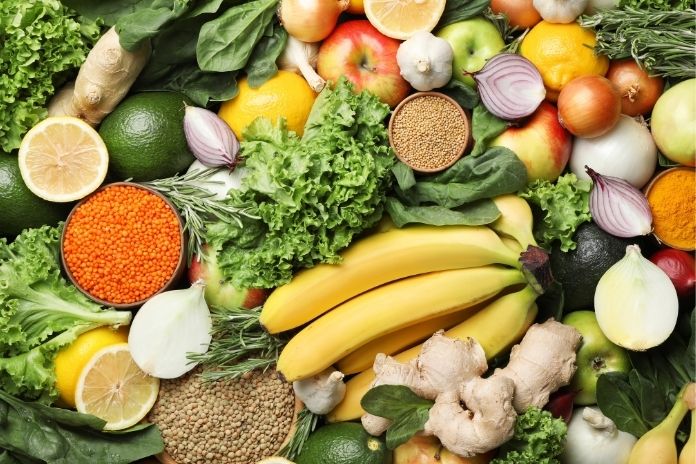
For older adults experiencing a problematic appetite, natural appetite enhancers can be beneficial. Basic elements that stimulate the senses and create visual appeal can help establish a pleasant meal environment. For instance:
- Using fresh herbs like cilantro or fresh basil will provide bright scents or smells to encourage appetite.
- Today, we take for granted the bright colors and zesty flavor of citrus fruits, such as oranges or lemons, which we often add to our food to enhance its appearance.
- Ginger, an easy-to-digest spice with impressive flavor-enhancing properties, works wonders for refreshing the palate.
By trying some of these flavor boosters, you’ll not only create more enjoyment from the meal, but you may also help offset the natural decline of taste buds, which many seniors experience. Foods that contain high fiber support further digestion and overall health, all of which contribute to a more enjoyable meal experience.
Consider preparing meals with visual stimulation, such as colorful salads or a perfectly plated food presentation, which can enhance the enjoyment of the meals themselves.
Instead of large servings full of nutrients, consider reducing portions to nutritionally dense items. For example, instead of a 2-egg omelet, opt for an egg-white omelet that includes only veggies and cheese. Small servings encourage more eating and do not make someone feel overly full.
Read More:
When to See a Doctor
If you have tried several methods to encourage your loved one to eat without success, it may be the right time to seek professional assistance. If the loss of appetite persists for an extended period, you should seek help, as it may have a detrimental impact on your overall health.
Medical assistance is also warranted if there has been significant weight loss or symptoms of poor nutrition (for example, weakness, fatigue, skin changes, etc.). A medical professional can assess your loved one’s health status, rule out any concerning health issues, and recommend treatment.
It also could be that the loss of appetite may signal that some real concerns exist, such as depression or a decline in cognitive abilities. If you begin to notice any changes in your loved one’s behavior, mood, or daily functioning, it is time to consult a medical professional. They may have information that can help you address your loved one’s concerns.
You should never feel alone in this process. It is reasonable that you receive guidance and support through the medical profession to provide your loved one with the best care, learn about options to provide home care, or identify available options that will ensure you provide care for your loved one.
Conclusion
While appetite decline is a common issue in older people, it is not a regular part of aging. There are many safe and effective ways to restore your appetite, although biological changes, disease, and lifestyle might all play a role.
Many simple modifications can make a significant difference in appetite and overall health, from consuming smaller, more nutrient-dense meals and adding flavor with herbs and spices to creating a comfortable eating environment and enjoying social occasions.
If you or a loved one experiences a decline in appetite, don’t ignore it. Consult with a healthcare professional to identify the cause and find the best individualized solutions.
Read More: 13 Effective Ways To Increase Your Appetite For a Healthier Body
FAQs
Is loss of appetite normal with aging?
Although aging may typically bring a decline in appetite, it does not inevitably occur, and you should not dismiss it as a minor issue. “Anorexia of aging” can be caused by a variety of physiological, psychological, and social reasons.
Can medications cause appetite loss in older adults?
“Indeed, pharmaceuticals often cause appetite loss in older adults, and using multiple prescription medications can make this condition worse.
What’s the safest appetite stimulant for seniors?
The most effective appetite stimulant for older adults varies depending on the person and the underlying reason for appetite loss; there is no one “best” alternative.
Are supplements like Ensure or Boost helpful?
Boost and Ensure are not any more or less “better” than the other; the best choice for an elderly individual depends on their individual nutritional needs, including any specific caloric, protein, or vitamin requirements.
References
- https://cdhf.ca/en/how-to-improve-appetite-in-seniors/
- https://www.aplaceformom.com/caregiver-resources/articles/appetite-loss
- https://ninkatec.com/top-8-foods-to-increase-appetite-and-nutrition-in-elderlies/
- https://www.ncoa.org/article/4-common-nutrition-challenges-of-older-adults-and-what-to-do-about-them/
- https://www.goodrx.com/conditions/weight-gain/appetite-stimulant?srsltid=AfmBOopG58zxRUuLZvBalrESHByJhJpDNJwo8oSv8-2NDSkKfYZQPi7m
- https://www.ncoa.org/author/gretchen-duenas-tanbonliong/
- https://www.helpinghandshomecare.co.uk/care-advice/best-food-for-elderly-people-with-no-appetite/
In this Article