











People are not scared of grapefruit. They are confused by it. One doctor says it is good for weight, sugar, and the heart. Another says to avoid citrus because it damages teeth. Some people think cavities come from sugar only. They forget that acid can damage teeth even without sugar.
So most people do what humans do best: ignore both. They eat grapefruit sometimes. They brush after. They move on. Years later, teeth become sensitive. Edges look thinner. The dentist says “acid erosion.” No one connects it back to fruit.
This article is not about completely stopping eating grapefruit. It is about eating it in a way that does not quietly harm your teeth.
Why Grapefruit Is Great for Your Health and Tough on Your Teeth
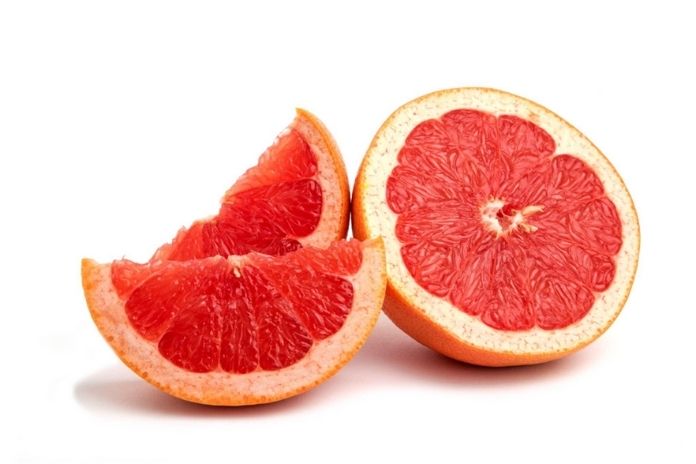
Grapefruit helps because it is:
- Low-calorie but filling
- Bitter, so it reduces overeating
- Rich in vitamin C without sugar overload
That is why it is popular with people trying to eat “clean”. But the same sour taste that wakes you up in the morning is the problem for teeth. When you bite a grapefruit, your mouth becomes acidic. Not for 5 seconds. For much longer than you think.
Teeth are the strongest when the mouth environment is neutral. Acid does not cause pain immediately. It weakens slowly. There is no pain on day one. No warning sign after one glass of juice. That is why people don’t notice damage until it is already there.
How Acid Erosion Happens (and Why It Matters)
1. The Chemistry Behind Acid Softening
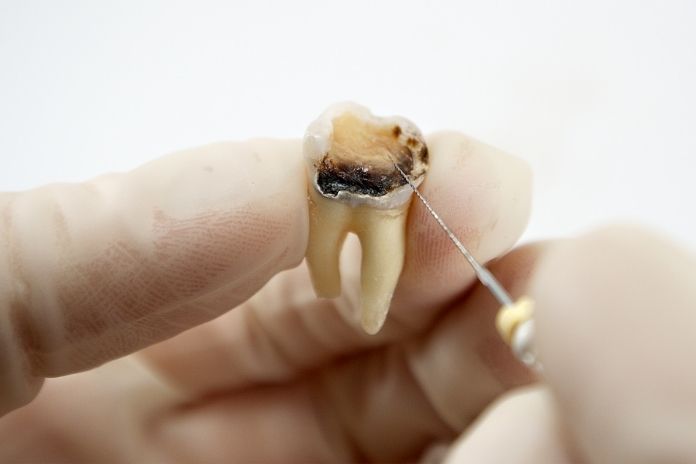
Think of tooth enamel like a hard, chalky shield. Tooth enamel is mainly made of hydroxyapatite crystals. These crystals are strong, but they are not acid-resistant. Acid does not break it suddenly. It softens the surface. When you eat grapefruit:
- Acid stays on teeth, lowering the pH of the mouth
- Hydrogen ions interact with enamel minerals
- Calcium and phosphate begin to leach out
- Enamel becomes slightly soft
- Exposure of the inner yellow layer
- Teeth look the same and feel the same, but are weaker for a short time
This is why dentists often talk about acidity in terms of pH, not just sour taste. Dr. Mark Burhenne, a dentist, recommends using pH testing strips to see which everyday foods are most damaging to your teeth. For healthy enamel, foods and drinks should be as neutral as possible, around pH 7.0.
After acidic food, your mouth needs time to neutralize acid. Saliva neutralizes acid and returns minerals to the enamel surface. Problems begin when acid exposure is repeated before recovery finishes. Another bite, another sip, another rinse with an acidic solution; the enamel never fully hardens again.
If nothing rough touches them, enamel recovers partly. However, if you brush during this time, you remove the softened layer. That layer does not come back. That is like scrubbing wet cement before it sets. Small amounts are lost each time, and you don’t notice it until years later.
Read More: Are You Overbrushing? Signs You Might Be Damaging Your Teeth
2. Signs You May Have Acid Erosion
Most people realize too late. Early signs are small and ignored. Watch for:
- Teeth hurting only when drinking cold water
- Front teeth looking more see-through at the edges
- Teeth looking shinier but less white, even with regular brushing
- Fillings feeling higher than the tooth surface
These are not cavities. These are wear problems. Dentists can slow it down, but they cannot rebuild what is lost.
Read More: Is Pomegranate Juice Good for Your Heart? Evidence-Backed Benefits Explained
How to Enjoy Grapefruit Without Harming Your Enamel

This is the part people actually need. Instead of “avoid citrus” or “just rinse,” the focus should be on acid exposure control.
1. Follow the 30-Minute Rule
After grapefruit, do not brush immediately. This is the biggest mistake. Many people damage their enamel not because they eat acidic foods, but because they are too quick to “fix” it. At this stage:
- Acid can be neutralized—saliva can repair some of the damage
- Enamel remineralization starts—calcium and minerals can reattach
- Surface hardness can be restored
Brushing too early causes more damage than skipping brushing once. Wait 30 minutes. Even 20 is better than zero.
2. Rinse, Don’t Rush
If your mouth feels sticky or sour, just rinse with plain water. Not salt water. Not mouthwash. Not lemon water. These prolong acidity instead of reducing it.
Just plain water is enough to wash acid away.
3. Use a Straw for Juice
Juice behaves differently from fruit. It coats teeth. It reaches places that chewing does not. Dentists warn that the damage increases when acidic drinks are held or swished in the mouth.
Dr. David Brusky, a dentist, explains that people become especially susceptible to tooth wear when they swish acidic drinks in their mouth. If the drink also contains carbonation, caffeine, or sugar in addition to acid, as is common with soft drinks, energy drinks, sports drinks, wine, and fruit juices, it becomes what he describes as “a full-frontal assault on your pearly whites.”
Juice is worse than fruit because:
- No chewing
- No saliva stimulation
- Acid touches teeth directly
- There is no fibre to slow contact
If you drink grapefruit juice, use a straw and do not swish the juice around the mouth.
A straw reduces the contact with the enamel. It reduces the risk of erosion. Simple but effective.
4. Pair Grapefruit with Protective Foods
Grapefruit eaten alone acts alone. Eating it with other foods is safer. Other foods dilute acid and increase saliva. This protects enamel naturally. Better combinations:
- Grapefruit with yogurt, cheese, milk
- Grapefruit after eggs or nuts
- Grapefruit as part of breakfast, not a standalone snack
The solution is not complicated combinations. It is simply not isolating the fruit.
5. Don’t Linger: Eat in One Sitting
There is a belief that spreading food out is gentler. For teeth, it is the opposite.
Each exposure restarts the acid cycle. Sipping grapefruit juice slowly or nibbling fruit for hours keeps the mouth acidic for longer periods.
From a dental perspective, frequency matters more than quantity.
It is better to eat grapefruit once, rinse, and move on than to take small acidic exposures throughout the day.
6. Boost Saliva Flow Naturally
Dry mouth increases the risk of damage. Saliva is your tooth’s repair liquid. After grapefruit:
- Drink water
- Chew sugar-free gum
- Avoid smoking
- Avoid coffee immediately
- Avoid constant snacking
- Breathe through the nose, not the mouth. Breathing through the mouth can increase dryness inside.
This increases saliva flow and speeds recovery.
Read More: Caring for Your Teeth as You Age: Tips for Seniors and Caregivers
Everyday Enamel-Safe Habits for Citrus Lovers

If you eat citrus often, these habits matter more than toothpaste brands.
- Soft toothbrush only
- No hard scrubbing
- Brush twice, not aggressively
- Use fluoride toothpaste consistently
- Do not brush immediately after sour foods
- Regular dental checks, even if no pain
Many people assume stronger brushing equals cleaner teeth, but dentists say that belief causes more harm than good. Dr. David Brusky explains that plaque is soft and does not require vigorous or hard brushing to remove. According to him, it is technique, not pressure or abrasives, that matters most when cleaning teeth.
As an extra protective step against acid-related tooth wear, Dr. David Brusky also suggests rinsing and gargling with a small amount of baking soda mixed in water, or choosing alkaline bottled water, to help neutralize acidity and reduce ongoing enamel stress.
Also, whitening habits combined with citrus are a common problem. Whitening products thin the enamel slightly. Adding frequent acid exposure on top accelerates damage.
The mouth remembers patterns. What happens daily shapes enamel more than occasional indulgence.
Read More: National Dental Hygiene Month 2025: Strategies to Transform Your Oral Health
Final Thoughts
Grapefruit is not dangerous. Uninformed habits and poor acid timing are. People damage enamel not because they eat sour foods, but because they brush at the wrong time, sip slowly for long periods, eat citrus alone, and ignore early signs.
When timing and pairing are correct, grapefruit can stay in your diet without hurting your teeth.
Read More: 20 Habits That Wreck Your Teeth – Know What You Are Doing Wrong!
- Acid damage is slow and painless in the beginning
- Brushing immediately after grapefruit causes more harm to the enamel than good
- Eating grapefruit with meals is safer for your teeth than eating it alone
- Juice is harsher on teeth than the whole fruit
- Most dental advice ignores eating patterns; long-term studies comparing “how citrus is eaten” are still lacking.
FAQs
1. Should I stop eating grapefruit completely?
No. Change timing and habits, not food.
2. Is brushing before grapefruit better?
Yes. Brushing before acidic foods is safer than brushing after.
3. Does using mouthwash help after grapefruit?
No. Many mouthwashes are acidic themselves.
4. Are children at higher risk of enamel damage?
Yes. Their enamel is thinner and softer.
5. Does sensitivity mean permanent damage to teeth?
Not always. Early sensitivity can be managed if habits improve.
References
- Buzalaf, M. A. R., Hannas, A. R., & Kato, M. T. (2012). Saliva and dental erosion. Journal of Applied Oral Science, 20(5), 493–502.
- Cleveland Clinic. (2023, March 6). Tooth Enamel: What It Is & How to Preserve It. Cleveland Clinic.
- Hung, W.-L., Suh, J. H., & Wang, Y. (2017). Chemistry and health effects of furanocoumarins in grapefruit. Journal of Food and Drug Analysis, 25(1), 71–83.
In this Article