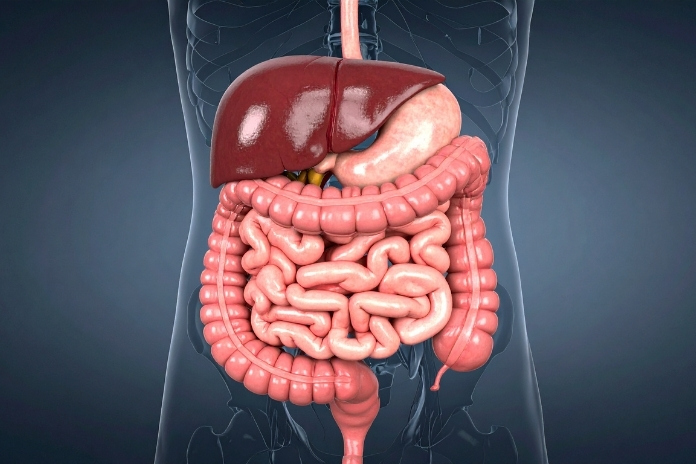














Eating a balanced diet is very crucial, and fiber is an essential part of that. It helps to lower cholesterol, maintain healthy blood sugar levels, keep us regular, and promote digestion. By nourishing the bacteria in our gut, fiber encourages them to produce short-chain fatty acids (SCFAs) to reduce inflammation and repair gut lining, vital for anyone with IBD.
Even with all these benefits, many people don’t meet their fiber goals; most adults need about 14 grams per 1,000 calories. Women need around 25–28 grams per day, and men need around 28–34 grams per day.
However, increasing fiber isn’t always easy; many experience bloating, gas, or heaviness instead of relief. Knowing when to add the fiber, how to pair it with fluids, and which sources to choose can help you gain the benefits without discomfort.
Read More: Too Much Fiber in Your Diet? Tips to Balance Your Intake
Why Fiber Often Makes People Feel Too Full
Although fiber is very crucial for digestion, when consumed improperly, it can also cause people to feel extremely full. You feel full during mealtimes and occasionally for a long time afterward because fiber can absorb fluids and increase bulk. Stretching the stomach releases satiety hormones that signal the brain a meal is finished, helping us eat less.
Non-starchy veggies and other high-fiber foods are often low in calories and high in nutrients. Because of this, they are beneficial foods for meals or snacks. For example, one cup of most leafy greens has about 4 grams of satisfying fiber.
Gut fermentation is another factor. Some forms of fiber serve as food for good gut flora. These bacteria naturally produce gases as they break down fiber. This fermentation process can cause pain, pressure, or bloating if your gut isn’t used to consuming more fiber.
The most common cause of these symptoms is abrupt increases in fiber intake. Your gut microbiota and digestive system won’t have enough time to adjust if you suddenly switch from a low-fiber to a high-fiber diet. Your body can adapt to gradual adjustments, which lessens feelings of fullness and makes fiber easier to handle.
How Much Fiber Do You Actually Need?
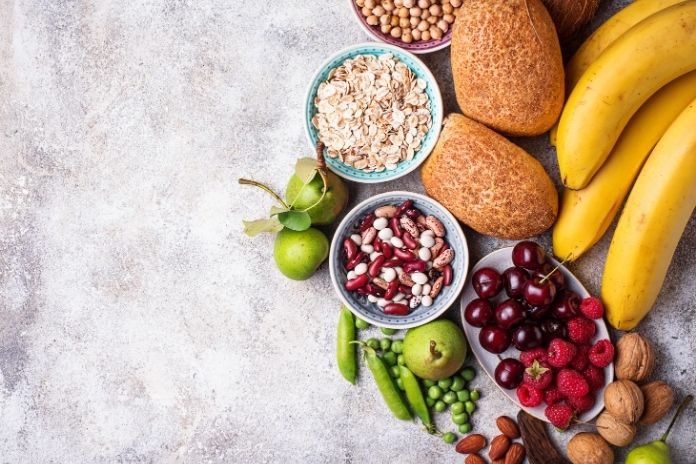
Dietary fiber (or “fiber”) is a carbohydrate found in foods from plants (called food sources) that our bodies cannot break down. Fiber is very essential to the health of our digestive systems; it helps keep things moving, thereby improving our overall health.
There are two types of fiber: soluble and insoluble.
Soluble fiber: Soluble fiber helps lower cholesterol, control blood sugar, and keep you feeling full. As the name suggests, soluble fiber dissolves in water, forming a gel-like material. Sources include oats, beans, lentils, and some fruits, including citrus fruits and apples.
Insoluble fiber: Insoluble fiber does not break down when exposed to water, which helps support healthy digestion and increases the bulk of the stool produced by the intestines. Examples of sources of insoluble fiber include whole-grain products, wheat bran, nuts, and many types of vegetables.
Age and gender affect the recommendations for daily fiber consumption. In general, adult women should consume at least 25 grams of fiber daily, while adult men should strive for at least 38 grams.
Youngsters require much less fiber depending on their gender and age; the recommendations range from 14 to 31 grams per day. Always consult with a medical expert or registered dietician to understand your individual fiber need.
“I would counsel a patient to start with adding one serving of fiber-containing food at a time so that your gut bacteria have time to adjust to digesting the increase in fiber,” says senior clinical dietitian Grace Whitmer.
Start Low, Build Slowly (The Most Important Rule)
To see how your body reacts, gradually increase your fiber intake.
Most fruits, vegetables, and grains contain both types of fiber, while raw vegetables, leafy greens, and the skin, seeds, and hulls of plants provide most insoluble fiber. Conversely, soluble fiber content is usually higher in soft fruits like bananas or peel-free apples.
It also helps to replace processed grains with healthier grains gradually. Monitoring your daily fiber intake will help you make consistent improvements without going overboard.
If you’re consuming too much too fast, your body will let you know. Slow down a bit and give your gut more time to adjust if you have symptoms such as excessive gas, stomach cramps, persistent bloating, or an uncomfortable feeling of fullness after small meals.
Read More: What to Eat When Nothing Sounds Good
Choose Fiber Sources That Don’t Feel Heavy
The type of fiber you choose can also affect how you feel post-meal, especially as you adjust your intake. Some sources of fiber feel gentler on the stomach and are less likely to cause heaviness or bloating.
Focus on Soluble Fiber-Rich Foods
Compared to bulky, rough fibers, soluble fiber is easier to tolerate since it dissolves in water and turns into a soft gel in the digestive tract.
Which foods contain the most soluble fiber?
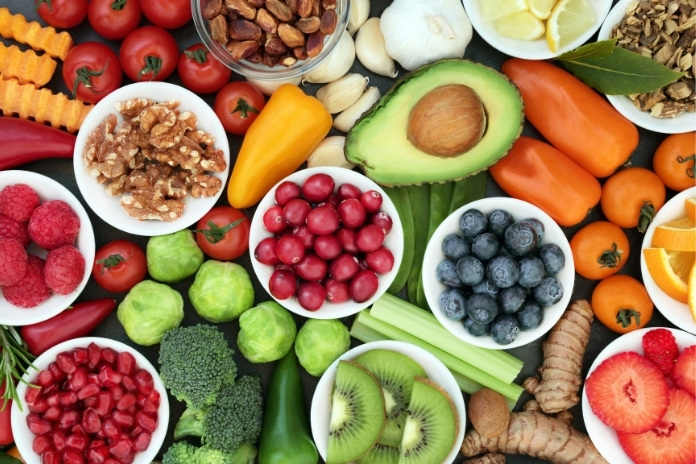
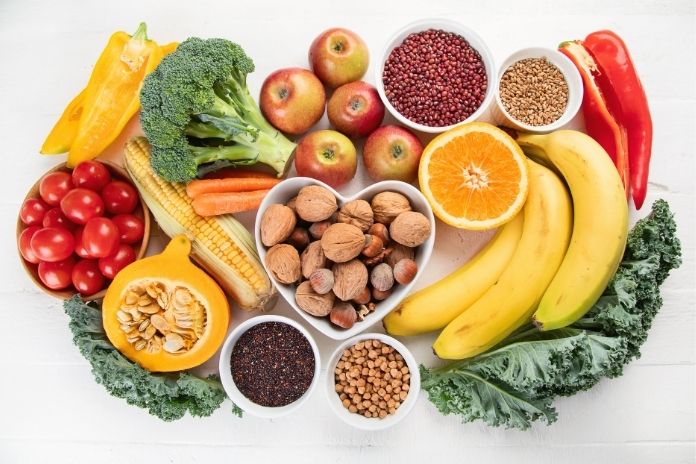
- Fruits: Dried figs, apples, bananas, berries, oranges, and pears.
- Legumes: Peas, beans, and lentils.
- Nuts and Seeds: Peanuts, pumpkin seeds, chia seeds, flaxseeds, and almonds.
- Vegetables: Carrots, green beans, kale, avocado, broccoli, Brussels sprouts, and sweet potatoes.
- Whole Grains: Quinoa, rye, popcorn, barley, brown rice, oats, and teff.
People who feel too full after a high-fiber meal tend to handle the soluble fiber better since it slows digestion gradually rather than suddenly.
Use Smaller Portions Spread Across the Day
Aim to skip “fiber loading” in one sitting. It can make your stomach feel uncomfortable or make you impatient to eat a bowl of lentils or a giant high-fiber salad all at once! Instead, spread out fibrous foods throughout breakfast, lunch, dinner, and snacks. And smaller servings will allow your stomach to break down fiber more slowly, letting your body easily digest and absorb the filling food rather than feeling stuffed.
Pair Fiber with Adequate Fluids
In the digestive system, fluids and fiber work together. For years, researchers have studied how a high-fiber diet and adequate water intake support healthy digestion. Because fiber absorbs water, hydration becomes just as important as fiber itself.
Your body is more than half water, and you need to drink every day, pretty much all day, for almost everything your body does, including digestion. A general rule of thumb is about an ounce of water per kilogram of body weight (about 2.2 pounds). For a 140-pound person, that means they need around 64 ounces of water per day to keep everything else running normally.
This hydration is very essential when increasing fiber intake. Without enough fluids, soluble fiber cannot form its beneficial gel-like texture, which can cause food to sit longer in the stomach and create an uncomfortable feeling of fullness. Proper hydration also reduces gas from delayed fermentation and helps fiber move smoothly through the digestive tract.
Simple hydration habits make a big difference. Rather than drinking a large amount at once, sipping water consistently throughout the day supports optimal digestion.
Add Fiber Through Foods You Already Eat
It’s not necessary to completely change your diet or consume large amounts of high-fiber foods to increase your fiber intake. Including fiber in foods you already like is the most practical and long-term solution. Small changes improve your everyday intake while allowing your body to adapt naturally.
Use beans creatively by experimenting with new methods to prepare lentils and legumes. You can include these fantastic, high-fiber plant meals in anything. Consider using these as a spread, mashed in dips, added to salads, soups, and eggs, or as a meat alternative (think black bean burger and so much more).
Take a look at buckwheat flour, chickpea flour, teff flour, coconut flour, brown rice flour, almond flour, and oat flour. While you wouldn’t use any of them like you would white flour in most recipes, look for “alternative flour” recipes that incorporate them so that you can add more fiber to your day.
Snack on higher-fiber foods. All too often, when we think of snacks, we picture the usual suspects: packaged, heavily promoted chips, crackers, or sweets. Instead, eat foods such as nuts, seeds, fruits, vegetables, and dip. Make these items your go-to snacks by planning.
Avocados are a fruit that is high in fiber and low in carbohydrates. You can use sliced avocado instead of mayo or sour cream in many recipes, including eggs, salads, toast, sandwiches, smoothies, and dips.
Read More: Nutrition for Sustainable Fitness: Science-Backed Strategies for Long-Term Results
Be Strategic with Raw vs Cooked Foods
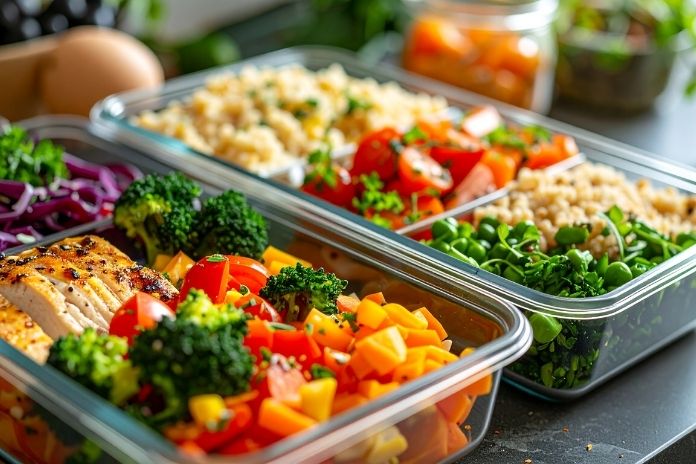
You can add fiber and improve digestion by understanding how raw and cooked foods affect digestion differently. Raw veggies, while being nutrient-dense, may “stiffen” our digestive tract because of the strong plant cell walls and insoluble fiber in veggies.
For those whose systems are intolerant of high-fiber diets or who may be rapidly increasing their fiber intake, digestion may become gassy and bloated, or they may feel heavy.
Conversely, cooked vegetables are typically more palatable. Plant fibers soften when cooked, making them easier for gut bacteria to ferment and generally gentler on the digestive system. You can eat carrots, zucchini, spinach, and squash lightly roasted, sautéed, or steamed to get nutrients and fiber without overwhelming digestion.
Timing Fiber to Avoid All-Day Fullness
Fiber intake affects your feelings of fullness throughout the day. Your digestive tract warms up with a breakfast high in fiber. It supports good bacteria, subtly stimulates motility, and creates the conditions for more easily digested food throughout the day.
- Enhances your gut-brain connection: Fiber prevents midmorning “hangry” crashes by stabilizing blood sugar.
- Promotes microbiome diversity: Soluble fiber from oats, chia seeds, apples, and green supplements immediately nourishes good gut bacteria.
Consuming fiber before or after meals can have just as much of an impact, particularly on women’s hormone balance.
- Binds extra estrogen: This helps control hormone-related symptoms, including PMS bloating, by preventing reabsorption.
- Reduces late-night cravings: Fiber slows digestion, keeping you fuller and less likely to have a snack attack.
One of the most scientifically supported strategies to control appetite and lessen cravings is to eat fiber before meals.
- How it works: Soluble fiber delays the absorption of glucose and helps you feel fuller sooner by forming a gel-like material.
After a meal, fiber slows down absorption and maintains a smooth digestive process, acting as the cleanup crew.
- Promotes good motility: Prevents lethargy after eating.
Fiber Mistakes That Make You Feel Uncomfortably Full
Fiber promotes good health, but common missteps can leave you feeling uncomfortable, bloated, and too full to feel energetic. One of the most common mistakes is increasing your fiber intake too fast.
Your digestive tract can only take so much if you suddenly go from a low-fiber diet to sizeable portions of fruits, vegetables, legumes, and whole grains. If your gut flora doesn’t have time to adjust, you’ll likely end up with gas and a heavy feeling.
Relying too much on bran goods or large raw salads is another common mistake. Bran contains a lot of insoluble fiber, which gives it a bulk but can make it feel gritty and hard to digest.
Similarly, large raw salads may appear healthful, but they sometimes contain tough fibers that ferment quickly, leading to bloating and prolonged fullness, especially in those with sensitive stomachs.
Who Should Increase Fiber More Cautiously

While most people benefit from increasing their fiber intake, other people should proceed with greater caution. Individuals who have recently undergone bowel surgery, have a sluggish digestive tract (such as gastroparesis), or have underlying gastrointestinal (GI) disorders (such as irritable bowel syndrome or inflammatory bowel disease) should increase their fiber intake gradually.
Irritable Bowel Syndrome (IBS) and Inflammatory Bowel Disease (IBD): Crohn’s disease and ulcerative colitis, as well as irritable bowel syndrome (IBS) and inflammatory bowel disease (IBD), may benefit from a high-fiber diet, but this could make their symptoms worse, especially during flare-ups.
They might need lower-fiber diets and careful advice on the type of fiber (soluble or insoluble) that is most beneficial for them.
Slow Digestive Tract/Gastroparesis: People with slow digestive motility may find it challenging to consume high amounts of fiber, as it can lead to blockages or make it harder to consume enough calories overall.
Older Adults: Individuals with poor flexibility of the intestinal walls or decreased ability to digest foods may be at increased risk of bowel obstruction. Therefore, older adults should be cautious when increasing their fiber intake.
Read More: The Complete Guide to Low-Carb Swaps That Don’t Compromise on Flavor
Conclusion
Nutritionists have observed that how you eat fiber is even more important than how much you eat. Even though fiber is still one of the best nutrients for your heart, blood sugar, and gut, if you overdo it or eat it too quickly at first, you may feel uncomfortably full and bloated.
Fortunately, you can let your digestive tract adjust on its own by starting slow, munching on softer sources of fiber, drinking water, and spreading it throughout your day.
References
- Hurst, A., R.D. (2025, July 22). How to relieve symptoms of too much fiber.
- UCSF Health. Increasing fiber intake.
- Holly Larson, MS, RD. (2021, March 1). Easy Ways to Boost Fiber in Your Daily Diet.
- Dietitian Ashley Bombicino, RD, LDN. (2023, October 31). Why all the fuss over fiber?
- Gina Van Thomme. (2023, October 16). 8 tips for reaching your daily fiber intake.
- Lisa Catanese, ELS. (2024, March 4). Foods high in fiber: Boost your health with fiber-rich foods.
- Elevate Health. 10 high-fiber foods that improve digestion and keep you full longer.
- Holliday, R., MS, CN. (2023, November 1). List of soluble fiber foods for IBS: Holiday edition.
- Cecelia Health. Fiber and water and health, oh why?
- McKinney, C., RD, LDN, CDE. (n.d.). 8 ways to sneak fiber into your diet.
In this Article