





If you’re constantly exhausted, uninterested, feeling mentally dull, losing hair, or always cold, iron deficiency could be the underlying cause.
Iron deficiency is prevalent worldwide. According to the World Health Organization (WHO), iron deficiency affects approximately 1.6 billion people, making it the most common nutrient deficiency worldwide.
Not everyone with these symptoms has iron deficiency, but certain groups are at higher risk. Women of reproductive age, young children, adolescents, athletes, and individuals with highly physically demanding jobs are at increased risk of iron deficiency.
The good news is iron deficiency can often be managed and also be prevented with simple lifestyle adjustments. You can maintain healthy iron levels without heavily relying on supplements by making small, consistent dietary changes.
Consider your body’s nutritional needs by regularly eating sufficient amounts of nutrient-rich foods. If symptoms persist after receiving medical treatment, seek further evaluation from a healthcare provider. This approach helps build a strong foundation of iron for long-term health.
Read More: Pescatarian vs. Vegan vs. Vegetarian Diet: Key Differences, Benefits & Which One Is Right for You
Why Iron Is Important for the Body
Your body needs iron as a mineral to produce hemoglobin. Your red blood cells include hemoglobin, which aids in the delivery of oxygen to every part of your body.
Without adequate iron, the body cannot produce enough hemoglobin, which can lead to iron deficiency anemia. Anemia symptoms include persistent fatigue and increased vulnerability to illnesses.
Iron is particularly vital for infants and young children. It promotes immunological response, good growth, and brain development.
How Much Iron Do You Actually Need?
Your age and gender determine the recommended dietary intake (RDI) of iron.
From Birth to Age Thirteen
During the first six months of life, your baby builds iron stores that typically begin to decline around six months of age or more. At this point, you can start introducing iron-fortified grains as one of their first complementary foods.
Children, regardless of gender, ought to have:
- 11 mg daily between the ages of 7 and 12 months
- 9 mg daily between the ages of one and three
- 10 mg daily between the ages of 4 and 8
- 8 mg daily between the ages of 9 and 13
Between the ages of 14 and 18
Teens between the ages of 14 and 18 ought to have:
- 11 mg daily for men
- 15 mg per day for women
Between the ages of 19 and 50
Adults between the ages of 19 and 50 ought to have:
- 8 mg daily for men
- 18 milligrams per day for women
Women who are pregnant
The recommended daily intake of iron for a pregnant woman is 27 mg. If you’re nursing, you ought to have:
- If you are 14 to 18 years old, take 10 mg daily
- If you are 19 years or older, take 9 mg daily
You require more iron if you have periods to make up for the iron lost through blood loss during menstruation.
Beginning at age 50
Adults over 50 should consume about 8 mg of iron a day, regardless of sex. Women need the same amount as men after their menopause.
Two Types of Iron in Food (And Why It Matters)
There are two types of iron present in food: heme and non-heme. Meat, poultry, and fish usually contain heme iron, which is the primary type of iron absorbed by the body. Up to 30% of the heme iron you eat is absorbed. In general, consuming meat raises your iron levels significantly more than ingesting non-heme iron.
Plant-based foods like fruits, vegetables, and nuts contain non-heme iron. Although the body doesn’t absorb iron from non-heme foods as efficiently, these foods still play a vital role in a healthy, balanced diet. Two to ten percent of the non-heme iron you eat is absorbed.
Your body absorbs more of the heme iron in meat when it’s combined with foods richer in non-heme iron. Foods high in vitamin C—citrus fruit, tomatoes, oranges, and yellow and red peppers—help with the absorption of non-heme iron as well.
Read More: Supplements to Take While on the Keto Diet: What Science Really Says & What You Might Need
Best Foods to Add Iron to Your Diet
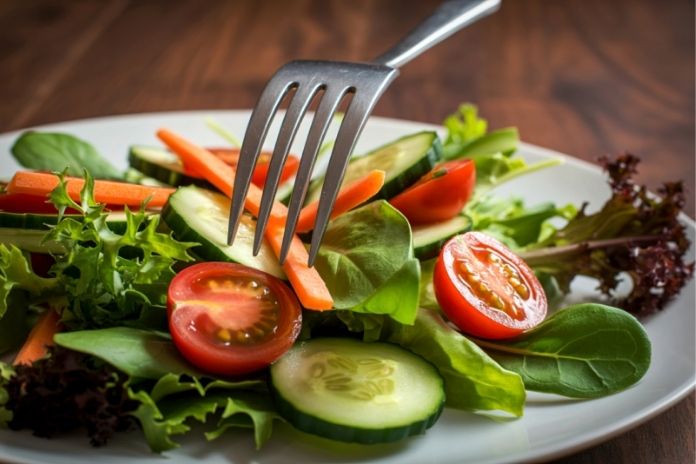
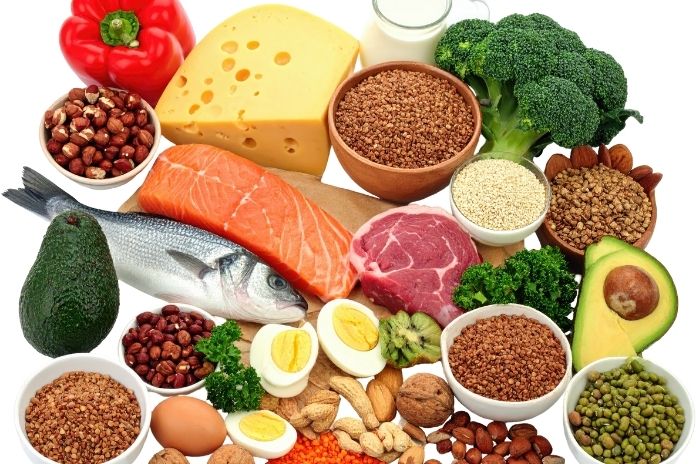
The easiest and safest way to maintain iron intake is to include iron-rich foods in the daily diet. Eating both plant and animal foods can help you meet your iron needs naturally.
Animal-Based Sources of Heme Iron
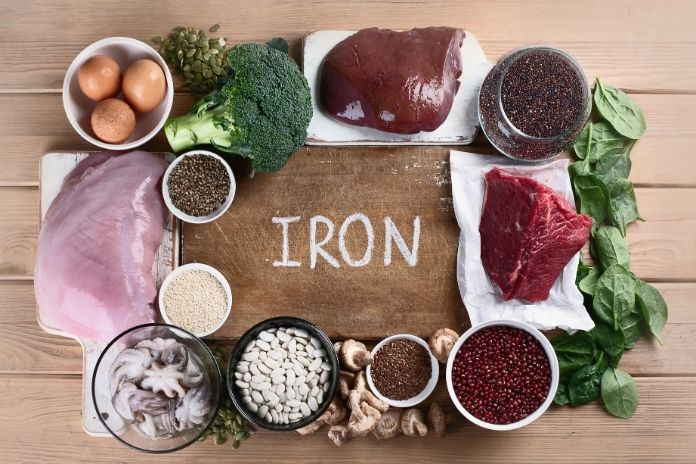
Red Meat: Good sources of iron are beef, lamb, and venison. In fact, a single serving of lean meat will provide you with more than half your daily iron needs.
Poultry: Turkey and chicken are versatile, iron-rich foods. Also, dark meat contains more iron than white meat.
Seafood: Shellfish is a go-to for an iron boost. Mussels, clams, and oysters are among the richest sources. Tuna and other fish, like salmon, also provide moderate amounts.
Organ Meats: Liver and kidney are potent sources of iron, though they are admittedly not everyone’s favorite foods.
Sources of Non-Heme Iron (Plant-Based)
Leafy Greens: Iron-rich plants such as spinach, kale, and Swiss chard pair well with foods that are rich in vitamin C.
Legumes: High in protein and other nutrients, black beans, chickpeas, and lentils are powerhouses of nutrition.
Tofu and Tempeh: If you’re vegetarian or vegan and need to increase your iron intake, try tofu and tempeh.
Nuts and Seeds: Almonds, cashews, sesame seeds, and pumpkin seeds are all tasty and highly rich in iron.
Fortified Foods: Many breads, plant milks, and morning cereals are fortified with iron, making it an easy way to hit your daily targets.
Whole Grains: Iron-rich, nutritious carbs include quinoa, brown rice, and oats.
Dried Fruits: Prunes, apricots, and raisins are all delicious and contain reasonable amounts of iron.
How to Improve Iron Absorption from Food
Eating meals high in iron is only one aspect of getting adequate iron; another is helping your body efficiently absorb it. Simple dietary practices can promote healthy iron levels and greatly enhance iron absorption.
Vitamin C-rich foods: Vitamin C improves iron absorption. It absorbs non-heme iron and stores it in a form your body can more easily absorb. Citrus fruit, dark green leafy vegetables, bell peppers, melons, and strawberries are among the foods that are high in vitamin C.
Therefore, consuming citrus juice or other vitamin C-rich foods alongside a high-iron diet can improve your body’s absorption of iron.
Foods high in beta-carotene and vitamin A: Vitamin A is essential for immune system function, bone formation, and healthy vision. Fruits and plants contain the reddish-orange pigment beta-carotene. The body can convert it to vitamin A.
Good sources of beta-carotene and vitamin A include carrots, sweet potatoes, spinach, kale, squash, red pepper, cantaloupe, apricot, oranges, and peaches. Your body stores iron, and vitamin A helps release it for use. Getting enough vitamin A can help reduce the risk of iron-deficiency anemia.
Fish, Poultry, and Meat: These foods can promote the absorption of the non-heme form of iron in addition to providing well-absorbed heme iron. The quantity of non-heme iron in the body can be increased by eating a meal that contains both heme and non-heme iron.
Foods and Drinks That Block Iron Absorption

Certain common foods and substances can interfere with iron absorption, even when iron intake is high. Being aware of these blockers helps you time your meals better and get the most from your diet.
- Soy proteins may decrease absorption from plant sources.
- Tannins found in tea, coffee, and wine bind to iron and transport it out of the body, reducing its absorption.
- Phytates and fiber found in whole grains such as bran can reduce the absorption of iron and other minerals.
- An iron shortage may result from a diet low in vitamin A, as vitamin A helps release stored iron.
- The absorption of plant-sourced (non-heme) iron is reduced by calcium and phosphorus.
Read More: Does Cooking Spinach Increase or Decrease Its Iron Content?
Adding Iron to Vegetarian or Vegan Diets
If you follow a vegan or vegetarian diet or are simply trying to maintain healthy iron levels, you are likely aware of several fruits, vegetables, and grains that are high in iron. However, did you know that not all iron is created equal and that certain foods actually hinder your body’s ability to absorb iron?
Iron deficiency anemia occurs when the body lacks sufficient iron to produce hemoglobin, the oxygen-carrying component of red blood cells. Contrary to common opinion, eating a vegetarian or vegan diet can make it harder to maintain high iron levels. This is because of the type of iron consumed, not just the quantity.
Combining vitamin C sources with iron-rich plant foods is the most effective way to increase absorption. Enjoy citrus fruits after meals, add lemon juice to leafy greens, or combine lentils or chickpeas with tomatoes.
Small amounts of iron can also be added to food while cooking with cast-iron cookware. Regular consumption of whole grains, beans, tofu, nuts, and seeds helps maintain a consistent iron intake.
Signs You May Not Be Getting Enough Iron
Your body’s iron reserves gradually decrease if you don’t consume enough iron. It may result in:
Iron Depletion: When your body has a limited supply of stored iron that will soon run out, yet your hemoglobin levels are normal. There are typically no noticeable symptoms at this time.
Iron Deficiency: When your hemoglobin levels have fallen below normal, and your stored and blood-borne iron levels are low, one of the symptoms might be tiredness.
Anemia caused by iron deficiency: It occurs when your hemoglobin levels are so low that your blood cannot adequately carry oxygen to your cells. Fatigue, dizziness, dyspnea, and an ashen appearance are some of the symptoms.
Individuals who have iron deficiency anemia may also have a weak immune system, making them more susceptible to infection. Iron-deficiency anemia in children can affect brain development and growth.
Can You Get Too Much Iron From Diet Alone?
Getting too much iron from food alone is very rare for most people. When the body has enough iron stored, it naturally controls how much iron is absorbed from meals. It implies that even regular consumption of foods high in iron is unlikely to cause dangerously high levels in healthy people.
An excessive amount of iron might be dangerous. Before taking iron supplements, you should always consult your physician.
Excessive iron can cause the following symptoms:
- Fatigue
- Breathing difficulties
- Stiffness in joints
- Discomfort in the upper abdomen (sore tummy)
- Decrease in sexual urge, or libido
A hereditary disorder known as hemochromatosis affects around 1 person out of every 200. You absorb and accumulate too much iron as a result of this disorder. Doctors typically screen people with a close family history of the illness.
If you are worried about your iron levels, consult your physician.
Read More: Foods to Combine with Your Plant-Based Iron for Better Absorption
Conclusion
Ideally, you should nourish yourself with a fabulous diet and let your body determine its optimal iron level. Understanding the difference between heme and non-heme iron, making thoughtful food choices, and pairing meals with vitamin C can go a long way.
Vegans and vegetarians should pay close attention to dietary iron sources, including legumes, leafy greens, seeds, and fortified foods, as non-heme iron has lower bioavailability. Avoiding tea, coffee, and high-calcium or phytate-rich foods at mealtimes may improve absorption.
References
- UF Health. Iron in diet.
- Cleveland clinic. (2023, March 15). 52 foods high in iron.
- American Red Cross. Iron-rich foods.
- Healthdirect Australia. (2025). Foods high in iron
- Cara Rosenbloom, RD. (July 15, 2024). The 11 Best High-Iron Foods to Add to Your Diet.
- SpectrumHS. Iron-Rich Foods to Eat If You Have Anemia.
- HealthLink BC. (2025, February 21). Iron in foods.
- Geiger, R. (2024, January 23). 33 surprising plant-based iron sources.
- Holly MacCormick. (2017, October 6; updated April 18, 2022). Ways to boost blood iron levels while eating a vegan or vegetarian diet.
- Better Health Channel. (2024, August 23). Iron and iron deficiency.
In this Article