














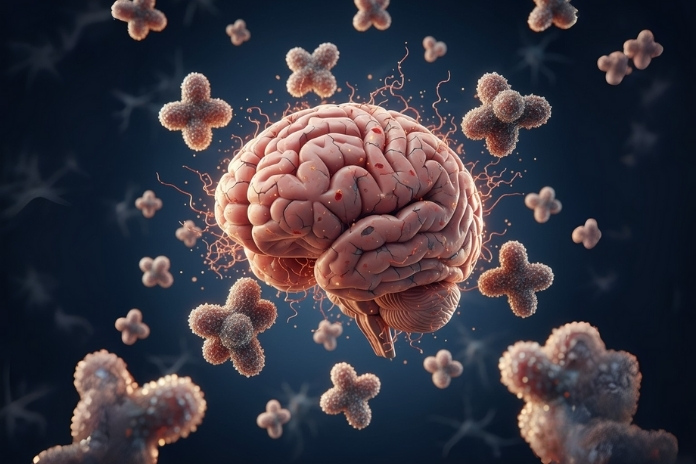
Imagine this: every time sugar latches onto proteins in your body, those proteins stop doing their jobs and start sabotaging your cells. Scientists call this process glycation, and emerging research suggests it could be accelerating Alzheimer’s disease. Unlike the familiar culprits, amyloid plaques and tau tangles, glycation represents a hidden, chemical attack on the brain’s natural defenses.
Alzheimer’s is more than memory loss. It’s a progressive condition that affects millions globally, slowly erasing identity, independence, and daily function. What makes glycation especially alarming is that it doesn’t wait until late life to begin; high blood sugar, certain diets, and metabolic stress can speed it up, forming advanced glycation end products (AGEs) that stiffen proteins, trigger inflammation, and weaken the brain’s defense systems.
Understanding glycation opens a new frontier in Alzheimer’s research. It explains why lifestyle factors matter, why some brains are more resilient than others, and why targeting sugar-protein damage could complement traditional therapies. In this article, we’ll explore what glycation is, how it undermines brain health, and what studies reveal about reducing its impact, offering actionable insights for prevention and a clearer picture of the disease’s hidden mechanisms.
What Are Sugar-Coated Proteins?
At its core, glycation is the non-enzymatic binding of sugar molecules, like glucose or fructose, to proteins, lipids, or nucleic acids. Over time, especially under conditions of high blood sugar or metabolic stress, this process produces advanced glycation end products (AGEs). These sugar-coated proteins are essentially damaged biomolecules that no longer function as they should.
Unlike glycosylation, a carefully regulated enzymatic process that modifies proteins in precise ways, glycation is accidental. It causes proteins to stiffen, misfold, or stick together, which can impair their normal roles in the body. Think of it like pouring syrup onto machinery; everything slows down, gets clogged, and eventually breaks.
Why Glycation Matters for Brain Health
- Accelerated by Metabolic Dysfunction: Persistent high blood sugar, as seen in diabetes or metabolic syndrome, accelerates glycation. Over time, more AGEs accumulate in tissues, including the brain, where repair and turnover are naturally slower.
- AGEs and the Aging Brain: Because the brain’s cells and proteins have low regenerative capacity, AGEs build up and interfere with normal function. They can alter signaling proteins, enzymes, and structural proteins that keep neurons healthy and connected.
- Connection to Alzheimer’s Disease: Research increasingly links glycation to Alzheimer’s progression. AGEs can exacerbate amyloid plaque formation, increase oxidative stress, trigger neuroinflammation, and contribute to neuronal damage. A 2024–25 review confirms this connection, highlighting that people with Type 2 diabetes or insulin resistance are at higher risk, partly due to increased glycation.
- Beyond Plaques and Tangles: While amyloid plaques and tau tangles remain central to Alzheimer’s pathology, glycation adds a chemical layer of disruption. It doesn’t just support plaque formation; it weakens the brain’s natural defenses, making neurons more vulnerable to other insults.
In short, sugar-coated proteins aren’t just a side effect of high blood sugar; they are active contributors to brain aging and Alzheimer’s disease. Understanding glycation helps explain why lifestyle factors like diet, glucose control, and metabolic health are increasingly recognized as critical for long-term cognitive resilience.
Read More: Understanding Alzheimer’s Disease: Symptoms, Stages, and Early Warning Signs
How Sugar-Coated Proteins Affect the Brain
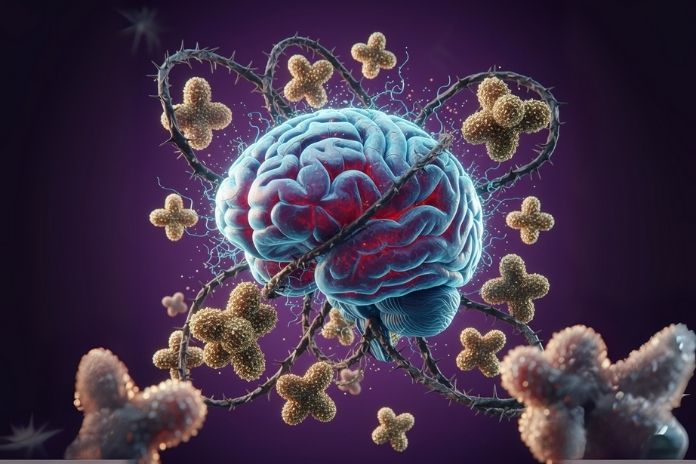
While glycation may seem like a metabolic footnote, its impact on the brain is profound. Sugar-coated proteins, or advanced glycation end products (AGEs), disrupt multiple systems that normally protect neurons and maintain cognitive function.
Research increasingly shows that AGEs don’t just form plaques; they actively weaken barriers, impair immune cleanup, and accelerate neurodegeneration, creating a perfect storm for Alzheimer’s disease.
1. Weakening the Brain’s Protective Barriers
A 2025 Stanford-led Nature study maps the BBB’s “sugar shield” and shows it degrades with age, compromising barrier function, while separate research links hyperglycemia and AGEs to glycocalyx and BBB breakdown, helping explain the higher neuro risk seen in insulin resistance and Type 2 diabetes.
“The glycocalyx is like a forest. In young, healthy brains, this forest is lush… In older brains, it becomes sparse, patchy, and degraded.” – Sophia Shi, Stanford Report. This piece also states that the thinning glycocalyx weakens the BBB, letting harmful molecules in and fueling inflammation and cognitive decline.
Remarkably, in animal models, reintroducing key sugar-coated proteins, such as mucins, partially restored BBB integrity and improved cognitive performance, pointing to potential therapeutic avenues.
2. Impairing the Brain’s Immune Clean-Up Crew
AGEs also interfere with RAGE (Receptor for Advanced Glycation End products), a critical receptor that binds AGEs, amyloid-beta (Aβ), and other damage-associated proteins like HMGB1 and S100. When RAGE is activated excessively, it triggers inflammation, oxidative stress, and cellular injury, overwhelming the brain’s natural clearance mechanisms.
A 2025 review in the International Journal of Molecular Sciences detailed how RAGE-AGE interactions reduce the brain’s ability to clear amyloid-beta, allowing toxic protein aggregates to accumulate and damage neurons over time. Essentially, glycation impairs the brain’s janitorial system, leaving debris to pile up and accelerate neurodegeneration.
3. Promoting Amyloid Buildup and Neurodegeneration
Glycation doesn’t just obstruct clearance; it actively enhances the toxicity of amyloid-beta and tau, the proteins at the heart of Alzheimer’s pathology. AGEs have long been found co-localized with amyloid plaques, acting like “sticky glue” that stabilizes these deposits and makes them more resistant to removal.
Recent analyses, including the 2025 review by Ayoub et al., show that AGEs also:
- Increase oxidative stress, further damaging neurons.
- Disrupts synaptic function, impairing communication between brain cells.
- Promote Aβ aggregation, accelerating plaque formation and progression of cognitive decline.
In short, sugar-coated proteins are far from passive bystanders; they actively sabotage brain defenses, worsen plaque formation, and promote neuroinflammation, creating a vicious cycle that drives Alzheimer’s progression.
Linking Sugar-Coated Proteins to Alzheimer’s Disease
To grasp the full significance of glycation in the brain, it helps to connect the dots between AGEs and Alzheimer’s disease. Alzheimer’s is marked by amyloid plaques, tau tangles, chronic neuroinflammation, and progressive neuronal loss, a cascade that slowly erodes memory, reasoning, and independence. Sugar-coated proteins aren’t just bystanders in this process; they actively exacerbate it at multiple levels.
1. Accelerating Amyloid Plaque Formation
AGEs accumulate within brain tissue, particularly in regions where amyloid plaques form. By chemically modifying these proteins, AGEs make plaques more stable and “sticky,” allowing them to grow faster and resist natural clearance mechanisms. Research has shown that their presence correlates with more rapid plaque development, suggesting that glycation isn’t merely coincidental; it’s a driver of pathology.
2. Activating RAGE and Fueling Inflammation
The RAGE receptor plays a central role in mediating the harmful effects of AGEs. When AGEs and amyloid-beta (Aβ) bind to RAGE, it triggers a cascade of oxidative stress and inflammation, further undermining neuronal health. Chronic RAGE activation contributes to both neuronal injury and impaired clearance of toxic proteins, creating a vicious cycle that accelerates Alzheimer’s progression.
3. Compromising the Brain’s Protective Barriers
Sugar-coated proteins also impact the blood-brain barrier (BBB). Degradation of the glycocalyx, the sugar-rich protective layer on endothelial cells, makes the BBB more permeable. This allows toxins and inflammatory cells to enter the brain, compounding oxidative stress and neuroinflammation, two hallmarks of Alzheimer’s pathology.
Stanford researchers have highlighted that restoring key components of the glycocalyx can partially protect the BBB, underscoring the barrier’s role in disease prevention.
4. Diet, Systemic Inflammation, and Cognitive Risk
A 2025 review on diet and neuroinflammation emphasized that high-AGE diets correlate with greater cognitive decline, whereas diets rich in antioxidants, fiber, and whole plant foods (naturally lower in AGEs) offer measurable neuroprotective benefits.
Bottom Line
Sugar-coated proteins aren’t just passive markers of aging; they actively break down brain barriers, impair protein clearance, and ignite inflammation, all of which accelerate Alzheimer’s disease. Understanding this connection highlights why lifestyle choices, especially diet and blood sugar management, may be critical in slowing cognitive decline and protecting long-term brain health.
What This Means for Prevention
The discovery that sugar-coated proteins (AGEs) actively contribute to Alzheimer’s disease reshapes how we think about prevention. Instead of focusing solely on amyloid plaques and tau tangles, we can now target glycation and inflammation, factors influenced by diet, lifestyle, and metabolic health.
1. Diet and Blood Sugar Control Matter
Even in people without diabetes, high blood sugar can accelerate glycation and AGE formation. Managing blood glucose is, therefore, a critical preventive step.
- Limit processed, fried, or high-fat/high-sugar foods, especially those cooked at high heat. These are typically rich in preformed dietary AGEs, which can accumulate systemically and in the brain.
- Focus on low-AGE foods: boiled grains, fresh vegetables, fruits, raw nuts, and seeds. These foods are naturally lower in glycation potential, while also providing fiber and essential nutrients that support metabolic and cognitive health.
By moderating both sugar intake and foods high in dietary AGEs, you reduce the raw material that forms sugar-coated proteins, giving your brain a better chance to maintain normal function.
2. Emphasize Anti-Inflammatory and Antioxidant Foods
AGEs promote oxidative stress and inflammation, so incorporating foods that counteract these effects can further protect the brain.
- Antioxidant-rich fruits and vegetables, like berries, leafy greens, and citrus, neutralize free radicals generated by glycation.
- Hydrating plant foods help dilute reactive molecules and support metabolic processes that remove AGEs.
- Other anti-inflammatory staples, including turmeric, nuts, and seeds, help reduce chronic inflammation, which is a key driver of Alzheimer’s pathology.
A 2025 dietary study in MDPI highlighted that diets rich in these foods not only lower AGE formation but also correlate with improved cognitive resilience and reduced markers of neuroinflammation.
3. Lifestyle Strategies to Complement Diet
While food is a major factor, other lifestyle habits matter:
- Regular exercise: Helps regulate blood sugar, improve circulation, and reduce AGE accumulation.
- Adequate sleep: Supports the brain’s glymphatic system, which clears toxic proteins, including those modified by glycation.
- Stress management: Chronic stress can elevate blood sugar and inflammation, indirectly promoting AGE formation. Techniques like mindfulness, yoga, or even daily walks can help.
Preventing glycation isn’t about avoiding sugar entirely; it’s about reducing the factors that accelerate harmful sugar-protein bonds, supporting metabolic balance, and lowering inflammation. By combining a low-AGE, antioxidant-rich diet with lifestyle strategies that protect metabolic and brain health, we can take practical steps to slow cognitive decline and reduce Alzheimer’s risk.
Read More: Empowering Alzheimer’s Care: Top Technological Tools for Patients and Caregivers
What Doctors and Scientists Say
The emerging research on sugar-coated proteins and brain aging has sparked excitement, but experts also urge caution. While the findings open new avenues for understanding Alzheimer’s disease, most evidence is preliminary. Here’s how leading scientists interpret the implications, and what they see as the next steps.
Expert Reactions
- Carolyn Bertozzi, a renowned chemist, described the glycocalyx study as “like landing on a new planet,” highlighting how little we know about the role of sugar chains on cellular surfaces.
- According to Sophia Shi, “Modulating glycans has a major effect on the brain, both negatively in aging, when these sugars are lost, and positively, when they are restored. This opens an entirely new avenue for treating brain aging and related diseases.”
These comments underscore the scientific consensus: the glycocalyx and AGEs represent a largely untapped frontier in neurodegenerative research.
Limitations and Cautions
While the early results are promising, experts caution against over-extrapolation:
- Animal Models vs. Humans: Most studies on glycocalyx restoration and AGE interactions are in mice or post-mortem tissue. Translating these findings to human brains is far from straightforward.
- RAGE Inhibitors: Preclinical work suggests that blocking RAGE can reduce inflammation and amyloid accumulation, but clinical trials in humans are still in early phases.
- Dietary Studies: Many studies linking low-AGE diets to cognitive benefits are short-term or observational. Long-term, controlled trials are necessary to confirm whether reducing dietary AGEs truly slows cognitive decline.
In short, the science is compelling but not yet conclusive for direct clinical application.
Next Steps in Research
Researchers are pursuing several key directions:
- RAGE-targeting therapies: Testing inhibitors or modulators in human neurodegenerative disease trials to see if reducing AGE signaling can slow progression.
- Long-term dietary interventions: Monitoring at-risk older adults on low-AGE diets to assess effects on cognition, inflammation, and biomarker profiles.
- Glycocalyx restoration in humans: Investigating potential pharmacological or intravenous strategies to rebuild the brain’s sugar-rich protective layer, a complex but promising avenue inspired by animal studies.
Scientists agree that AGEs, RAGE signaling, and glycocalyx integrity represent exciting new targets in Alzheimer’s research. While early findings are promising, the path to safe, effective human interventions is still unfolding. For now, preventive strategies like blood sugar management, low-AGE diets, and antioxidant-rich nutrition remain practical steps supported by evidence.
Read More: HIV Drug As A Potent Treatment For Alzheimer’s, New Study Suggests
Can Lifestyle Changes Reduce Risk?
While sugar-coated proteins and AGEs pose a threat to brain health, research shows that lifestyle choices can meaningfully reduce risk. Targeted habits improve metabolic health, protect the blood-brain barrier, and lower inflammation, creating a defense against glycation-driven damage. Even small, consistent adjustments can make a difference over time.
- Exercise & Brain Health: Regular aerobic activity improves insulin sensitivity, stabilizes blood sugar, reduces systemic inflammation, and supports the glymphatic system that clears waste products like amyloid-beta.
- Cutting Down Refined Sugar: Limiting sugary snacks and beverages reduces blood glucose spikes, slowing AGE formation. Opt for whole fruits, nuts, and other antioxidant-rich foods to further protect the brain.
- Sleep & Stress Management: Poor sleep and chronic stress raise cortisol and promote inflammation, increasing glycation risk. Aim for 7–8 hours of quality sleep and incorporate stress-reducing practices like meditation, mindfulness, or social connection.
- Integrated Defense: Together, these pillars, exercise, diet, sleep, and stress control, create a multifaceted approach that not only protects the brain but also enhances overall health and cognitive resilience.
Read More: Caring for a Loved One with Alzheimer’s: Essential Tips for Family Caregivers
Conclusion
Sugar-coated proteins, or AGEs, may sound like a minor biochemical detail, but emerging research shows they play a major role in brain aging and Alzheimer’s disease. By weakening protective barriers, fueling inflammation, and accelerating amyloid buildup, they create a perfect storm for cognitive decline.
The good news is that prevention is within reach. Managing blood sugar, reducing dietary AGEs, exercising regularly, sleeping well, and managing stress all help slow glycation and support brain resilience. While clinical treatments targeting AGEs are still in early stages, lifestyle choices offer a practical, evidence-backed way to protect your cognitive health today.
The key takeaway: Alzheimer’s risk isn’t entirely predetermined. Every small step, swapping sugary snacks for fruits, committing to daily movement, or prioritizing sleep, adds up over time, fortifying your brain against sugar-driven damage.
Start now. Treat your brain like you treat your heart: with consistent care, smart choices, and long-term investment. Your future self and your mind will thank you.
References
- https://pmc.ncbi.nlm.nih.gov/articles/PMC11211596/
- https://journals.sagepub.com/doi/abs/10.3233/JAD-210131
- https://jamanetwork.com/journals/jamanetworkopen/fullarticle/2821878
- https://pmc.ncbi.nlm.nih.gov/articles/PMC12121414/
- https://pubmed.ncbi.nlm.nih.gov/40011765/
- https://elifesciences.org/articles/90633
- https://www.ncbi.nlm.nih.gov/books/NBK566120/
- https://www.nature.com/articles/s41586-025-08589-9
- https://chemistry.stanford.edu/news/changes-brains-sugar-shield-could-be-key-understanding-effects-aging
- https://news.stanford.edu/stories/2025/02/study-links-the-sugars-on-cell-surfaces-to-brain-resilience
- https://www.nature.com/articles/s41586-025-08589-9
- https://www.mdpi.com/2072-6643/17/12/1964
- https://www.mdpi.com/2673-4087/6/3/89
- https://nesr.usda.gov/sites/default/files/2024-12/Dietary-patterns-neurocognitive-health-2025DGACSystematicReview.pdf
- https://pmc.ncbi.nlm.nih.gov/articles/PMC9227209/
- https://www.clinicalnutritionjournal.com/article/S0261-5614%2823%2900257-1/fulltext
- https://scitechdaily.com/aging-brains-have-a-sugar-problem-and-stanford-scientists-may-have-found-a-fix/
In this Article