













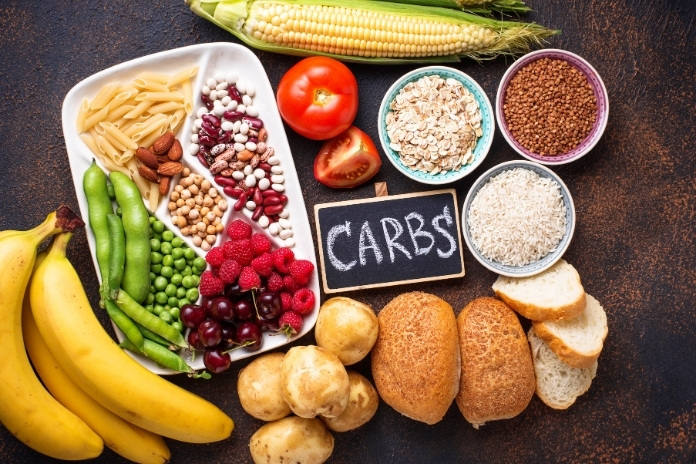
Ever since one of my loved ones turned diabetic, I have been looking for the perfect diet that suits her. A diabetic diet is often imagined as one without sweets, having balanced nutrition. Many of us also believe that it must be a carb-free diet. However, does this hold any truth? Do diabetics really need to avoid carbs totally? Let’s find out.
Carbohydrates tend to take the bad guy reputation with those who have diabetes, often being referred to as the “enemy” in terms of managing blood sugar levels. However, carbohydrates are anything but evil. They are a significant source of energy for the body, and specifically for the brain, muscles, and organs.
The trick is not to stay away from carbohydrates entirely, but to know how much to eat and what kinds to load up on. For people with diabetes, balancing carbs is crucial for controlling blood sugar levels, preventing peaks, and maintaining overall health.
In this article, we will understand expert recommendations on the carbs a diabetic should take per day, along with tips on per-meal servings, best carb sources, and useful carb-counting tips.
Read More: How Carb Cycling Can Help You Lose Weight Without Cutting Carbs Completely
Why Carbohydrates Matter in Diabetes

Carbohydrates are the body’s primary fuel. They are broken down into glucose, which gets absorbed into the bloodstream and raises blood sugar. In people with diabetes, this glucose response can cause trouble because insulin, the hormone that allows cells to absorb glucose, can be too low or less effective. Knowledge of carbohydrate types is crucial:
- Simple carbohydrates: In sweet treats, sweets, and soft drinks, these are quickly digested with sudden spikes in blood sugar levels.
- Complex carbohydrates: In grains, beans, vegetables, and fruits, these are digested slowly with steadier levels of blood sugar.
We must look for ways to balance carbohydrate intake and add foods to be digested more slowly. This helps prevent sudden changes in glucose, resulting in better insulin control and reducing diabetes-related complications.
Dr. Giulio Romeo, associate medical director of the Adult Diabetes Section at Harvard-affiliated Joslin Diabetes Center, says, “The fairly large carbohydrate intake we’ve all become accustomed to — breads, sweets, starchy vegetables — can be dialed down a bit,” he says. “Not only can that reduce the risk of diabetes, but it also may help with weight loss.”
Recommended Daily Carbohydrate Intake for Diabetics
There is no single “number” of carbs for diabetics, as needs depend on age, activity level, medication, and type of diabetes. But general guidelines help:
- Per meal: Most diabetic adults can aim for 45–60 grams of carbs per meal.
- Snacks: A light snack usually contains 15–30 grams of carbs.
- Total daily intake: It usually amounts to 130–225 grams of carbohydrate daily for adults, according to energy requirements and treatment plans.
Type 1 and Type 2 will require slightly different adjustments. Insulin patients will require more precise carb counting so they can reverse doses, while Type 2 diabetics regulating blood sugar with diet and oral medications may have less exacting demands.
One must consult a healthcare provider or dietician so that consumption may be tailored to personal specifications, as too much or too little carbs produces an imbalance in blood sugar.
Daily carb consumption in diabetics needs to be moderate, consistent across meals, and of high quality to ensure energy levels and avoid blood glucose spikes.
Carbs Per Meal: Portion Guidelines

Control of carbs per meal in diabetes may be made easy using visual aids such as the plate method. Here’s how:
- Plate method: Half your plate should have non-starchy vegetables, a quarter lean protein, and a quarter carbs.
- Counting vs estimating: Using a nutrition label or carb-counting app ensures accuracy.
For reference, standard carb servings are:
- 1 slice of bread ≈ 15g
- ½ cup cooked rice ≈ 15g
- 1 small apple ≈ 15g
Consistency of carb portions at meals keeps blood sugar levels normal throughout the day. This is especially helpful for patients on insulin and other glucose-reducing medications. Closely monitoring intake helps diabetics control their daily carbohydrate intake more easily with the right knowledge.
Read More: Low-Carb Zucchini Noodles with Pesto: A Healthy Pasta Alternative
Best Carbohydrates for Diabetics
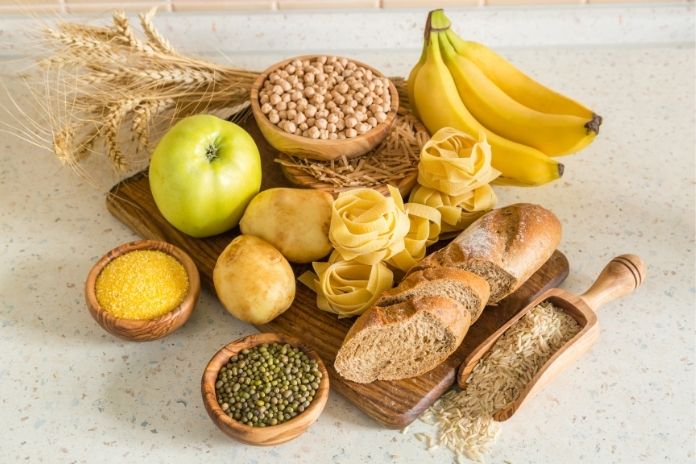
All carbohydrates are not the same. Choosing the best carbs for diabetics can really make a difference in managing blood sugars:
- Whole grains such as brown rice, quinoa, oats, and whole-wheat bread provide fiber that slows down digestion.
- Legumes, including beans, lentils, and peas, are rich in protein and fiber and stabilize blood sugar rises.
- Non-starchy vegetables such as broccoli, spinach, peppers, and zucchini are extremely low in carbohydrates but rich in nutrients.
- Fruits like berries, cherries, and apples, eaten whole rather than juiced, provide natural sugars along with fiber.
Foods to restrict are white bread, sweets, pastries, and candies, which will cause rapid glucose rises. Adding low-glycemic foods ensures more stable energy levels and promotes long-term diabetes management.
Carbohydrate Counting Techniques

You can easily count carbs. A few effective carbohydrate counting strategies include:
- Read labels: This helps identify total carbs per serving and consider fiber because fiber does not affect blood glucose.
- Use carb-counting apps: Certain computer applications help track meals, monitor intake, and accurately ascertain carb servings.
- Work with a dietitian: A dietician gives you professional guidance and helps create meal plans tailored based on your lifestyle, medication, and blood glucose goals.
Counting carbs might be challenging initially, but with practice over time and proper tools, it becomes a normal part of day-to-day diabetes care, helping control blood sugars easily.
FAQs
- Are ketogenic or low-carb diets safe for diabetics?
Yes, with a doctor’s care, low-carb and ketogenic diets will control blood sugar, but they must be carefully planned to avoid nutrient deficiencies.
- Can diabetics eat fruit?
Yes. Whole fruits with significant fiber, such as apples and berries, can be part of an adequate meal. Fruit juices must be kept to a minimum due to concentrated sugar.
- Are fats and carbs worse than carbohydrates for blood sugar?
Carbohydrates directly affect blood sugar more than fat, but both macronutrients influence overall metabolic health. The selection of complex carbohydrates and healthy fats is crucial.
Read More: 7 Low-Carb Dinner Recipes For A Healthy Heart
Conclusion
Carbohydrates are required for fuel and must not be eliminated from a diabetic diet. Focus on balance: most diabetics can consume 45–60 grams of carbohydrates at a meal, and snacks should be 15–30 grams. Choose nutrient-dense, high-fiber carbohydrates and control portions to prevent spikes in blood sugar levels and overall health.
Consult a doctor or dietician to develop a personalized carb plan that is tailored to your lifestyle, medications, and activity level.
References
- https://www.cdc.gov/diabetes/healthy-eating/carb-counting-manage-blood-sugar.html
- https://med.virginia.edu/vcdpe/wp-content/uploads/sites/287/2021/03/Carbohydrate-Food-List.pdf
- https://www.manipalhospitals.com/salem/blog/a-clinicians-guide-on-carbohydrate-intake-in-food-items/
- https://www.todaysdietitian.com/newarchives/082510p12.shtml
- https://www.lemon8-app.com/lemon8136039384/7365727444747780613
- https://www.manipalhospitals.com/salem/blog/a-clinicians-guide-on-carbohydrate-intake-in-food-items/
In this Article